
REVIEW · FRANCE VINEYARD TOURS
Margaux – Discovery tour of the vineyard with a tasting of 4 wines
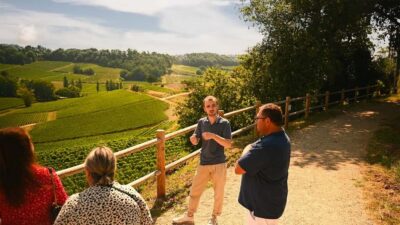
The most useful part of this one-hour Margaux tour is its clear look at how wine moves from harvested grapes to bottles. You visit a working family estate, see the vat room and barrel cellar, and finish with four guided tastings rather than a single quick sample.
I like the small group of 10 and the tidy price of $17. I also like that the tasting is explained wine by wine, with guides such as Thomas, Orane, and Martins praised for clear English and friendly explanations. The main drawback is that the quality of the visit may depend on your guide. One recent booking found the presentation too rehearsed, while others found it warm and informative.
Key points to know
- Four wines are tasted: Each sample is selected and explained by the guide.
- The visit is family-run: You learn about three generations of the De Schepper family and their work in Margaux.
- You see production areas: The route includes the vat room and barrel cellar, not just the shop.
- English is available: Tours run in French or English, with some material presented in its original language.
- Groups stay small: A maximum of 10 participants makes questions easier.
- The visit costs $17: For an hour of estate access and four tastings, that is a fair price for wine lovers.
A practical introduction to Margaux wine
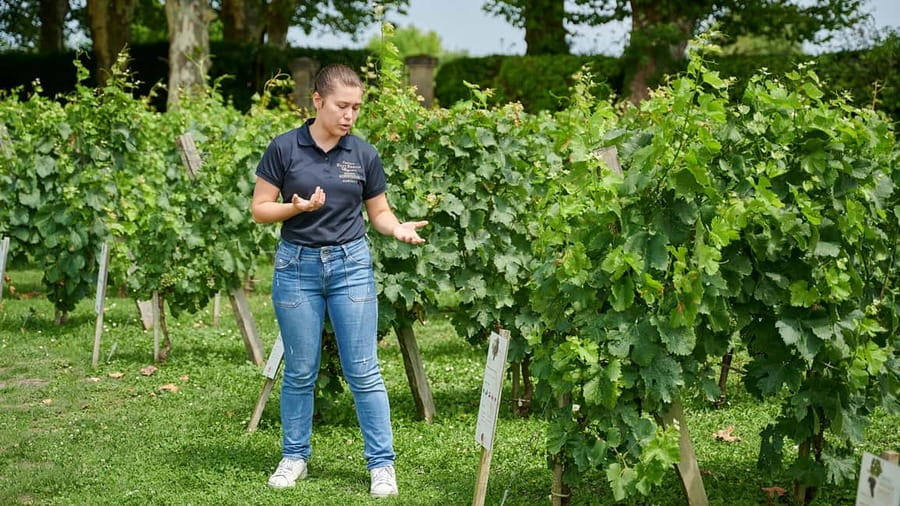
Margaux is one of Bordeaux’s best-known wine appellations, and this experience gives you a compact way to understand what that name means at estate level. Instead of treating the appellation as a label on a bottle, the tour connects it to the family, the cellar, and the work behind each vintage.
I would not book this as a grand château sightseeing visit. The appeal is more focused. You come to learn how the wine is made, see the working rooms, and taste four wines with guidance. That makes it a useful stop for someone who wants structure and explanation rather than a long, elaborate day out.
The De Schepper family has cultivated vines here for three generations. That family connection gives the visit a personal angle, although the exact depth of the family story will depend on how much detail your guide brings to the presentation.
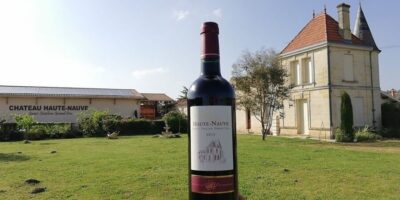
The setting is Nouvelle-Aquitaine in southwestern France. The experience provider is Château Haut-Breton Larigaudière, and the meeting point is the château boutique. Arrive five minutes early so you can check in without cutting into the one-hour visit.
More vineyard visits around France:
- Saint-Émilion: Grand Cru Classé Winery Visit and Tasting
★ 4.6 · 1,118 reviews - Saint Emilion Half-Day Trip with Wine Tasting & Winery Visit from Bordeaux
★ 4.5 · 1,034 reviews - Saint-Émilion: Bordeaux Vineyard Tour and Wine Tasting
★ 4.8 · 578 reviews
Starting at the château boutique
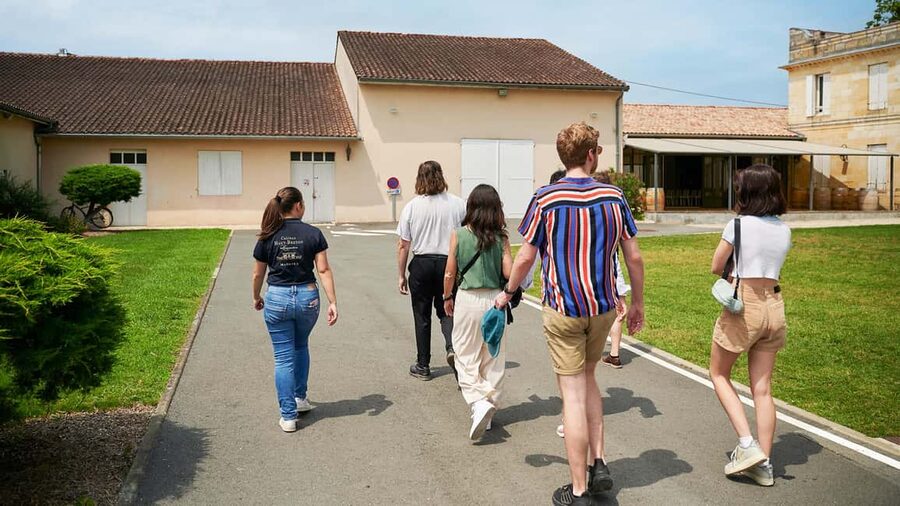
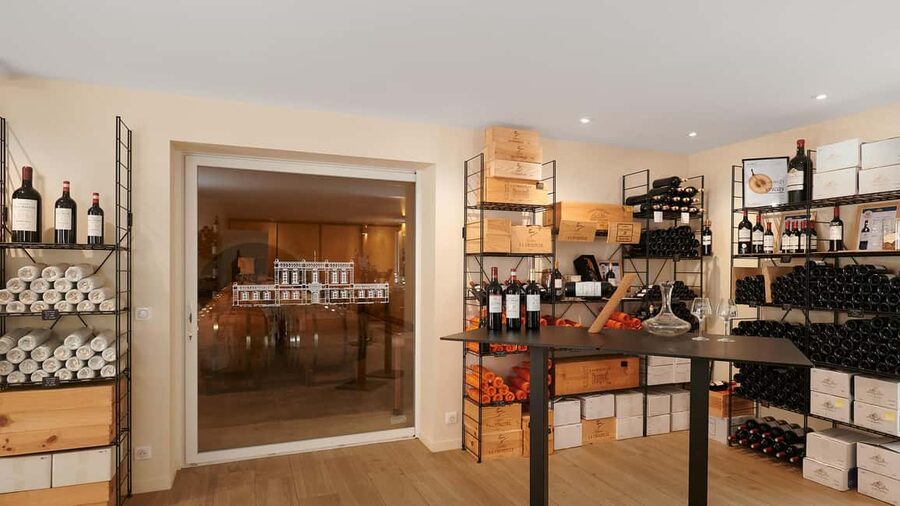
The tour begins in the château shop, which is also where you can make additional purchases if you wish. Those purchases are not included in the $17 price, so think of the tasting as the main experience and the shop as an optional extra.
This starting point keeps things simple. You do not need to work out a separate meeting location inside the property. Arriving a few minutes before the start also matters because the group is limited to 10 people, and a small tour works best when everyone is ready together.
The tour is available in French and English. If you are not comfortable in either language, some content may be shown in its original language, so it is worth checking your comfort level before booking.
Following the De Schepper family story
The first part of the experience introduces the De Schepper family and its three generations of vine cultivation. I value this kind of background because it gives the production rooms a human context. You are not just looking at tanks and barrels. You are hearing how one family has continued its work on the same estate.
The supplied information does not give a detailed family timeline, so you should not expect a long historical lecture. Instead, this section appears designed to set up the practical part of the tour: how the estate handles its wine from the harvest through bottling.
That focus should suit you if you are new to Bordeaux wine. You can ask about the family, the appellation, and the winemaking stages as they come up. If you already know Bordeaux well, you may find the family introduction fairly brief, but the production areas and tasting still give the visit purpose.
Seeing the vat room and barrel cellar
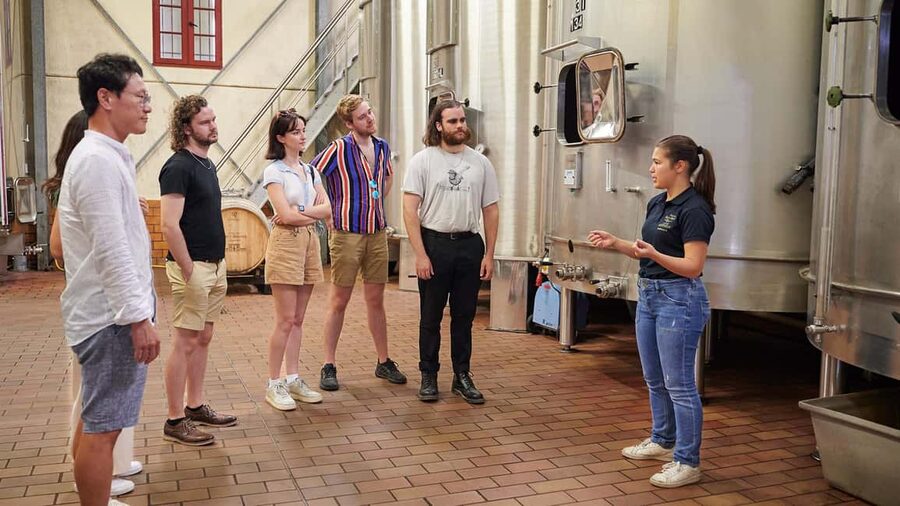
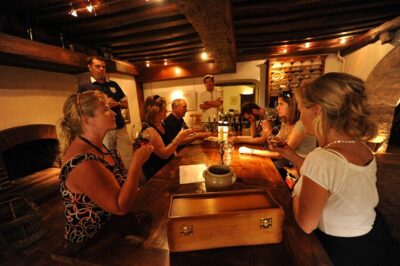
The tour includes the traditional vat room and barrel cellar. These are the most important physical stops because they show where the wine changes from grape juice into a finished wine ready for the bottle.
In the vat room, your guide explains the production process and the role of each stage. The available information does not specify the exact equipment or the season’s current activity, so I would keep expectations sensible. You are getting an introduction to the room and its purpose, not a guarantee of seeing harvest work in progress.
The barrel cellar offers a different part of the story. Here, the emphasis is on the wine’s development and the care required before bottling. Your guide is meant to explain the details rather than leave you to guess what you are seeing. That is useful for anyone who can taste wine but wants a clearer grasp of how cellar work shapes the final result.
This part also gives the tour some substance. A tasting alone can be pleasant but short on context. Seeing the rooms first helps you connect the aromas and flavors in the glass with the estate’s production process.
Same wine country, a different gate to drive through:
- Bordeaux: Vineyards Wine Tasting Half-Day Trip
★ 4.2 · 470 reviews - Half-Day Wine tour across Bordeaux’s Vineyards
★ 3.5 · 429 reviews - Saint-Émilion: Vineyard Walking Tour and Tasting
★ 5.0 · 404 reviews - Small-Group Full-Day Tour of Côte de Nuits, Côte de Beaune Vineyards and Beaune Historical District
★ 5.0 · 364 reviews
The four-wine tasting
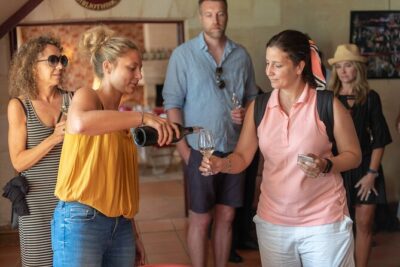
The experience finishes with a guided tasting of four wines selected by the estate’s experts. Each wine is discussed by the guide, with attention to aromas and winemaking details.
Four wines is a sensible number for a one-hour visit. You get enough comparison to notice differences without turning the tasting into a rushed sequence of samples. I like that the tasting is described as guided rather than simply served. The point is not only to drink the wine, but to understand what you are tasting.
Recent guide feedback gives a useful picture of the best version of this part. Thomas was praised for clear and instructive explanations. Orane was described as passionate, with excellent English, and her selection of wines was considered interesting and enjoyable. Martins was singled out as the strongest part of another tour, while an English-speaking guide was praised for being clear and easy to follow.
Those names do not guarantee who will lead your visit. Still, they suggest that the guide can make a real difference. A good guide helps you notice aromas and gives you a simple framework for comparing the four glasses. A less engaging delivery may feel more like a memorized script. One recent booking had exactly that complaint, describing the explanation as too school-like and lacking passion.
For that reason, I would treat the tasting as educational first and leisurely second. You should have time to taste and ask questions, but this is not presented as a long food-and-wine pairing session. No food pairing is listed, so do not book expecting a meal or a selection of local snacks.
What $17 gets you
At $17 per person, this is good value if you want a short introduction to a Margaux estate. You receive a guided estate visit, access to the vat room and barrel cellar, and four explained wines. The small group adds value because the guide can speak to a manageable number of people.
The price is especially reasonable for a visitor already spending time in the Margaux area. You get a focused activity without committing half a day. It can fit neatly between other plans, provided the available start time works for you.
The value is less obvious if you are mainly looking for a grand architectural visit or a long tasting. The experience is only one hour, and the central attraction is the winemaking process. I would choose it for practical wine knowledge, not for a large-scale château spectacle.
Additional purchases at the shop cost extra. That is standard, but set your budget before you arrive if you are likely to want a bottle. The tour fee covers the guided visit and tasting, not anything you buy afterward.
Group size, languages, and access
A maximum of 10 participants is one of the strongest practical features. In a smaller group, you have a better chance of hearing the explanations clearly and asking about a wine or production stage. It also makes the visit feel more personal than a large coach-group stop.
French and English are offered. The recent English-language feedback is encouraging, with clear explanations and strong English noted for several guides. Still, because guide assignments can change, your experience may vary in tone and detail.
The château is wheelchair accessible. That is useful information for visitors who need step-free access, though the supplied details do not describe every surface, restroom, or route inside the property. If you have specific mobility needs, confirm the practical layout before booking.
This experience is not suitable for children under 18. The restriction applies to the activity, including the tasting, so it is aimed at adult wine drinkers.
How to make the most of one hour
Arrive at the boutique five minutes early. That gives you time to find the meeting point and begin with the group without a rushed start.
I would also arrive with two or three questions in mind. You might ask how the estate’s family story connects to its current wines, what happens in the vat room, or how the four wines differ. A small group is most valuable when you use the chance to speak with the guide.
Pay attention during the cellar visit, even if you are mainly interested in tasting. The explanations about harvest, production, and bottling provide the context that makes the four wines easier to compare.
If you do not speak French or English, check the language details carefully. Some content is presented in its original language, so the tour may not be equally easy to follow for everyone.
Who should book this Margaux estate visit?
I would recommend this for adults who want a short, affordable introduction to Bordeaux wine. It suits first-time wine visitors particularly well because the route is easy to understand: family background, production rooms, then tasting.
It also works for experienced wine drinkers who prefer a small group and a focused visit. You may not learn every technical detail of Margaux production in an hour, but you can ask sharper questions and compare four wines in a useful setting.
The tour is less suited to you if you want a full-day vineyard outing, a food pairing, or an elaborate château tour. It is also not an option for families traveling with children under 18.
The guide matters here more than on some sightseeing tours. The strongest experiences appear to come from guides who explain clearly and bring personal interest to the subject. If your guide is less expressive, the material may feel rehearsed. That is the main reason to keep your expectations balanced despite the very strong overall rating of 4.8 from 12 bookings.
Should you book it?
Book this tour if you want four wines, a small group, and a practical look at a family estate for $17. The vat room and barrel cellar give the tasting useful context, and the French or English format makes it accessible to many visitors.
I would skip it only if you need a longer, more elaborate wine program or a guaranteed named guide. For most adults already exploring Margaux, the low price, short duration, and clear route make this an easy experience to fit into your day.
FAQ
Where does the Margaux wine tour begin?
The tour begins at the Château Haut-Breton Larigaudière boutique.
How long does the experience last?
The guided visit and tasting last one hour.
How many wines are included?
The experience includes a guided tasting of four wines.
What parts of the estate will I see?
You will visit the estate, including the traditional vat room and barrel cellar, and learn about the process from grape harvest to bottling.
Is the tour available in English?
Yes. The tour is offered in French and English.
How large is the group?
The group is limited to 10 participants.
Are children allowed?
No. The activity is not suitable for children under 18.
Is the château wheelchair accessible?
Yes, the activity is listed as wheelchair accessible.
Can I cancel the booking?
You can cancel up to 24 hours before the activity for a full refund. You can also reserve now and pay later, keeping your plans flexible.
Just listed around France
- Vosne-Romanée: Private Vineyards Walking Tour with Tasting★ 4.4 · 9 reviews
- Vineyard of the Alpilles by bike★ 4.6 · 8 reviews
- Vineyard tour and wine tasting in Davron★ 4.5 · 7 reviews
- Vineyard visit in Gyropode, visit of Cave & Tasting Wines of Bandol★ 5.0 · 19 reviews
- Private Vineyard Tour and Wine Tasting in Bandol★ 5.0 · 16 reviews
- Horse riding in the vineyards of Grimaud + wine tasting★ 5.0 · 3 reviews
- Bike ride on the Wine Route from Sélestat★ 5.0 · 5 reviews
- 1/2 day private Vintage tour, vineyards of Saint-Tropez★ 5.0 · 6 reviews
France Vineyard Tours, compared.
Saint Emilion Half-Day Trip with Wine Tasting & Winery Visit from Bordeaux
Read our review →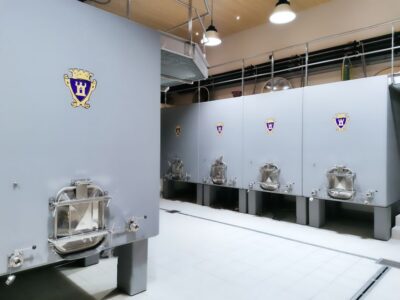
Small-Group Full-Day Tour of Côte de Nuits, Côte de Beaune Vineyards and Beaune Historical District
Read our review →
Browse the lists this tour appears in