
REVIEW · FRANCE VINEYARD TOURS
Loire Valley: Vouvray Vineyard Tour and Wine Tasting
Vouvray wine is not made only in the bottle. It begins in the chalky soil, continues through careful vineyard work, and ends in cool limestone caves cut into the hillsides. This tour lets you follow that whole path in one small-group visit, with a family winemaker’s wife, Myriam, guiding you through the process.
I like the vineyard walk, where you learn how the French appellation system shapes what can be grown and made. I also like the generous tasting: six wines arrive with Loire fish rillettes, charcuterie, cheeses, and local desserts. The main drawback is practical: the vineyard paths and rock-hewn cellar make this a poor choice if you have limited mobility.
Key points at a glance
- A true vine-to-wine visit: Walk from the vineyard to the pressing and cellar areas, rather than stopping at a tasting room.
- A family winery since 1973: Learn about a working estate owned by the guide’s parents-in-law.
- Six wines in different styles: Taste sparkling white and rosé, along with dry and sweet white wines.
- A hand-cut limestone cellar: See the type of underground space that gives Vouvray wine country its special character.
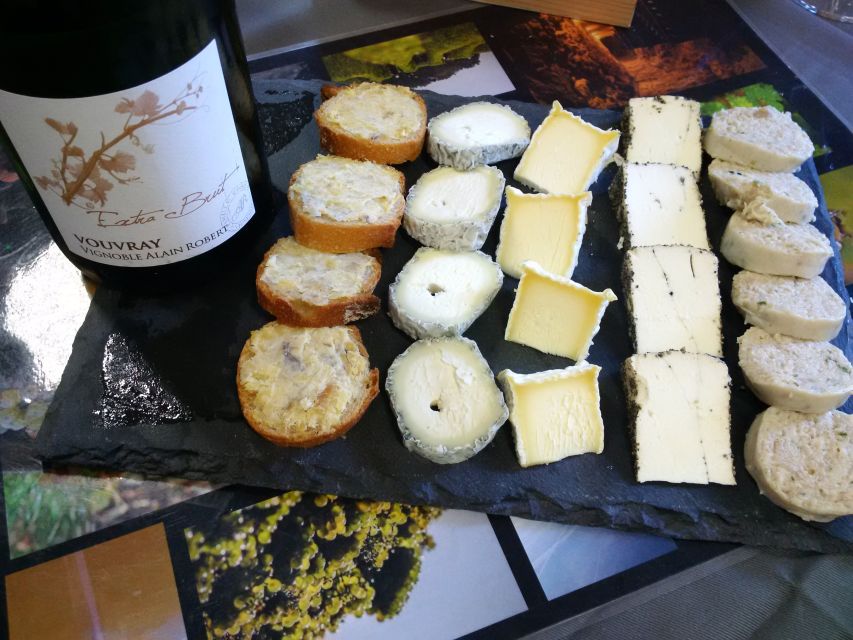
- Food is part of the lesson: Loire fish rillettes, cured meats, cheeses, and desserts help you understand how the wines work at the table.
- Easy to plan by car: The meeting point is Vignoble Alain Robert in Chançay, with parking on the square or grass opposite the winery.
Why this Vouvray tour feels different
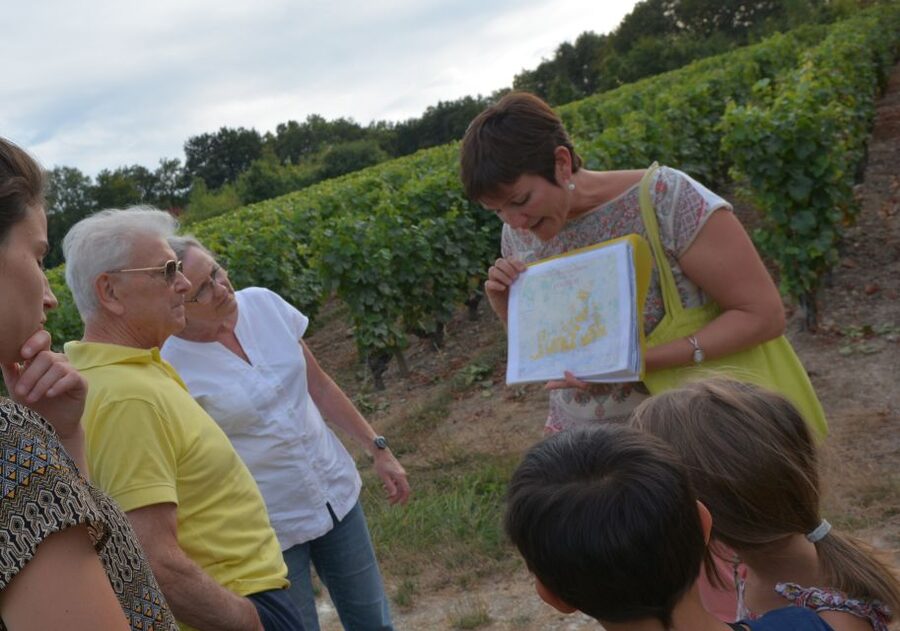
Many wine visits begin and end around a table. This one starts outside, among the vines, and asks you to pay attention to the work that comes before the cork is pulled. That makes the tasting more useful. You are not simply trying six unrelated glasses. You are learning why the wines differ and how the local ground, grape growing, and cellar methods affect the result.
The setting is Chançay, a village at the heart of the Vouvray appellation in the Loire Valley. The winery is Vignoble Alain Robert, a family-owned estate with roots reaching back to 1973. You meet the winemaker’s wife, who leads the visit in English or French and explains the family business from a personal point of view.
That family connection matters. You get a sense of wine as a year-round job, not a polished product that appears only at harvest. The guide explains how the vines are tended through the seasons, how harvest grapes move into the winery, and how different methods produce still and sparkling wines.
The tour lasts three hours. That is enough time for a proper introduction to the vineyards, a cellar visit, and a relaxed tasting without turning the outing into a full-day commitment. With a maximum of 14 people, the group is small enough for questions, though it is still a group tour rather than a private appointment.
More vineyard visits around France:
- Saint-Émilion: Grand Cru Classé Winery Visit and Tasting
★ 4.6 · 1,118 reviews - Saint Emilion Half-Day Trip with Wine Tasting & Winery Visit from Bordeaux
★ 4.5 · 1,034 reviews - Saint-Émilion: Bordeaux Vineyard Tour and Wine Tasting
★ 4.8 · 578 reviews
Walking the Vouvray vines
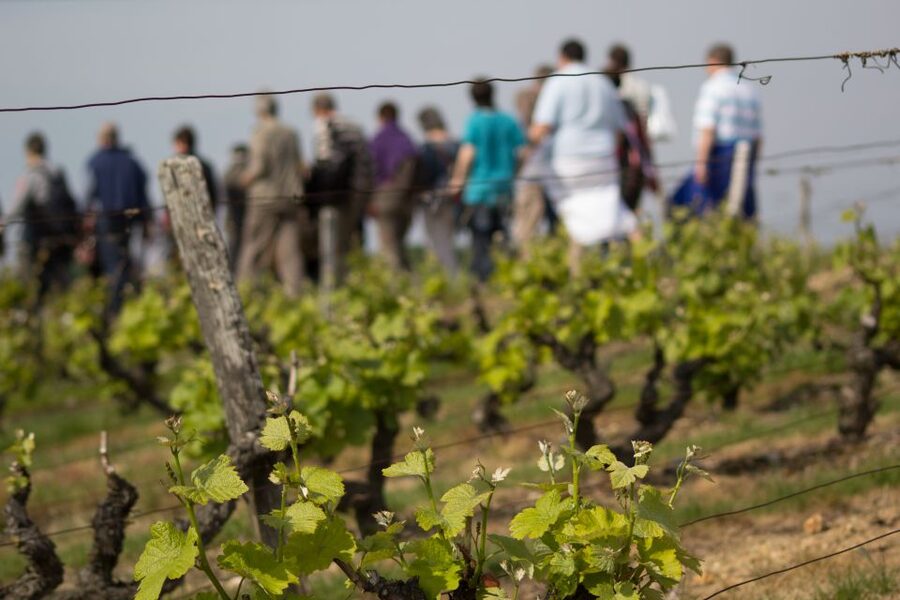
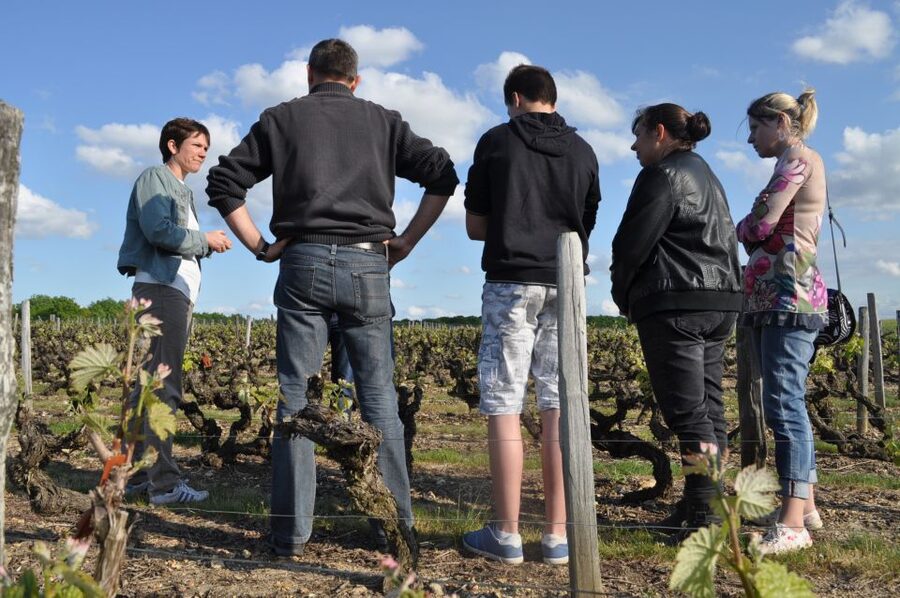
The vineyard walk is the best place to begin because it gives you a working picture of Vouvray before you taste the finished wine. Your guide explains the French appellation system, including the strict rules that govern a named wine region. These rules are not just paperwork. They influence what may be planted, how the grapes are grown, and how the wine can be made and sold.
You also learn about vine-growing through the year. The supplied details do not promise a particular season’s work, so you will not necessarily see pruning, flowering, or harvest activity during your visit. You will, however, hear how those stages fit together and how the grower cares for the vines across the calendar.
The walk also introduces the local terroirs. In wine language, terroir covers the soil, slope, exposure, and other conditions that shape the grapes. In Vouvray, the chalky rock is especially important because it is also the material in which local cellars were cut. The guide connects the vineyards above ground with the caves below, giving you a physical sense of how the region’s wine culture developed.
You should wear comfortable shoes. The tour is not recommended for people with mobility impairments, and that warning matters here. Vineyard paths can be uneven, and a rock-hewn cellar is not the same as a level modern tasting room. Bring a jacket too, since underground spaces can feel cool even when the afternoon outside is warm.
Following the grapes from harvest to cellar
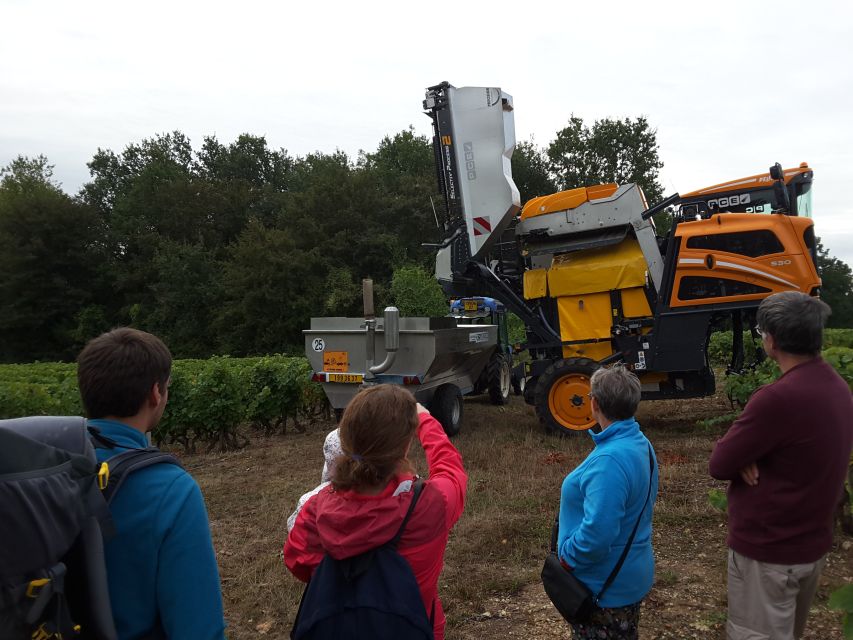
After the vineyard, the route follows the grapes toward the winery. You learn how the fruit is pressed and how winemaking choices change the final drink. This part is useful for anyone who enjoys wine but finds technical explanations hard to follow. The guide presents the process in the order it happens, from grape to finished bottle.
The winery visit also gives the family business a human scale. You hear about an estate owned by the guide’s parents-in-law since 1973 and see the places where the wine is handled. It is a more direct introduction to production than a large commercial tour can usually offer.
A major subject is the traditional method used for the famous sparkling wines of Vouvray. The tour does not treat sparkling wine as a separate, mysterious category. Instead, it shows how the local method fits into the wider process and why the region is known for more than one style.
That range is important. Vouvray can produce sparkling wines, but the area is also associated with dry and sweet white wines. The tasting helps you compare those styles side by side. You can pay attention to sweetness, freshness, bubbles, and the way each wine changes with food.
Inside the hand-cut limestone cellar
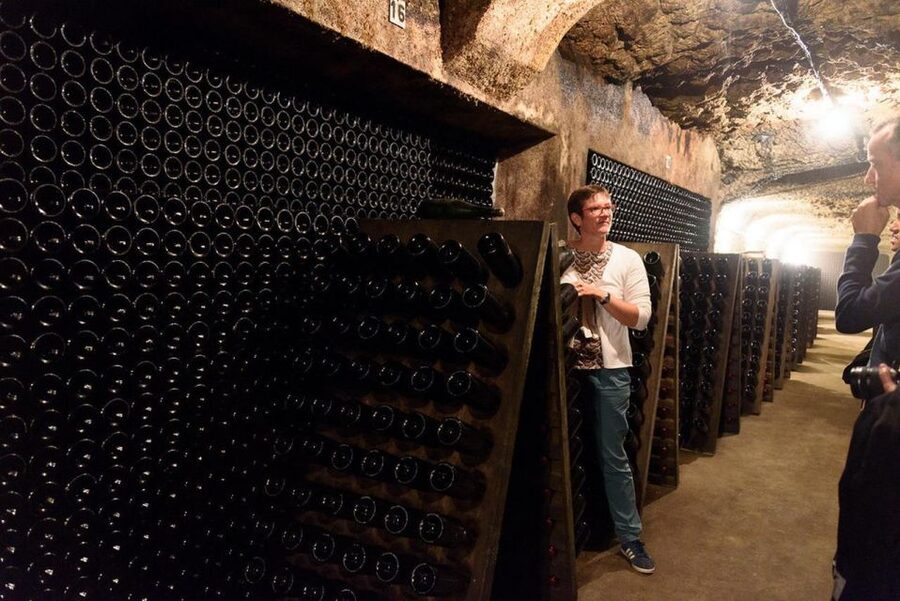
The rock-hewn cellar is one of the most distinctive stops. The cave was dug by the family, and its walls provide a clear reminder that Vouvray is a place where wine and geology are closely linked. You are not just looking at storage racks in a modern room. You are entering a space shaped from the local rock.
The cellar can also make the winemaking story easier to picture. After hearing about the vineyard and pressing, you see where the wines rest in a cool underground setting. The experience gives the tour a strong sense of place, which is hard to replicate in a generic tasting bar.
There is a practical tradeoff. Uneven ground and limited mobility can make this section difficult. If you need step-free access or have trouble walking on irregular surfaces, this is not the right activity. The tour’s own guidance is clear on that point, so take it seriously when deciding.
For everyone else, bring a light jacket. The advice is simple but useful. A cool cellar can be a surprise after a sunny vineyard walk, and you will enjoy the visit more if you are comfortable.
Same wine country, a different gate to drive through:
- Bordeaux: Vineyards Wine Tasting Half-Day Trip
★ 4.2 · 470 reviews - Half-Day Wine tour across Bordeaux’s Vineyards
★ 3.5 · 429 reviews - Saint-Émilion: Vineyard Walking Tour and Tasting
★ 5.0 · 404 reviews - Small-Group Full-Day Tour of Côte de Nuits, Côte de Beaune Vineyards and Beaune Historical District
★ 5.0 · 364 reviews
Six wines with a Loire Valley food table
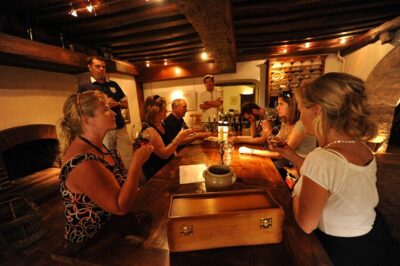
The final tasting includes six wines made at the winery. The selection covers sparkling white and rosé, as well as dry and sweet white wines. That mix gives you a better picture of Vouvray than a tasting focused on one house style.
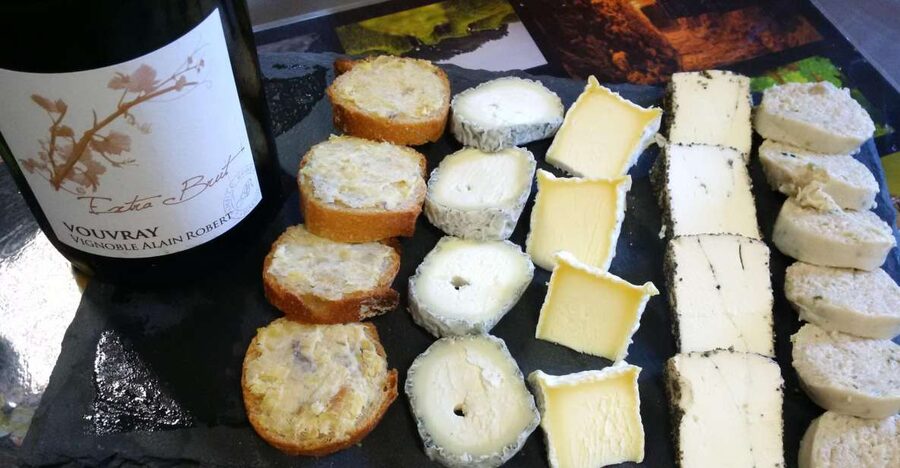
The food is a real part of the experience, not a token bowl of crackers. You taste Loire fish rillettes, charcuterie, cheeses, and local desserts with the wines. These pairings show how the bottles fit into everyday regional eating. A wine that seems sharp or sweet by itself may make more sense beside fish, cured meat, cheese, or dessert.
I especially like the way this setup turns tasting into a practical skill. You can compare the wines, try them with different foods, and decide which combinations work for your own palate. If you are new to wine, the food gives you familiar reference points. If you already know your way around a tasting glass, the range lets you focus on regional style and balance.
The food also makes the $68 price easier to assess. You are paying for a three-hour guided visit, vineyard instruction, winery access, a limestone cellar, six wines, and a substantial spread of regional specialties. That is strong value if you want more than a short pour-and-purchase stop.
The price is less compelling if your main goal is simply to drink wine. You could find a cheaper tasting elsewhere, but it would not necessarily include the walk, production explanation, cellar, and food. I would treat this as a compact wine education experience with lunch-like elements, not just a tasting flight.
A guide with a family connection
The guide is the wife of the winemaker and part of the family story behind the estate. The name Myriam appears in the experience feedback, and one French-language comment specifically describes spending a very pleasant and informative time with her. She leads in English and French.
That personal role shapes the tone of the visit. You are hearing about the winery from someone connected to its daily life, not from a guide giving a general speech about the Loire Valley. The focus stays close to the family estate, its vineyards, and its cellar.
The strongest praise centers on the guide’s explanations. The feedback describes the information as detailed, and one comment singles out the guide’s expertise. Another describes the three hours as a complete walk from vine to wine. That matches the structure of the experience: the guide does not rush straight to the bottles but builds the story in stages.
You should still remember that this is a small-group tour, not a one-on-one wine consultation. A group of up to 14 can feel friendly and manageable, but the pace and questions will be shared. If you want a private tasting tailored to a narrow interest, this may feel less focused.
Getting there and planning the visit
You make your own way to Vignoble Alain Robert in Chançay. Hotel pickup and drop-off are not included, so you need to arrange transportation to and from the winery yourself. The meeting point has parking on the village square or on the grass opposite the entrance.
That setup works best if you have a car and are touring the Loire Valley independently. It is less convenient if you are based in a city without a straightforward way to reach Chançay. The experience information does not include a transfer service, so do not assume a hotel shuttle or regional pickup is part of the booking.
Check the available start times before you plan the rest of your day. The visit takes three hours, and the actual starting time depends on availability. A morning or afternoon slot can work well alongside other Loire Valley stops, but allow enough time for the full vineyard, cellar, and tasting sequence.
The activity offers free cancellation up to 24 hours before the start time. You can also reserve and pay later, which helps if your route through France is still changing. Those policies are useful, but the central planning question is still transport. Secure your way to Chançay first.
Who will get the most from it
I would choose this tour if you want to understand how Vouvray wine is made rather than simply sample it. It suits curious drinkers, couples, small groups of friends, and anyone interested in the link between local food, geology, and farming.
It is also a good pick for visitors who want a personal family winery rather than a large visitor center. The guide’s connection to the estate gives the tour a direct, lived-in quality. You learn about the winery’s history since 1973 while standing in the vineyards and cellar that define its work.
This may not suit you if you dislike walking, have limited mobility, or want a quick tasting with no background explanation. The three-hour length is a benefit for people who want detail, but it may feel long if wine is only a minor interest during your Loire trip.
The English and French guide options make it accessible to a broad audience. Still, ask questions during the tour. The experience has enough technical material about appellation rules, terroir, and sparkling wine methods that active participation will make it more rewarding.
Should you book the Vouvray vineyard tour?
Book it if you can reach Chançay and want a well-rounded introduction to Vouvray. The strongest reasons are the order of the visit, the family setting, the limestone cellar, and the six wines served with real Loire specialties.
At $68, the value is good for a three-hour experience that combines a guided vineyard walk, production visit, cellar tour, wine tasting, and food. I would not book it for a simple drink stop, and I would avoid it if uneven paths or cellar access will be difficult.
For the right visitor, this is a thoughtful way to meet Vouvray: start with the soil, follow the grapes, step underground, and finish at the table. That sequence gives you something useful to remember each time you open a Loire bottle afterward.
FAQ
Where does the Vouvray vineyard tour begin?
The tour begins at Vignoble Alain Robert in Chançay, in the Loire Valley.
How long does the experience last?
The experience lasts three hours.
How much does the tour cost?
The listed price is $68 per person.
What wines are included in the tasting?
You taste six wines made at the winery, including sparkling white, sparkling rosé, dry white, and sweet white wines.
What food is served with the wine?
The tasting includes Loire fish rillettes, charcuterie, cheeses, and local desserts.
Is the tour available in English?
Yes. The live guide speaks English and French.
How large is the tour group?
The tour is limited to a maximum of 14 people.
Is transportation to the winery included?
No. You must arrange your own transportation. Hotel pickup and drop-off are not included.
Where can I park?
You can park on the village square or on the grass opposite the entrance to the winery.
Is the tour suitable for people with limited mobility?
No. The tour is not recommended for people with mobility impairments because it includes a vineyard walk and a rock-hewn cellar.
What should I bring?
Wear comfortable shoes and bring a jacket.
Can I cancel the booking?
Yes. You can cancel up to 24 hours in advance for a full refund. You can also reserve now and pay later.
Just listed around France
- Vosne-Romanée: Private Vineyards Walking Tour with Tasting★ 4.4 · 9 reviews
- Vineyard of the Alpilles by bike★ 4.6 · 8 reviews
- Vineyard tour and wine tasting in Davron★ 4.5 · 7 reviews
- Vineyard visit in Gyropode, visit of Cave & Tasting Wines of Bandol★ 5.0 · 19 reviews
- Private Vineyard Tour and Wine Tasting in Bandol★ 5.0 · 16 reviews
- Horse riding in the vineyards of Grimaud + wine tasting★ 5.0 · 3 reviews
- Bike ride on the Wine Route from Sélestat★ 5.0 · 5 reviews
- 1/2 day private Vintage tour, vineyards of Saint-Tropez★ 5.0 · 6 reviews
France Vineyard Tours, compared.
Saint Emilion Half-Day Trip with Wine Tasting & Winery Visit from Bordeaux
Read our review →
Small-Group Full-Day Tour of Côte de Nuits, Côte de Beaune Vineyards and Beaune Historical District
Read our review →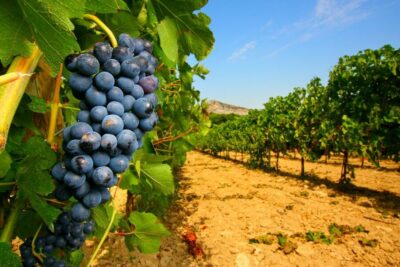
Browse the lists this tour appears in