
REVIEW · FRANCE VINEYARD TOURS
Kaysersberg Vineyard Discover the vineyard and wine, Domaine Meyer-Krumb
The most appealing part of this visit is its close look at how an independent Alsatian wine estate works. Aurélie and Pierre-Emmanuel guide you from the Jardin des Vignes to the cellar, then finish with a tasting that connects the vines to the bottles.
I like the 20-minute vineyard stop, where grape varieties, soil, climate, and environmentally friendly practices are explained in plain terms. I also like the family scale: you get a direct conversation with the winegrowers, plus grape juice for children. The main limitation is time. One hour gives you a useful introduction, not a slow, full afternoon among the vines.
Key points to know
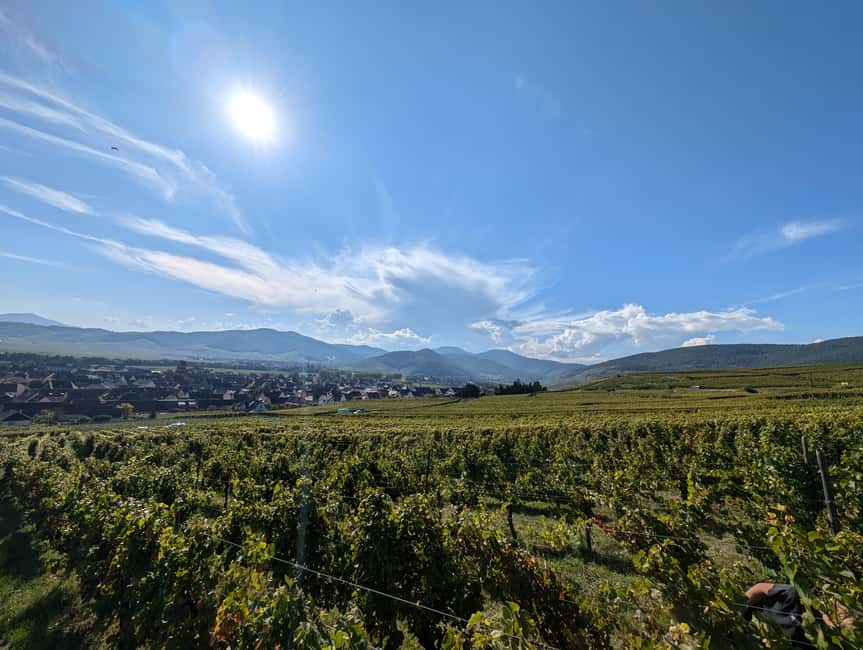
- A 20-minute Vineyard Garden visit introduces Alsace grape varieties, terroir, climate, and greener wine-making methods.
- Aurélie and Pierre-Emmanuel lead the visit, giving it a personal, independent-winemaker feel.
- The cellar tour follows the wine from harvest to bottle, including fermentation, aging, and bottling.
- The final tasting lasts 20 minutes and features wines from the Meyer-Krumb estate.
- Children receive grape juice, making the visit easier for families.
- The winery sits on the Alsace Wine Route at the exit of Sigolsheim, in a pink house and yellow house.
Alsace wine can seem simple at first glance: pretty villages, neat rows of vines, and tasting rooms along the road. The useful part of this visit is that it gets behind the bottle. At Domaine Meyer-Krumb, you learn how soil, weather, grape choice, harvest, fermentation, aging, and bottling fit together.
That makes this a good choice if you want more than a quick sip at a counter. You are not just handed a glass and sent on your way. The visit connects the vineyard, cellar, and tasting table in a clear one-hour sequence.
You should also set your expectations correctly. This is a compact introduction, not a long estate tour or a full wine course. At $11 per person, the price is modest, and the visit earns its value through direct contact with the people who grow the grapes and make the wine.
Finding the winery near Sigolsheim
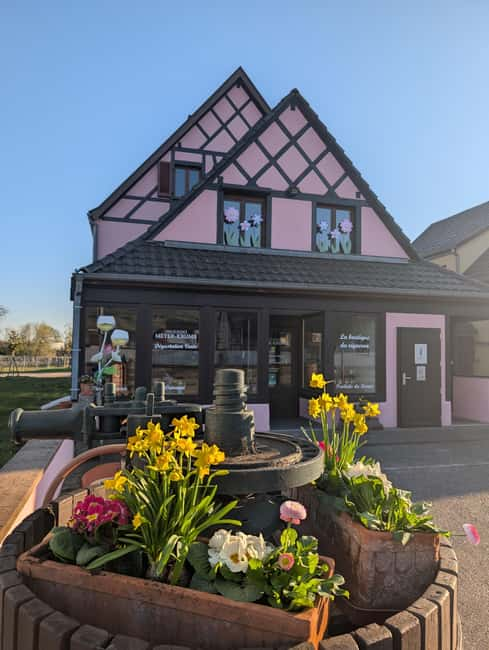
The meeting point is 9 Rte des Vins, directly on the Alsace Wine Route. The winery is at the exit of the village of Sigolsheim, marked by a pink house and a yellow house.
That description matters because a small family winery can be easier to miss than a large commercial attraction. Keep the address available, and look for the two colored houses rather than expecting a grand entrance or a large visitor complex.
The setting places you in the working wine country of Grand Est, France. You begin and end at the same location, so the hour fits neatly into a day spent exploring villages and vineyards along the route.
No transport is included, and the experience does not describe a transfer from another town. You will need to make your own way to the winery. For a self-guided driving day through Alsace, that is straightforward. If you are relying on public transport, check your route carefully before booking.
More vineyard visits around France:
- Saint-Émilion: Grand Cru Classé Winery Visit and Tasting
★ 4.6 · 1,118 reviews - Saint Emilion Half-Day Trip with Wine Tasting & Winery Visit from Bordeaux
★ 4.5 · 1,034 reviews - Saint-Émilion: Bordeaux Vineyard Tour and Wine Tasting
★ 4.8 · 578 reviews
The Vineyard Garden: 20 minutes among the vines
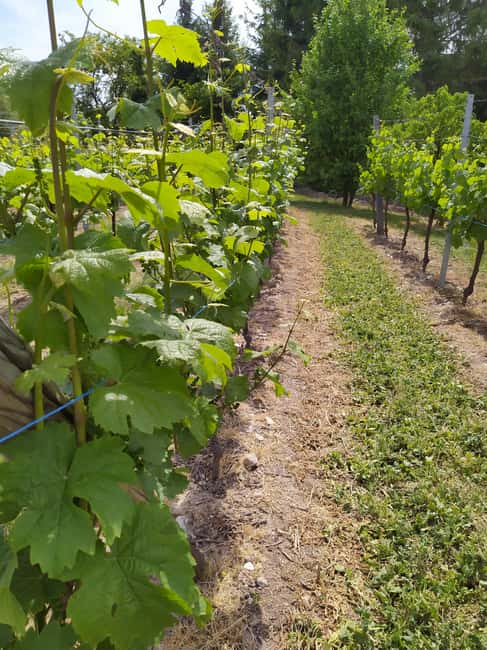
The first part takes place in the Jardin des Vignes, an educational space on the estate. This is not simply a photo stop. The purpose is to help you read the vineyard before you taste the wine.
Aurélie and Pierre-Emmanuel explain the different grape varieties used in Alsace and show how the local terroir affects the finished wine. Terroir can sound like a fancy word, but here it means the combination of growing conditions that shape the grapes, including the soil and climate.
The climate also receives attention. Wine does not come from grapes alone. Sun, temperature, rain, and the timing of the growing season all affect the fruit and the work required in the vineyard. You get a short but useful introduction to those links.
I like this opening because it gives you questions to carry into the tasting. Instead of asking only if you enjoy a particular wine, you can consider how grape variety and growing conditions affect its character.
The Vineyard Garden also introduces the estate’s environmentally friendly practices. The available information does not list every method used on the property, so you should not expect a technical certification tour. What you can expect is an explanation of how these practices form part of the winemaker’s daily work.
Twenty minutes is enough to cover the main ideas, but not enough for a long walk through every parcel. If you want a detailed agricultural lesson, this visit may feel brief. If you want a clear introduction before entering the cellar, the timing works well.
Inside the cellar: following the wine from harvest to bottle
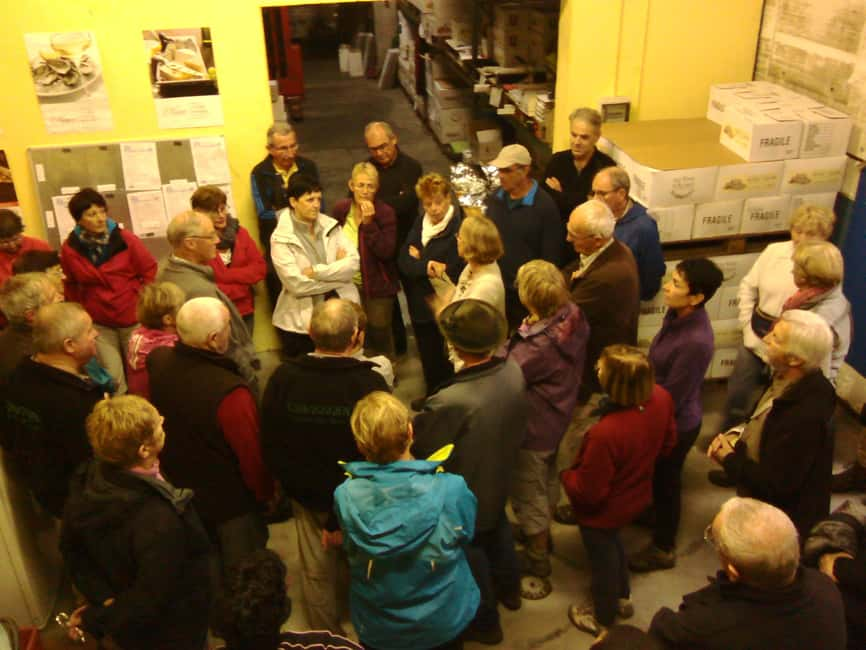
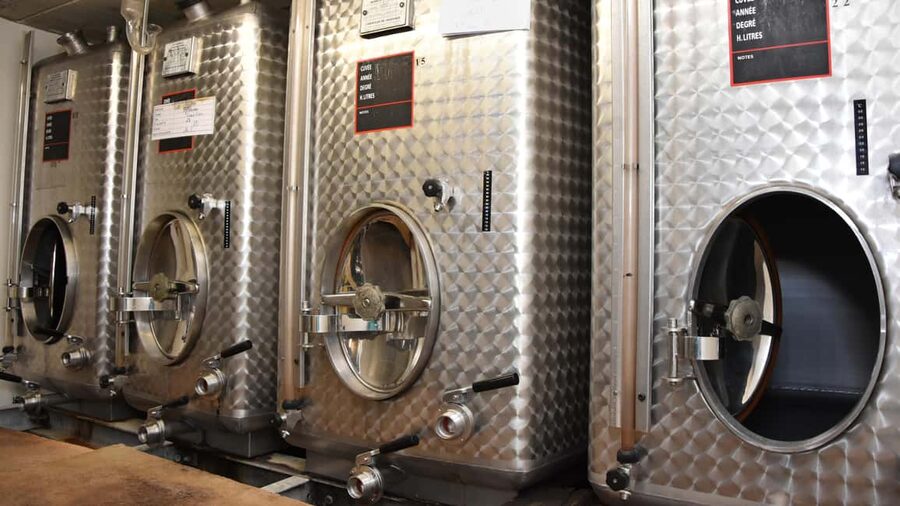
The second 20-minute section moves into the winery. Here, the winemaker explains the full production process, beginning with the arrival of the harvest.
You learn what happens when the grapes reach the estate, then follow the wine through fermentation, aging, and bottling. This order gives the tour a practical rhythm. You see that a bottle of Alsatian wine is the result of several stages, not one mysterious act that happens after the grapes are picked.
Fermentation is an especially useful point for beginners. It is the stage where grape juice becomes wine, and it helps explain why the final drink can have a character very different from fresh fruit. Aging then affects how the wine develops before it is bottled.
The cellar portion also gives you a better sense of the winemaker’s job. It is not only about working outdoors among the vines. It involves decisions at every stage, from receiving the crop to preparing the finished bottles.
The information provided does not promise barrel rooms, underground tunnels, or a large historic cellar, so do not book this expecting those features. The value is in the explanation and the chance to ask questions directly.
That direct access is one of the strongest reasons to choose Domaine Meyer-Krumb over a quick tasting stop. Aurélie and Pierre-Emmanuel are independent winegrowers, and the tour is built around their own work. You get a personal account of the estate’s process rather than a general presentation about Alsace wine.
A 20-minute tasting of Meyer-Krumb wines
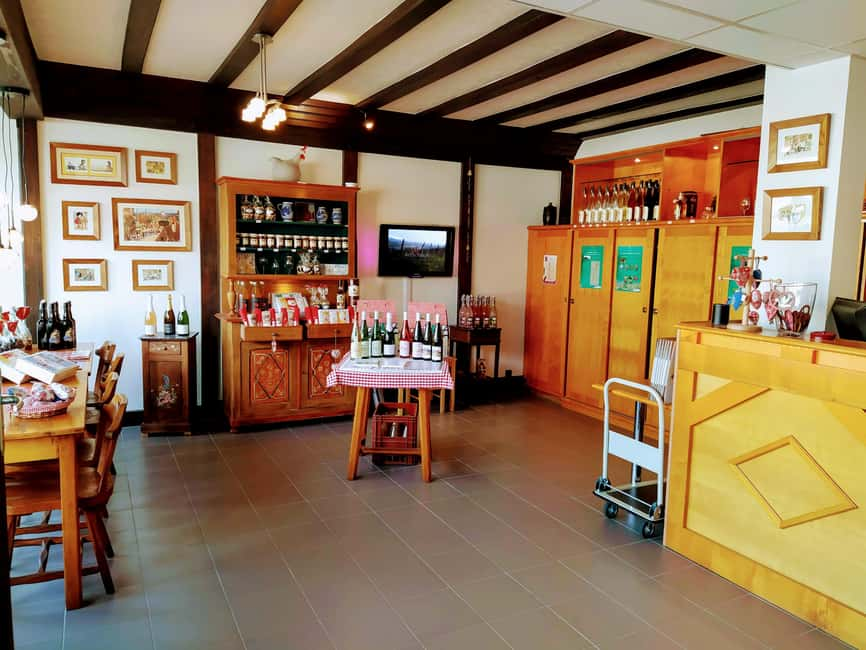
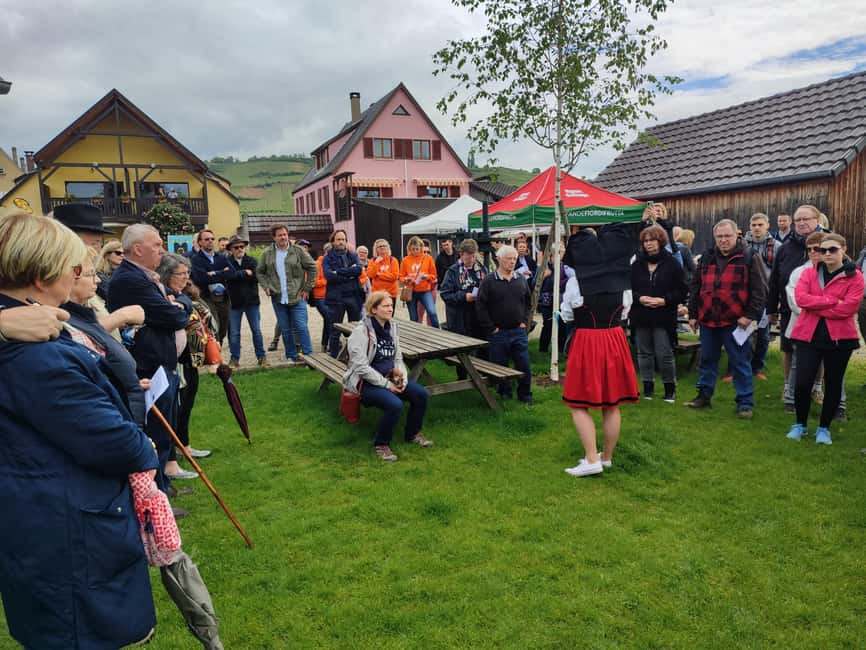
The final part is a tasting of the estate’s Alsatian wines. It lasts about 20 minutes and gives you time to compare different vintages and ask questions.
The tasting is not presented as a formal examination of wine. It is a friendly exchange, which suits the scale of the estate. You can use this part to connect the earlier explanations to what is in your glass.
Pay attention to the differences between the wines, and ask about the grape varieties, the growing conditions, and the production steps you have just heard about. Since the tour has already covered the vineyard and cellar, your questions can be specific rather than general.
At $11, the tasting adds real value. Even if you already know a little about wine, you are receiving three connected parts: an introduction to the vineyard, an explanation of production, and a chance to taste the result. A standalone tasting might be cheaper in some places, but it would not offer the same context.
You should also note that the experience is not designed as a long drinking session. The tasting is one part of a one-hour visit, and the focus is learning about the estate as much as sampling its wines.
For families, grape juice is provided for children. That small detail makes the experience more practical. Children can take part in the final gathering without being left out, while adults taste the estate wines.
Same wine country, a different gate to drive through:
- Bordeaux: Vineyards Wine Tasting Half-Day Trip
★ 4.2 · 470 reviews - Half-Day Wine tour across Bordeaux’s Vineyards
★ 3.5 · 429 reviews - Saint-Émilion: Vineyard Walking Tour and Tasting
★ 5.0 · 404 reviews - Small-Group Full-Day Tour of Côte de Nuits, Côte de Beaune Vineyards and Beaune Historical District
★ 5.0 · 364 reviews
Why the family scale matters
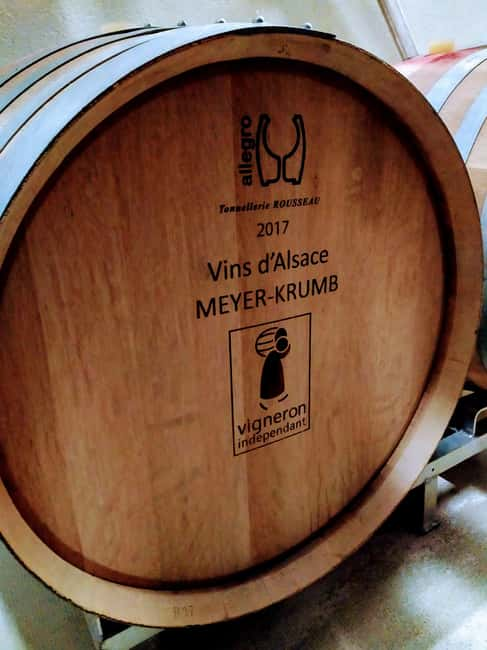
The strongest character of this experience comes from its size. You are meeting winegrowers who share their own work, rather than following a large production-line tour.
That family approach can make the visit feel more personal. You have an opportunity to ask questions, hear about the work in the vineyard, and understand how an independent producer approaches wine-making.
The available feedback repeatedly highlights the warm welcome, good organization, passion, and family atmosphere. One French booking described the visit and tasting as especially well organized, while another praised the cheerful welcome from the winegrowers. A Danish booking also singled out the guide as interesting.
Those comments point to the main strength of the experience: the human side. You are not paying only for access to a cellar. You are paying for an hour with people who are happy to explain their profession.
Of course, a family winery may not have every feature found at a major wine museum or large commercial estate. If you want extensive displays, a long technical lecture, or a choice of many tour times, a larger operation may suit you better. Here, the reward is a direct, friendly visit with a small producer.
Language and the pace of the hour
The live tour is offered in French and English. Some content may be shown in its original language, so English-speaking visitors should be prepared for a bilingual setting rather than assuming every word will be translated in the same way.
For most people, the one-hour format is easy to fit into a busy Alsace day. The timing is divided evenly:
- 20 minutes in the Vineyard Garden
- 20 minutes in the winery
- 20 minutes tasting the estate’s wines
That structure keeps the visit moving. You do not spend most of the hour in one room, and each section has a clear purpose.
The short format also limits the amount of detail. You will learn the main stages of wine production, but you may not cover every grape-growing decision or every bottle in the cellar. I would treat this as a well-organized introduction, then use a longer tasting or another estate visit if wine is a central part of your trip.
Who will get the most from this visit
I would recommend Domaine Meyer-Krumb to several types of visitors.
First-time Alsace wine tasters will appreciate the simple sequence from grape to bottle. You do not need a strong wine vocabulary to follow the visit.
Couples and small groups looking for a personal stop along the Wine Route will find the one-hour length convenient. It leaves room for villages, viewpoints, meals, and other estates.
Families benefit from the grape juice option for children. The visit still centers on wine, but children have a clear place during the tasting.
Wine enthusiasts may enjoy the chance to speak directly with independent producers. Keep in mind that the tour is brief, so those who want advanced technical detail should ask questions during the cellar and tasting portions.
This is less suitable if you want a large attraction with extensive visitor facilities or if you are not interested in how wine is made. The visit is focused squarely on the vineyard, cellar, and tasting.
Value, flexibility, and practical limits
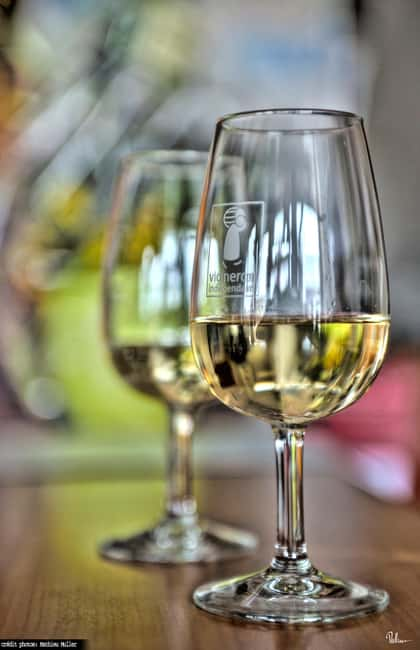
At $11 per person, this is one of the easier Alsace activities to justify. You receive a guided visit with the winemaker, access to the Vineyard Garden, a cellar tour, and a tasting of Alsatian wines. Children receive grape juice, which helps families avoid paying for an experience that only adults can enjoy.
The price is especially fair because the tour is not just a tasting. You get an explanation of the work behind the wine and a chance to ask questions directly.
The one-hour duration keeps the cost and time commitment low, but it also creates the main tradeoff. You will not have time for an extended walk, a long meal, or a broad comparison of every wine made at the estate.
Booking is flexible. You can reserve now and pay later, and you can cancel up to 24 hours in advance for a full refund. Starting times depend on availability, so check the schedule before arranging the rest of your day.
Should you book Domaine Meyer-Krumb?
Book this visit if you want a friendly, affordable introduction to Alsace wine from an independent producer. The combination of the Vineyard Garden, cellar explanation, and estate tasting gives you a useful understanding of what you are drinking.
I would especially choose it for a day along the Wine Route, for families who want a child-friendly tasting stop, or for anyone who prefers a personal conversation with winegrowers over a large commercial presentation.
Skip it if you want a long, highly technical winery tour or a full afternoon devoted to wine. The one-hour format is deliberately compact. For most people, though, that is the point: Domaine Meyer-Krumb offers a clear look at Alsatian wine without taking over your day.
FAQ
Where does the Domaine Meyer-Krumb tour begin?
The tour begins at 9 Rte des Vins, at the winery on the Alsace Wine Route. It is at the exit of the village of Sigolsheim, in a pink house and a yellow house.
How long does the experience last?
The full experience lasts one hour. It includes 20 minutes in the Vineyard Garden, 20 minutes in the winery, and 20 minutes of wine tasting.
Who leads the tour?
Aurélie and Pierre-Emmanuel, passionate winegrowers at Domaine Meyer-Krumb, welcome you and guide the visit.
What languages are available?
The live tour guide speaks French and English. Some content may be shown in its original language.
Is grape juice available for children?
Yes. Grape juice is included for children during the experience.
Can I cancel or pay later?
You can cancel up to 24 hours in advance for a full refund. You can also reserve now and pay later, subject to the booking conditions.
Just listed around France
- Vosne-Romanée: Private Vineyards Walking Tour with Tasting★ 4.4 · 9 reviews
- Vineyard of the Alpilles by bike★ 4.6 · 8 reviews
- Vineyard tour and wine tasting in Davron★ 4.5 · 7 reviews
- Vineyard visit in Gyropode, visit of Cave & Tasting Wines of Bandol★ 5.0 · 19 reviews
- Private Vineyard Tour and Wine Tasting in Bandol★ 5.0 · 16 reviews
- Horse riding in the vineyards of Grimaud + wine tasting★ 5.0 · 3 reviews
- Bike ride on the Wine Route from Sélestat★ 5.0 · 5 reviews
- 1/2 day private Vintage tour, vineyards of Saint-Tropez★ 5.0 · 6 reviews
France Vineyard Tours, compared.
Saint Emilion Half-Day Trip with Wine Tasting & Winery Visit from Bordeaux
Read our review →
Small-Group Full-Day Tour of Côte de Nuits, Côte de Beaune Vineyards and Beaune Historical District
Read our review →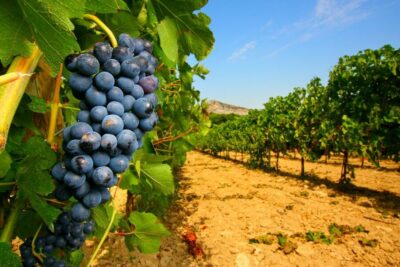
Browse the lists this tour appears in