
REVIEW · FRANCE VINEYARD TOURS
Escapade and tasting in the Chablis vineyards
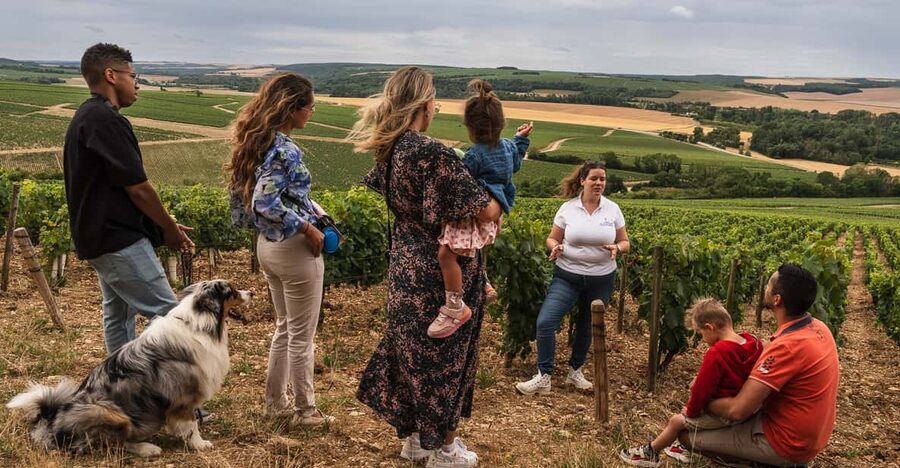
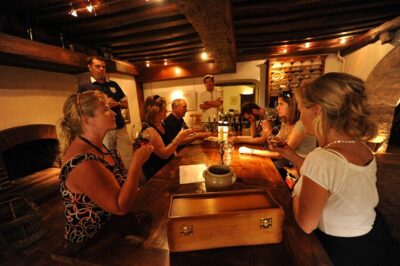
Chablis makes the most sense when you taste it where it grows. This two-hour outing takes you by van through several vineyard plots, stopping to explain the Chablis climats and pouring five wines among the vines. It is part wine lesson, part countryside tour, with gougères, the region’s savory cheese puffs, served along the way.
I like two things right away: the small group, limited to seven people, keeps the conversation personal, and the tasting moves beyond a single bottle of Chablis. You compare White Burgundy, Petit Chablis, Chablis, and Premier Cru wines while seeing the plots that give each one its character.
The main drawback is the short format. Two hours is enough for a clear introduction, but not a long estate visit or a full meal. You also need to be comfortable riding in a van between vineyard stops, and the open-air setting can be damp or chilly in poor weather.
Key points at a glance
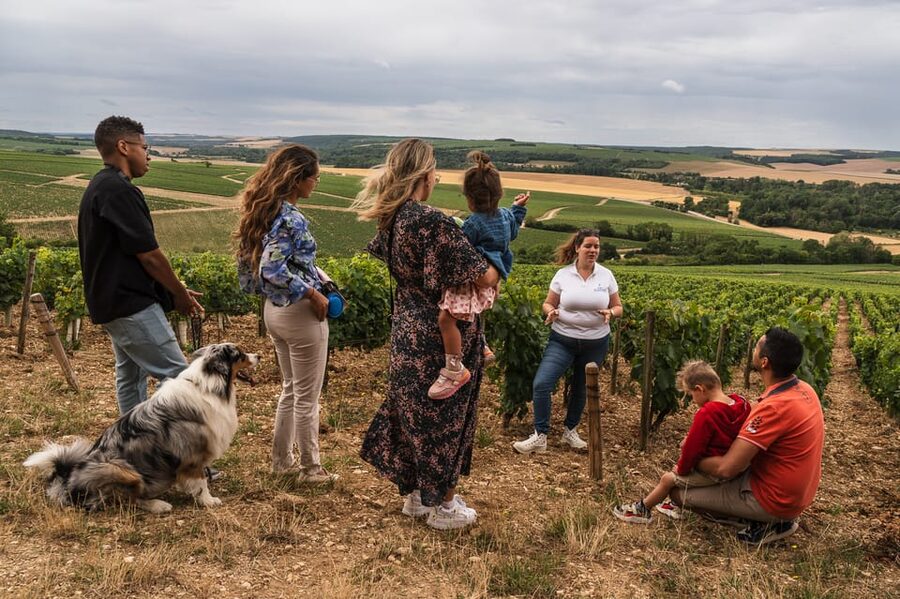
- Five wines among the vines: Taste a range that includes White Burgundy, Petit Chablis, Chablis, and Premier Cru wines.
- Several Chablis climats: See different vineyard plots and connect the names on the bottle with real places in the countryside.
- A seven-person limit: The compact group gives you a better chance to ask questions and follow the guide’s explanations.
- Gougères with the tasting: These light cheese-and-choux pastries add a local bite to the wine stops.
- A van-based route: Pickup begins at the tasting cellar, then the group travels between plots without arranging its own transport.
- French or English guiding: You can take the tour in either language, with the guide explaining vineyard work throughout the year.
Why tasting Chablis in the vineyard matters
Chablis is not just a name on a wine label. It is a place, a set of vineyard areas, and a farming tradition. This tour helps you connect those pieces in a practical way.
From the van, you visit several plots and hear how the winemaker works through the seasons. The focus is not only on drinking wine. You learn about cultivation, the annual work in the vines, and the way different climats help shape the wines you taste.
That setting gives the tasting more meaning. At a cellar, you can compare bottles. Here, you also see the land behind them. You are not expected to arrive with expert wine vocabulary. The explanations are intended to make the subject clear, and the guide takes questions as they come.
The experience also gives you a better sense of scale. You are not being rushed through a large attraction with a crowd. With no more than seven participants, the guide can point out details and adjust the conversation to the group. That matters if you are curious about how vines are tended or why one Chablis label differs from another.
More vineyard visits around France:
- Saint-Émilion: Grand Cru Classé Winery Visit and Tasting
★ 4.6 · 1,118 reviews - Saint Emilion Half-Day Trip with Wine Tasting & Winery Visit from Bordeaux
★ 4.5 · 1,034 reviews - Saint-Émilion: Bordeaux Vineyard Tour and Wine Tasting
★ 4.8 · 578 reviews
From the tasting cellar to the vineyard plots
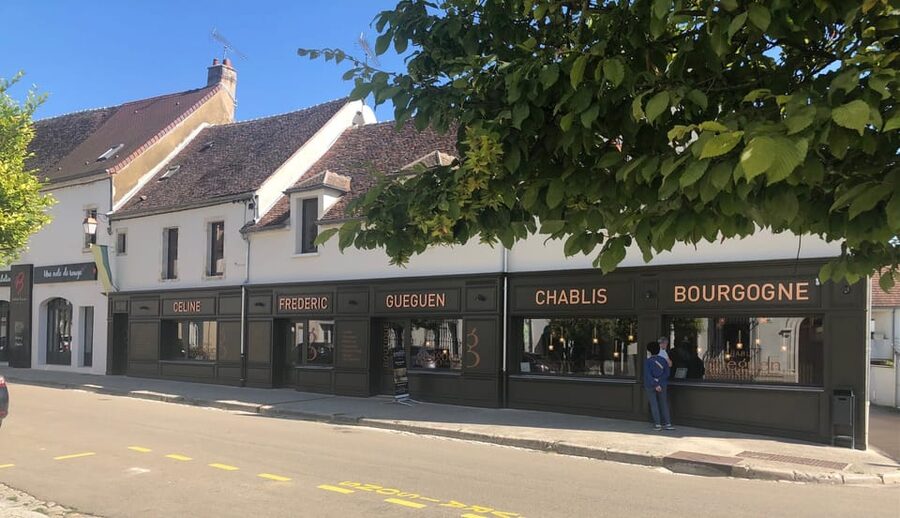
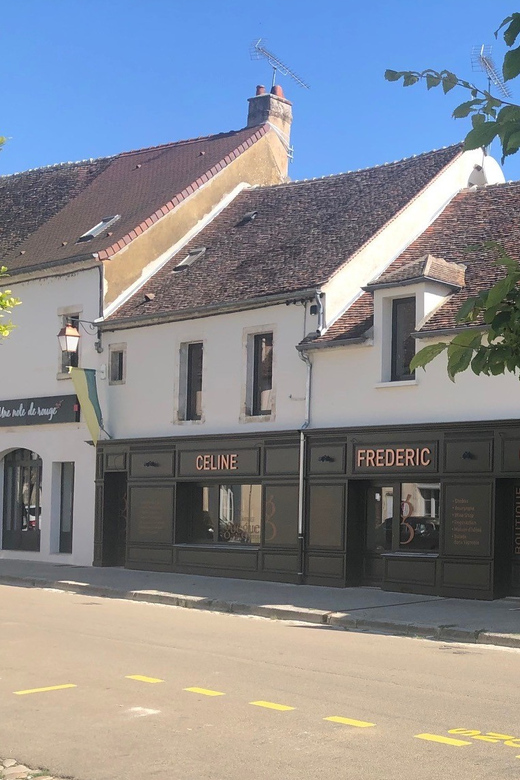
The outing begins with pickup at the tasting cellar of Domaine Céline et Frédéric Gueguen. From there, you get into a van for the short touring route through the vineyards.
The van is a useful part of the plan. Chablis wine areas are spread across the countryside, and walking between several plots would not fit comfortably into a two-hour visit. You get to see more than one area without spending the whole outing on foot or arranging a car yourself.
This is also where you should set your expectations. The tour is not a long hike, a private chauffeured day, or a slow picnic lasting an afternoon. It is a compact route with several stops, designed to give you a clear introduction to the area and its wines.
As you travel, the guide explains the work done by the winemaker during the year. That can include the general cycle of vineyard care and the practical demands of growing grapes, though the exact stops and order may vary. The strongest part of this format is the link between the explanation and the actual plots around you.
Five Chablis wines, tasted in stages
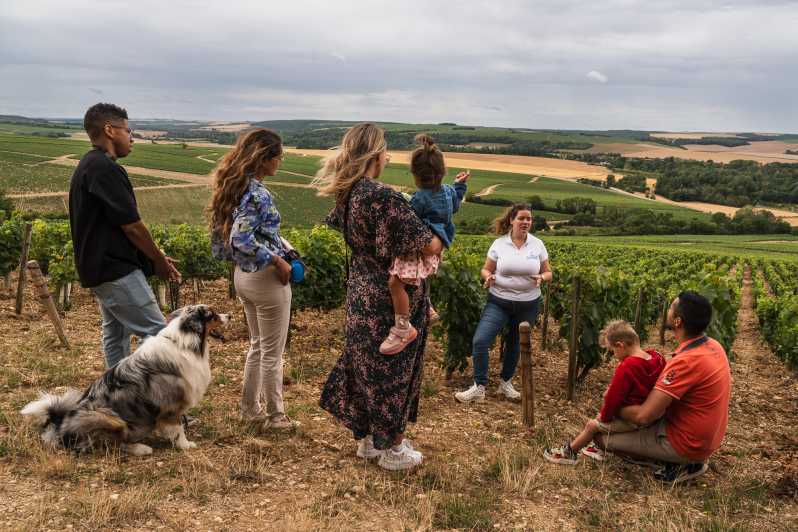
The tasting is spread through the visit rather than saved for one final flight. Several breaks in the van journey are paired with pours of Chablis wines, so each stop becomes part of the lesson.
The selection covers five wines and introduces the main levels named in the activity:
- White Burgundy
- Petit Chablis
- Chablis
- Chablis Premier Cru from the left bank
- Chablis Premier Cru from the right bank
This range is a real strength. If you taste only one Chablis, you may enjoy it without understanding where it sits within the wider family. Comparing several styles helps you notice differences in structure, character, and classification.
The Premier Cru comparison is especially useful. Tasting examples from the left and right banks gives you a direct way to think about how place affects wine. You are not simply memorizing terms. You are tasting across categories while visiting the plots connected to them.
The guide explains the wines in plain language, with room for questions. That makes the tasting suitable for someone who knows little about Burgundy as well as for someone who already orders Chablis with confidence. You do not need to prepare by studying wine maps first.
One practical point: five tastings in two hours can feel brisk. You will get a broad sample rather than a long, leisurely analysis of every wine. If your goal is to compare many producers or spend twenty minutes discussing one bottle, a longer tasting would suit you better. If your goal is to understand the basic Chablis ladder and taste it in context, the pace works well.
The local bite: gougères with the wine
The tastings are accompanied by gougères, a Burgundy specialty made with cheese and choux pastry. These savory pastries are a small detail, but they improve the rhythm of the outing.
Wine tastes different when you have something local to eat alongside it. The gougères give you a light snack between pours without turning the tour into a full food-focused meal. They also make the tasting feel tied to Burgundy rather than like a generic vineyard stop.
Do not book this expecting lunch. Gougères are a tasting accompaniment, not a substantial meal. If you need more food before or after the activity, plan for that separately.
Same wine country, a different gate to drive through:
- Bordeaux: Vineyards Wine Tasting Half-Day Trip
★ 4.2 · 470 reviews - Half-Day Wine tour across Bordeaux’s Vineyards
★ 3.5 · 429 reviews - Saint-Émilion: Vineyard Walking Tour and Tasting
★ 5.0 · 404 reviews - Small-Group Full-Day Tour of Côte de Nuits, Côte de Beaune Vineyards and Beaune Historical District
★ 5.0 · 364 reviews
What the guide adds to the visit
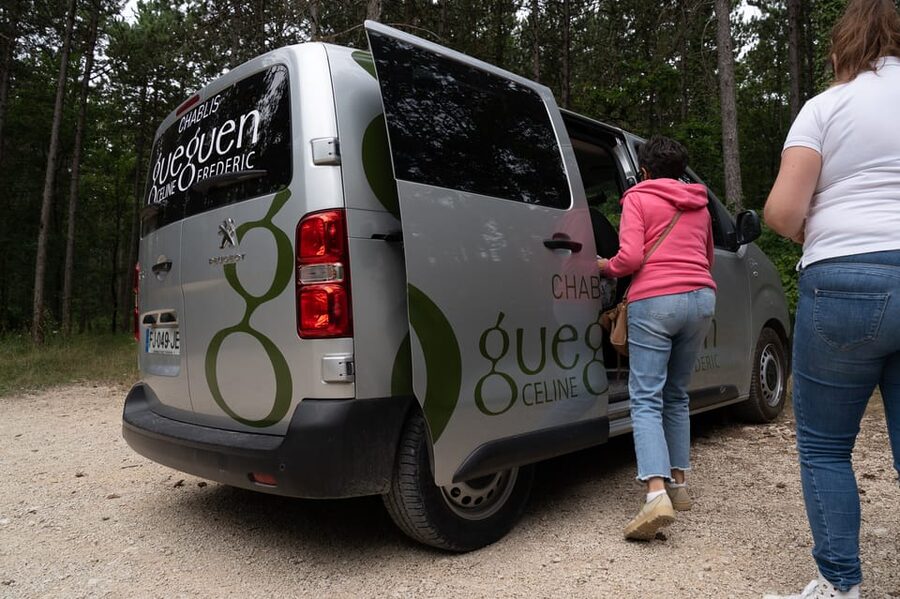
The guide is central to the quality of this tour. The strongest feedback focuses on clear explanations, patience with questions, and an obvious wish to explain both the region and the work of making wine.
The guide speaks French or English. That bilingual option is useful in Chablis, where a technical explanation can quickly become confusing if you are relying on partial translation. You can ask about the vineyard plots, the different wine categories, or the work done throughout the year and receive an answer in the language you selected.
The tone is described as friendly and attentive, with explanations kept simple enough for newcomers. That does not mean the content is thin. You still learn how the climats relate to the wines, how vines are cultivated, and how a winemaking house fits into the local community.
This is a good choice if you prefer conversation to a scripted presentation. The small group gives the guide room to respond to individual interests. You might spend more time on vineyard work if that interests you, or ask for a clearer explanation of the Premier Cru categories.
A closer look at the climats
The word climat can sound abstract until you see several named vineyard areas in person. In Chablis, the tour uses the plots themselves to make the idea easier to understand.
You travel between different parcels and hear how their locations and characteristics connect with the wines. The point is not to promise that every glass will taste dramatically different. Wine is more complicated than that. The point is to show why Chablis labels distinguish between areas and classifications.
This is where the tour offers something beyond a standard tasting-room appointment. You are not only being shown finished bottles. You are being taken into the growing areas and shown the source of the grapes.
The visit can also deepen your appreciation for the work involved. A bottle on a shop shelf hides the year-round effort behind it. Seeing the vines and hearing about cultivation makes the final tasting feel less like a product sample and more like the last step in a long process.
Is $88 a fair price?
At $88 per person, this is not the cheapest way to taste Chablis. The price makes more sense when you count the included elements: pickup at the tasting cellar, van transport to several plots, a small-group guide, five wines, vineyard explanations, and gougères.
You are paying for access and interpretation as much as for the wine. A basic cellar tasting may cost less, but it may not take you into several vineyard areas or explain the climats in their own setting. Hiring a car and arranging separate visits could also become more complicated, especially if you want to taste responsibly.
The value is strongest for visitors who want one well-organized introduction to Chablis. You get a range of wines and a sense of place in a short block of time. It is less compelling if you already know the region well, have a private car, and plan to visit several estates on your own.
The group limit of seven also helps justify the cost. You are not sharing the van with a large bus group, and questions are more likely to receive proper attention. For a couple or small party, that personal scale can make the price feel reasonable.
Timing, weather, and the two-hour format
The listed duration is two hours, with starting times depending on availability. That makes it easy to fit into a day in Chablis, especially if you want time afterward for lunch, another tasting, or a walk through town.
The vineyard setting means weather matters. One recent outing took place in gray skies and fine rain, yet the guide’s explanations and good humor kept the visit worthwhile. Still, you should dress for outdoor stops and accept that the scenery will change with the season and the weather.
The van provides some shelter between plots, but this is not an indoor-only tasting. Comfortable clothing and shoes are sensible. The supplied details do not promise a particular surface or walking distance at each stop, so you should be ready for brief time outside rather than expecting every part of the visit to happen from your seat.
Two hours is a useful length for first-time wine visitors. It keeps the information manageable and avoids turning a tasting into an all-day commitment. Wine enthusiasts hoping for a long technical session may find it too short, but most people will leave with a clear framework for understanding the region.
Who should book this Chablis outing?
I would choose this tour if you want to learn how the wine, the vineyard, and the local community fit together. It suits couples, small groups, and solo visitors who value a relaxed guide and a compact group.
It is particularly useful for:
- First-time visitors to Chablis
- People who want to compare several wine categories
- Anyone without a car who wants to see vineyard plots
- Wine drinkers who prefer practical explanations over heavy jargon
- Visitors looking for a short activity that fits into a larger Burgundy itinerary
- English-speaking or French-speaking participants
You may want something else if you are looking for a full-day winery program, a large meal, an extensive cellar tour, or a private tasting focused on one vintage. This outing is about seeing several climats and building a working understanding of Chablis, not covering every corner of Burgundy wine.
Should you book it?
Book this tour if you want five wines, several vineyard plots, and a clear introduction to Chablis in one two-hour visit. The van route saves time, the seven-person limit keeps the setting personal, and the gougères add a pleasant local touch.
I would be more cautious if your main goal is a long tasting, a substantial meal, or a detailed technical study of one estate. For most first-time visitors, though, the mix is well judged. You see where the wine grows, hear how it is made, and taste enough categories to understand why Chablis labels matter.
The flexible booking terms also reduce the risk: you can cancel up to 24 hours ahead for a full refund, and you can reserve without paying immediately. Check the available start time before committing, then bring a curious palate and clothing suitable for a few vineyard stops.
FAQ
How long does the Chablis vineyard tour last?
The activity lasts two hours.
How many wines are included?
You taste five wines during the vineyard visit.
Which wines might I taste?
The tasting includes White Burgundy, Petit Chablis, Chablis, and Chablis Premier Cru wines from the left or right bank.
Where does the tour begin?
Pickup is provided at the tasting cellar.
How do I travel between the vineyard plots?
The group travels by van between the different plots.
Are food items included?
Yes. The wine tasting is accompanied by gougères, a Burgundy specialty made with cheese and choux pastry.
What languages are available?
The live guide is available in French and English.
How large is the group?
The tour is limited to seven participants.
Can I cancel my booking?
You can cancel up to 24 hours in advance for a full refund.
Do I have to pay when I reserve?
No. The reserve-now, pay-later option lets you book without paying immediately.
Just listed around France
- Vosne-Romanée: Private Vineyards Walking Tour with Tasting★ 4.4 · 9 reviews
- Vineyard of the Alpilles by bike★ 4.6 · 8 reviews
- Vineyard tour and wine tasting in Davron★ 4.5 · 7 reviews
- Vineyard visit in Gyropode, visit of Cave & Tasting Wines of Bandol★ 5.0 · 19 reviews
- Private Vineyard Tour and Wine Tasting in Bandol★ 5.0 · 16 reviews
- Horse riding in the vineyards of Grimaud + wine tasting★ 5.0 · 3 reviews
- Bike ride on the Wine Route from Sélestat★ 5.0 · 5 reviews
- 1/2 day private Vintage tour, vineyards of Saint-Tropez★ 5.0 · 6 reviews
France Vineyard Tours, compared.
Saint Emilion Half-Day Trip with Wine Tasting & Winery Visit from Bordeaux
Read our review →
Small-Group Full-Day Tour of Côte de Nuits, Côte de Beaune Vineyards and Beaune Historical District
Read our review →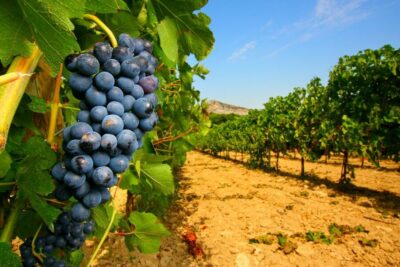
Browse the lists this tour appears in