
REVIEW · ALSACE WINE ROUTE TOURS
Wine tour of the Alsace wine route
The most appealing part of this four-hour outing is its mix of small village sights and winery visits. You start with a goat farm and vineyard views at Capri Farm in Nordheim, then taste Alsace wines at Frédéric Mochel in Traenheim and Le Roi Dagobert in Dangolsheim. I like the hotel pickup and the small group size, which can make a short wine trip feel personal rather than factory-made.
I also like the range of wines included, from Riesling and Muscat to Gewurztraminer, Crémant, Pinot Noir, and Pinot Blanc. The main caution is inconsistent execution: recent bookings have reported different stops, weak English from the guide, cigarette odors in a vehicle, and a return before the advertised four hours.
Key points at a glance
- Capri Farm in Nordheim: See a goat farm, browse local produce, and take in broad views over the vineyard country.
- Two tastings with different styles: Frédéric Mochel offers a family-winery setting, while Le Roi Dagobert is a much larger producer.
- A compact four-hour format: You get a quick introduction to several Alsatian villages without giving up a full day.
- Pickup from your accommodation: Collection is offered from your hotel, gîte, Airbnb, or another home base in Strasbourg.
- A very small group: The advertised limit is five participants, though one recent booking reported six people using two cars.
- Check the day’s plan: The actual stops may differ from the published route, so confirm the details before setting out.
What this Strasbourg wine tour is really trying to do
This is not a long, slow wine-country day with hours at one estate. It is a brisk sampler built around the idea of showing you several sides of the Alsace wine route in half a day.
You leave Strasbourg by car and head west toward the foothills. The route combines rural scenery, old village architecture, a farm stop, and two tastings. That makes it useful if you have only a morning or afternoon free, or if you want an introduction before choosing where to spend more time on your own.
The price is $115 per person. That covers round-trip transportation, the visits, and the tastings. You still pay for wine, food, and other drinks, so do not treat the price as an all-inclusive lunch outing. I consider the cost reasonable if the pickup is convenient and both tastings run as planned. It becomes less attractive if the route is shortened or the included stops are replaced without warning.
The advertised group limit of five is a real advantage. In a tiny group, you can ask about grape varieties, winemaking, and places to buy bottles without trying to catch a guide’s attention from the back of a large bus. The trade-off is that the experience depends heavily on the individual driver-guide. There is no large tour company structure smoothing out weak communication or a change of plan.
More Wine Country Day Trips in France
- Alsace Wine Route Small Group Half-Day Tour with Tasting from Strasbourg
★ 4.5 · 291 reviews - Alsace Wine Route Wineries & Tasting Small Group Guided Tour from Strasbourg
★ 5.0 · 229 reviews - ICONICS Tour: 1/2 day on the Wine Route, visit of 2 Villages + Tasting.
★ 5.0 · 159 reviews
Nordheim and Capri Farm, a country opening
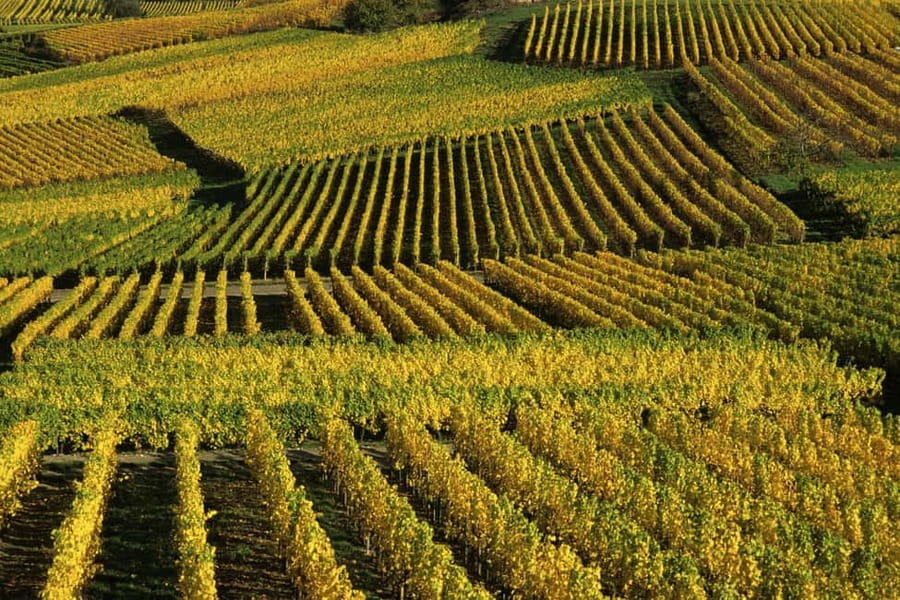
The first stop is Capri Farm in Nordheim. This is more than a quick photo pause. You can see a goat farm, buy local produce, and look across the vineyards from a high viewpoint.
I like this opening because it gives the wine route a wider setting. Alsace wine is not only a tasting-room subject. The vineyards sit among small villages, working farms, and wooded slopes, and the farm stop helps you see that connection early in the trip.
The timing shown for Nordheim is about 20 minutes, including the visit and scenic drive. That is enough for a look around and a few photographs, but not enough for a long farm tour or a leisurely market stop. If you hope to buy cheese, produce, or other local food, keep your expectations modest and ask the guide how much time is available.
The stop is also one of the parts most worth confirming before departure. Some recent bookings were taken to Ribeauvillé instead of the farm. Ribeauvillé is a fine Alsatian town, but it is a different experience from a goat farm and a viewpoint. If Capri Farm matters to you, ask directly at pickup whether Nordheim is on that day’s route.
Wangen’s medieval gateway
The drive continues to Wangen, where the planned visit includes a historic 13th-century gateway. It is a small stop, but it adds something the tastings cannot provide: a look at the built character of an old Alsatian village.
Do not expect a large museum visit or a long guided history talk. The gateway is a brief architectural pause, useful for seeing how compact village centers were once entered and protected. You can take in the stonework, walk a little, and get a sense of the old settlement pattern before returning to the car.
The published route places Wangen before the first winery. In practice, stops have not always followed the same order, and one booking replaced the planned village and farm visits with a different town. That does not automatically ruin the day, but it does make this tour less suitable if you want a fixed sightseeing schedule.
Frédéric Mochel in Traenheim, the more personal tasting
The first wine tasting is at Frédéric Mochel in Traenheim. This is described as a smaller family winery, and it is likely to feel more intimate than the larger second stop.
The selection is broad for a short visit. You are scheduled to taste Riesling, Muscat, Crémant, Gewurztraminer, Pinot Noir, and Pinot Blanc. That lineup gives you a useful introduction to both white and red Alsace wines, plus Crémant, the region’s sparkling wine.
Here is where the tour can deliver its best wine education. Riesling can show the region’s dry, crisp side. Gewurztraminer brings a more fragrant profile, while Muscat offers another aromatic style. Pinot Blanc and Pinot Noir help you compare less showy, food-friendly wines with the more expressive grapes. The exact bottles and order are not specified, so ask the guide or winery staff to explain what you are tasting.
One recent booking described the first winery as lovely and family-run. Another found the tasting poorly organized. That split tells you what to watch for: the setting may be a strong point, but the quality of the presentation can vary. If you want detailed instruction with every pour explained, say so clearly. If the group is small, you have a good chance of getting questions answered, provided communication is easy that day.
More stops on the Alsace wine route around France:
- Private and customizable: Alsace Wine Route HIGHLIGHTS in 3 hours
★ 5.0 · 63 reviews - Through Alsace Vineyards and Wine Villages Private Bike Tour
★ 5.0 · 47 reviews - From Strasbourg: Colmar & Alsace Wine Route Private Day Trip
★ 5.0 · 10 reviews - From Colmar: Alsace wine route tour Full Day
★ 4.9 · 7 reviews
Le Roi Dagobert in Dangolsheim
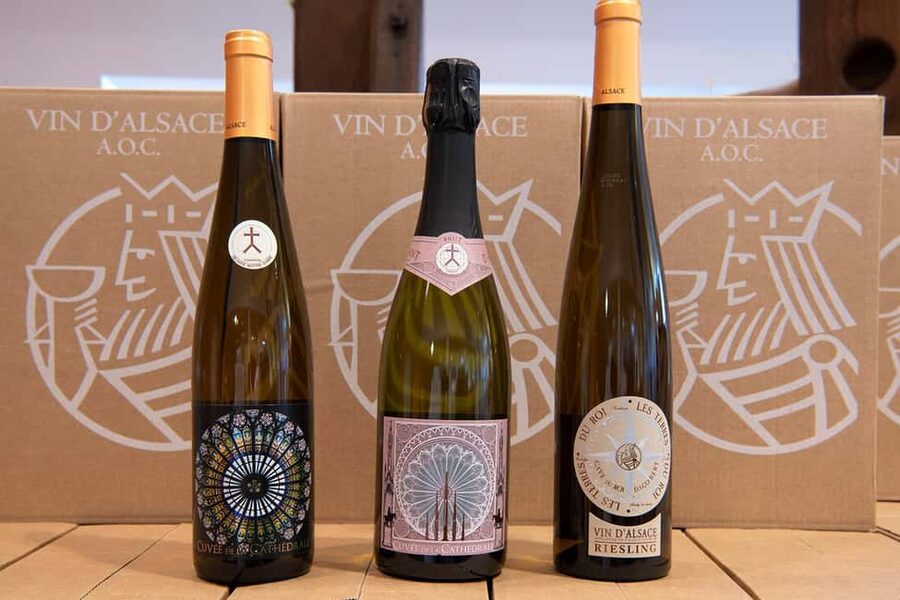
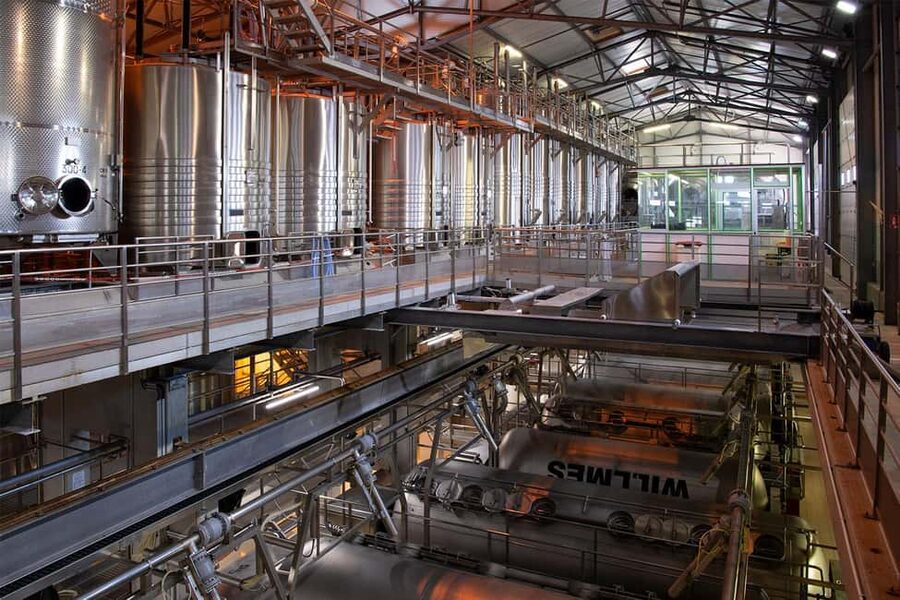
The second tasting takes place at Le Roi Dagobert in Dangolsheim, described as one of Alsace’s larger wineries. It offers a wide range of varieties that can be made into Alsace white wine.
This changes the feel of the day. Frédéric Mochel gives you the smaller-producer side; Le Roi Dagobert gives you scale and range. That comparison is useful. You can see that Alsace wine is not one single style made in one kind of cellar.
The drawback is that a large operation may feel less personal. One recent booking found the complex confusing and said wine from many vineyards was presented without much organization. If you prefer a quiet cellar, a single grower, and a clear story about one family’s vineyards, this may be the less satisfying stop.
I would treat this tasting as a chance to compare labels and styles rather than as a polished private lesson. Look for the grapes you liked at the first winery and ask how the larger producer’s version differs. Since wine purchases are not included, you can buy bottles if something catches your attention, but you should budget separately for those purchases.
The return through Alsatian villages
After the second tasting, you return to Strasbourg by way of the wine route. The drive is meant to be part of the experience, with vineyard scenery and Alsatian villages along the road.
This final stretch is valuable because it lets you see the route as a connected region rather than a series of unrelated stops. The villages, vineyards, farm country, and winery buildings all fit together. You may also get a clearer sense of places you would like to revisit for a longer meal or a slower walk.
Time is the concern. The complete experience is advertised as four hours, but one recent booking returned after about three hours. Another booking included a 45-minute walk through a town instead of one of the expected winery or farm stops. If your schedule is tight, do not plan a train connection or another paid activity immediately after the stated end time.
The route is also a poor fit for anyone expecting unlimited tasting time. Two tastings, a farm stop, Wangen, and a scenic return all compete for four hours. You get variety, not depth.
Guide communication and the car matter
The guide speaks English, French, and German, but language ability can vary. Some recent bookings required frequent use of a translation app, and one guide had difficulty explaining the program in English. That matters more on a wine tour than it might on a simple scenic drive, because tasting notes, grape names, and local customs are part of the point.
If you speak French or German, you may find communication easier. If you rely on English, ask at the start for a clear outline of the stops and tasting order. A small group gives you room to slow down and clarify things, but you should not assume a full wine lecture in fluent English.
Transportation is by the provider’s car, with pickup from your hotel, gîte, Airbnb, or home in the Strasbourg area. Smoking, food, alcohol, and drugs are not allowed in the vehicle. Those rules are sensible, especially after tasting, but vehicle condition can still affect comfort. One recent booking reported a strong cigarette smell, while another noted a slight smoke odor.
I would confirm that the vehicle is smoke-free if this is important to you. One booking also reported six people being collected in two cars, despite the advertised limit of five. That is another reason to confirm the group size and vehicle arrangement before the day begins.
Who will get the most from the $115 price?
I think this tour suits you best if you want a short, arranged introduction to the Alsace wine route and do not want to rent a car. Pickup, driving, village stops, and tastings are bundled together, which removes the problem of navigating after wine sampling.
It is also a good choice for first-time visitors who want to compare several grapes in one outing. The list of Riesling, Muscat, Crémant, Gewurztraminer, Pinot Noir, and Pinot Blanc gives you a useful starting point for later purchases or winery visits.
The value is weaker for serious wine collectors. You may prefer a full-day visit to one or two producers, with more time for vineyard walks and technical questions. This four-hour trip moves quickly, and the large second winery may feel too general if your priority is personal contact with a grower.
Families with young children should choose another activity. The tour is not suitable for children under 16 or for pregnant women. It is wheelchair accessible, which is helpful, but the exact ease of each village stop and winery visit is not described, so ask for details if you need specific access arrangements.
The current score is 3.4 out of 5 from 23 ratings. That middle position fits the experience as described: the scenery, small group, and winery variety can be very appealing, but the guide communication, vehicle odor, altered stops, and uneven timing are meaningful concerns.
How to make the day go better
Before pickup, confirm four simple points:
- Which farm, villages, and wineries are planned that day
- How many people are in the group
- Which language the guide will use most comfortably
- The expected return time to Strasbourg
At the first winery, ask how many wines will be poured and whether purchases can be shipped or carried with you. At the second, ask for help comparing similar grape varieties so the larger tasting does not become a blur of labels.
Bring a phone or small camera for the views, but keep food and drinks out of the vehicle. Since wine, food, and beverages are not included beyond the scheduled tasting, plan your own meal before or after the tour.
Should you book this Alsace wine tour?
Book it if you value convenience, a tiny group, hotel pickup, and a quick taste of several Alsatian wine styles. The combination of Nordheim farm views, Wangen’s old gateway, a small winery, and a larger producer gives you more variety than a single-estate visit.
I would hesitate if you need a fixed route, polished English commentary, a completely smoke-free vehicle, or a full four-hour program with every published stop. Confirm the plan before you pay, and keep your afternoon flexible in case the route changes.
The free cancellation period is up to 24 hours before departure, and you can reserve now and pay later. Those terms help reduce the risk, but they do not solve the main question: are you happy with a flexible sampler, or do you want a precise wine-country appointment? For the first choice, this can be worthwhile. For the second, choose a more focused winery experience.
FAQ
Where does the wine tour start?
The tour starts in Strasbourg, with pickup from your hotel, gîte, Airbnb, or another home location.
How long does the tour last?
The advertised duration is four hours. One recent booking returned after about three hours, so keep some flexibility in your schedule.
How much does the tour cost?
The price is $115 per person.
What is included in the price?
Round-trip transportation, the visits, and the scheduled wine tastings are included.
Are wine purchases included?
No. Wine purchases, food, and other beverages are not included.
Which places are included on the planned route?
The planned route includes Capri Farm in Nordheim, Wangen, Frédéric Mochel in Traenheim, and Le Roi Dagobert in Dangolsheim, followed by a return to Strasbourg.
Which wines can I taste?
The listed wines include Riesling, Muscat, Crémant, Gewurztraminer, Pinot Noir, and Pinot Blanc.
What languages does the guide speak?
The guide service is offered in English, French, and German.
How large is the group?
The advertised group limit is five participants. One recent booking reported six people using two cars, so confirm the group size when booking.
Can I cancel the reservation?
You can cancel up to 24 hours in advance for a full refund. Reserve now and pay later is also available.
Just listed around France
- Vosne-Romanée: Private Vineyards Walking Tour with Tasting★ 4.4 · 9 reviews
- Vineyard of the Alpilles by bike★ 4.6 · 8 reviews
- Vineyard tour and wine tasting in Davron★ 4.5 · 7 reviews
- Vineyard visit in Gyropode, visit of Cave & Tasting Wines of Bandol★ 5.0 · 19 reviews
- Private Vineyard Tour and Wine Tasting in Bandol★ 5.0 · 16 reviews
- Horse riding in the vineyards of Grimaud + wine tasting★ 5.0 · 3 reviews
- Bike ride on the Wine Route from Sélestat★ 5.0 · 5 reviews
- 1/2 day private Vintage tour, vineyards of Saint-Tropez★ 5.0 · 6 reviews
Alsace Wine Route Tours, compared.
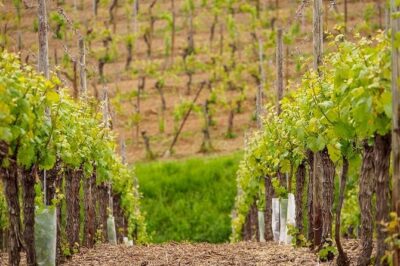
Alsace Wine Route Small Group Half-Day Tour with Tasting from Strasbourg
Read our review →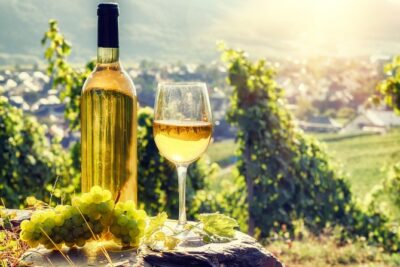
Alsace Wine Route Wineries & Tasting Small Group Guided Tour from Strasbourg
Read our review →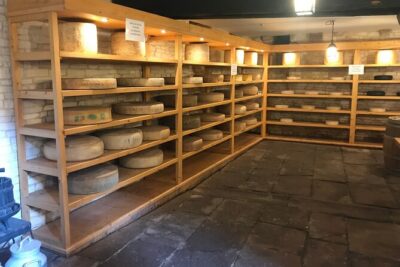
Private and customizable: Alsace Wine Route HIGHLIGHTS in 3 hours
Read our review →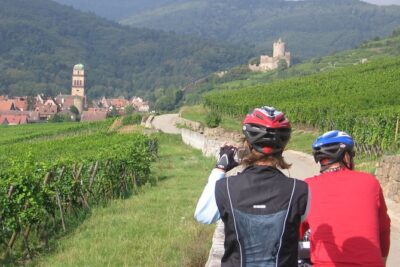
Through Alsace Vineyards and Wine Villages Private Bike Tour
Read our review →
From Strasbourg: Colmar & Alsace Wine Route Private Day Trip
Read our review →
The most beautiful Alsatian villages in an Audi A5 Cabriolet by the Wine Route
Read our review →Browse the lists this tour appears in