
REVIEW · REIMS VINEYARD TOURS
Let’s take a walk in the vineyards
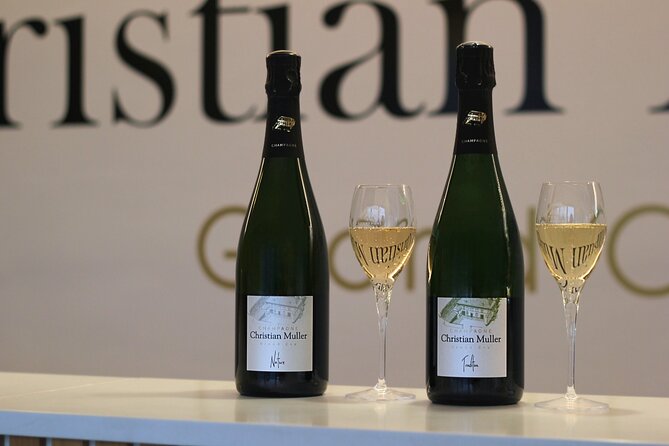
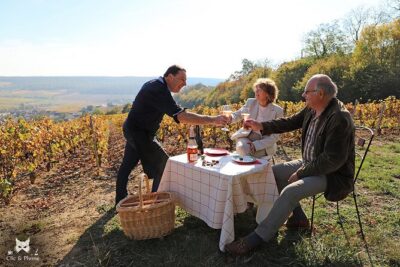
Champagne begins in the vineyard, not in the flute. This 90-minute walk at Champagne Christian Muller takes you through the work behind the bottle, from pruning and seasonal care to harvest, soil, and Grand Cru terroir. You finish with two champagnes and champagne ratafia, so the tasting has a useful purpose rather than feeling tacked on.
I like the small maximum group of 20, which should leave room for questions, and I like that the guides, including Lydie and Justine, explain the work in practical terms. The main drawback is simple: the tour depends on good weather, and the tasting room has been described as a little tired and unwelcoming.
Key points at a glance
- Grand Cru vineyard walk: See the plots around Mailly-Champagne while learning why each piece of soil matters.
- Season-by-season explanation: Pruning, vine growth, harvest, and other vineyard tasks are part of the story.
- Two champagnes plus ratafia: The tasting helps you connect the vineyard lesson with what is in your glass.
- Guides with local insight: Lydie and Justine are named guides, and Lydie has also offered useful ideas for seeing more of the region.
- A short, focused outing: The experience lasts about 1 hour 30 minutes and returns to the starting point.
- Good value at $28.66: The price covers the guided walk and three alcoholic tastings, with bottles available separately.
Why this short walk gets to the heart of Champagne
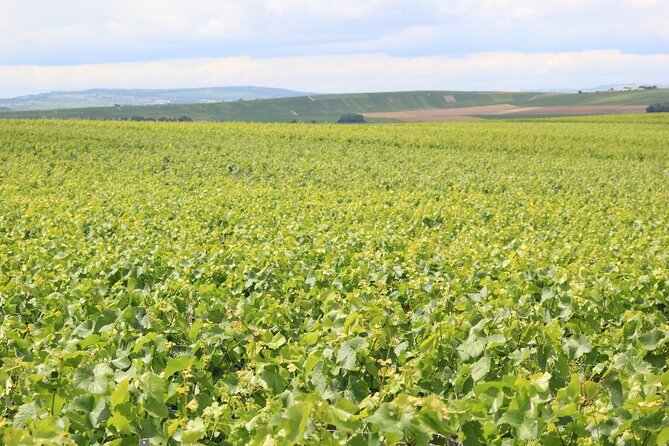
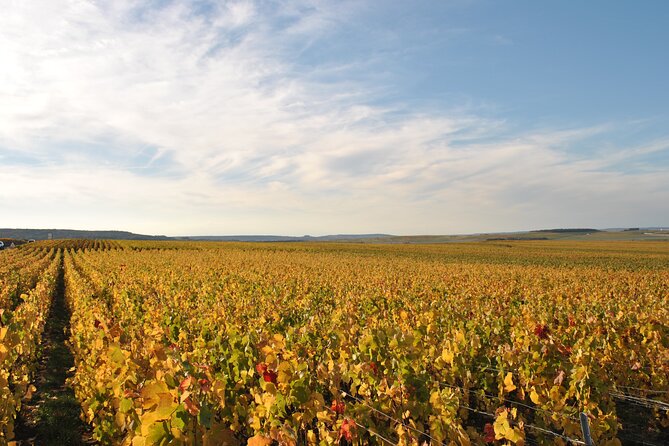
Many Champagne visits begin and end underground, among bottles and chalk cellars. This one takes a different route. At Champagne Christian Muller, you start outdoors among the vines in Mailly-Champagne, a village known for Grand Cru production.
That setting gives you the missing first chapter of the Champagne story. Before grapes become juice, and before juice becomes sparkling wine, someone must prune the vines, manage their growth, watch the weather, and pick at the right time. The tour explains those jobs while showing you the plots that produce the grapes.
I like this approach because it makes the final tasting easier to understand. You are not just sampling a drink with a famous name. You are learning how soil, seasons, grape growing, and cellar work fit together.
The walk is also a practical choice for a busy visit to the Reims area. At about 90 minutes, it does not consume half your day. You get a clear introduction to vineyard work, a short lesson in Champagne production, and a tasting before returning to the same place.
More vineyard visits around France:
- Saint-Émilion: Grand Cru Classé Winery Visit and Tasting
★ 4.6 · 1,118 reviews - Saint Emilion Half-Day Trip with Wine Tasting & Winery Visit from Bordeaux
★ 4.5 · 1,034 reviews - Saint-Émilion: Bordeaux Vineyard Tour and Wine Tasting
★ 4.8 · 578 reviews
Meeting the vines at 35 Rue de la Libération
The experience begins at 35 Rue de la Libération, 51500 Mailly-Champagne, not in central Reims. That address matters when you plan your day, because the tour is based in the Champagne village itself.
You should allow enough time to reach Mailly-Champagne and find the meeting point without rushing. The supplied details do not specify transportation from Reims, so check your own route before booking. The activity ends back at the meeting point, which makes it easier to continue with your day from there.
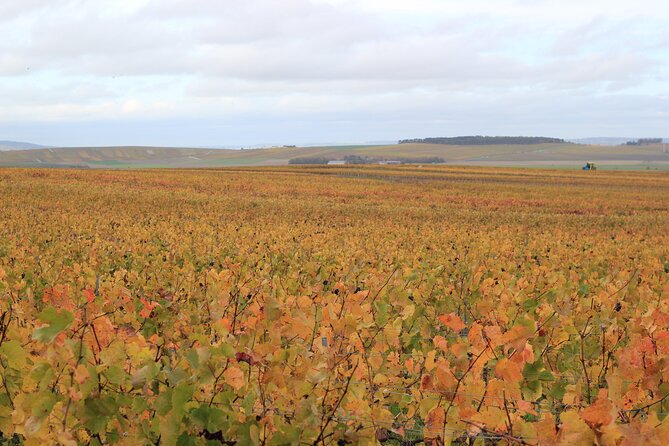
The walk takes place in an active wine-growing area rather than a staged attraction. That is a plus for anyone who wants to understand Champagne as agriculture. You are seeing the source of the grapes and hearing about the work that changes through the year.
The tour can accept up to 20 people. That is not a private visit, but it is a manageable cap for an outdoor explanation. If your date has only a few bookings, the experience may feel especially personal. Lydie has led visits for very small groups, including one afternoon with only two people, allowing plenty of time for questions.
Following the work from pruning to harvest
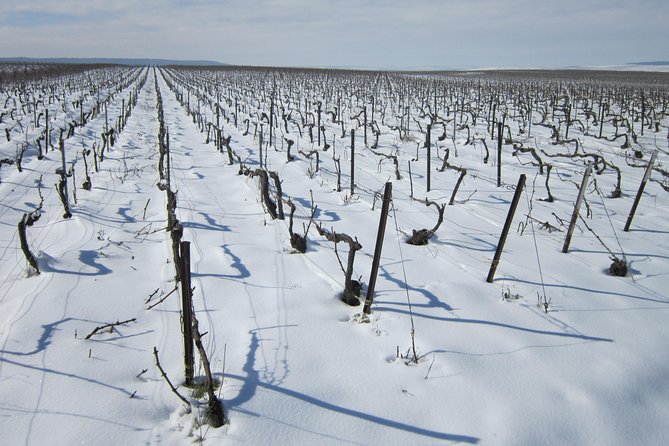
The most useful part of the walk is its focus on the vineyard calendar. Champagne vines need attention throughout the year, and each season brings a different task.
You will learn about pruning, the careful cutting back of the vines that helps shape future growth. This is not just garden trimming. The way a vine is managed affects how it grows and produces grapes.
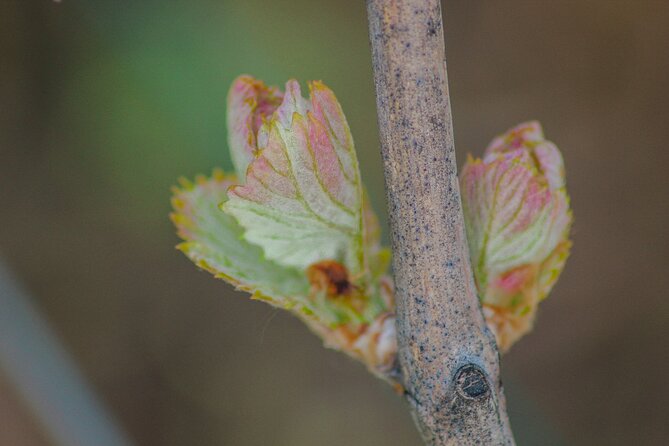
As the year continues, the vines develop and the growers monitor their condition. The tour explains how the plants work and change, giving you a clearer idea of why vineyard workers cannot simply wait until harvest.
Harvest is another key point. The timing of picking affects the grapes that go into Champagne, so the walk connects seasonal decisions with the finished wine. The information provided does not promise that you will see a harvest in progress, and the work you observe will depend on the date of your visit. Still, the guide discusses the process and the jobs carried out across the year.
This is where the tour earns its price. You are getting an explanation of work that is often invisible once you are seated with a glass in front of you. If you like food and drink better when you know how it is made, this part will be especially worthwhile.
Understanding Grand Cru soil and individual plots
The tour also explains why Champagne is special and why each plot is treated as its own treasure. The focus is on soil and terroir, the combination of place and growing conditions that shapes the grapes.
You should not expect a full academic course in geology or viticulture during a 90-minute visit. Instead, the guide gives you a working explanation of how the ground and the vineyard affect the wine. That is enough to make the later tasting more meaningful.
The Grand Cru setting adds interest. This is not a general countryside stroll with a Champagne label attached. You are walking through a specific area and hearing why its plots matter to the producer.
I also like that the tour treats the vineyard as a living workplace. The vines are not merely a pretty background for photographs. They are the reason the house exists, and the guide explains the choices made to grow the grapes that become its cuvées.
The exact route and walking conditions are not specified. Good shoes are a sensible choice for any vineyard walk, but you should not assume a paved urban path. The tour requires good weather, so rain or poor conditions may lead to a new date or a full refund.
Same wine country, a different gate to drive through:
- Bordeaux: Vineyards Wine Tasting Half-Day Trip
★ 4.2 · 470 reviews - Half-Day Wine tour across Bordeaux’s Vineyards
★ 3.5 · 429 reviews - Saint-Émilion: Vineyard Walking Tour and Tasting
★ 5.0 · 404 reviews - Small-Group Full-Day Tour of Côte de Nuits, Côte de Beaune Vineyards and Beaune Historical District
★ 5.0 · 364 reviews
From grape growing to Champagne making
After the vineyard portion, the explanation moves toward the art of Champagne making. You learn how the work in the plots connects to the techniques used to create the finished wine.
That link is important. A cellar visit can leave you with a list of production terms, while a vineyard visit can leave you wondering what happens after the grapes are picked. This experience aims to connect both halves of the process.
The tour also includes the history of the Christian Muller house. The supplied details do not give a date of foundation or a long family timeline, so you should expect an introduction to the house rather than a full historical lecture.
The guide’s role makes a difference here. Lydie and Justine are named as guides, and Lydie has also helped visitors with suggestions for other places to see in the region. That kind of local advice can be useful if this is one stop in a wider Champagne visit.
The explanations are described as concrete and tied to the work in the vines. That suits this tour better than a formal lecture would. You are likely to get a grounded account of how the producer works, with time to ask about what you are seeing.
Tasting two cuvées and champagne ratafia
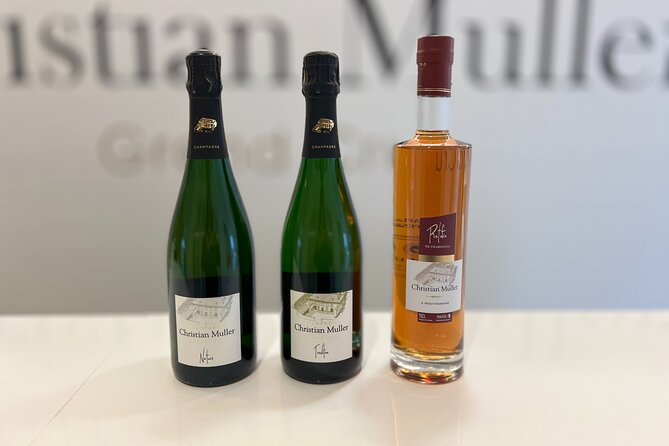
The tasting comes at the end, after the vineyard and production discussion. You receive two champagnes and champagne ratafia, all included in the $28.66 price.
This is a well-chosen format for the tour. You can taste the Champagne after learning about its grapes and place, then consider what the guide has explained. The tasting is not simply an extra drink at the finish. It gives you a chance to apply your new vocabulary and notice differences between the cuvées.
Ratafia adds another angle. It is a Champagne-region drink made from grape must and alcohol, and its inclusion broadens the tasting beyond sparkling wine. The supplied information does not specify the names, vintages, grape varieties, or serving sizes, so do not book expecting a detailed flight list in advance.
You can buy additional cuvées at your own expense. That is useful if you find a bottle you want to take home, but purchases are not part of the ticket price. The basic experience remains clear: guided vineyard visit plus three alcoholic tastings.
Drink responsibly, especially if you are driving afterward. The tour details do not provide a transport service, and the meeting point is in Mailly-Champagne.
Is $28.66 a fair price?
At $28.66 per person, this is a reasonable price for a guided vineyard visit with three tastings. You are paying for more than a sample at a shop counter. The fee includes the guide, the outdoor walk, the explanation of vineyard work and Champagne production, and the tasting.
The value is strongest if you have not visited a Champagne vineyard before. You get the basic framework in one compact outing. Afterward, you should have a better idea of what pruning, terroir, harvest, and cuvée mean in practice.
It may feel less compelling if your main goal is an elaborate cellar tour or a large tasting flight. Those are not promised here. This is a short introduction centered on the vines, with a modest tasting at the end.
The option to purchase bottles separately is also practical. You can decide after tasting instead of committing to a larger package. Just remember that those bottles cost extra.
What the reviews reveal about the strongest points
The highest praise centers on the walk itself, the clear explanations, and the quality of the Champagne. One guide, Lydie, has been singled out for her passion and for giving useful advice about other places to visit.
That tells you what to prioritize. Come ready to listen and ask questions about the vines, not just to take photographs. The best part of the experience appears to be the human explanation of work that can otherwise seem mysterious.
The welcome has also been praised, along with the route through the vineyards. Justine has been associated with a warm reception and an excellent tasting. If you are looking for a formal, polished visitor center, however, keep your expectations in check.
One clear criticism concerns the tasting room. It has been described as somewhat worn and not very inviting. That does not cancel out the vineyard experience, but it is worth knowing. The setting may feel more functional than stylish once you come indoors.
This balance is useful. The tour seems strongest when you are outside with the guide, looking at the vines and talking about the work. The tasting remains valuable, but the room itself may not provide the polished atmosphere found at larger Champagne houses.
Who will enjoy this Mailly-Champagne experience?
I would choose this tour if you want a short, practical introduction to vineyard life near Reims. It suits people who want context before tasting and those who prefer a producer-led experience to a large commercial attraction.
It is also a good fit for nature lovers. The walk gives you time among the vines and explains how the setting shapes the wine. Couples and small groups should appreciate the manageable duration and the chance to ask direct questions.
The tour can accommodate most participants, and service animals are allowed. The supplied information does not describe the walking surface, steep sections, or seating, so anyone with mobility concerns should contact the provider before booking.
You might choose another experience if you want a long cellar visit, a meal pairing, or a broad comparison of many Champagne styles. None of those features is included here.
Planning the visit without surprises
Confirmation is sent within 48 hours of booking, subject to availability. Since the activity averages being booked nine days ahead, planning about a week or more in advance is sensible, especially if your schedule is tight.
The maximum group size is 20, and the ticket is mobile, so you do not need a printed voucher. The activity starts and ends at 35 Rue de la Libération in Mailly-Champagne.
Weather matters. You can cancel for a full refund up to 24 hours before the start time. Cancellations made less than 24 hours before the experience are not refunded, and late changes are not accepted. If poor weather forces the operator to cancel, you will be offered another date or a full refund.
Those rules make it smart to place the tour earlier in your Champagne schedule if possible. You have more room to move it if the forecast turns bad, though any change still depends on availability.
Should you book the vineyard walk?
Book it if you want to understand how Champagne begins, not just how it tastes. For $28.66, you receive a focused 90-minute visit, a Grand Cru vineyard walk, explanations of seasonal vine work and production, and three tastings.
The best reason to go is the guide-led connection between the plots and the glass. Lydie and Justine bring a personal touch, and the small group limit should help keep the visit conversational.
Skip it if you want a grand, polished visitor center or a lengthy cellar tour. The tasting room may feel plain, and the experience depends on good weather. For an authentic look at vineyard work near Reims, though, this is a sensible and fairly priced choice.
FAQ
Where does the Champagne vineyard tour begin?
It begins at 35 Rue de la Libération, 51500 Mailly-Champagne, France.
Where does the activity end?
The tour ends back at the meeting point in Mailly-Champagne.
How long does the experience last?
The tour lasts approximately 1 hour 30 minutes.
What is included in the price?
The price includes a guided tour, two champagne tastings, and a tasting of champagne ratafia.
Are extra bottles available to buy?
Yes. You can purchase cuvées separately, at an additional cost.
How many people can join the tour?
The activity has a maximum group size of 20 people.
Is a mobile ticket available?
Yes. The experience features a mobile ticket.
Are service animals allowed?
Yes. Service animals are allowed.
What happens if the weather is poor?
The experience requires good weather. If the operator cancels because of poor conditions, you can choose another date or receive a full refund.
Can I cancel for a full refund?
Yes. You must cancel at least 24 hours before the experience start time for a full refund. Cancellations made less than 24 hours in advance are not refunded.
Just listed around France
- Vosne-Romanée: Private Vineyards Walking Tour with Tasting★ 4.4 · 9 reviews
- Vineyard of the Alpilles by bike★ 4.6 · 8 reviews
- Vineyard tour and wine tasting in Davron★ 4.5 · 7 reviews
- Vineyard visit in Gyropode, visit of Cave & Tasting Wines of Bandol★ 5.0 · 19 reviews
- Private Vineyard Tour and Wine Tasting in Bandol★ 5.0 · 16 reviews
- Horse riding in the vineyards of Grimaud + wine tasting★ 5.0 · 3 reviews
- Bike ride on the Wine Route from Sélestat★ 5.0 · 5 reviews
- 1/2 day private Vintage tour, vineyards of Saint-Tropez★ 5.0 · 6 reviews
Reims Vineyard Tours, compared.
Gourmet walk in the heart of the vineyards with Champagne tasting near Epernay
Read our review →
Champagne tasting, panoramic walk in the vineyards
Read our review →
Exclusive Champagne Cellars & Dom Perignon Vineyards tour
Read our review →
Vineyard and Triple Tasting First Cru in the Mountains of Reims
Read our review →
Champagne Lamiable: Stroll and taste in the Grand Cru Champagne vineyard
Read our review →
Browse the lists this tour appears in