
REVIEW · DIJON VINEYARD TOURS
Half Day Tour of the Cote de Nuits Vineyards from Dijon
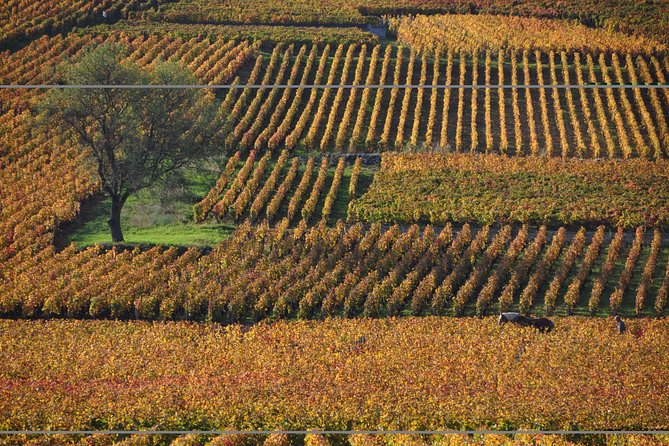
The best part of this tour is the way it connects Burgundy’s famous bottles to the actual villages, vine plots, old presses, forests, and roads that produce them. You’ll visit Château du Clos de Vougeot, stroll through the Côte de Nuits vineyards, and finish with a serious tasting of red and white wines, including celebrated Pinot Noirs.
I like two things in particular: the small group of no more than eight, and the guides. Antonin, Paul, Leonie, Jeremy, Ivan, Hubert, and David have all led this outing, with strong praise for their wine expertise, local knowledge, humor, and calm driving. The main drawback is that the tour includes plenty of time on the road, and you do not necessarily stop to explore the villages themselves.
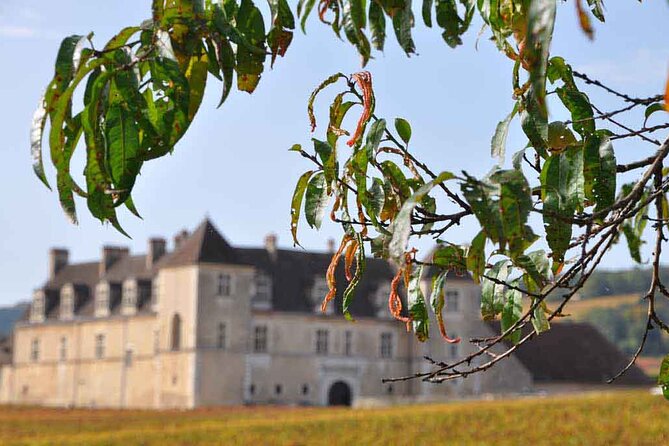
- Clos de Vougeot: Visit a medieval château and former Cistercian wine-making center.
- Five to seven wines: Taste Burgundy reds and whites, with Premier Cru selections included when available.
- Côte de Nuits scenery: Drive through vine plots, medieval villages, old forests, and the Hautes Côtes de Nuits.
- Small-group setting: The vehicle holds a maximum of eight people, making it easier to ask questions.
- Local wine instruction: Guides explain Burgundy’s vineyards, production methods, and classification system in plain language.
- Dijon convenience: Meet at 1:30 p.m. beside the central bus parking area at Place Darcy and return there after the tour.
A Four-and-a-Half-Hour Introduction to Burgundy Wine
For $80, this is a compact way to see the Côte de Nuits without renting a car or trying to arrange separate château and cellar visits. You get transportation from central Dijon, a guide, vineyard stops, entry to Clos de Vougeot, and a tasting of five to seven wines.
That price is good value if you want both scenery and instruction. A simple tasting alone will not show you why one Burgundy bottle costs more than another. Here, the drive gives you the setting, the château gives you the working history, and the tasting lets you compare the result in the glass.
The tour runs from about 1:30 to 6:00 p.m. That timing works well for a half-day plan. You still have the morning for Dijon’s market, museums, or old town, and you return early enough for dinner. There is no lunch, but that is not a serious issue for an afternoon outing. Eat before you meet the vehicle.
The present score is 4.8 out of 5 from 108 ratings, with 94 percent recommending the experience. That matches the strongest pattern in the feedback: the guides are the heart of the tour. Paul is often singled out for his wine teaching, Antonin for his humor and flexibility, and guides including Ivan, Hubert, Jeremy, David, and Leonie for their local expertise and friendly manner.
The Road Through the Côte de Nuits
Do not picture a tour that drops you in one village after another for long independent walks. The journey itself is a major part of the experience. One person found that the first 60 to 90 minutes involved driving, with no actual village exploration. That is an important expectation to set before booking.
You will see wine villages, medieval houses, churches, castles, and vine plots from the vehicle, with stops for explanations and views. Depending on the group and the day, the guide may pause in places such as Fixin, point out famous vineyard parcels, or stop at a panoramic viewpoint.
I like this format for a first look at Burgundy. The Côte de Nuits is not just a line of tasting rooms. It is a long strip of named vineyards, small communities, stone buildings, and narrow roads where the details can be hard to understand without a local guide.
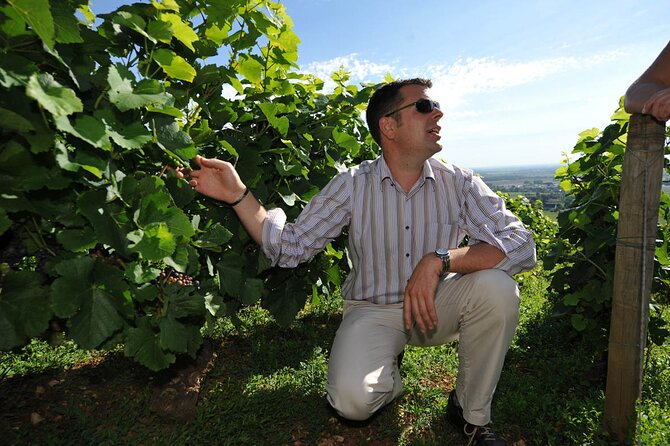
The guide explains the idea of terroir, the local term for the way soil, slope, exposure, weather, and vineyard location affect a wine. You will also hear about Burgundy’s system of village wines, Premier Cru, and Grand Cru. This helps you make sense of the names on the bottles later, instead of treating them as a wall of expensive French labels.
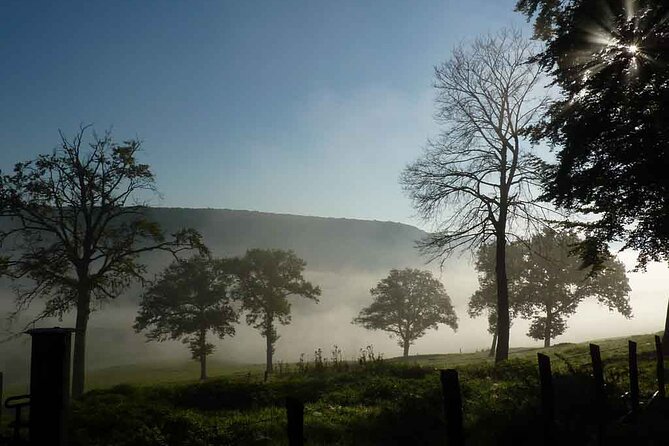
The return route adds another side of the region. You pass through the ancient forests and open countryside of the Hautes Côtes de Nuits, then continue toward the 18th-century Burgundy Canal in the Ouche Valley. This is a quieter finish than the grand cru road, and it gives the afternoon more variety.
More vineyard visits around France:
- Saint-Émilion: Grand Cru Classé Winery Visit and Tasting
★ 4.6 · 1,118 reviews - Saint Emilion Half-Day Trip with Wine Tasting & Winery Visit from Bordeaux
★ 4.5 · 1,034 reviews - Saint-Émilion: Bordeaux Vineyard Tour and Wine Tasting
★ 4.8 · 578 reviews
Walking Among the Vine Plots
The vineyard walk is brief but useful. It lets you look closely at the rows of vines and understand the scale of Burgundy’s famous plots. You are not simply tasting a Pinot Noir in a cellar and being told that the vineyard matters. You are seeing the place named on the label.
The exact walking conditions depend on the season and weather. One outing continued successfully in the rain, but comfortable shoes and a light waterproof layer are sensible choices. You should also be ready for uneven ground and a relaxed outdoor walk rather than a paved city stroll.
The small scale of Burgundy’s vineyards is part of their appeal. A famous name may refer to a surprisingly modest patch of land, with many producers working separate parcels. A good guide can make this complicated system understandable, and that is where the tour earns its value.
Several guides have wine qualifications or long experience with Burgundy’s estates. Antonin is described as a WSET Diploma graduate, and other guides are praised for explaining both the region and the wines without making the subject feel like a lecture. You can ask why a wine tastes lighter, earthier, fruitier, or more structured, and the guide can tie the answer back to grape, vintage, producer, or vineyard location.
Entering Château du Clos de Vougeot
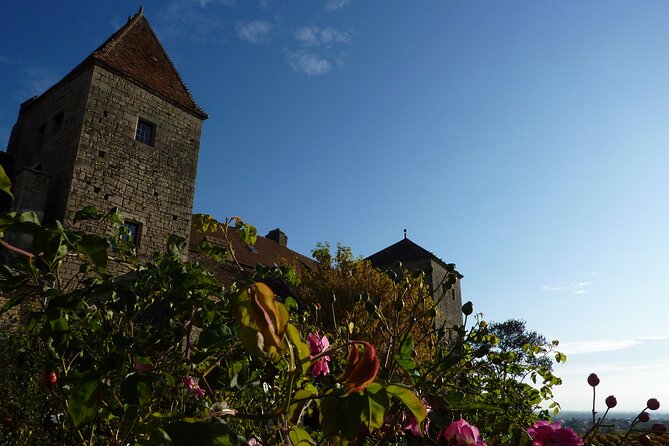
Château du Clos de Vougeot is the historical center of the tour. The building began as a wine-making site for Cistercian monks, with parts constructed between the 12th and 16th centuries. Inside, you explore the vat rooms, presses, and the monks’ cellar.
This visit is valuable because the equipment shows how Burgundy wine was made before modern wineries filled the countryside with stainless steel tanks. The old presses and cellar are not decorative extras. They explain the physical work behind the region’s long wine tradition.
The château also gives the afternoon a break from driving. You can get out, walk through the historic rooms, and see a place tied directly to Burgundy’s wine production. The visit is included in the $80 price, so you do not have to decide at the door whether to pay another admission fee.
Do not expect a full guided tour of every village or a long independent visit inside the château. The overall experience is a regional introduction, not a specialist architectural tour. If your main interest is medieval buildings rather than wine, Clos de Vougeot is an important stop, but it may not fill an entire afternoon by itself.
Tasting Five to Seven Burgundy Wines
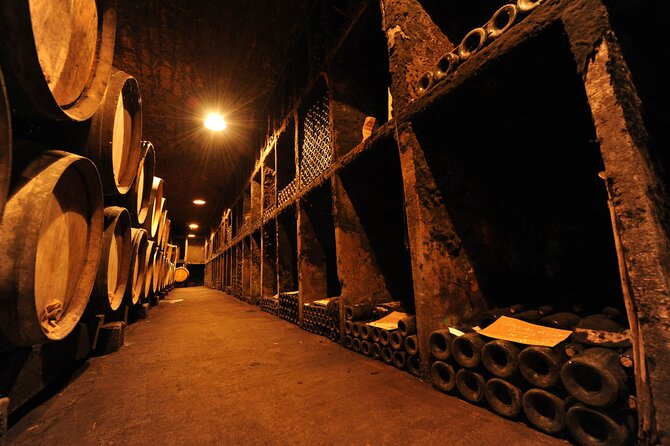
The tasting takes place in a traditional cellar through Authentica Tours. You sample a selection of five to seven red and white wines, often including a Premier Cru. The line-up can vary, and some small groups have tasted as many as nine wines or visited two wineries, but you should book expecting the stated five to seven.
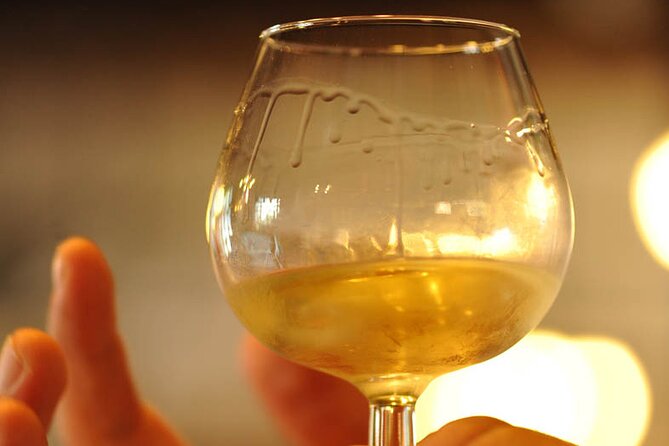
Pinot Noir receives most of the attention, as it should in the Côte de Nuits. You will also taste white Burgundy, then compare the differences in color, aroma, weight, acidity, and finish. The point is not simply to drink several glasses. The guide explains how Burgundy’s vineyards and production choices shape what you taste.
I especially like the teaching element for anyone who feels uncertain around French wine lists. Burgundy labels can be confusing because the place name often matters more than the grape name. The guide helps you see how village names and vineyard classifications work, so ordering a bottle later feels less like guesswork.
The tasting is also a useful reality check on Burgundy prices. You may taste a Premier Cru beside less expensive wines and discover that price alone does not tell you which bottle you will prefer. If you are interested in buying wine, ask the guide for practical advice. The local perspective is one of the most useful parts of a small group.
This is not a party-style tasting. The tone is educational and conversational. The guides are described as funny, patient, and happy to answer questions, but the focus stays on wine and place. That makes it a good fit if you want to learn, not just sample.
Same wine country, a different gate to drive through:
- Bordeaux: Vineyards Wine Tasting Half-Day Trip
★ 4.2 · 470 reviews - Half-Day Wine tour across Bordeaux’s Vineyards
★ 3.5 · 429 reviews - Saint-Émilion: Vineyard Walking Tour and Tasting
★ 5.0 · 404 reviews - Small-Group Full-Day Tour of Côte de Nuits, Côte de Beaune Vineyards and Beaune Historical District
★ 5.0 · 364 reviews
Why the Guide Matters So Much
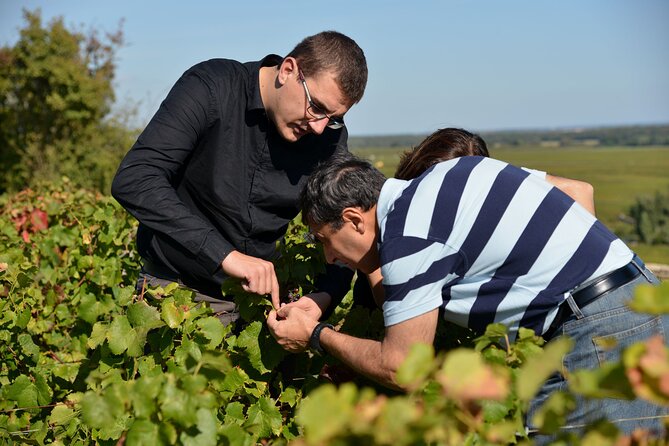
A drive through vineyards can be pleasant but vague without someone to explain what you are seeing. Here, the guide shapes the whole outing. A strong guide turns a row of vines into a lesson about slopes, ownership, classification, and local history.
Antonin has been praised for his humor, wine training, and ability to adjust the outing to the group. Paul is noted for his sommelier-level wine knowledge and friendly style. Leonie is described as both informed and attentive, while Jeremy is praised for explaining the great vineyards in a clear and engaging way.
Ivan has led groups along the Route des Grands Crus, with stops that included Fixin, a church, panoramic points, and the tiny but famous Romanée-Conti parcel. Hubert has been praised for his driving, regional expertise, and willingness to help with photographs. David has also been singled out for explaining the region during a scenic drive.
Guides can change, so you should not book expecting one particular person unless the operator confirms it. The useful point is that the experience depends on local staff who know both wine and the roads. Their ability to answer questions is more important than a fixed script.
Group Size, Vehicle, and Timing
The maximum group size is eight. That is small enough for a more personal discussion than you would get on a large coach, while still keeping the price below that of a private tour.
A small group also gives the guide room to respond to interests. If everyone wants more wine detail, the tasting can take that direction. If the group is more interested in history, scenery, or vineyard classifications, the conversation can shift. One very small group received a flexible outing with extra tastings and two winery visits, though you should treat that as a possibility, not a promise.
The vehicle is described as clean and comfortable. You will spend a fair amount of time seated, so the compact format matters. The tour is near public transportation, and the meeting point is easy to identify: the central bus parking area at 16 Place Darcy in Dijon.
Most people can participate, but you should be comfortable getting in and out of the vehicle and walking through vineyard or historic areas. The tour returns to the same meeting point. A mobile ticket is accepted, and confirmation arrives at booking.
Who Will Get the Most From This Tour?
I would choose this outing if you have limited time in Dijon and want a proper introduction to Burgundy wine without spending a full day away from the city. It suits first-time visitors who want the basic system explained clearly, especially if French wine labels usually leave you guessing.
It is also a good match for couples or small groups who care about scenery, local history, and wine in equal measure. The combination of Clos de Vougeot, vineyard roads, a cellar tasting, and the Ouche Valley gives you more range than a tasting-room visit alone.
You may want another option if your priority is walking through villages, spending a long time at one winery, or visiting many individual producers. The tour passes through villages and may stop in places such as Fixin, but it is not built around extended village exploration.
It is also not ideal if you want a private itinerary with complete control over every stop. The small group offers flexibility, but the route remains organized and the minimum departure requirement is four people.
Booking and Cancellation Details
The tour costs $80 and includes the wine tasting, guided tour, vineyard visit, and entry to Château du Clos de Vougeot. Lunch is not included, so eat before the 1:30 p.m. start.
At least four people are needed for departure. If the minimum is not reached, the operator may cancel after confirmation and offer you another date, another experience, or a full refund.
You can cancel for a full refund up to 24 hours before the local start time. Cancellations or changes made within 24 hours are not refunded or accepted. That policy is reasonable, but keep the timing in mind if your Dijon plans are still uncertain.
Should You Book the Côte de Nuits Tour?
Book it if you want a friendly, well-organized half-day that explains Burgundy instead of simply pouring it. The strongest reasons are the small group, the excellent local guides, the included Clos de Vougeot visit, and the chance to taste Premier Cru alongside other regional wines.
Go in expecting a scenic drive with stops, not a walking tour of several villages. If you accept that rhythm, the $80 price gives you a useful mix of wine, history, countryside, and practical instruction. For a first visit to the Côte de Nuits from Dijon, it is a sensible choice.
FAQ
Where does the tour start and finish?
The tour starts at the central bus parking area at 16 Place Darcy, 21000 Dijon, France. It ends back at the same meeting point.
What time does the tour begin?
The start time is 1:30 p.m. The experience lasts about 4 hours and 30 minutes and generally finishes around 6:00 p.m.
How many wines will I taste?
The stated tasting includes five to seven Burgundy wines, including red and white wines and a selection that may include Premier Cru. Some small groups have tasted more, but five to seven is the expected range.
Is Château du Clos de Vougeot included?
Yes. Entry to the château is included, along with a visit to the historic vat rooms, presses, and monks’ cellar.
Is lunch included?
No. Lunch is not included, so plan to eat before the afternoon departure.
Can I cancel for a refund?
Yes, if you cancel at least 24 hours before the experience’s local start time. Cancellations made less than 24 hours before departure are not refunded. The operator also requires a minimum of four participants and will offer an alternative or full refund if it cancels because that minimum is not met.
Just listed around France
- Vosne-Romanée: Private Vineyards Walking Tour with Tasting★ 4.4 · 9 reviews
- Vineyard of the Alpilles by bike★ 4.6 · 8 reviews
- Vineyard tour and wine tasting in Davron★ 4.5 · 7 reviews
- Vineyard visit in Gyropode, visit of Cave & Tasting Wines of Bandol★ 5.0 · 19 reviews
- Private Vineyard Tour and Wine Tasting in Bandol★ 5.0 · 16 reviews
- Horse riding in the vineyards of Grimaud + wine tasting★ 5.0 · 3 reviews
- Bike ride on the Wine Route from Sélestat★ 5.0 · 5 reviews
- 1/2 day private Vintage tour, vineyards of Saint-Tropez★ 5.0 · 6 reviews
Dijon Vineyard Tours, compared.
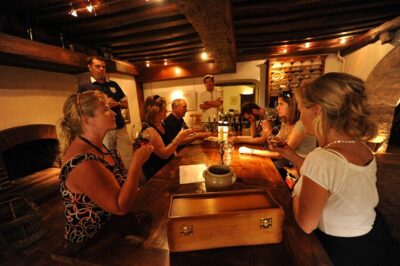
Small-Group Full-Day Tour of Côte de Nuits, Côte de Beaune Vineyards and Beaune Historical District
Read our review →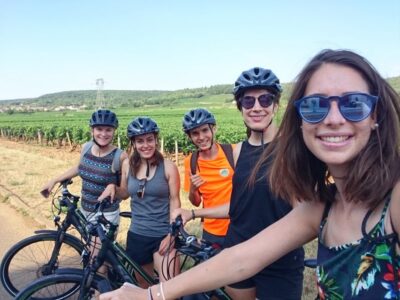
Dijon: Bike tour and Tastings in the Vineyards of Burgundy
Read our review →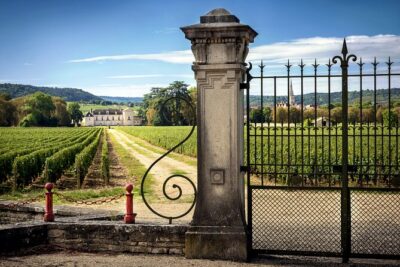
Dijon Wine Tour Côte de Nuits and Côte de Beaune Vineyards
Read our review →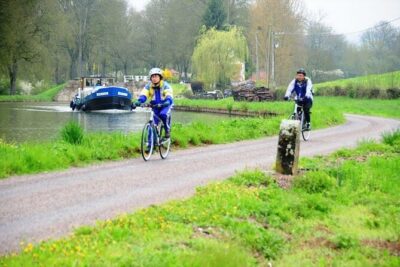
Guided week Bike Tour in France, Burgundy wine region
Read our review →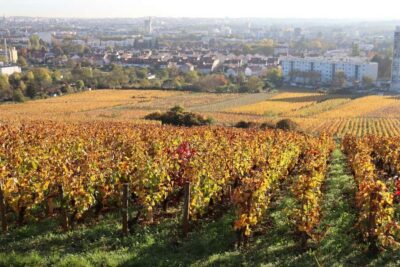
Dijon: Walking tour of the metropolitan vineyards
Read our review →Browse the lists this tour appears in