
REVIEW · WORKSHOPS
Tain l’Hermitage: Visit two wine estates and a Wine & Food Workshop
The best part of this Tain l’Hermitage outing is the chance to compare two wine estates and two ways of working with the same Rhône Valley soil. You will walk through vineyards, see the winery and barrel cellar, then taste wines while learning how grape variety, exposure, soil, and winemaking choices shape the bottle.
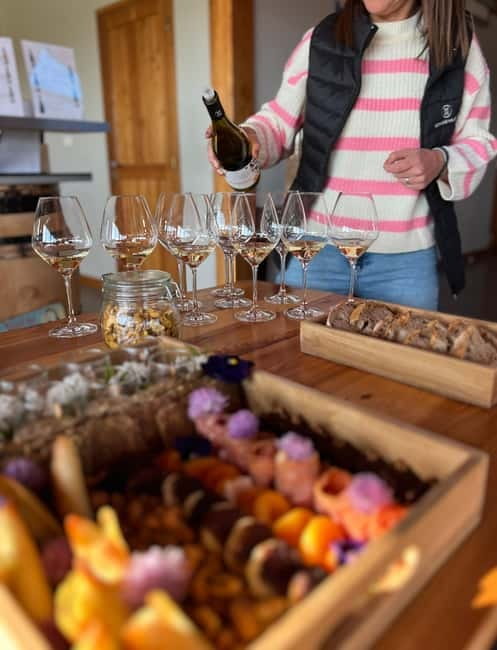
I like the small eight-person group and the hands-on food pairing workshop. I also like the personal touch Julie brings, including fruit from her garden and local snacks such as ham, cheese, pâté en croûte, and tomato with goat cheese. The main drawback is that four hours can feel short if you want a slow, detailed visit at both estates, and the tour is not suitable for wheelchair users.
Key points to know before booking
- Two estates, two approaches: Compare different winegrowing styles instead of visiting only one cellar.
- A real food pairing session: Taste wine with local products, not just a row of glasses and tasting notes.
- Julie leads with local feeling: She explains the Rhône Valley wine regions clearly and is happy to stop for photos.
- Small-group transport: A clean, spacious nine-seater van carries up to eight participants.
- Outdoor and cellar comfort matters: Wear comfortable shoes, bring a hat, and take a jacket for the winery.
- Good value for a half-day: The $116 price includes transport, guide, tastings, and the workshop, but not lunch or bottled water.
Why two estates make this Tain l’Hermitage tour useful
Many wine visits give you one producer, one cellar, and one polished version of the local story. This tour takes a broader view. You visit two estates and encounter two sensibilities, two methods, and two interpretations of the same wider Rhône Valley terroir.
That comparison is the point. You can think about how soil, sun exposure, grape variety, cellar work, and aging affect the finished wine. I find this much more useful than hearing isolated facts about a single bottle, because you have a built-in reference point. One wine may show more fruit, another more structure, freshness, or influence from barrel aging.
The experience is designed for people who enjoy wine but do not need to speak like a professional. You will learn through the places themselves: the vines, the winery equipment, the barrel cellar, and the glass in front of you. If you already know a good deal about Rhône wines, the benefit is the access to two different producers and the chance to ask direct questions in a small group.
The tour takes place in the Auvergne-Rhône-Alpes region, around Tain l’Hermitage. That setting matters because this is not a generic tasting room placed anywhere in France. The vineyards and estates provide the physical setting for the discussion, so the connection between place and wine is easier to understand.
More places to eat well around France:
- Winery Visit with Food and Wine in Carcassonne
★ 5.0 · 59 reviews - Peaceful Countryside Day : Vineyards, Food & Villages
★ 5.0 · 4 reviews - Mykonos: Winery Vineyard Experience with Food & Wine Tasting
★ 4.9 · 446 reviews
Riding through the vineyards in a small van
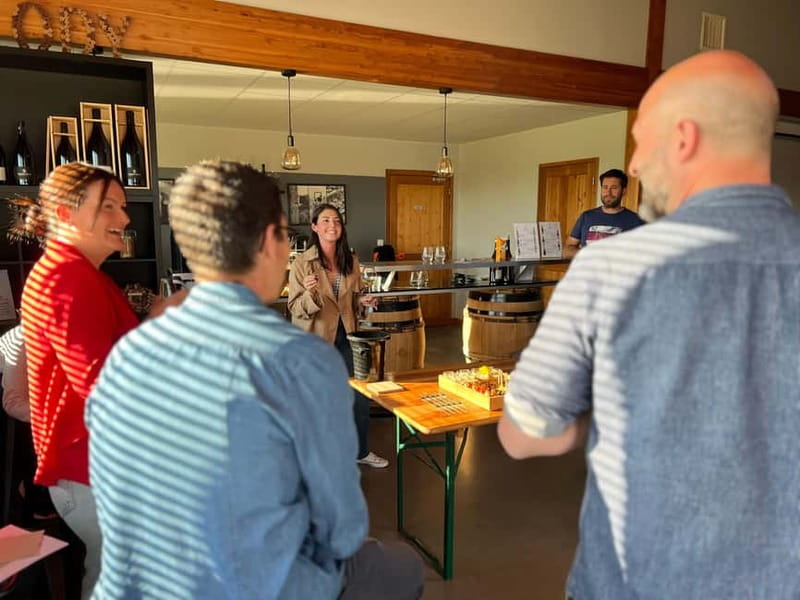
Pickup is included in a clean, spacious nine-seater van. The group is limited to eight people, which leaves room for the guide to speak with you rather than deliver a fixed speech to a crowd.
The van also makes practical sense for a wine outing. You are not expected to arrange your own transport between the two estates, and no one in the group has to drive after tasting. The journey gives Julie room to explain the Rhône Valley wine regions and point out things along the way.
Julie is especially good at keeping the tone relaxed and local. She is happy to stop for photos, which helps if you want more than a fast transfer between tastings. Still, this is a four-hour tour, not a full day in the vineyards. Photo stops and conversation need to fit around two estate visits and the workshop.
The guiding is available in French and English. Some content may be presented in its original language, so you should be comfortable with a bilingual setting at times. The English guiding is strong enough for visitors who want to learn about the area, wines, and food without needing advanced French.
Seeing the vines, winery, and barrel cellar
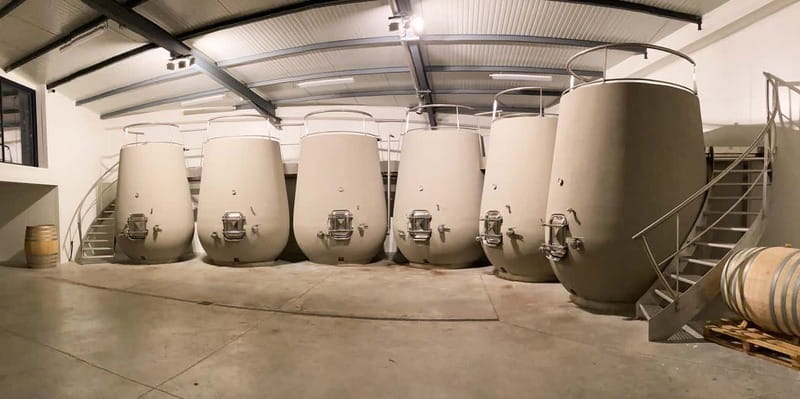
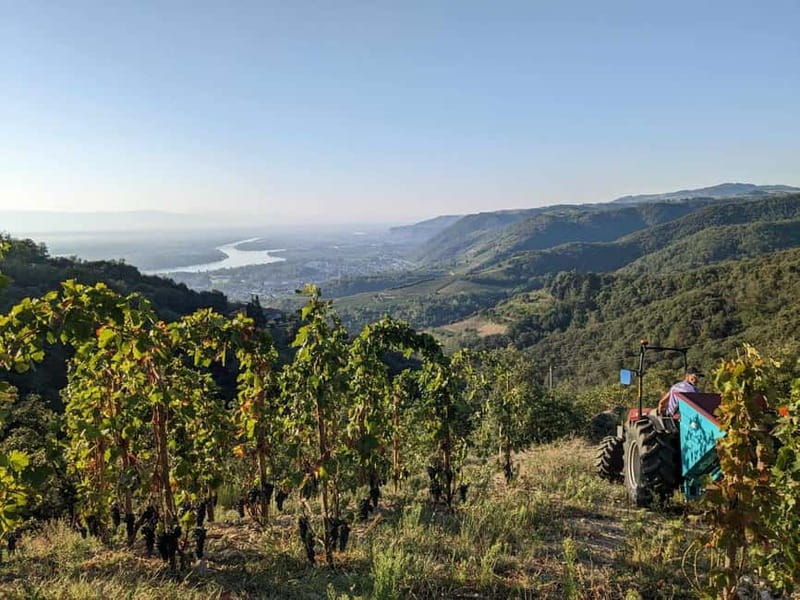
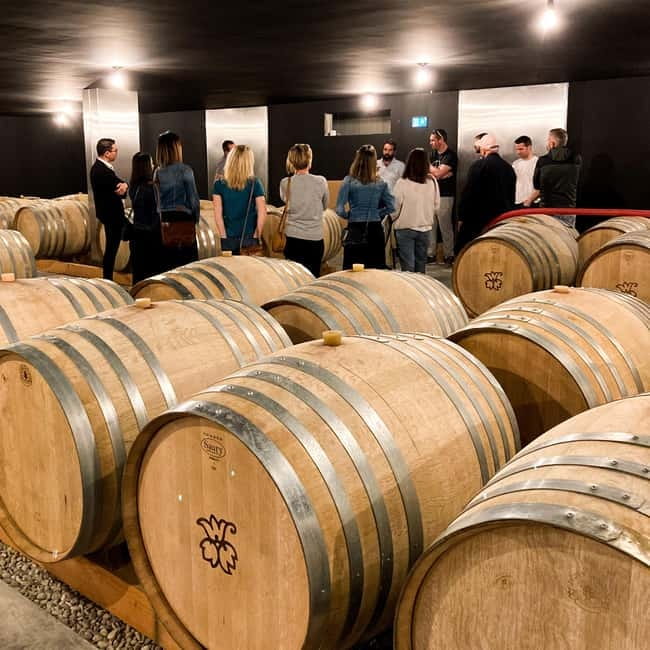
At the estates, the tour takes you beyond the tasting counter. You will receive guided explanations in the vineyards, then visit the winery and barrel cellar. Each location helps answer a different question.
The vineyard shows where the grapes begin. Here, you can consider the role of soil and exposure, along with the way each grape variety responds to its surroundings. The winery shifts the focus to production: how grapes become wine and how the estate’s choices shape the result.
The barrel cellar deals with aging. It is one thing to taste a finished wine and another to understand that time in the cellar can affect its character. The tour links those stages together, from vine to bottle, without treating the wine as a mystery product.
I would pay attention to the contrast between the two estates rather than trying to memorize every technical term. Ask how each producer handles the same basic questions. What does the soil contribute? How does exposure affect ripeness? Which decisions happen in the winery, and which are made later in the cellar?
The practical side is worth noting. A jacket is recommended for the winery visit, and comfortable shoes are a good idea for the outdoor explanations. A hat will help in the sun. The tour does not promise a long hike, but it does include time outside, so this is not a polished indoor tasting only.
Tasting iconic appellations with local food
The tasting is paired with a food workshop, which gives the visit more purpose than simply moving from one glass to the next. You will explore how wine changes with different foods and how the pairing can bring out certain flavors or soften others.
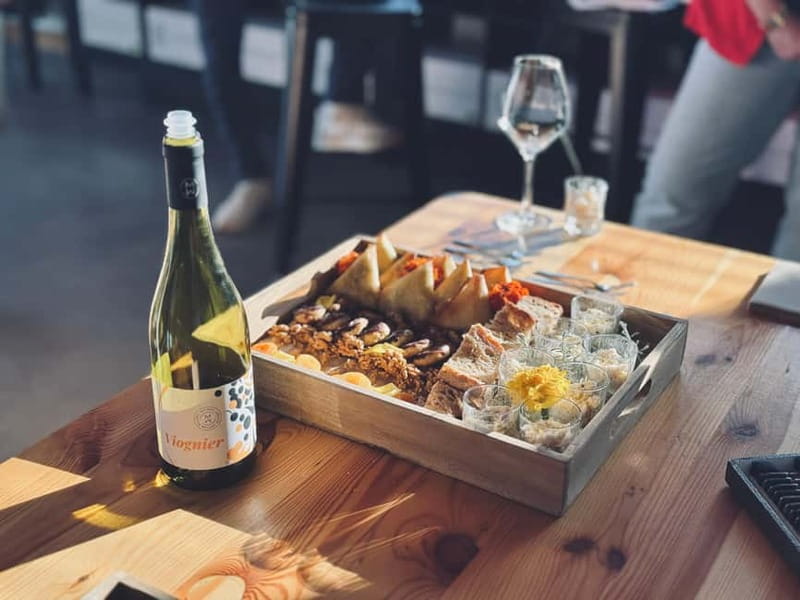
The foods can include regional products such as ham, cheese, pâté en croûte, and a tomato and goat cheese spread. Julie has also brought fruit from her own garden for the second tasting. That detail gives the food part a personal and seasonal feel, rather than making it seem like a standard plate assembled without a connection to the area.
You should not book this expecting a full lunch. Lunch is not included, and bottled water is not included either. The food is there to support the tasting workshop, so think of it as a generous series of pairings and snacks rather than a meal.
I like this format because food often gives you a clearer way into wine. If you are unsure how to describe tannins, acidity, fruit, or texture, you can compare what happens when you taste the wine with cheese, ham, or fruit. The workshop turns abstract wine language into something you can notice for yourself.
Be sure to report all allergies and dietary restrictions when booking. This matters here because the food is part of the activity, not an optional extra. The listed foods include dairy, meat, pastry, and goat cheese, so you should not leave dietary information until the day of the tour.
More hands-on sessions around France:
- Private Tour of a Wine Estate and Oeno-olfactory Workshop
★ 5.0 · 5 reviews - A Brunello Cooking Class with Vineyards View Winery
★ 5.0 · 221 reviews - Casablanca world class wines, 4 vineyards & Tanino lunch stop
★ 5.0 · 109 reviews - Santiago: World-class Wines, Visit to 4 Vineyards and Tanino
★ 5.0 · 91 reviews
Julie’s local approach to the Rhône Valley
Julie is the named guide, and her role appears to be more than simply getting you from one estate to another. She explains the different Rhône Valley wine regions, answers questions, and makes room for photos. Her partner also helps lead the experience, adding a personal two-guide feel to the day.
That combination suits this kind of tour. Wine can become stiff and overly formal when every stop follows a script. The stated aim here is warm and relaxed, and the food details support that. Fruit from a home garden and locally prepared snacks feel more personal than a standard tasting menu.
You will still get structured information. The estate visits cover vineyards, winemaking, and aging, while the tastings focus on appellations and pairing. The difference is that the information comes through conversation and comparison rather than a lecture alone.
The small group is important. With no more than eight participants, you have a better chance to ask about a particular wine, stop for a photo, or explain what you are tasting. If you prefer total privacy, this is still a shared tour, so you will be with other participants in the van, estates, and workshop.
What the $116 price includes
At $116 per person, this is not the cheapest way to taste wine in the region. But the price includes several services that add up quickly: transportation, a guide, two estate visits, wine tastings, and a food and wine pairing workshop.
The four-hour length works out to about $29 per hour before considering the wine and transport. I see the value in the fact that you do not need to arrange a car, choose between estates, or organize a tasting appointment yourself. The small group also gives the experience more personal attention than a large coach excursion.
The price does not include bottled water or lunch. Bring your own water if needed, and plan another meal before or after the activity. Since the food is part of the workshop, you will not go without anything to taste, but you should not count on it to replace lunch.
Free cancellation is available up to 24 hours before the start for a full refund. You can also reserve now and pay later, which helps if your schedule around Tain l’Hermitage is still shifting.
Who will enjoy this wine experience most
I would recommend this tour to wine drinkers who want context, not just consumption. You will get the most from it if you are curious about why wines from nearby estates can taste different and how farming, exposure, cellar work, and food affect your impression.
It also suits couples, friends, and solo visitors who prefer a small group. The van, guide, and planned estate visits remove much of the planning work. You can focus on the wines and the area rather than navigation.
You do not need advanced wine knowledge. The pairing workshop gives beginners something concrete to follow, while the two estates and barrel-cellar visits offer enough detail for people who already know the basics.
I would be more cautious if you want a long gourmet lunch, a private tour, or a full-day vineyard program. The schedule is compact, and the food is designed for tasting rather than dining. It is also not suitable for wheelchair users, so mobility needs should be considered before booking.
Practical advice for a smoother four hours
Wear comfortable shoes and a hat for the outdoor explanations. Bring or wear a jacket for the winery, where temperatures may feel cooler than outside.
Tell the provider about allergies and dietary restrictions when you book. This is especially important because the workshop uses local foods, including cheese, ham, pastry, fruit, and spreads.
The tour is offered in French and English. If a portion of the information appears in its original language, ask the guide to clarify any point you miss. The small group format should make that easier.
Plan for a shared outing, not a private appointment. The group is limited to eight, which is small enough for conversation but still means you will share the van and tastings with others.
Should you book this Tain l’Hermitage tour?
Book it if you want a compact, well-planned introduction to Rhône Valley wine with a human touch. The strongest reasons are the comparison between two estates, the small van group, Julie’s clear regional explanations, and the food workshop with genuinely local touches such as garden fruit and goat cheese spread.
Skip it if you need wheelchair access, want a full lunch, or prefer to spend an entire day at one estate. For most visitors with four free hours and an interest in wine, the $116 price is reasonable because it combines transport, guiding, two estate visits, tastings, and food pairing in one relaxed outing.
FAQ
How long does the Tain l’Hermitage wine tour last?
The tour lasts four hours.
How much does the experience cost?
The listed price is $116 per person.
How many wine estates will I visit?
You will visit two wine estates.
Is transportation included?
Yes. Transportation is included in a nine-seater van.
How many people can join the tour?
The group is limited to eight participants.
Is a guide included?
Yes. A guide is included, with French and English available.
Is wine tasting included?
Yes. Wine tasting is included.
Is the food and wine workshop included?
Yes. A food and wine pairing workshop with local products is included.
Is lunch included?
No. Lunch is not included.
Can I cancel for a full refund?
Yes. You can cancel up to 24 hours in advance for a full refund.
Just listed around France
- Vosne-Romanée: Private Vineyards Walking Tour with Tasting★ 4.4 · 9 reviews
- Vineyard of the Alpilles by bike★ 4.6 · 8 reviews
- Vineyard tour and wine tasting in Davron★ 4.5 · 7 reviews
- Vineyard visit in Gyropode, visit of Cave & Tasting Wines of Bandol★ 5.0 · 19 reviews
- Private Vineyard Tour and Wine Tasting in Bandol★ 5.0 · 16 reviews
- Horse riding in the vineyards of Grimaud + wine tasting★ 5.0 · 3 reviews
- Bike ride on the Wine Route from Sélestat★ 5.0 · 5 reviews
- 1/2 day private Vintage tour, vineyards of Saint-Tropez★ 5.0 · 6 reviews
Workshops, compared.
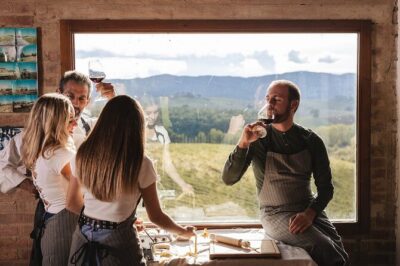
A Brunello Cooking Class with Vineyards View Winery
Read our review →
Casablanca world class wines, 4 vineyards & Tanino lunch stop
Read our review →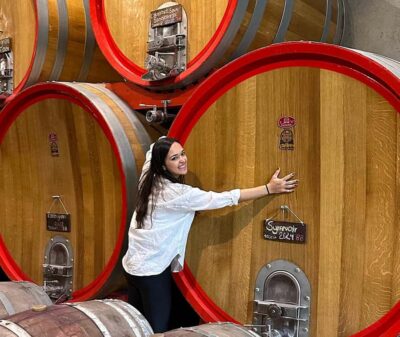
World-class Wines, Visit to 4 Vineyards and Tanino
Read our review →
Cortecorbo Irpinia-wines: tour of the vineyards- Cooking class- wine tasting
Read our review →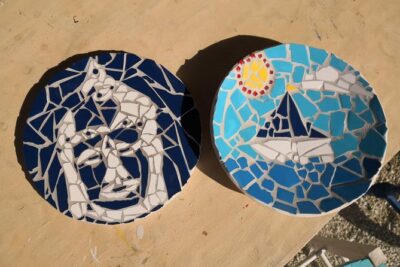
Karpathos Creative Workshop for Mosaic in the vineyard
Read our review →
Irpinia Tour of the Vineyards, Cooking Class and Wine-Tasting
Read our review →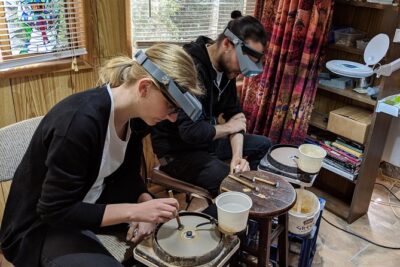
Opal polishing workshops in beautiful Mudgee wine country
Read our review →
Santorini: Vineyard and Winery Tour with Cooking Class
Read our review →Browse the lists this tour appears in