
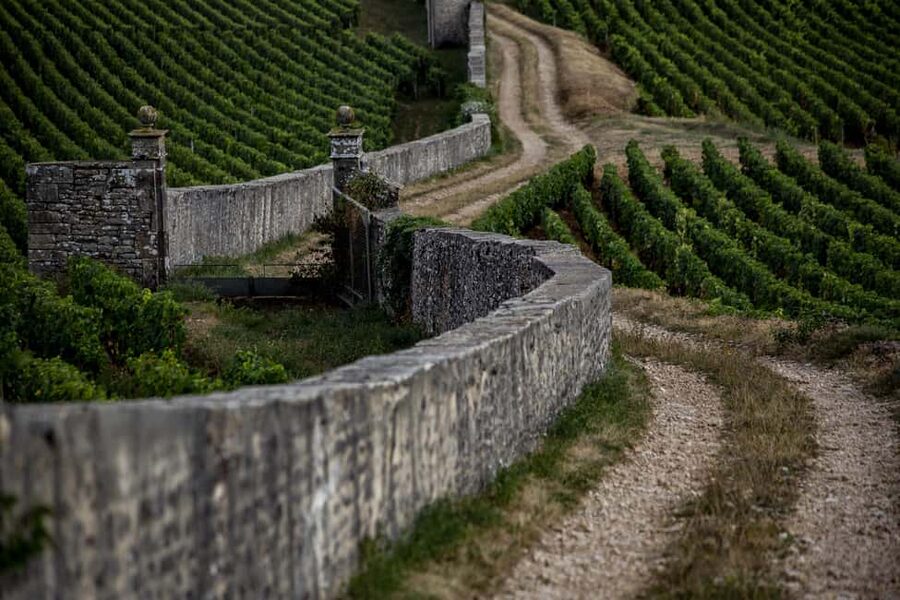
REVIEW · BEAUNE VINEYARD TOURS
Small group full day tour in the Burgundy vineyards
The best thing about this Burgundy tour is its full sweep of the wine country. In one day, you travel from the Côte de Beaune to the Côte de Nuits, passing famous villages, vineyard plots, and the Château du Clos de Vougeot. Two tastings, each with about five wines, give the scenery a useful purpose: you can connect the places you see with what ends up in your glass.
I like the small group, limited to eight, and the guides’ ability to explain Burgundy at different levels. Alexandre, Antonin, Raphaël, and Seb are named in the feedback, with particular praise for clear explanations and a good sense of humor. The main consideration is the price, $230 per person, and the fact that lunch is not included.
Key points to know
- Two tasting stops: Sample around five wines in the Côte de Beaune and another five in the Côte de Nuits.
- A useful north-to-south overview: See Pommard, Meursault, Chassagne-Montrachet, Nuits-Saint-Georges, Vosne-Romanée, and Gevrey-Chambertin in one day.
- Small group transport: The group is limited to eight and travels by car.
- Time in Beaune: Lunch is on your own, giving you freedom to choose how much time and money to spend.
- Practical cellar tip: Bring a jacket, since cellars can feel cold even in hot weather.
- Flexible booking: You can cancel up to 24 hours before departure for a full refund and reserve now while paying later.
Why this route makes sense for a first Burgundy wine day
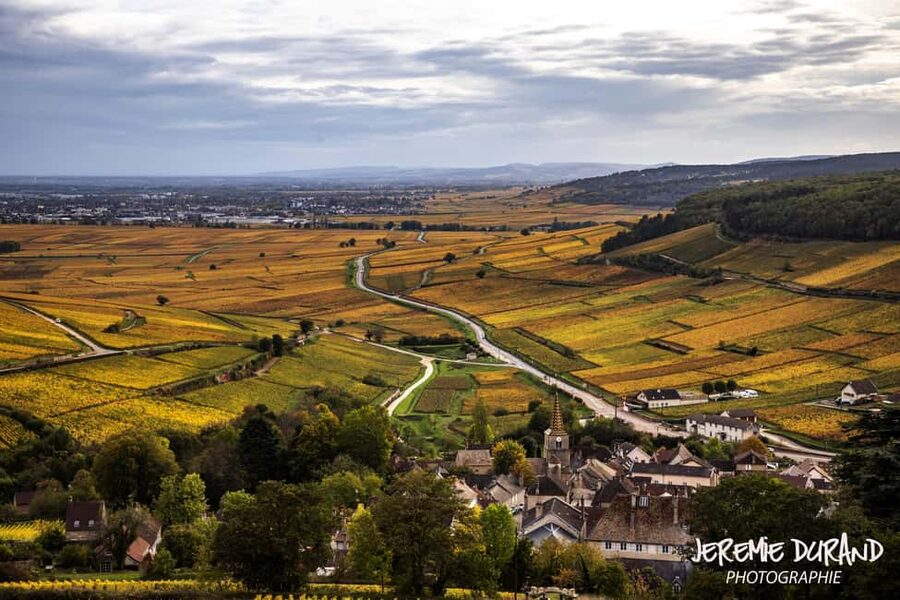
Burgundy can be hard to understand from a wine list alone. The names refer not only to villages, but also to individual vineyard sites, quality levels, and the differences between the Côte de Beaune and Côte de Nuits. This tour gives you a visual map before asking you to make sense of the bottles.
The route follows the famous Grands Crus road, though the day is not limited to grand cru vineyards. You pass through well-known wine villages and see the working vineyard country around them. That matters because Burgundy wine is closely tied to place. A guide who can point out plots and explain how labels work gives you more than a scenic drive.
I especially like the way the day is divided into two halves. The morning focuses on the Côte de Beaune, known for villages such as Pommard, Meursault, and Chassagne-Montrachet. The afternoon moves to the Côte de Nuits, with Nuits-Saint-Georges, Vosne-Romanée, Gevrey-Chambertin, and Clos de Vougeot.
You will not become a Burgundy expert in seven hours, but you should leave with a clearer sense of the region’s structure. The day is educational without requiring previous wine knowledge. One participant with limited wine experience found the explanations easy to follow, while another person who had already taken wine tours still found the vineyard and growing information useful.
More full days in the vines around France:
The morning through Pommard, Meursault, and Chassagne-Montrachet
The first part of the day takes you through the Côte de Beaune. Pommard is one of the best-known names on this stretch, and it gives the guide a natural starting point for discussing Burgundy’s village wines and vineyard distinctions.
Meursault brings a different focus. It is especially associated with white Burgundy, making it a useful place to consider how the same broad region produces different styles and reputations. Chassagne-Montrachet continues that conversation, while also helping you place the celebrated Montrachet area within the wider route.
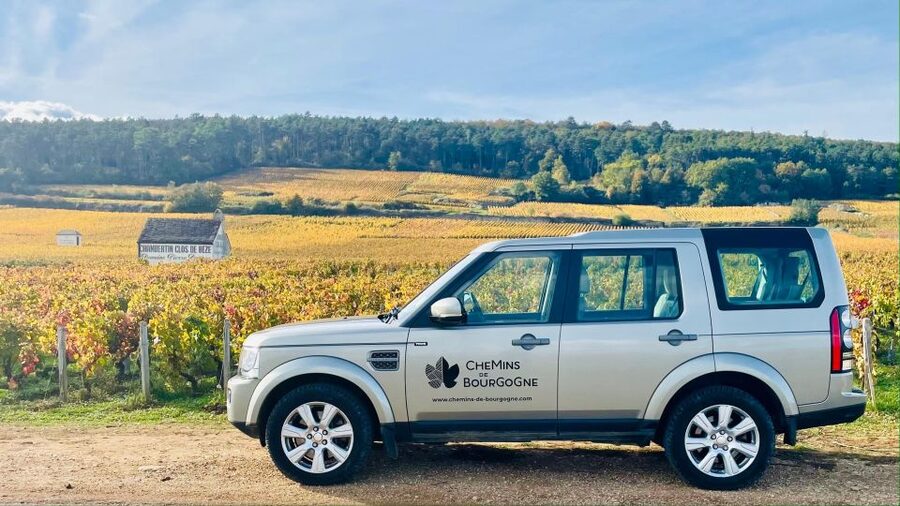
The exact balance of driving, village commentary, and vineyard roads can vary, but the experience includes close views of the famous vineyards. One particularly useful detail is that the cars can take narrow vineyard roads that you might not feel comfortable handling on your own. That makes the day less about simply passing the vineyards on a main road and more about seeing the plots at close range.
Your guide explains the grapes, growing process, winemakers, and the way Burgundy labels work. The explanation can include how to read a label, understand vineyard plots, and make sense of rankings. These are practical skills if you plan to buy Burgundy wine later, since the label can seem more complicated than those from regions that lead with a large estate name.
The first tasting in a Burgundy domaine or cellar
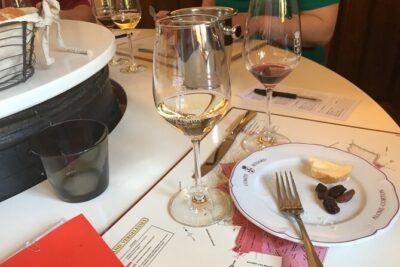
A tasting of about five wines is included in the morning, held at a domaine or cellar. This is where the place names begin to connect with actual wine. Instead of spending the whole morning looking at vines and hearing general background, you get a chance to taste the results.
The number of wines is enough to show contrast without turning the stop into a rushed parade of glasses. I would listen closely to the guide’s explanation of what you are tasting, but I would not expect every bottle to suit your taste. One tasting received mixed personal reactions, with the white wines preferred to the reds, while the second tasting was described as strong across the selection. That is normal for a regional introduction. The value is in comparison, not in a promise that every wine will be a favorite.
The setting may be a traditional cellar, so bring a jacket even if the day is warm. The indoor temperature can be cold throughout the year. This is a small point, but it can make a real difference when you are trying to pay attention to the wine rather than wishing you had packed another layer.
Lunch in Beaune gives you useful freedom
At midday, you get free time in Beaune for lunch. The meal is not part of the $230 price, so you should budget separately. The advantage is choice: you are not tied to a fixed menu or a restaurant selected for the whole group.
Beaune is also a practical pause between the two wine areas. You can use the time for a proper meal, a quick bite, or simply a break from the car and tastings. The available information does not specify a restaurant or a set lunch duration, so check the timing with your guide at the start of the day if you need a particular meal plan.
I see this as a better arrangement than an included meal for many people. A fixed lunch can add cost without adding value, especially if you prefer a light meal after wine tasting. The tradeoff is that you must make your own plan and pay for it directly.
More vineyard visits around France:
- Saint-Émilion: Grand Cru Classé Winery Visit and Tasting
★ 4.6 · 1,118 reviews - Saint Emilion Half-Day Trip with Wine Tasting & Winery Visit from Bordeaux
★ 4.5 · 1,034 reviews - Saint-Émilion: Bordeaux Vineyard Tour and Wine Tasting
★ 4.8 · 578 reviews - Bordeaux: Vineyards Wine Tasting Half-Day Trip
★ 4.2 · 470 reviews
The afternoon on the Côte de Nuits
After Beaune, the route turns toward the Côte de Nuits. The names become especially familiar to Burgundy drinkers: Nuits-Saint-Georges, Vosne-Romanée, and Gevrey-Chambertin are all part of the afternoon drive.
Vosne-Romanée is a key stop in the story of Burgundy’s most sought-after vineyards. Gevrey-Chambertin adds another important village to the route. Nuits-Saint-Georges helps fill in the wider picture, showing that the Côte de Nuits is not just a short list of famous labels but a chain of villages and vineyard areas with their own identities.
The tour also passes the Château du Clos de Vougeot, one of the most recognizable sites along the route. The day’s focus remains wine and vineyards, so this is not presented as a separate castle visit with a long interior tour. Think of it as an important landmark within the drive and the guide’s explanation of Burgundy’s wine country.
This section is particularly helpful if you have seen Côte de Beaune names on restaurant lists but do not know how the northern villages relate to them. The guide’s comments can turn a series of names into a route you can picture. That visual memory often helps later, when you are choosing between a Côte de Beaune white and a Côte de Nuits red.
The second tasting completes the comparison
The afternoon ends with a second tasting of around five wines. Placing the tastings in separate parts of the day is one of the tour’s strongest design choices. You can compare not only wines, but also the two major stretches of Burgundy covered by the route.
The tasting is held at a domaine or cellar, with the exact producer not fixed in the information provided. One reported afternoon stop was at Bernard Rion in the Côte de Nuits, while the morning visit was at Domaine du Moulin aux Moines in the Côte de Beaune. These examples show that the producers may vary, so you should not book expecting one specific domaine unless the operator confirms it.
The guide remains important here. Wine tasting can become a blur when you sample ten wines without context. Guides such as Alexandre and Antonin have been praised for explaining the growing process, vineyard plots, wine history, and labels in plain language. Raphaël was also noted for being friendly and clear, while Seb was remembered for both his wine expertise and humor.
That range of guide styles matters because a day with ten tastings can feel formal or intimidating if the explanations are aimed only at serious collectors. The strongest feature of this experience is its ability to meet you where you are. You can ask basic questions without feeling out of place, while people with more experience still have vineyard and production details to consider.
What the $230 price includes
At $230 per person, this is not a budget sightseeing drive. The price includes the guided experience, transport in the tour cars, and two tastings. It also includes departure and return in Dijon or Beaune, which can remove the need to arrange a separate driver for a full day of wine tasting.
The group limit of eight is important when judging the cost. You are not paying only for transportation. You are paying for a small group, a guide focused on Burgundy, access to two tasting stops, and a route that covers both the Côte de Beaune and Côte de Nuits in one day.
The value is strongest if you want structure and explanation. If you already have a rental car, a designated driver, strong knowledge of the region, and appointments arranged at wineries, you might prefer to plan independently. But booking separate tastings and managing the route yourself can be awkward, especially when you want to sample wine.
I would also factor in lunch and any wine purchases. Since lunch is not included, the final cost will be higher than the headline price. Still, for someone staying in Dijon or Beaune and wanting one concentrated day in the vineyards, the price is reasonable if you value the guide and the convenience of not driving.
Group size, pace, and guide style
The small-group format is a major advantage. With no more than eight participants, the guide has a better chance to hear your questions and adjust the amount of detail. The pace has also been described as well balanced, allowing time to see the area while still covering a large stretch of Burgundy.
Do not mistake a seven-hour tour for a slow village holiday. You cover two wine districts, stop for two tastings, and have free time for lunch. Much of the day is spent moving between locations, so you should be comfortable with a full schedule in a car.
The published duration is seven hours, while the itinerary describes about 7 hours and 30 minutes of travel through the region. Confirm the exact departure and return time when you book, especially if you have an evening train, dinner reservation, or another activity planned.
The guides named in the feedback include Alexandre, Antonin, Raphaël, and Seb. The specific guide depends on the date, but the most praised qualities are consistent: clear communication, strong Burgundy knowledge, patience with different levels of wine experience, and a personable manner. One guide was singled out for listening carefully and adjusting explanations to the group. That is exactly what you want on a subject that can otherwise feel full of jargon.
Who should book this Burgundy tour?
I would choose this tour if you are staying in Dijon or Beaune and want a broad introduction to Burgundy wine in one day. It suits couples, small groups of friends, and curious wine drinkers who want more than a tasting room without committing to a private full-day tour.
It is also a good fit for mixed-experience groups. A serious wine enthusiast can ask about vineyard plots, rankings, and growing methods, while a beginner can focus on the basics of grapes, labels, and villages.
You might skip it if your priority is a long lunch, a single village, or an unhurried visit to one producer. The route covers a lot of ground, and the two tastings are part of a wider regional lesson rather than an afternoon spent at one estate.
The experience has a 4.9 rating from 12 reviews, with praise focused most heavily on the guides, the clear explanations, the well-paced route, and the chance to see both major vineyard areas. I would give those points more weight than the rating itself, since they address the parts that can make or break a wine tour.
Final decision: a strong one-day introduction to Burgundy
Book this tour if you want to understand how Burgundy’s famous names fit together, taste about ten wines, and let someone else handle the narrow vineyard roads. The combination of the Côte de Beaune in the morning, Beaune at lunch, and the Côte de Nuits in the afternoon gives you a useful first map of the region.
The main cautions are simple: lunch costs extra, the day is full, and $230 is a serious outlay. Bring a jacket, arrive at the Solstice reception at least 10 minutes early, and confirm your departure point in Dijon or Beaune.
For a first or second visit to Burgundy, I think the tour earns its price through its range and its guide-led explanations. If you want the freedom to set your own route or already know the region well, independent visits may suit you better. For most people seeking a practical, well-organized introduction, this is a smart way to spend a day among the vineyards.
FAQ
How long does the Burgundy vineyard tour last?
The activity is listed as lasting seven hours. The itinerary also describes the day as a 7-hour and 30-minute journey, so confirm the exact schedule when booking.
Where does the tour depart and return?
Departure and return are available in Dijon or Beaune.
Where should I meet the group?
You should report to the reception at Solstice at least 10 minutes before departure.
How many people are in the group?
The group is limited to eight participants.
Which languages are available?
The tour is offered in French and English, with a live guide.
How many wine tastings are included?
Two tastings are included. Each features around five wines, for roughly ten wines across the day.
Is lunch included?
No. You have free time for lunch in Beaune, but the meal is not included in the tour price.
Should I bring a jacket?
Yes. A jacket is recommended even in hot weather because the cellar can be cold all year.
Can I cancel the booking?
You can cancel up to 24 hours in advance for a full refund. The reserve-now, pay-later option is also available.
Just listed around France
- Vosne-Romanée: Private Vineyards Walking Tour with Tasting★ 4.4 · 9 reviews
- Vineyard of the Alpilles by bike★ 4.6 · 8 reviews
- Vineyard tour and wine tasting in Davron★ 4.5 · 7 reviews
- Vineyard visit in Gyropode, visit of Cave & Tasting Wines of Bandol★ 5.0 · 19 reviews
- Private Vineyard Tour and Wine Tasting in Bandol★ 5.0 · 16 reviews
- Horse riding in the vineyards of Grimaud + wine tasting★ 5.0 · 3 reviews
- Bike ride on the Wine Route from Sélestat★ 5.0 · 5 reviews
- 1/2 day private Vintage tour, vineyards of Saint-Tropez★ 5.0 · 6 reviews
Beaune Vineyard Tours, compared.
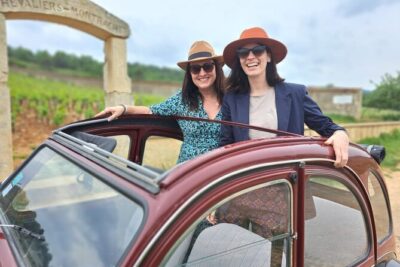
Half-day guided tour on the Burgundy wine Route in a classic car
Read our review →
Browse the lists this tour appears in