
REVIEW · RIOJA AND RIBERA WINE TOURS
Ribera del Duero wine region private tour
The best part of this private Ribera del Duero tour is the contrast between its two wineries. One is modern and architectural, built to work with the land and the demanding climate. The other is a family-run cellar dating to the 16th century, with more than a thousand barrels stored underground. In between, you taste the same Tempranillo grape in very different forms.
I like the chance to meet winemakers and owners instead of simply walking through a polished tasting room. I also like that lunch is a full Castilian meal, not a hurried sandwich between appointments. The main drawback is important: photos may suggest visits to Protos or Emilio Moro, but those wineries are not part of this route. Confirm the exact wineries before booking if famous labels matter to you.
Key points at a glance
- Two very different wineries: Compare modern winemaking facilities with a historic family cellar.
- Tempranillo takes center stage: Taste several expressions of the grape that defines Ribera del Duero.
- Underground cellars: Enter working subterranean spaces where barrels age in steady conditions.
- A private day from Madrid: Hotel pickup, transport, lunch, tastings, and a bilingual guide are included.
- Medieval village stop: Explore cellar hills and enjoy a broad sample of traditional Castilian food.
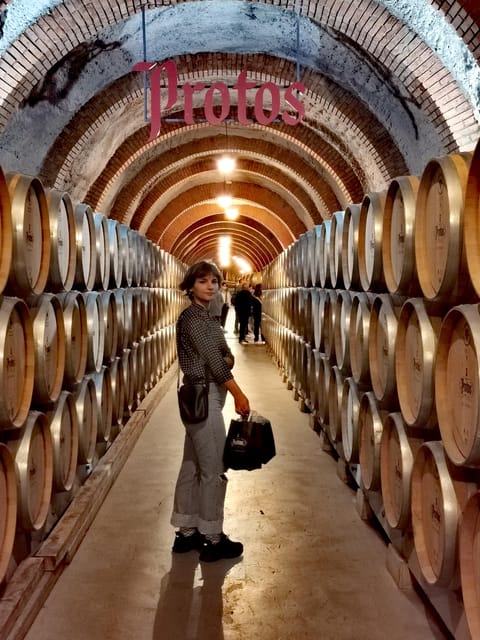
- Check the winery names: The route does not include Protos or Emilio Moro, despite images that may create that expectation.
Why Ribera del Duero makes a strong day trip from Madrid
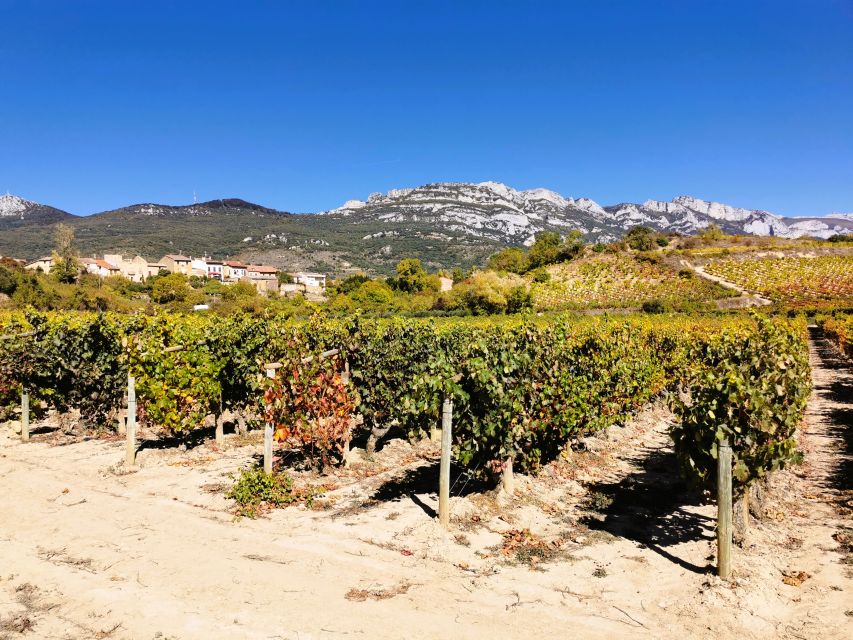
Ribera del Duero is one of Spain’s best-known wine regions, and it has built a strong international reputation in a relatively short time. The area is closely tied to Tempranillo, here known in local forms such as Tinto del País or Tinta del País, though this tour presents the wines through the broader Tempranillo name.
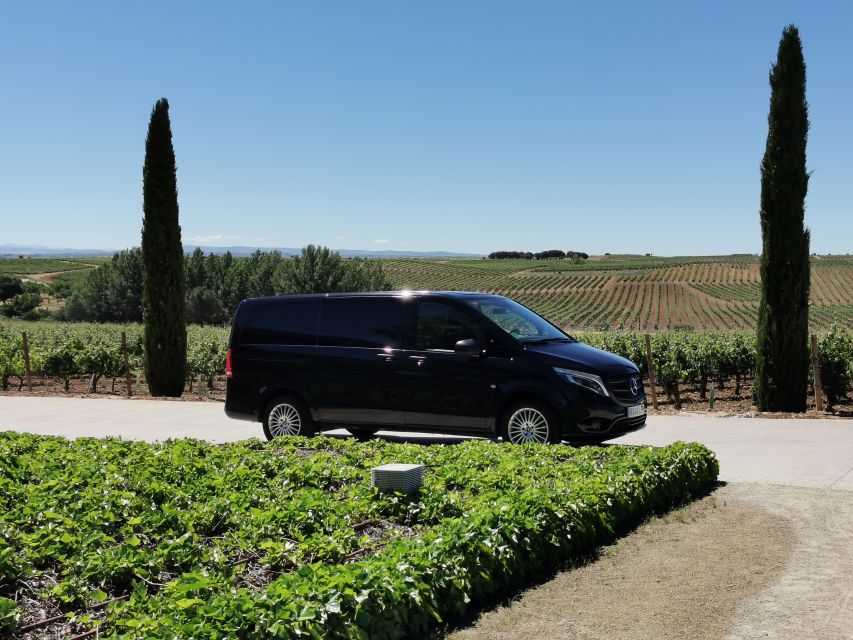
The region is not a quick hop from central Madrid. The drive takes about 105 minutes in the morning and around an hour and a half on the return. That means roughly three hours in the vehicle, but the private format makes the journey more useful. Your guide can put the vineyards, villages, and wineries into context as you go.
I see this as a good choice if you want a serious wine day without renting a car. You avoid driving after several tastings, and hotel pickup and drop-off remove the need to coordinate trains, taxis, and rural transport.
The tradeoff is time. Ten hours is a full day, and the wineries are not close to Madrid. If you want only a quick tasting, this is too much. If you want to understand why Ribera del Duero wine costs more and tastes different from many Rioja bottles, the long day earns its place.
More Wine Country Day Trips in Spain
- From Fuerteventura: Lanzarote Volcano and Wine Region Tour
★ 4.4 · 1,220 reviews - Lanzarote Volcano and Wine Region Tour from Fuerteventura
★ 4.5 · 264 reviews - Sun and Wine Route – Small group, wine tasting and tapas included
★ 5.0 · 87 reviews
The 105-minute ride into wine country
Pickup is from your hotel in Madrid, and you are asked to wait in the lobby 10 minutes before the scheduled time. The drive out gives the guide room to explain the day and introduce the region before the first tasting begins.
Ribera del Duero is known for a demanding climate, and the tour gives attention to grape growing under those conditions. The area’s extremes help shape the character of its wines, while the cellar provides a controlled setting for aging.
Because this is a private group, the pace should feel more personal than a large coach outing. You can ask about Tempranillo, barrel aging, cellar design, and the differences between the two producers. The guide service is available in English or Spanish.
Named guides Enrique and Jaime have led this outing. Enrique is described as especially strong on wine and the region, while Jaime received praise for his care behind the wheel. Guide assignments can change, so treat those names as useful background rather than a guarantee.
The modern winery and its barrel tasting
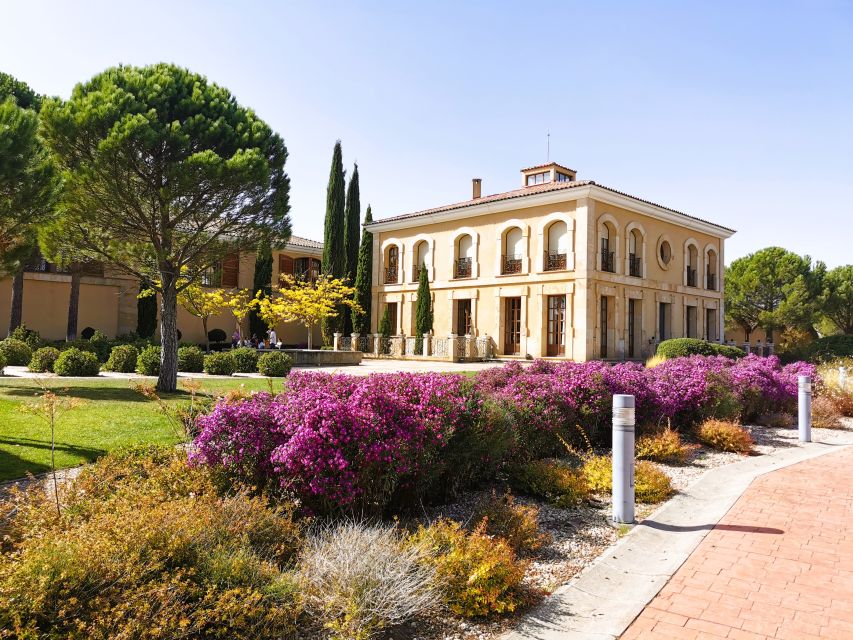
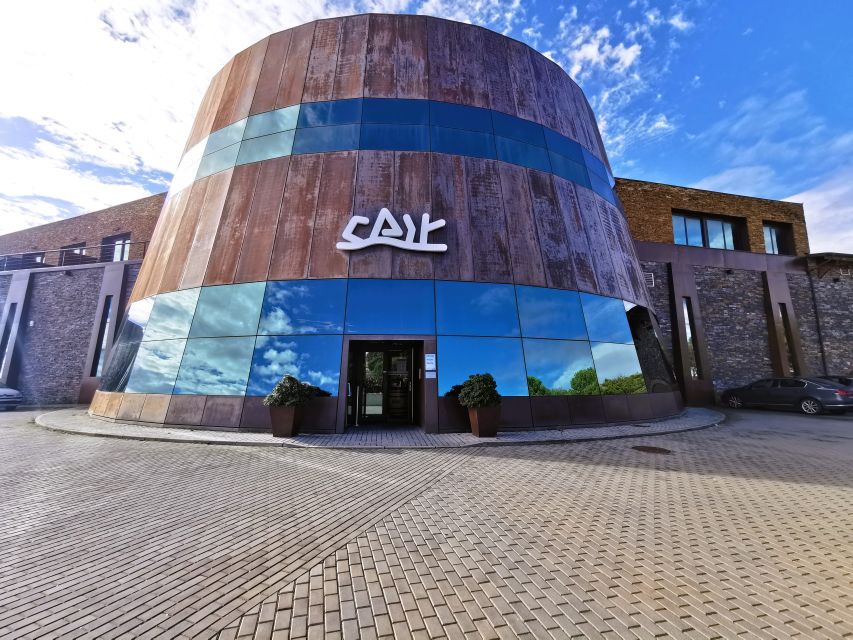
The first winery offers a look at the newer face of Ribera del Duero. Its avant-garde building is designed around function, appearance, and its setting. This is not simply a pretty stop for photographs. The point is to see how a current producer manages grapes, fermentation, storage, and aging under one roof.
The visit lasts about an hour and a half. You learn how the winery handles grapes grown in the region’s severe conditions, then follow the process through production and maturation. The focus is practical: what happens to the grape, how long the wine ages, and how the vessel changes the final result.
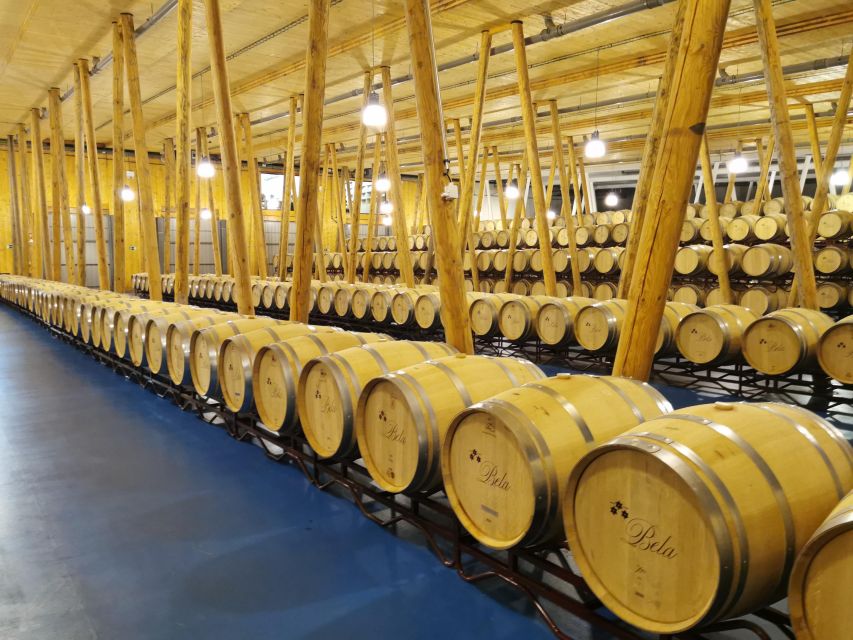
One useful part of this visit is the tasting from American and French oak barrels in the underground cellar. Oak can add different aromas, flavors, and textures, and tasting wine at this stage helps you understand what aging does before a finished bottle reaches the table.
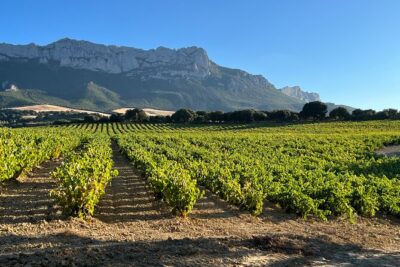
The tour then moves to the wine bar for three of the winery’s top wines. The setting includes old vineyards around the building, giving you a direct view of the vines behind the bottles. That link between vineyard, cellar, and glass is one reason this stop works well for people who want more than a standard tasting flight.
Still, modern design is not for everyone. If you prefer small, rustic bodegas, this first visit may feel polished and technical. That is why the second winery matters.
The 16th-century cellar beneath the village
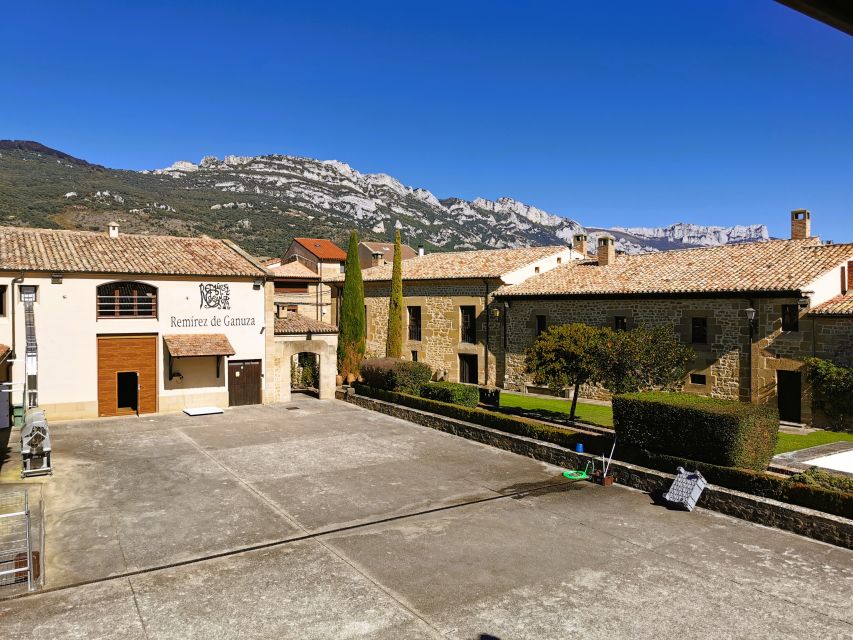
The second stop shifts the mood completely. It is a family winery and an early promoter of the Ribera del Duero designation of origin. Its cellar dates to the 16th century and remains in production, making it one of the most distinctive parts of the day.
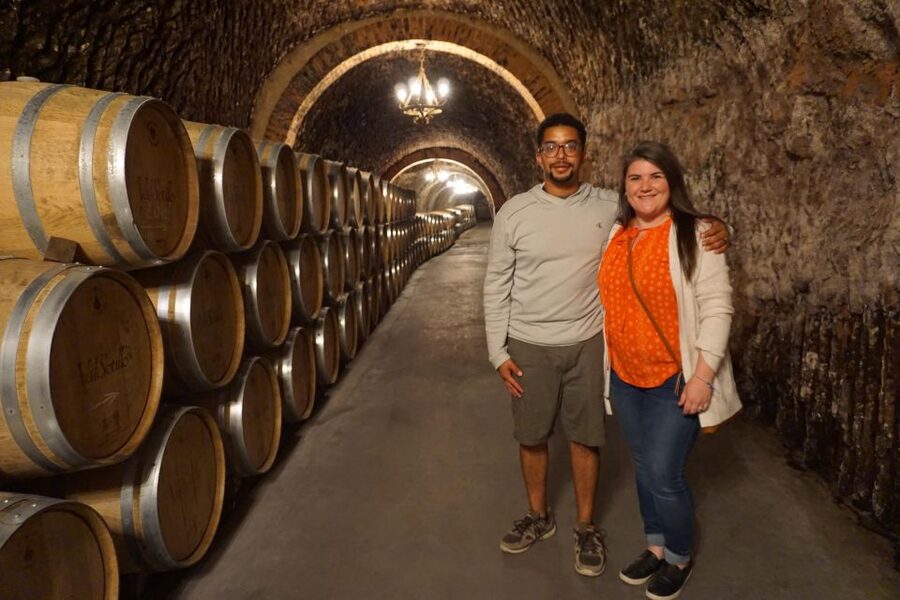
You enter below ground, where more than a thousand barrels hold wine as it ages. The owners guide the visit, giving you direct contact with the people responsible for the winery rather than a standard scripted presentation.
This is the tour’s strongest historic element. You are not just looking at an old room preserved for display. The cellar is still tied to active production, and the underground setting shows how earlier wine producers used the earth to help maintain suitable aging conditions.
The visit also gives you a second way to understand Tempranillo. The first winery presents a modern, designed approach. This family producer connects the grape to older cellar traditions and a long-running local business. You can compare the two methods without needing specialist wine knowledge.
The underground setting may involve uneven floors or dim spaces, so comfortable shoes are a sensible choice. The official advice is simple: bring comfortable clothes and shoes.
More Rioja and Ribera bodegas around Spain:
- From Bilbao: Rioja Wine Region with Winery & Vitoria-Gasteiz
★ 4.5 · 60 reviews - Rioja Wine Route with winery owner
★ 5.0 · 54 reviews - Full Day Tasting The Unknown Rioja Wine Region
★ 5.0 · 34 reviews - Rioja wine region with visit to winery & Vitoria-Gasteiz
★ 4.5 · 32 reviews
Lunch in a Castilian village
After the winery visits, the day pauses for a full meal in a small village. Lunch is included, and the menu offers a broad representation of traditional Castilian cooking.
This timing matters. Two winery visits can turn into a blur if you do not stop for a proper meal. Here, lunch gives you time to eat, talk with the guide, and let the tastings settle before the drive back to Madrid.
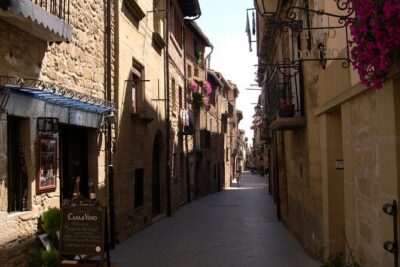
The village itself adds another layer to the outing. You can explore the hill of wine cellars and take in a wide view of the surrounding region. These cellar hills are part of the local pattern of wine production, showing how village life and winemaking have long been connected.
Do not expect a long independent sightseeing stop in a major historic town. The description promises a quaint village, a cellar hill, and a panoramic view rather than a full walking tour of monuments. Think of it as a scenic, food-focused break that supports the wine theme.
What the $412 price means
At $412 per person, this is not a budget wine excursion. The value depends heavily on your group size and on how much you would otherwise spend arranging the day yourself.
The price includes hotel pickup and drop-off, private transportation, an expert bilingual guide, entrance to both wineries, tastings, and a full meal. It also gives you a private group rather than placing you on a large shared coach.
For a couple, the cost is a serious splurge. For a small family or group of friends, the private format can make more sense because the transport and guide are shared among your own party. The day also avoids the hidden costs and hassle of arranging rural taxis or appointing a designated driver.
The value is strongest for people who want access and explanation, not just wine samples. You are paying for the long transfer from Madrid, local interpretation, two contrasting cellar visits, several tastings, and lunch. If you mainly want to buy a bottle from a famous producer, this is probably not the most targeted use of your money.
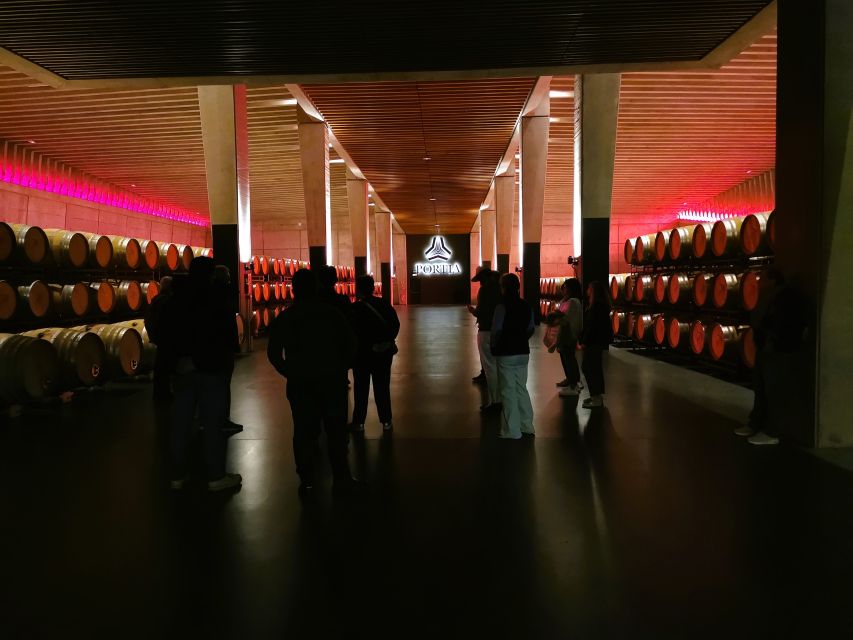
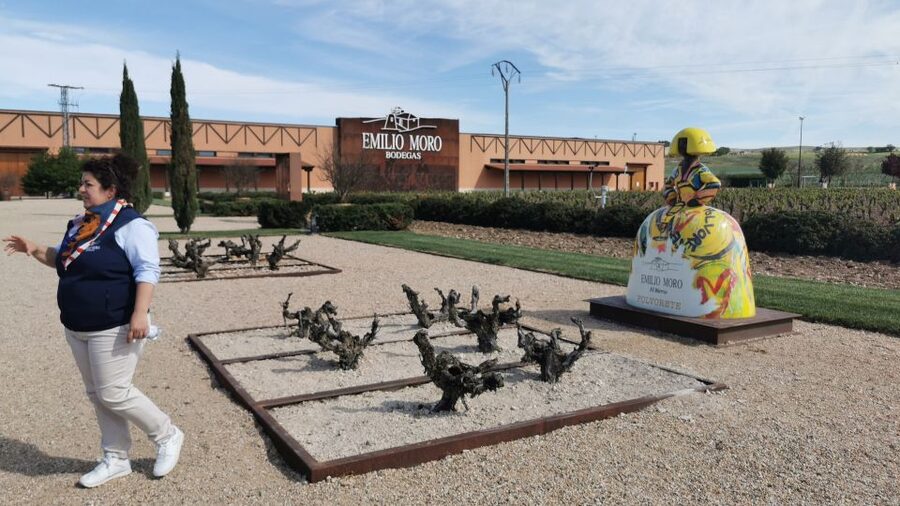
One warning deserves attention. Promotional images may show Protos and Emilio Moro, but the route does not visit either winery. Those are major names in the region, and the pictures can create a clear expectation. Ask for the exact winery names before reserving if those labels are your priority.
How much wine knowledge do you need?
Very little. The tour is built around explanation, not a test of tasting vocabulary. You will learn about Tempranillo, grape growing, winemaking, barrel types, and aging times during the visits.
You can make the day more rewarding by paying attention to the contrasts. At the modern winery, notice how the building supports production and visitor flow. During the barrel tasting, compare American and French oak. At the historic cellar, notice how the underground space changes the feeling of the visit.
You will taste three of the modern winery’s best wines, along with the wines included at the second producer. The exact labels and number of pours at the family winery are not specified, so do not book expecting a fixed bottle list.
The private setting also helps if your group has mixed wine knowledge. Beginners can ask basic questions without embarrassment, while experienced drinkers can focus on production choices and aging.
Timing, comfort, and the return to Madrid
The full outing lasts 10 hours. The planned stops include about 90 minutes at each winery and 90 minutes for lunch, with the remaining time used for driving and movement between stops.
That is a comfortable rhythm for a day built around wine. You are not rushing through two cellar tours, but you also are not spending an entire afternoon in one tasting room. The long return drive can feel tiring, especially after lunch and wine, but the included transportation means you can rest rather than drive.
Wear shoes suitable for village streets and underground cellars. Comfortable clothing is also a good idea because the schedule combines road time, walking, tasting, and a full meal.
Free cancellation is available up to 24 hours before departure for a full refund. You can also reserve and pay later, which helps if your Madrid plans are still shifting. Pickup is included, and you should be in your hotel lobby 10 minutes before the arranged time.
Who will enjoy this private wine day?
I would recommend it to wine drinkers who want to see how Ribera del Duero works beyond a bottle label. It also suits families or friend groups who value a private vehicle, a flexible guide, and a full meal.
It is a good match for you if:
- You are staying in Madrid and do not want to drive.
- You want two different winery styles in one day.
- You enjoy meeting owners and winemakers.
- You prefer a private group to a large coach.
- You want history, village scenery, and food along with tastings.
- You are curious about Tempranillo and barrel aging.
I would think twice if you want to visit specific famous wineries, especially Protos or Emilio Moro. I would also skip it if your main goal is a short tasting close to Madrid. The journey is long, and the price reflects the private transport and full-day format.
Should you book the Ribera del Duero tour?
Book it if you want a well-rounded wine day from Madrid, with two contrasting producers, underground cellars, a proper Castilian lunch, and a guide who can explain the region in English or Spanish. The modern winery and the 16th-century family cellar give the day a useful sense of range.
Before paying, confirm which two wineries are scheduled. That one question protects you from the main disappointment attached to this outing. If you are comfortable with the named producers being different from the famous wineries shown in some images, the private format and included services make the $412 price easier to justify.
FAQ
Where does the tour begin and end?
Pickup and drop-off are included at your hotel in Madrid. You should wait in the hotel lobby 10 minutes before the scheduled pickup time.
How long does the experience last?
The full experience lasts 10 hours. The morning drive takes about 105 minutes, and the return drive takes about an hour and a half.
How many wineries will I visit?
You will visit two wineries in Ribera del Duero. They represent different approaches to making Tempranillo-based wines.
Are Protos and Emilio Moro included?
No. Protos and Emilio Moro are not part of the route, even though they may appear in photographs associated with the experience.
Is lunch included?
Yes. The price includes a full meal in a village, with a broad selection of traditional Castilian food.
What does the price include?
The $412 per person price includes hotel pickup and drop-off, transportation, a bilingual guide, winery entrances, wine tastings, and lunch.
Is the tour private?
Yes. It is offered for a private group rather than as a shared group outing.
Which languages are available?
The live guide service is available in English and Spanish.
Can I cancel or pay later?
You can cancel up to 24 hours before the experience for a full refund. Reserve now and pay later is also available.
Just listed around Spain
- Winery Visit and Tasting in Elche with wines and tapas from Alicante in Van★ 5.0 · 9 reviews
- Xalo: Vineyard Tour with Wine Tasting and Snacks★ 4.9 · 8 reviews
- Wine Route with 3 Tastings & Castillo La Mola: Small Group★ 4.9 · 31 reviews
- Valencia: Vineyard Tour, Local Wine, Cava Tasting & Snacks★ 5.0 · 8 reviews
- Valencia: Premium Wine Tasting & 3-Course Gastronomic Lunch★ 4.8 · 2 reviews
- Requena Somm. Private Vineyards/ Premium Wine tasting 1/2 Day★ 5.0 · 5 reviews
- Visit to Arafo Mountain Vineyard and Organic Wine Tasting★ 5.0 · 23 reviews
- Full Day Tasting The Unknown Rioja Wine Region★ 5.0 · 34 reviews
Rioja and Ribera Wine Tours, compared.
From Bilbao: Rioja Wine Region with Winery & Vitoria-Gasteiz
Read our review →
Rioja wine region with visit to winery & Vitoria-Gasteiz
Read our review →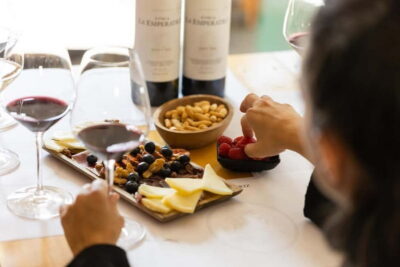
From Bilbao: La Rioja a journey to the vineyards & tradition
Read our review →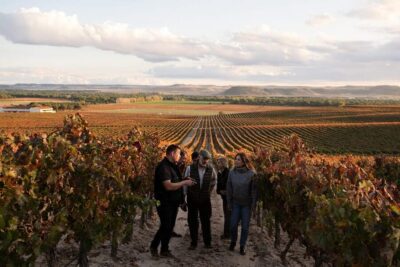
Ribera del Duero: Experience, vineyard, and 4×4 ride, plus an aperitif and tasting.
Read our review →
Ribera del Duero Winery Tour & Wine Tasting Near Valladolid
Read our review →
From Madrid to Ribera del Duero: Hidden Vineyards and Towns
Read our review →Browse the lists this tour appears in