
REVIEW · WINERY TOURS
Perugia Winery Visit & Tasting near the Lake Trasimeno
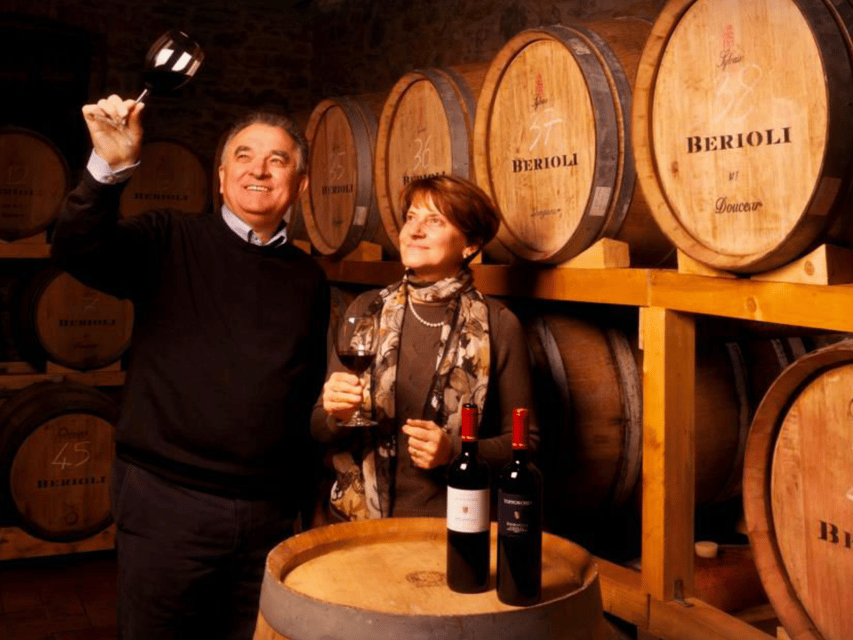
The best part of this 90-minute winery visit is its mix of hands-on scenery and serious tasting. You walk through the vineyards near Lake Trasimeno, see the historic cellar, then taste six wines with Umbrian foods rather than simply lining up at a bar. I like the personal touch: the owner often chats with visitors, and guide Irene has been singled out for her warm, informed approach.
I also like the range, from sparkling wine through white and red varieties, plus the chance to see French oak barrels and modern wine-making equipment. The main consideration is transport: this is a countryside visit in Magione, about 20 minutes by car from Perugia, so you need your own ride or a planned taxi.
Key points at a glance
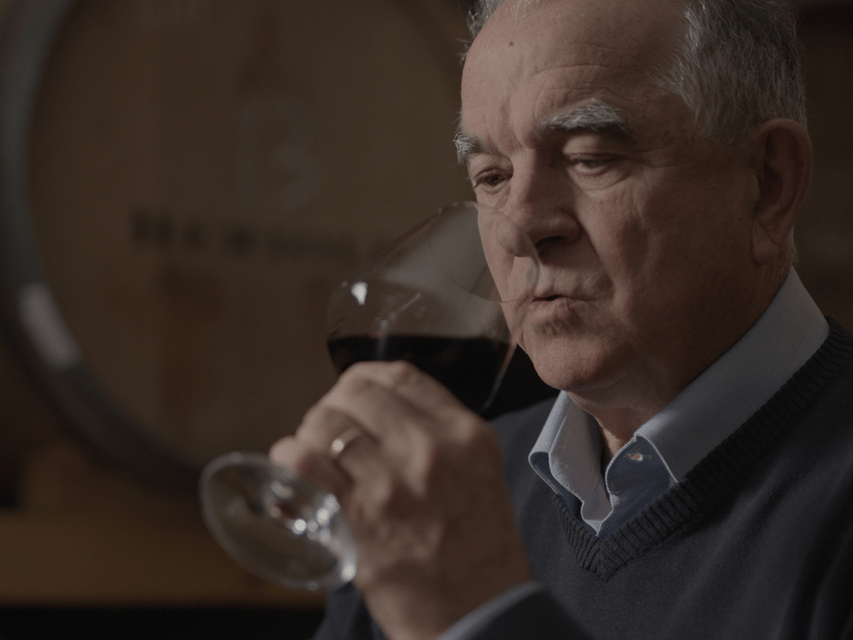
- Six wines in one sitting: Taste sparkling, white, and red wines made from grapes such as Grechetto, Chardonnay, Trebbiano Toscano, Sangiovese, Merlot, and Cabernet Sauvignon.
- A family welcome: The owner may spend time talking with you, while guides such as Irene lead the tasting and explain the wines.
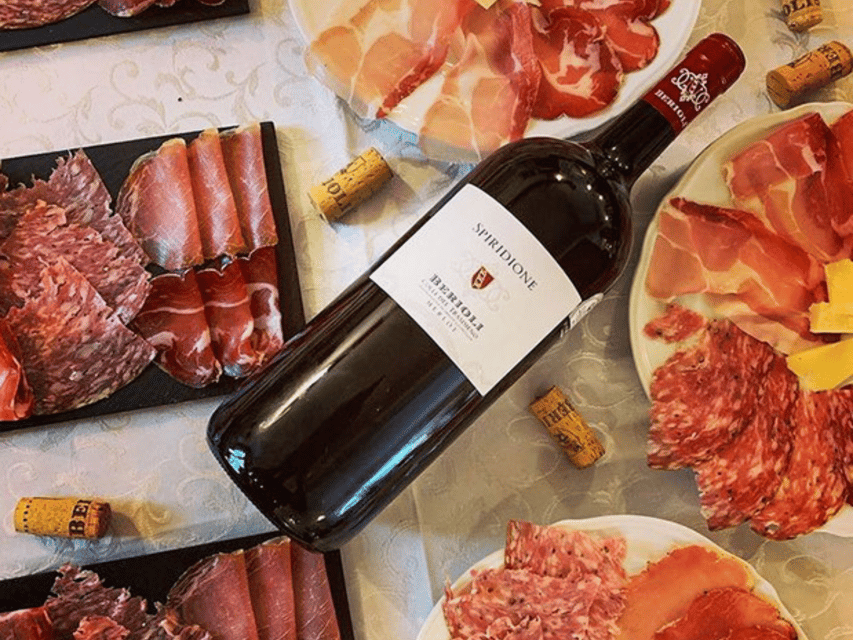
- Food that makes the tasting useful: Bruschetta with local olive oil, regional cheeses, and cold cuts give you something to compare with each wine.
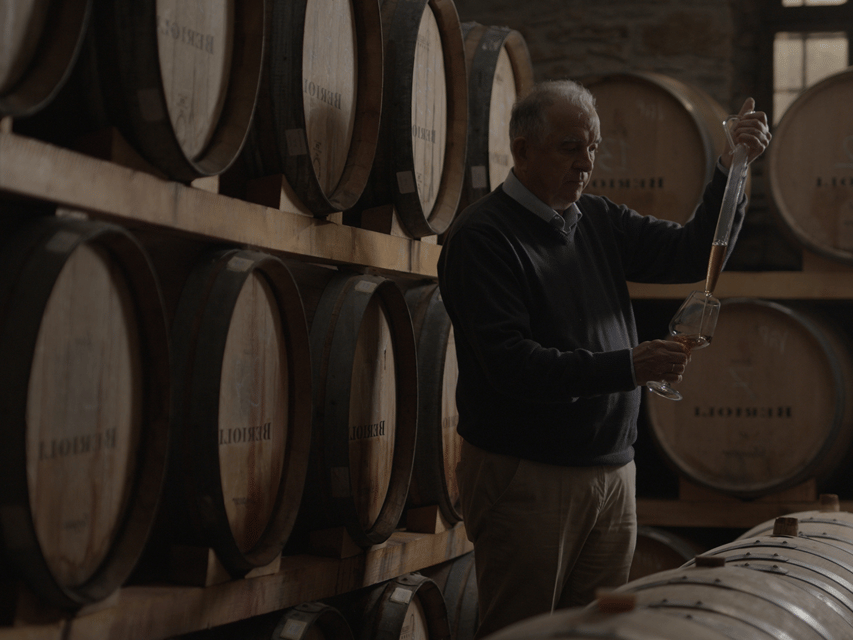
- Vineyard and cellar access: Walk through the 12-hectare estate and see the historic barrel cellar, wine-making areas, and French oak aging barrels.
- A convenient Umbrian outing: The winery is roughly 20 minutes from Perugia and 15 minutes from Lake Trasimeno by car.
- Small-scale, personal feel: The family’s century-long connection to the land and organic farming methods add substance beyond the tasting itself.
A family winery in the hills near Lake Trasimeno
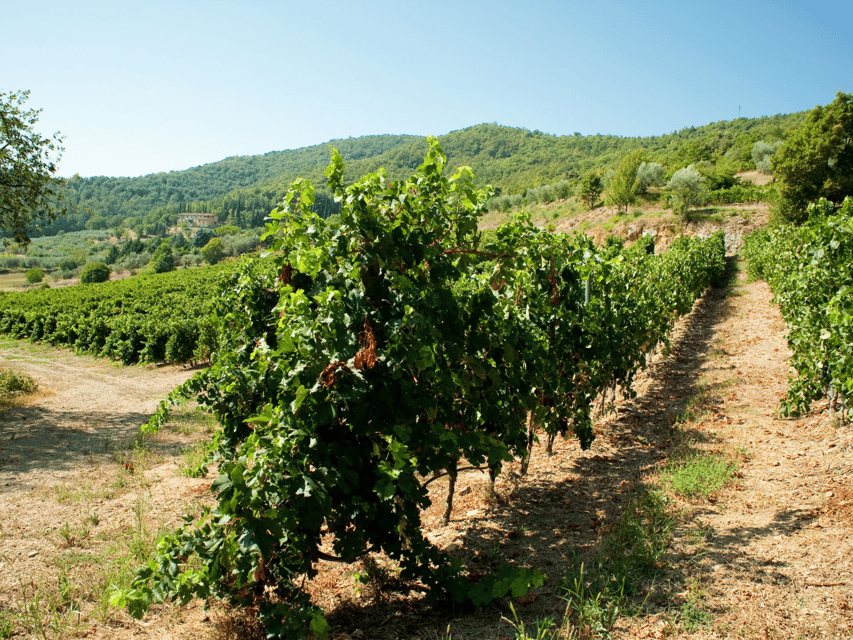
This experience takes place in Magione, a short drive from Perugia and Lake Trasimeno. You enter through a gate beside a narrow road and an olive grove, then arrive at a family-run estate surrounded by vineyards and Umbrian countryside.
The setting matters. A city wine bar can explain a bottle, but here you see where the grapes grow and how the finished wine is handled. The estate covers 12 hectares of vines, along with olive trees and grain fields. The family has worked this land for more than a century, with current farming focused on organic methods and care for the soil.
That does not make the visit formal or fussy. The tone is personal. The owner may greet you and spend time chatting, and the guide leads the visit in English or Italian. Irene has been praised for being friendly and clear, a useful combination when wine terms start to pile up.
The estate also offers a good view of two sides of modern Umbrian wine. You see old family traditions in the historic cellar and long connection to the land, but you also see advanced tools in the wine-making areas. That contrast helps you understand that regional wine is not frozen in the past.
More Winery Tours in Italy
- Chianti Delights: A Tale Of Two Wineries With A Vineyard Dinner
★ 4.0 · 324 reviews - Private tour of Etna and Winery Visit with Food and Wine Tasting from Taormina
★ 5.0 · 221 reviews - Verona: Montresor Winery Visit with Wine Tasting and Snacks
★ 4.6 · 217 reviews
Walking among the vines before the tasting
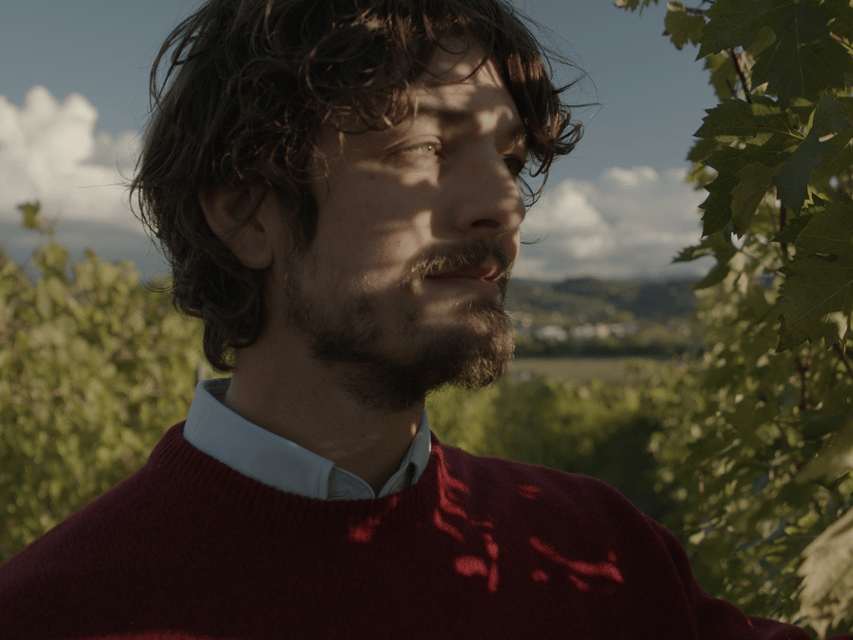
The vineyard walk gives you a useful starting point. Instead of hearing grape names with no context, you can connect the wines to the hills and fields around you. The estate grows both familiar international grapes and local Italian varieties, including Merlot, Sangiovese, Cabernet Sauvignon, Grechetto, Chardonnay, and Trebbiano Toscano.
You should not expect a long hike. The full activity lasts about an hour and a half, and the vineyard walk is one part of a compact visit. It is best understood as a close look at the estate rather than a countryside trek.
The walk is especially worthwhile for anyone curious about how a winery chooses its grapes. Sangiovese is a familiar name in central Italy, while Grechetto and Trebbiano Toscano connect the tasting more directly to local white-wine traditions. Merlot, Cabernet Sauvignon, and Chardonnay show how the estate also works with widely known international varieties.
The information you receive can help you taste with more purpose. A white wine may feel different beside olive oil and bruschetta than beside a salty cheese. A red may seem more balanced with cold cuts. The point is not to memorize tasting terms. It is to notice what changes when the food changes.
Inside the historic cellar and wine-making areas
After the vineyard walk, you explore the cellar and production spaces. The historic barrel cellar is where wines are aged in French oak barrels. This is a practical stop, not just a photogenic one. Oak aging can affect a wine’s texture and aroma, and seeing the barrels makes that part of the process easier to understand.
You also see the wine-making areas and advanced equipment. The combination of old cellar and newer tools gives the visit a fair picture of the estate’s approach. Family tradition supplies the identity, while careful equipment supports consistency and quality.
The visit does not promise a long technical lecture, and that is probably a good thing for a short outing. You get enough information to understand the broad process, from grapes in the vineyard to wine in the bottle, without giving up most of the time reserved for tasting.
If you have a strong interest in production methods, pay attention during the explanation of organic farming and aging. The estate’s methods are part of the story behind the bottle. Organic agriculture is not presented as a fashionable extra here. It is tied to the family’s stated respect for the land and the character of the local growing area.
Six wines, from sparkling to red
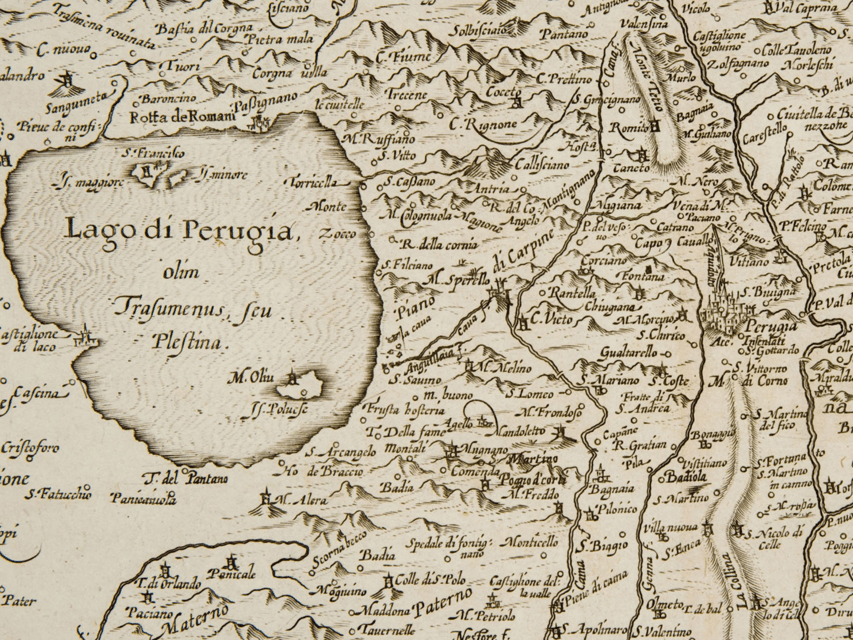
The tasting includes six wines, with a spread across sparkling, white, and red styles. That range makes the visit more useful than a tasting focused on only one grape or one color.
You might begin with a sparkling wine, then move through white varieties before reaching the reds. The exact order and bottles can vary, so you should treat the selection as a guided introduction rather than a fixed flight you can predict in advance.
The whites may include Grechetto, Chardonnay, and Trebbiano Toscano. The reds may include Sangiovese, Merlot, and Cabernet Sauvignon. These names give you a clear sense of the estate’s range, but the guide’s explanation is what makes the tasting worthwhile. You learn how grape variety, farming, production, and food pairing affect what you taste.
I like this format for people who are still finding their way around Italian wine. You can compare several styles in one place, ask questions as you go, and leave with a better idea of which grapes you enjoy. If you already know a great deal about wine, the family setting and access to the cellar may interest you more than the basic tasting lesson.
The tasting is not designed as a party or a high-volume drinking stop. It is a seated food-and-wine experience built around explanation and comparison. Take your time with each pour, especially if you want to notice the differences between local and international grapes.
Same wine country, a different gate to drive through:
- Half day Chianti Vineyard Escape from Florence with Wine Tastings
★ 4.5 · 2,196 reviews - Private Self-Guided E-Bike Ride in Tuscany with Vineyard Visit
★ 5.0 · 775 reviews - Florence: Chianti Wine Region Vespa or Fiat Topolino Tour
★ 4.8 · 739 reviews - From Venice: Prosecco Wine Region Tour with 2 Tastings
★ 5.0 · 374 reviews
Bruschetta, olive oil, cheese, and cold cuts
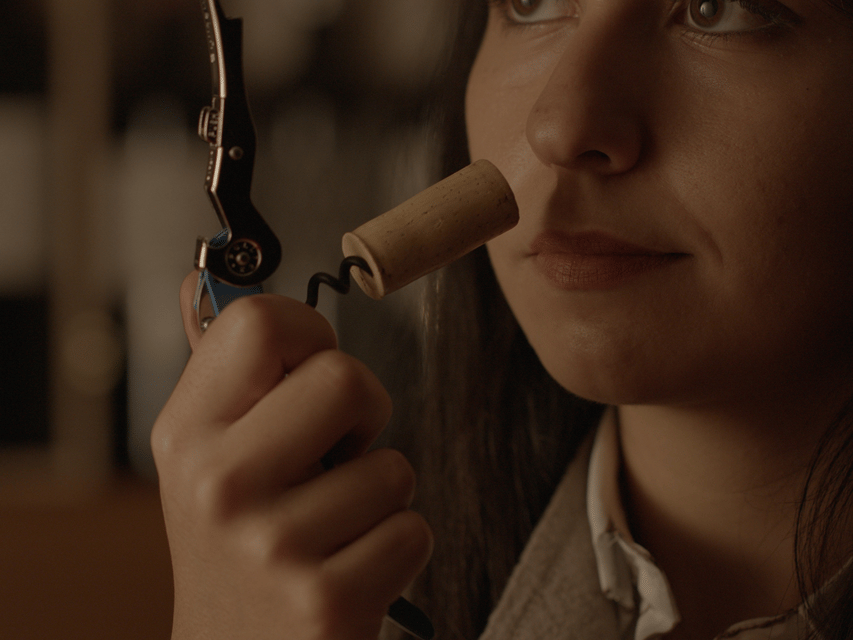
Food is an important part of the value here. The tasting includes bruschetta drizzled with local olive oil, regional cheeses, and cold cuts, along with water.
The bruschetta gives you a direct taste of the estate’s wider agricultural identity. This is not only a winery with bottles on a shelf. The family also cultivates olives, and the oil brings another local product into the experience.
The cheeses and cold cuts add salt, fat, and texture to the tasting. Those qualities can change how a wine feels, which is why pairing food with the pours is more helpful than tasting wine alone. You can notice which wines work best with lighter foods and which hold up to stronger flavors.
Do not confuse this with a full lunch. The supplied details describe food pairings, not a complete meal. If you arrive hungry, eat beforehand or plan another meal later. For most people, the portions should make the 90-minute experience more satisfying, but they are not a substitute for lunch or dinner.
This is also a good choice for couples and small groups with mixed interests. One person can focus on wine, another on olive oil and food, and everyone still has the vineyard and cellar visit to share.
What the $55.80 price includes
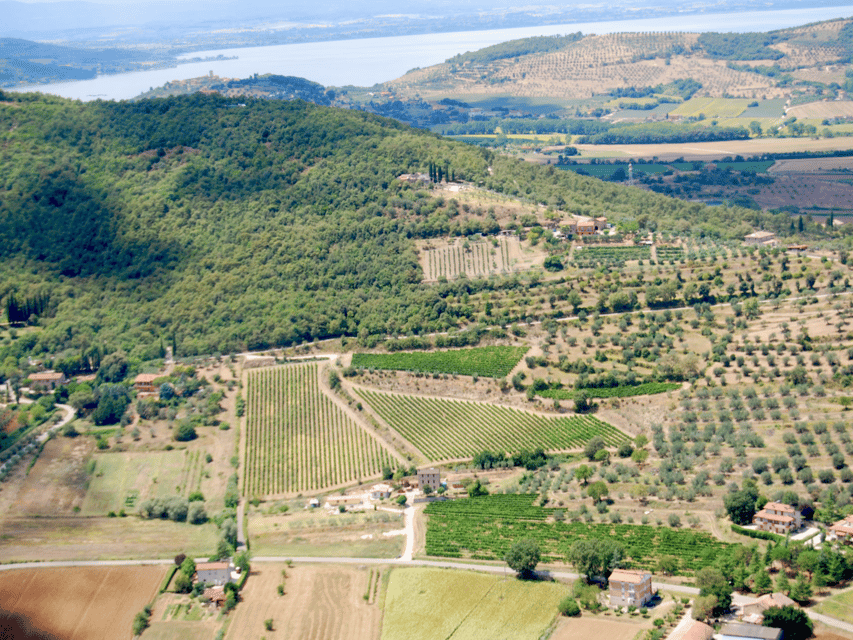
At $55.80 per person, the price covers six wine tastings, food pairings, water, the guided winery visit, the vineyard walk, and a live wine guide for the full hour and a half. Tips are not included.
I consider that a fair price for the area when you value the complete visit rather than counting only the amount of wine in each glass. You are paying for access to a working family estate, an explanation of several grape varieties, time in the vineyard and cellar, and enough food to make the tasting more than a series of samples.
The value is strongest if you are already near Perugia or Lake Trasimeno. Because the winery is about 20 minutes from Perugia and 15 minutes from the lake by car, it can fit neatly into a day in the area. It is less convenient if you are relying on public transport or trying to squeeze it between distant towns.
The price also makes sense for visitors who want a focused activity rather than a full-day wine tour. You get a clear introduction to Umbrian wine without committing half a day to multiple estates. On the other hand, this is not the right choice if you want transportation from your hotel, a large meal, or a broad tour of several wineries. Those services are not included.
Timing, languages, and getting there
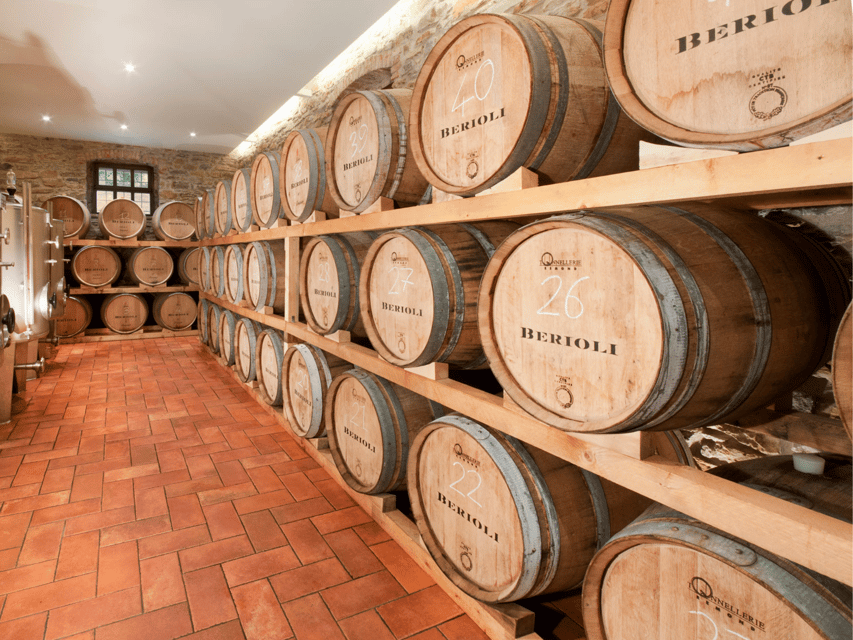
The experience is available daily, but you need to check the available starting time when booking. The visit lasts 1.5 hours and ends at the same winery where it begins.
The location is in Magione, close to both Perugia and Lake Trasimeno. Look for a narrow street with an olive grove on the side and a gate leading into the property. The drive takes about 20 minutes from Perugia and about 15 minutes from the lake.
Plan this carefully if you intend to drink. The supplied information does not include hotel pickup or a driver. If you are driving, decide in advance who will remain sober. If you are staying in Perugia or around the lake, arrange your return transport before the tasting rather than trying to solve it afterward.
A live guide is available in English or Italian. That makes the experience accessible to international visitors, though the most detailed conversation may depend on the guide and your language preference. Irene is one guide associated with the experience, and her friendly manner has been a strong part of the welcome.
Cancellation is free up to 24 hours before the activity for a full refund. You can also reserve now and pay later, which helps if you are still arranging a flexible Umbrian itinerary.
Accessibility and practical limits
The information about wheelchair access is inconsistent. One section says the activity is wheelchair accessible, while another says it is not suitable for wheelchair users. I would contact the provider before booking and ask about the specific route through the vineyards, cellar, and wine-making areas.
The experience is listed as not suitable for pregnant women. That is an important consideration because the activity centers on six wine tastings. If you do not drink alcohol, the supplied details do not promise nonalcoholic substitutions, so ask before reserving.
The route includes outdoor vineyard space and cellar areas. Comfortable shoes are sensible, though the information does not specify the exact ground conditions. Since this is a working rural property rather than a city museum, you should be ready for a setting that is more practical than polished.
The visit ends back at the meeting point. There is no separate drop-off, and no transportation is listed as part of the price.
Who will enjoy this winery visit most
I would recommend this experience to you if you want a short, personal introduction to Umbrian wine and you are staying near Perugia or Lake Trasimeno. It works well for couples, friends, and food-focused visitors who prefer a family estate to a large commercial tasting room.
It is also a good fit if you want to understand the connection between wine, olive oil, and local food. The combination of vineyard walk, cellar visit, six wines, and pairings gives you enough variety to keep the hour and a half moving.
You may want another option if you need transportation, a substantial meal, or a long technical workshop. The visit is compact, and the food is pairing-sized. It also may not suit you if you are pregnant, cannot drink wine, or need confirmed wheelchair access without first speaking to the provider.
Should you book the Magione wine tasting?
Book it if you want a manageable countryside outing with genuine family contact, a clear introduction to six Umbrian wines, and food that helps you understand the tasting. The owner’s personal welcome, Irene’s friendly guidance, and the chance to walk through the vineyards give the visit more character than a simple bar tasting.
Skip it if your main goal is a full meal, hotel transport, or a long tour through several wineries. For the right visitor, the $55.80 price is reasonable because it includes the guide, cellar and vineyard access, six wines, and local food. Just confirm the starting time, plan your return from Magione, and clarify accessibility before paying.
FAQ
Where is the winery located?
The winery is in Magione, near Perugia and Lake Trasimeno. It is about 20 minutes by car from Perugia and 15 minutes by car from the lake.
How long does the winery experience last?
The visit lasts 1.5 hours. Check availability for the available starting times.
How many wines are included?
Six wine tastings are included, with selections ranging from sparkling wine to white and red varieties.
Which grape varieties might I taste?
The estate produces wines from Merlot, Sangiovese, Cabernet Sauvignon, Grechetto, Chardonnay, and Trebbiano Toscano. The tasting selection can vary.
What food is served with the wine?
The pairings include bruschetta with local olive oil, regional cheeses, and cold cuts. Water is also included.
Is a vineyard walk included?
Yes. The experience includes a walk through the vineyards and a guided visit to the winery.
Is the cellar visit included?
Yes. You can explore the historic cellar and wine-making areas, including the area where wines age in French oak barrels.
What languages are available?
The live guide is available in English and Italian. Irene may lead some visits.
Can I cancel for a full refund?
Yes. You can cancel up to 24 hours in advance for a full refund. The experience also offers a reserve-now, pay-later option.
Just listed around Italy
- Winery Visit & Tasting on the Volcanic Slopes near Catania★ 5.0 · 2 reviews
- Winery Visit & Tasting near Grosseto with 6 wines★ 4.8 · 6 reviews
- Winery Visit on Parma Hills & Wine Tasting with Food Platter★ 5.0 · 26 reviews
- Wine Tasting and Winery Visit near Asti and Turin★ 4.5 · 5 reviews
- Wine tour and lunch or dinner at our vineyard★ 4.6 · 15 reviews
- Wine tasting under the Stars in the vineyards of Agrigento★ 5.0 · 3 reviews
- Walk through our vineyard and aperitif★ 4.7 · 19 reviews
- Volterra: Aperivintage aperitif in vineyard whit a Fiat 500★ 5.0 · 7 reviews
Winery Tours, compared.
Montserrat Full Day Tour with Farmhouse Lunch and Winery Visit
Read our review →
Montserrat & Winery Visit Tour with Traditional Farmhouse Lunch
Read our review →
Saint Emilion Half-Day Trip with Wine Tasting & Winery Visit from Bordeaux
Read our review →
Chianti Delights: A Tale Of Two Wineries With A Vineyard Dinner
Read our review →
Toledo Guided Tour & Winery Visit with Tasting
Read our review →
Douro Valley for Wine Lovers with Visit to 4 Wineries and Lunch
Read our review →Browse the lists this tour appears in