REVIEW · TOURS
Morocco Vineyard Visit and Gourmet Tours
Morocco’s best meals often happen away from a formal dining room, and this 12-day private journey makes food the thread linking imperial cities, desert camps, mountain roads, and Atlantic fishing towns. You shop for ingredients in local souks, cook family recipes, taste street food in Marrakech, and stop for lunch at a vineyard near Essaouira.
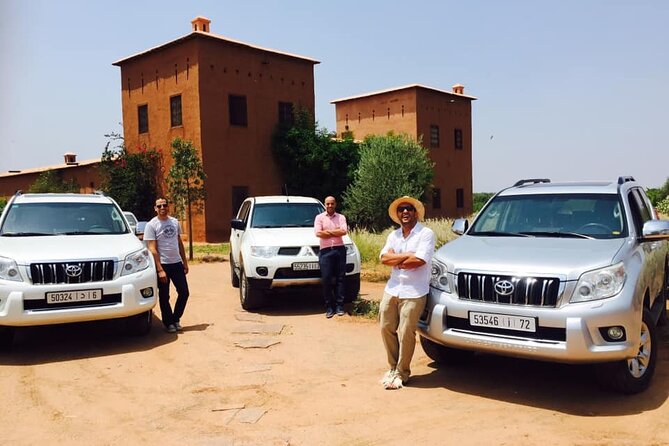
I like the mix of hands-on cooking classes and major sights, especially the tajine workshops in Fez, Marrakech, and Essaouira. I also like the private 4WD, daily water, airport transfers, and flexible guide service, with Soufiane and Khalid singled out for polished driving and warm, personal help.
The main drawback is the price: $2,200 per person does not include accommodation, flights, most dinners, drinks, tips, or porterage. You also spend long hours on the road, so this suits someone who wants to cover much of Morocco rather than someone seeking a slow stay in one city.
Key points at a glance
- Three cooking classes: Learn chicken tajine in Fez, tanjia in Marrakech, and fish tajine in Essaouira.
- A real vineyard stop: Have lunch at a Moroccan winery growing Rhône Valley grape varieties near the Atlantic coast.
- Desert overnight: Ride a camel to a luxury tent at Merzouga and dine to Berber music.
- Private transport: Travel in a Toyota Land Cruiser 4WD with fuel and bottled mineral water supplied daily.
- Strong guide network: Soufiane is praised for English, punctuality, driving, and organization, while Khalid is noted for his helpful, courteous approach.
- A demanding route: Expect early starts, long drives, uneven medina streets, and a moderate level of physical activity.
A food-first route across Morocco
This is not a simple Marrakech food walk with a few sightseeing stops attached. The route runs from Rabat to Meknes, Volubilis, Fez, the Middle Atlas, Merzouga, the Valley of 1000 Kasbahs, Marrakech, the High Atlas, and Essaouira before returning to Rabat.
That range is the tour’s main strength. You get old cities, Roman ruins, mountain passes, desert dunes, rose-growing villages, craft workshops, and Atlantic seafood. Food gives the journey a human focus. Instead of only looking at monuments, you learn what people buy, prepare, preserve, and share.
The tradeoff is pace. This is a road trip with several substantial transfers. The private vehicle makes those journeys easier, and the ability to stop with your own group is useful, but you should not expect every day to be leisurely.
More vineyard visits around the world:
- From Porto: 2 Wine Regions, Farm-to-Table Lunch & Boat
★ 4.9 · 5,724 reviews - Napa and Sonoma Wine Country Full-Day Tour from San Francisco
★ 4.5 · 4,455 reviews - Douro Valley Tour: 2 Vineyard Visits, River Cruise, Winery Lunch
★ 5.0 · 3,542 reviews
Meknes and Volubilis set the historical tone
The first day begins with breakfast in Rabat before the drive to Meknes. Much of Meknes is under renovation, including Bab El Mansour and parts of the old medina, so the visit is described as a short driving tour rather than a long walking visit.
That limitation matters. Meknes is an important former imperial capital, but you should treat this stop as an introduction rather than a full exploration. It gives you a sense of the city’s scale and setting without taking the entire day.
The stronger visit comes at Volubilis, about 33 kilometers north of Meknes. The Roman site dates from the first and second centuries and is known for its well-preserved mosaics. Admission is included when visiting with the guide.
Lunch takes place at a hillside restaurant near Moulay Idriss, spread over five levels with views toward the town’s mausoleum and Volubilis. Gris wine is available, though alcoholic drinks are not included in the tour price. The setting sounds like one of the more memorable meals on the route, but anyone with limited mobility should ask about stairs before settling in.
You then continue to Fez for your accommodation. Since lodging is not included in the $2,200 price, confirm the standard and location of each hotel or riad before booking.
Fez combines craft, architecture, and a useful cooking class
Day two gives you a full day in Fez, the spiritual and cultural center of Morocco. The route includes the Royal Palace, the Mellah, and the ancient medina of Fez el-Bali, a UNESCO World Heritage site.
The medina portion is packed with visual detail. You visit the tanneries, the water clock, Souk el-Attarine, Fondouk el-Nejjarine, Medersa Bouanania, and small museums focused on Moroccan art and culture. The tour also creates room to see embroidery, weaving, and other traditional crafts.
I would plan to wear practical shoes here. The old city involves walking through narrow streets and market areas, and the day is likely to feel full even though there is no strenuous hike listed.
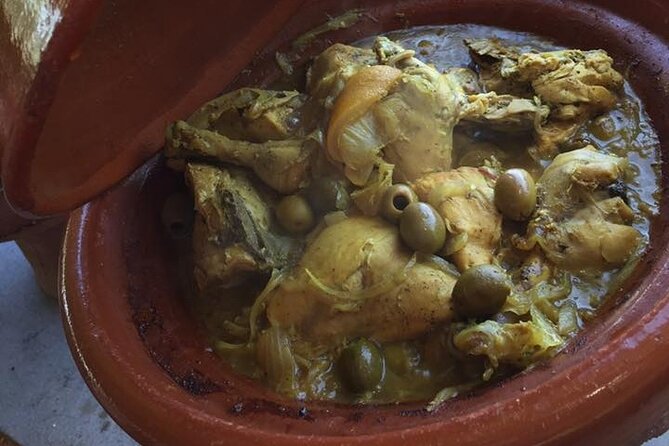
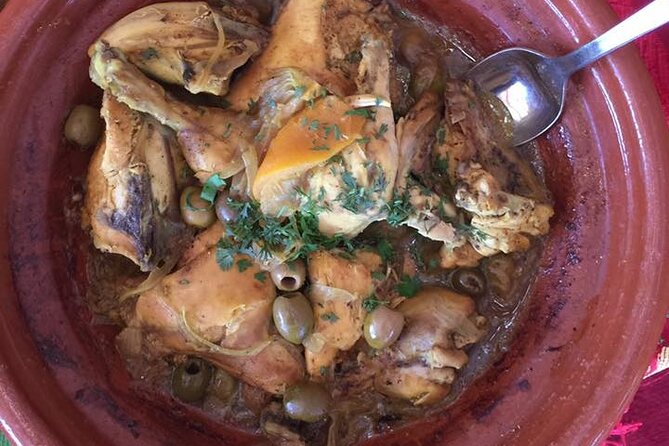
Day three shifts from looking at food to making it. You shop for supplies in neighborhood souks, then work with chefs who teach recipes and techniques passed down through their families. Lunch is the chicken tajine you prepare, flavored with preserved lemon and olives.
This is exactly the kind of activity that helps food make sense. You learn why the ingredients matter and how a dish is built, rather than simply receiving a finished plate. After lunch, you have the rest of the day free, a welcome pause after the busy medina visit.
From Ifrane to a night beneath the Sahara sky
The drive from Fez to Merzouga is one of the longest transitions on the tour, but it breaks into several distinct stops. Ifrane provides a cool, green contrast to the desert, with lakes, fountains, and quiet wooded surroundings.
Midelt follows with a traditional lunch. The itinerary gives this stop two hours, enough for a proper break during the road journey. After that, the scenery changes as you move toward the desert.
At Merzouga, you reach a luxury tented camp around the middle of the day. The timing allows for a camel ride and sunset over the sand before dinner. The evening meal is a traditional Berber dinner with folklore musicians.
This is one of the clearest highlights for a first visit to Morocco, but it is still worth setting realistic expectations. A luxury tent is more comfortable than basic desert camping, yet the experience remains an outdoor overnight in a remote setting. Ask ahead about the exact tent facilities if comfort is a major concern.
Same wine country, a different gate to drive through:
- San Francisco Super Saver: Muir Woods & Wine Country w/ optional Gourmet Lunch
★ 4.5 · 3,352 reviews - Day Trip to Kakheti Wine Region Including 9 Wine Tastings
★ 5.0 · 2,774 reviews - Toledo Tour & Vineyard Walk with Wine Tasting from Madrid
★ 5.0 · 2,546 reviews - From Tbilisi: Kakheti Wine Region Tour with 9 Wine Tastings
★ 4.9 · 2,541 reviews
Rissani, the Valley of 1000 Kasbahs, and Skoura
After breakfast, you leave the desert for Rissani, a small market town. The stop gives you a look at a commercial center beyond the major city medinas.
The route then heads toward Tinghir and the Todra Gorge through the area often called the Valley of 1000 Kasbahs. Along the way, you pass villages built around ruined kasbahs and fortified ksars. The drive is as important as the individual stops here, since the route shows how homes, watchtowers, and old caravan settlements fit into the valleys.
Kalaat M’Gouna lies in the Valley of Roses. In spring, terraced fields along the M’Gouna River can be covered with pink blooms, and the area is known for rose water, perfumes, and cosmetics. The timing of your trip will determine how much of the floral display you see.
You stay in Skoura that night. The town makes a sensible base before the next day’s road to Marrakech, but again, accommodation is not part of the stated tour price. Get the lodging plan in writing rather than assuming the accommodation is included because the itinerary lists check-ins.
Ait Ben Haddou and the High Atlas crossing
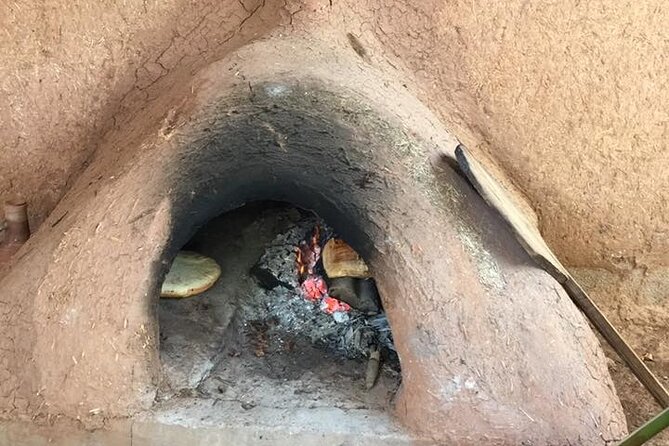
The route from Skoura to Marrakech takes about five hours, with stops in Ouarzazate and at Ait Ben Haddou. Ouarzazate is linked with Morocco’s film industry, while Ait Ben Haddou has appeared in productions including Gladiator and The Mummy.
Ait Ben Haddou is also a heritage site in its own right, not merely a movie backdrop. Its earthen architecture and fortified form offer a useful picture of the settlements found along old trade routes. Lunch is planned in the area.
The final stretch crosses the High Atlas via the Tizi N’Tichka pass at about 2,260 meters. The pass connects Ouarzazate and Marrakech and offers broad mountain views. Road conditions and weather can affect the feel of this transfer, so keep your schedule flexible and carry anything you need for the day in the vehicle rather than in luggage stored elsewhere.
Marrakech turns the medina into a tasting menu
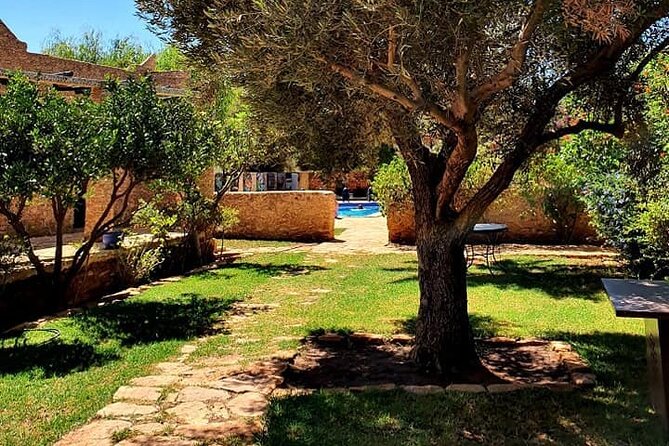
Day seven is a walking food tour through Marrakech’s souks. The stops are specific and local: a bakery, the doughnut man, a farnashi oven used for tanjia, fruit and vegetable sellers, an olive market, and a meshoui tasting.
That list gives you a better sense of daily Moroccan food than a standard restaurant crawl. You see how bread, olives, roasted meat, produce, and slow-cooked dishes fit into ordinary meals. Along the way, you pass shops selling embroidered shoes, belts, spices, woodwork, brass, copper, and kaftans.
Samples are available at the stalls, but the exact amount and selection can vary. If you have allergies or dietary restrictions, tell the guide before the walk begins. The souks can be crowded and visually busy, so this is a day when a private guide is especially useful for keeping the route clear and explaining what you are tasting.
The next morning brings another cooking class, this time in a traditional riad. You begin with mint tea, shop for ingredients at a small local souk, and then prepare Moroccan tanjia with the cook’s guidance.
Tanjia is closely associated with Marrakech and makes a good contrast to the Fez tajine. The class is described as homely and hands-on, so expect participation rather than a demonstration from across the room. Lunch is the dish you make.
Argan oil and a Rhône Valley vineyard
The drive from Marrakech to Essaouira takes about two and a half hours, with two worthwhile stops. First comes an argan oil cooperative that provides work for divorced and widowed women.
You learn how the locally grown argan nut is processed into oil for cooking and cosmetics. This stop has a social and practical side, but do not feel pressured to buy products simply because the cooperative is included. Take the explanation, ask questions, and decide for yourself.
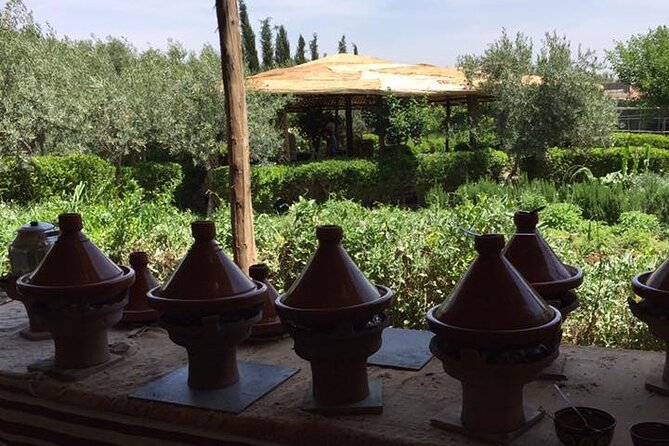
The food and wine highlight follows under the trees at a Moroccan vineyard dedicated to grape varieties from the Rhône Valley. The winery was founded in 1994 by a winemaker trained in France’s Châteauneuf-du-Pape area.
This is an unusual pairing for Morocco: a relaxed vineyard lunch with French-influenced grape growing in a country better known abroad for mint tea and spice-heavy cooking. Alcoholic drinks are not included, so clarify what the lunch covers and what any wine tasting costs before ordering.
You then reach Essaouira, a fishing port on the Atlantic. The change from inland roads and desert air to the coast gives the itinerary a welcome shift in mood.
Essaouira adds craft, seafood, and a final class
Your morning tour of Essaouira covers the port, medina, ramparts, and artisan workshops. The town was shaped by Portuguese activity and later transformed into a fortified city under Sultan Sidi Mohammad Ibn Abdullah in the 18th century.
The old port and cannons overlook the fishing fleet, while the medina’s narrow lanes lead to workshops where artisans work with wood and other materials. This is a good place to slow down and browse, though the tour still has a schedule to keep.
The final cooking class takes place the next morning. A traditional Moroccan cook, described as a dada, guides you through spices and cooking methods in an intimate workshop. Lunch is a fish-based tajine.
The three classes are well chosen. Fez introduces a classic chicken tajine, Marrakech focuses on tanjia, and Essaouira brings seafood into the picture. You leave with a broader idea of Moroccan cooking than a single class could provide.
Day twelve is the seven-hour drive back to Rabat. That is a long final transfer, so avoid scheduling a flight immediately afterward unless the timing has been confirmed carefully.
What the $2,200 price really covers
The stated price is $2,200 per person, but it is not an all-inclusive holiday. The package includes a private Toyota Land Cruiser 4WD, fuel, airport transfers to and from your hotel or riad, pickup and drop-off at accommodation, daily bottled mineral water, a licensed guide, site entrance fees with the guides, dinner, and ten lunches.
It does not include flights, accommodation, meals beyond those specified, alcohol, soft drinks, tips, or porterage. Those exclusions can change the final cost considerably, especially across twelve days.
The value is strongest if you are traveling with family or friends who want private transport and a tailored route. The vehicle, guide, fuel, transfers, included lunches, and access to several cooking experiences would cost more to arrange separately, though you should compare the accommodation standard and group size before deciding.
The private format is also useful for families. The tour has been used by groups ranging from children aged seven to adults aged 81, and extra arrangements for children have been made in the past. Still, the long drives and medina walking mean you should judge your group’s stamina honestly.
Guides, comfort, and practical details
The strongest praise attached to this experience focuses on organization, driving, punctuality, and personal care. Soufiane is noted for excellent English, professional driving, and detailed help across a multi-city journey. Khalid is described as courteous and willing to handle extra requests.
That guide network matters because the route passes through very different places. A good driver helps on the long transfers, while local guides make the medinas, monuments, and craft stops easier to understand.
Confirmation is provided at booking. The activity is private, so only your group participates. Pickup is offered, mobile tickets are available, and service animals are allowed. A moderate level of physical fitness is recommended.
Free cancellation is available if you cancel at least 24 hours before the start time. Changes or cancellations inside that window are not accepted for a refund.
Should you book this Morocco food tour?
Book it if you want a broad first look at Morocco, prefer private transport, and care as much about markets and cooking as monuments. The three classes, Merzouga camp, Marrakech tastings, and vineyard lunch give the trip a clear food focus without ignoring major cultural sites.
Think twice if you want long stays in each city, dislike road transfers, or expect the $2,200 price to cover hotels and nearly every meal. Before paying, confirm the accommodation plan, exact group size, included dinner, vineyard arrangements, and the schedule for long driving days.
For a family group or a small party that values a dedicated driver and guide, this is a strong way to connect Morocco’s food traditions with its cities, desert, mountains, and coast.
FAQ
How long is the Morocco Vineyard Visit and Gourmet Tours experience?
The tour lasts approximately 12 days, beginning in Rabat and returning to Rabat on day twelve.
What is included in the $2,200 price?
The price includes a private Toyota Land Cruiser 4WD with fuel, airport transfers, accommodation pickup and drop-off, daily bottled mineral water, a licensed guide, entrance fees to the listed sites with the guides, dinner, and ten lunches.
Is accommodation included?
No. Accommodation is not included in the stated price, even though the itinerary includes hotel or riad check-ins.
Are flights included?
No. Flights are excluded.
How many cooking classes are included?
Three cooking classes are included: chicken tajine in Fez, Moroccan tanjia in Marrakech, and fish tajine in Essaouira.
Does the tour include a vineyard visit?
Yes. On the way from Marrakech to Essaouira, you stop for lunch at a Moroccan vineyard that grows Rhône Valley grape varieties.
Is this a private tour?
Yes. Only your group participates in the private tour or activity.
How far in advance can I cancel for a full refund?
You can cancel at least 24 hours before the experience start time for a full refund. Cancellations or changes made less than 24 hours in advance are not accepted for a refund.
Just listed around the world
- Yolo: Vineyards, Farms & Cultural Gems – Audio Driving Tour★ 4.3 · 5 reviews
- Winery Visit and Tasting in Elche with wines and tapas from Alicante in Van★ 5.0 · 9 reviews
- Wuerzburg: Vineyard rally with wine tasting and group dynamics★ 4.8 · 6 reviews
- Winery Visit & Tasting on the Volcanic Slopes near Catania★ 5.0 · 2 reviews
- Woodinville Wine Country: Downtown Wine Tasting Pass★ 4.4 · 2 reviews
- Xalo: Vineyard Tour with Wine Tasting and Snacks★ 4.9 · 8 reviews
- Winery Visit & Tasting near Grosseto with 6 wines★ 4.8 · 6 reviews
- Winery Visit on Parma Hills & Wine Tasting with Food Platter★ 5.0 · 26 reviews
Tours, compared.
Napa and Sonoma Wine Country Full-Day Tour from San Francisco
Read our review →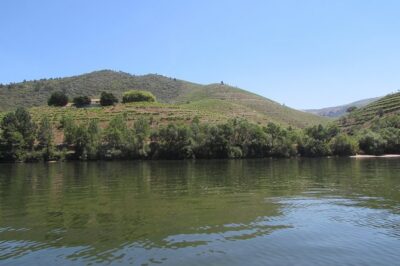
Douro Valley Tour: 2 Vineyard Visits, River Cruise, Winery Lunch
Read our review →
Toledo Tour & Vineyard Walk with Wine Tasting from Madrid
Read our review →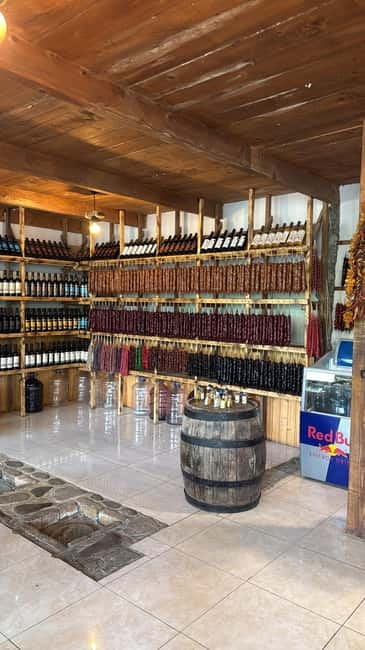
Kakheti Wine Region Tour with 9 Wine Tastings
Read our review →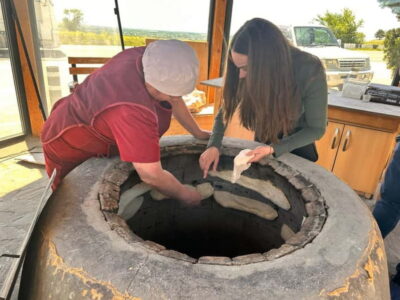
Kakheti Wine Region Tour with 10 Wine Tastings
Read our review →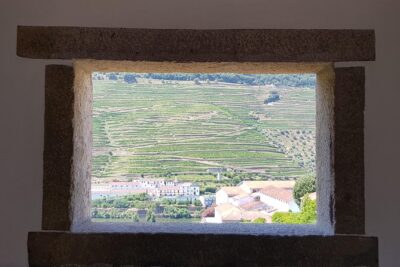
Douro Valley Wine Tour: 3 Vineyard Visits, Wine Tastings, Lunch
Read our review →
Small-Group Wine Country Tour from San Francisco with Tastings
Read our review →