
REVIEW · WINE AND TAPAS TOURS
Manilva: Nilva Vineyard, Wine Tasting & Tapas Guided Tour
Manilva’s best wine experience ends not in a tasting room, but among old vines with the Mediterranean below and Africa visible across the water on a clear day. I like the link between the small CIVIMA wine museum and Nilva’s working winery, and I like that your ticket helps support the preservation of vineyards threatened by coastal development. The main thing to plan for is the move to the vineyard, about 1 kilometer away, since you need your own vehicle or must walk.
Guide Maggie brings warmth, humor, and plenty of practical detail to the visit. The tasting usually includes three or four wines with ham, cheese, walnuts, and other tapas, but the vineyard stop depends on good weather. If you want a polished commercial winery with large cellars, this is not it. If you want a personal look at a small producer trying to keep Manilva’s wine tradition alive, it offers strong value at $35.
Key points to know before booking
- Three stops in about two hours: Start at CIVIMA, continue to Nilva’s small artisan winery, and finish at the Peñoncillo vineyard.
- A genuine conservation project: Your visit supports efforts to protect Manilva’s old Moscatel de Alejandría vines.
- Maggie is part of the appeal: She explains the wine, the town, and the work in the vineyard with humor and clear English.
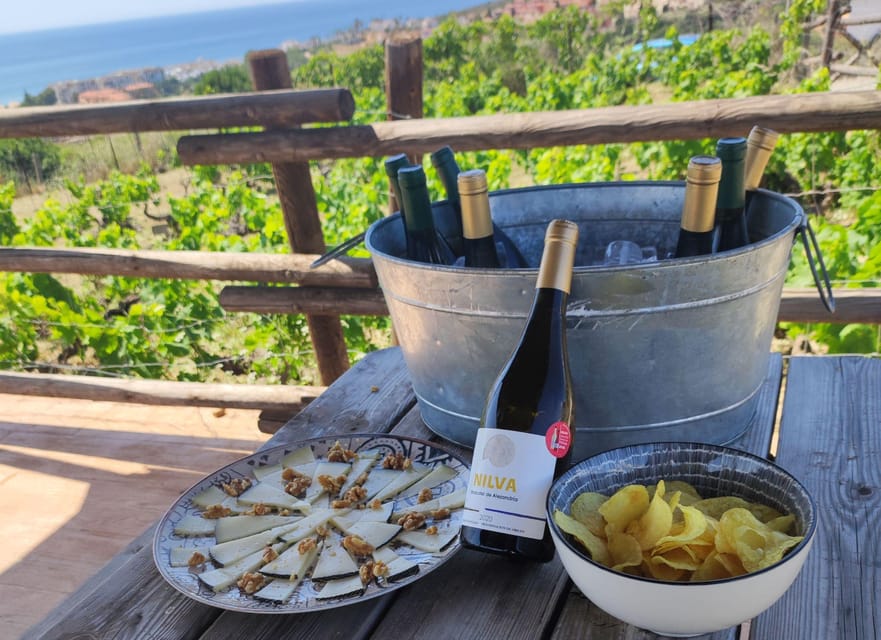
- The tasting comes with a view: Expect three or four wines, tapas, and an outlook toward the Mediterranean, mountains, and Africa.
- You arrange the short transfer: The vineyard is about 1 kilometer from CIVIMA, so drive, take a taxi, or walk if conditions suit you.
- Weather matters: The vineyard visit can be changed or missed in poor weather, though the museum and wine discussion still provide a worthwhile visit.
Why Manilva wine feels different from a standard Costa del Sol tasting
Manilva is easy to overlook. It sits on the Costa del Sol, but its identity is not only beaches, apartment blocks, and resort life. Around the town, old vines of Moscatel de Alejandría still grow on land facing the sea. These vineyards are part of a local farming tradition, yet they are under pressure from urban development and the hard economics of small-scale agriculture.
That tension gives this tour more purpose than a simple pour-and-snack outing. Nilva’s wine project is tied to the goal of making vineyard work viable, so the old vines have a reason to remain in the ground. The project has received an international Skal award for sustainable tourism, and your visit forms part of that effort.
I especially like this context because it helps you understand why the winery is small and why the guide talks about farmers, land, and future generations. You are not just sampling a bottle from a shelf. You are seeing how wine tourism can help keep a local crop alive.
More Wine and Tapas Tours in Spain:
- Malaga Organic Vineyard and Winery Six Wines Tapas and Transfer
★ 5.0 · 356 reviews - Malaga: Organic Vineyard Tour with 6 Wines, Tapas & Transfer
★ 4.8 · 334 reviews - High-End Vineyard Escape: Cava, Tapas & Wine | Private Tour
★ 5.0 · 238 reviews
Starting at CIVIMA, Manilva’s wine museum
The meeting point is the CIVIMA building, between the fire station and Plaza de la Vendimia. This is the right place to begin because the museum gives you the background needed to make sense of the vineyard and the wines.
The guided visit lasts about 30 minutes and covers three rooms focused on viticulture, oenology, and the grape harvest. In plain terms, you learn about growing the vines, making the wine, and gathering the grapes. The museum connects those stages with Manilva’s local customs and long-running wine traditions.
Maggie is a strong guide for this first section. She has a lively delivery and explains the subject in clear English, with plenty of humor. She can speak quickly at times, so you may want to ask her to repeat a point if you prefer a slower pace. Her strength is making technical ideas feel connected to real work rather than presenting a dry museum lecture.
This part of the tour is particularly useful if you do not know much about wine. You get a basic framework before tasting, including why grape type, growing conditions, fermentation, and bottling all affect what ends up in your glass. The museum also gives the experience a local focus instead of treating Manilva as just another stop on the coast.
Inside Nilva’s small artisan winery
From CIVIMA, the tour continues to Nilva’s winery for about 15 minutes. This is a small artisan operation, sometimes described as a garage winery, rather than a large industrial cellar with rows of polished stainless-steel tanks.
That modest scale is part of the interest. You can see how a small producer works and hear how Nilva wines are made, fermented, and bottled. The visit gives you a better sense of the hands-on side of wine production. It also explains why a project like this depends on direct sales, local support, and wine tourism.
The winery stop may feel brief, especially if you are already fascinated by production. Still, it works well in the two-hour format. The museum supplies the history and basics, the winery shows the process, and the vineyard provides the setting for the tasting.
I would not book this expecting a large estate tour with extensive cellars or a full production walk. Nilva is appealing for the opposite reason. You are meeting a small producer and seeing an operation that is close to the land and the people doing the work.
Getting to the Peñoncillo vineyard
The final stop is the Viña del Peñoncillo, an organically certified vineyard about 1 kilometer from CIVIMA. This transfer is the most important practical detail to understand before you book.
You need your own vehicle, since transport is not included. You can also walk, and the route is described as roughly 10 minutes, though practical walking times can be closer to 15 or 20 minutes depending on your pace and route. Some people choose to drive or take a taxi from nearby areas. If you are staying around Duquesa or Sabinillas, plan this part rather than assuming the tour includes a transfer.
The walk can be pleasant, with photo opportunities and views, but it is not the same as simply stepping from the museum into a tasting room. If you have limited mobility, contact the operator before booking. The activity is listed as wheelchair accessible, but the separate movement to an outdoor vineyard deserves special attention.
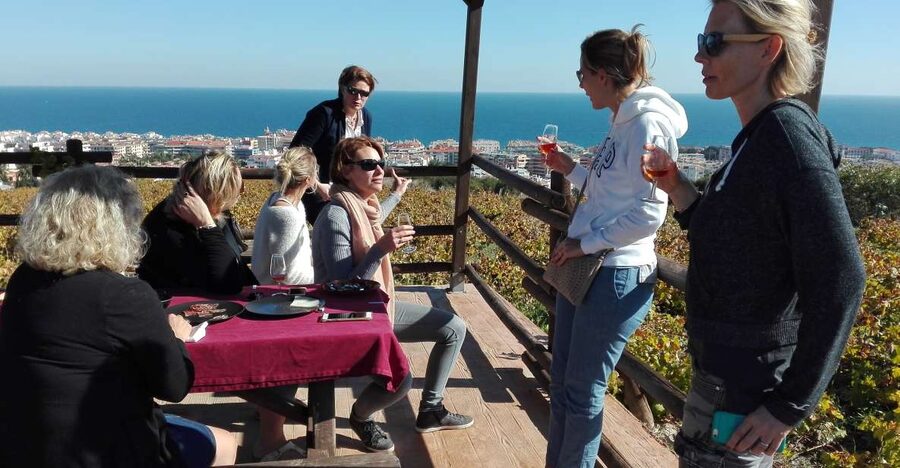
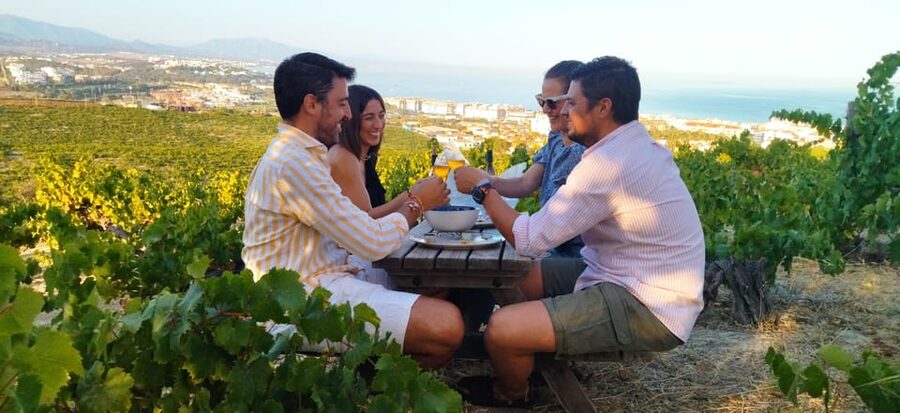
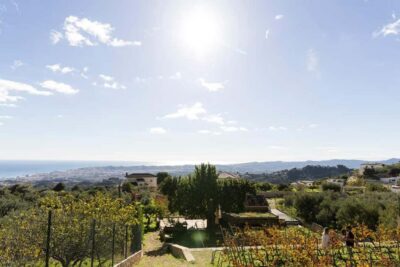
Once you arrive, the setting becomes the main attraction. The vines sit above the coast, with views toward the Mediterranean, surrounding mountains, and Africa in favorable conditions. The large chairs seen at the vineyard have become a popular photo point, but the real pleasure is sitting with a glass of wine while the view does the work.
More visits with a guide alongside around Spain:
- From Madrid: Toledo Guided Tour & Winery Visit with Tasting
★ 4.8 · 313 reviews - Alcúdia/Can Picafort: Guided Vineyard Visit and Wine Tasting
★ 4.5 · 88 reviews - Penedès/BCN: Self-Guided eBike Tour with guided Winery Visit
★ 5.0 · 19 reviews - From Alicante and Elche: Guided tour for vineyard and winery with tasting
★ 4.6 · 5 reviews
The wine and tapas tasting
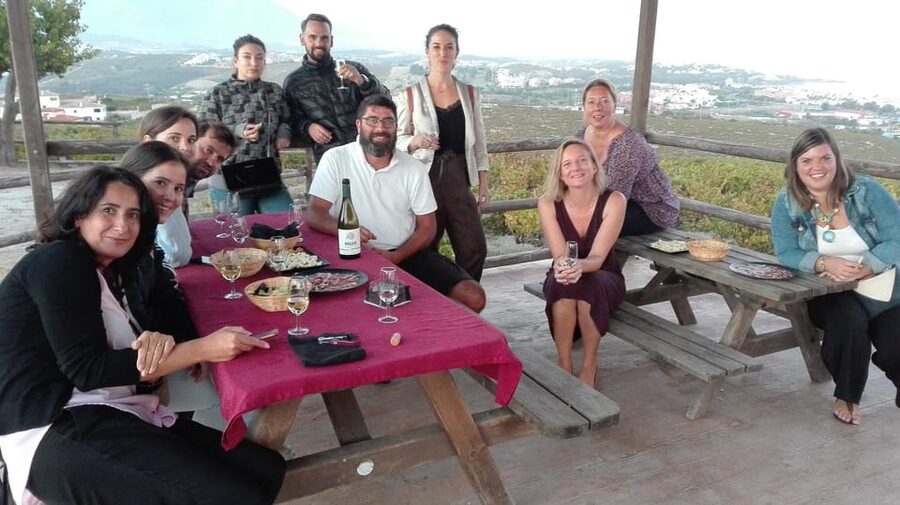
The tasting includes three wines in the formal description, while the practical tasting can include four different wines. The exact number may vary, so I would treat four as a possible bonus rather than a guarantee.
The wines are served with tapas such as ham, cheese, walnuts, and crisps. This is enough food to make the tasting feel generous without turning it into a full meal. If you are hungry enough for dinner, eat beforehand or plan another meal afterward.
The guide explains how to approach each glass, giving you a better way to notice differences rather than simply asking which wine you prefer. Several of the wines are described as quite different from one another, which makes the tasting more interesting for beginners and people who already enjoy wine.
The setting also changes the experience. A tasting indoors can become a technical exercise, while this one connects the drink with the vines, the sea, and the farming work you have just heard about. You can ask questions, take photographs, and enjoy the view without feeling hurried.
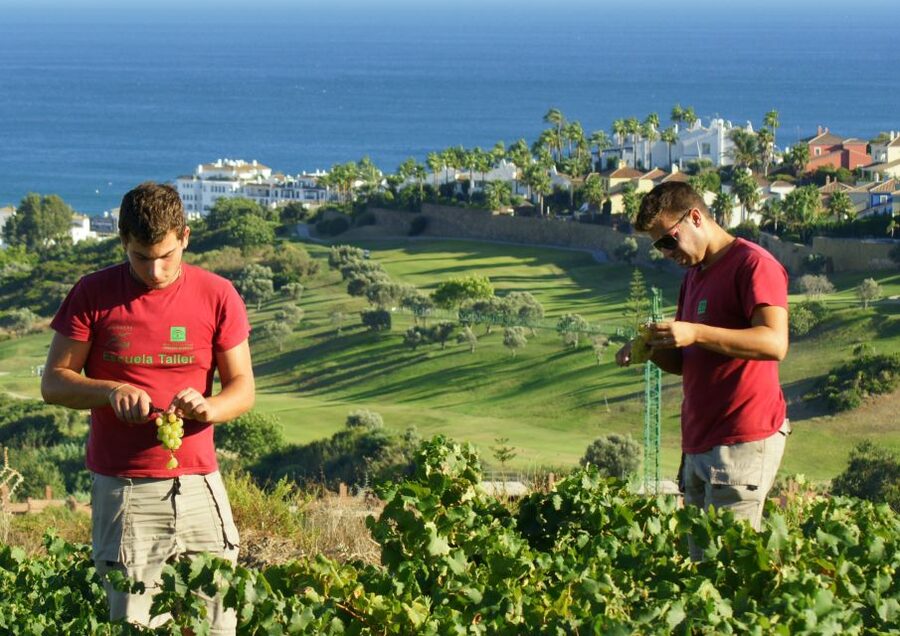
Maggie’s role matters here. She brings the same mix of information and humor to the tasting that she brings to the museum. She also works with the vineyard, so her explanation of pruning and daily care can feel more direct than a standard scripted presentation. One visitor even had the chance to prune vines, though you should not assume that activity is included every time.
The strongest part of the experience: a small project with a clear purpose
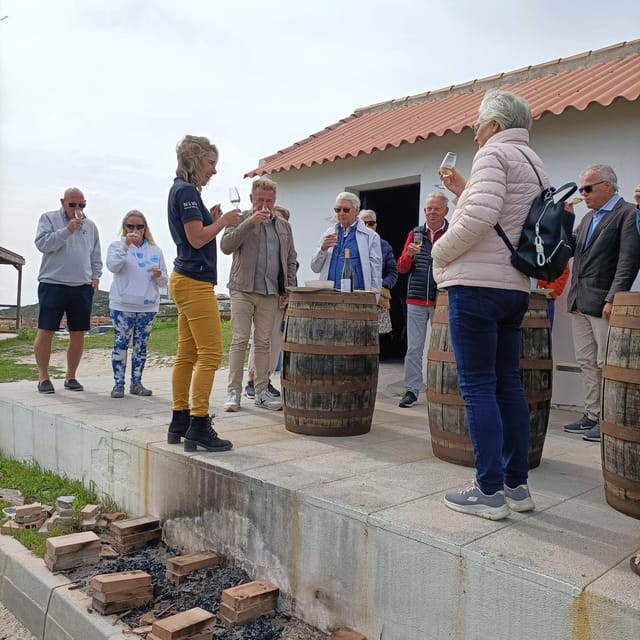
Many wine tours tell you about tradition, then move on. This one explains why the tradition is at risk. Manilva’s old Moscatel vines face pressure from building and low profitability, so preserving them requires more than nostalgia.
Nilva’s answer is to combine wine production with visits. That does not solve every problem facing local agriculture, but it gives the vineyard a direct connection to people who value the work. Your $35 ticket covers entry to CIVIMA, the winery, the vineyard, and the wines and tapas. For a two-hour activity, that is a fair price, especially if you care about meeting a small producer rather than visiting a large brand.
I would also count the English-language guiding as part of the value. Maggie’s explanations cover both wine and the local area, and her enthusiasm helps the project make sense. This is not simply a backdrop for photographs. You leave understanding why the vines matter to Manilva.
What can go wrong, and how to plan around it
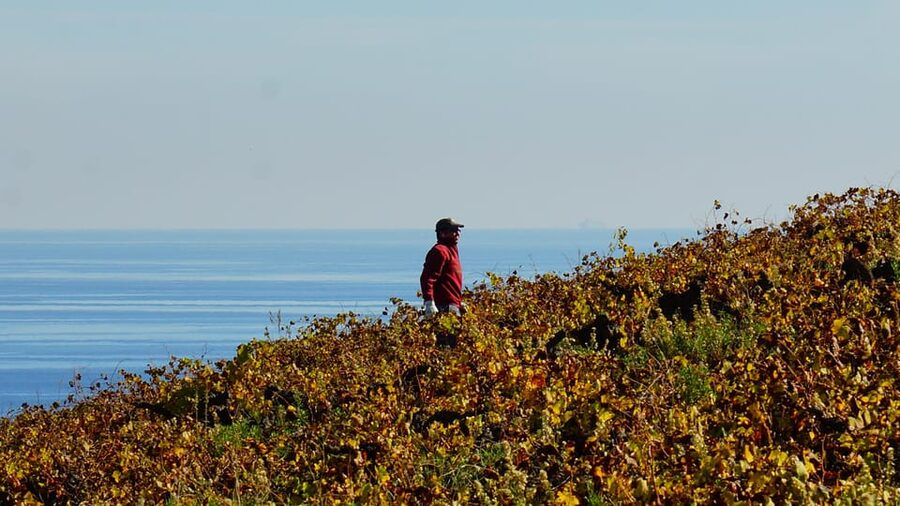
The biggest risk is weather. The vineyard portion depends on suitable conditions, and rain or poor weather can prevent the outdoor tasting. In that case, you can still learn about Manilva and winemaking through the museum and winery, but you will miss the view that gives the tour much of its character.
Choose a clear day if the schedule allows. Late afternoon or sunset timing can make the coastal outlook especially attractive, but the exact start time depends on availability. Bring a layer if you are visiting outside the hottest part of summer, since an exposed vineyard can feel different from the town.
Transport is the second issue. The booking does not include hotel pickup, drop-off, or transport between the stops. If you arrive without a car, arrange a taxi or confirm the walking route. Do not leave this until the last minute if you have mobility concerns or want to avoid a warm uphill walk.
Animals are not allowed in the winery. Wheelchair access is listed, but the outdoor vineyard route may still require checking in advance. These are small points, but knowing them keeps the afternoon simple.
Who will enjoy the Nilva experience most
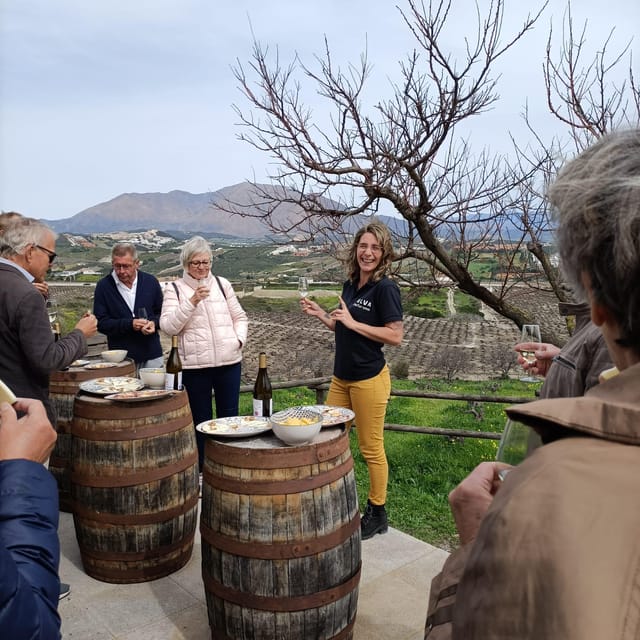
I would choose this tour if you like local food, small producers, and places with a clear sense of purpose. It suits couples, friends, and families with adults who want a relaxed activity rather than a long formal winery visit.
You do not need to be a wine expert. The guide explains the basics, and the tasting is designed to be enjoyable even if you are still learning what you like. One of the most useful details is that the tour can work for someone who does not usually drink wine, since the museum, views, food, and local story carry much of the experience.
It also suits anyone staying near Manilva, Duquesa, or Sabinillas who wants something beyond the usual beach routine. The activity gives you a reason to see the town and its countryside instead of staying on the resort strip.
I would be more cautious if you want a large estate, extensive cellar access, or a full meal. The winery is small, the tour lasts about two hours, and the tapas are a tasting accompaniment rather than a restaurant lunch.
Is $35 a fair price?
Yes, provided you value the complete experience rather than counting only the number of glasses. The price includes three main elements: CIVIMA, Nilva’s winery, and the vineyard tasting. It also includes wines and tapas, plus an English-speaking guide.
You must add your own transport costs if you do not walk. That is the one extra expense to keep in mind. Even so, $35 is reasonable for a guided visit that combines a museum, working winery, outdoor setting, food, and a conservation project.
The price feels strongest for people who want context. If you only want a quick glass of wine, a bar will cost less and require less planning. If you want to understand Manilva’s grape-growing tradition and support a small local producer, this offers more for the money.
Should you book it?
Book it if you want an intimate, informative wine outing with sea views and a local purpose. Maggie’s friendly style, the organic vineyard, and the chance to taste Nilva wines beside the vines make this more personal than a standard Costa del Sol tasting.
Before booking, check the weather and make a clear plan for the 1-kilometer move from CIVIMA to the vineyard. If the vineyard setting, conservation story, and small-scale winemaking appeal to you, this is a very good use of two hours in Manilva. If you need included transport, a full meal, or a large winery estate, choose another activity.
FAQ
How long does the Manilva wine tour last?
The activity lasts about two hours, including the museum, winery, and vineyard tasting.
Where does the tour begin?
The meeting point is the CIVIMA building in Manilva, between the fire station and Plaza de la Vendimia.
What does the tour include?
It includes entry to CIVIMA, Nilva’s winery and vineyard, plus wine and tapas.
How many wines will I taste?
The description lists three wines, while the tasting can include four. The exact number may vary.
What food is served with the wine?
The tapas can include ham, cheese, walnuts, and crisps.
Do I need my own transport?
Yes. The vineyard is about 1 kilometer from CIVIMA, and transport is not included. You can drive or walk, with the walk taking about 10 to 20 minutes depending on conditions and pace.
Is the vineyard visit guaranteed?
No. The vineyard visit depends on good weather. The museum and winery portions can still take place if outdoor conditions are unsuitable.
Is the tour offered in English?
Yes. The activity includes a live guide in English, and Maggie is the named guide in the tour information and visitor accounts.
Just listed around Spain
- Winery Visit and Tasting in Elche with wines and tapas from Alicante in Van★ 5.0 · 9 reviews
- Xalo: Vineyard Tour with Wine Tasting and Snacks★ 4.9 · 8 reviews
- Wine Route with 3 Tastings & Castillo La Mola: Small Group★ 4.9 · 31 reviews
- Valencia: Vineyard Tour, Local Wine, Cava Tasting & Snacks★ 5.0 · 8 reviews
- Valencia: Premium Wine Tasting & 3-Course Gastronomic Lunch★ 4.8 · 2 reviews
- Requena Somm. Private Vineyards/ Premium Wine tasting 1/2 Day★ 5.0 · 5 reviews
- Visit to Arafo Mountain Vineyard and Organic Wine Tasting★ 5.0 · 23 reviews
- Full Day Tasting The Unknown Rioja Wine Region★ 5.0 · 34 reviews
Wine and Tapas Tours, compared.
Malaga Organic Vineyard and Winery Six Wines Tapas and Transfer
Read our review →
Malaga: Organic Vineyard Tour with 6 Wines, Tapas & Transfer
Read our review →
High-End Vineyard Escape: Cava, Tapas & Wine | Private Tour
Read our review →
Spanish Villages & Winery Visit with Wine Tasting and Tapas Lunch
Read our review →
Toledo Full Day with Winery Visit, Tapas and Wine Tasting
Read our review →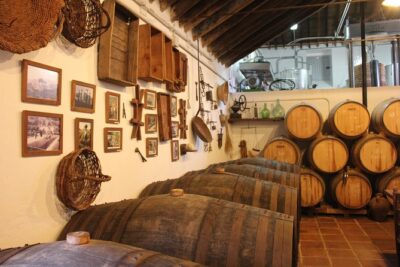
Sun and Wine Route – Small group, wine tasting and tapas included
Read our review →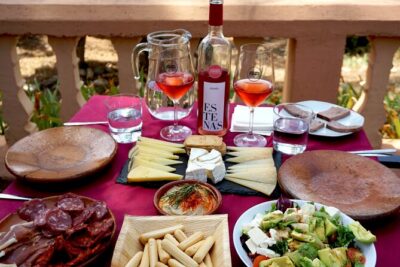
Near Malaga: Mijas Organic Vineyard, 5 Wines, 2 Oils & Tapas
Read our review →Browse the lists this tour appears in