
REVIEW · CHAMPAGNE HOUSE TOURS
Kröv/Gut Hermes: Wine tour & tasting through vineyard, winery & champagne factory
Gut Hermes gives you a close look at what happens before wine reaches your glass. The visit begins beside the winery, with a welcome champagne in the vineyard, then moves through the press hall, cellar, and champagne factory before settling in for nine wines.
I like the mix of working equipment and tasting, especially the narrow-gauge tractors, grape press, wooden barrels, stainless steel tanks, and disgorging line. I also like the generous range: red, rosé, and white wines, with dry and fruity styles in the lineup. The main drawback is that the tour is in German, so non-German speakers may miss much of the explanation.
Key points
- Welcome champagne in the vineyard: The tour begins outdoors beside the winery, weather permitting.
- Working winery equipment: See the grape press, narrow-gauge tractors, bottling plant, and disgorging line.
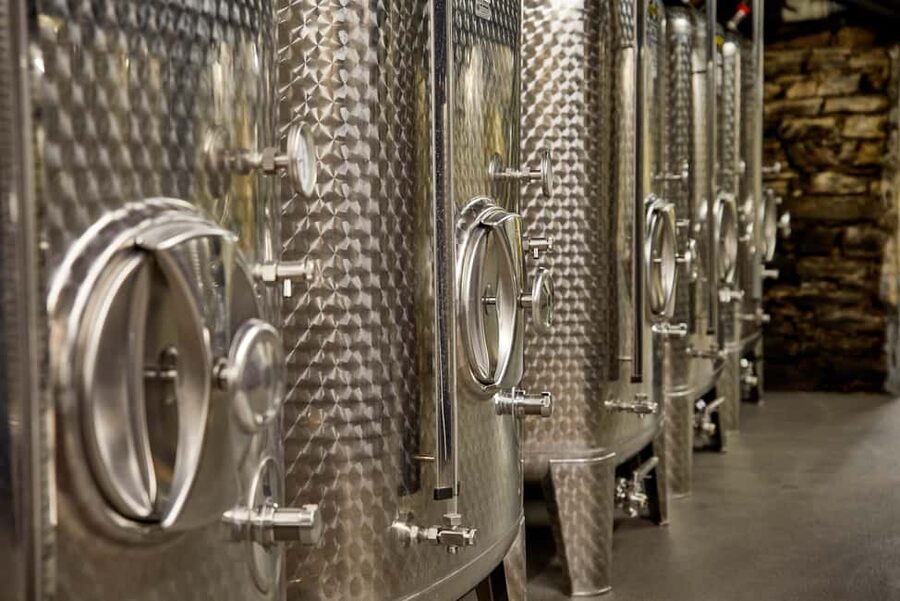
- Traditional and modern production: The cellar combines wooden barrels with gleaming stainless steel tanks.
- Nine wines to taste: The selection covers red, rosé, and white wines in dry and fruity styles.
- Three hours at one site: You avoid moving between venues and return to the Gut Hermes courtyard.
- German-language tour: The guide explains the process in German, with some content shown in its original language.
A vineyard visit that follows the wine from grape to bottle
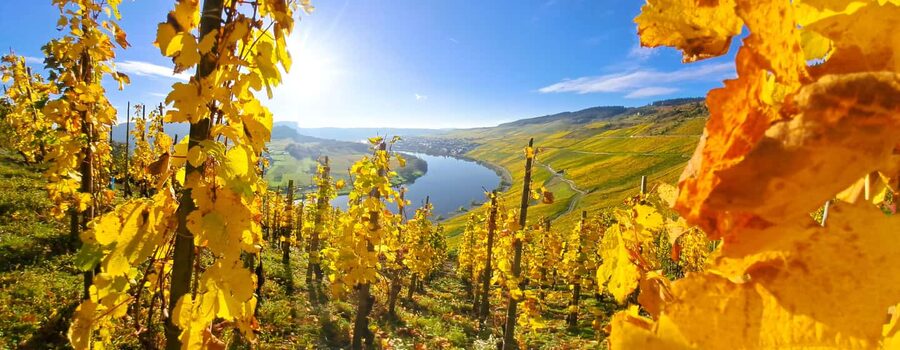
At Gut Hermes, the visit is built around a simple question: how does a grape become wine, and how does wine become sparkling wine? You follow that path in a sensible order, beginning among the vines and ending with a tasting of the finished work.
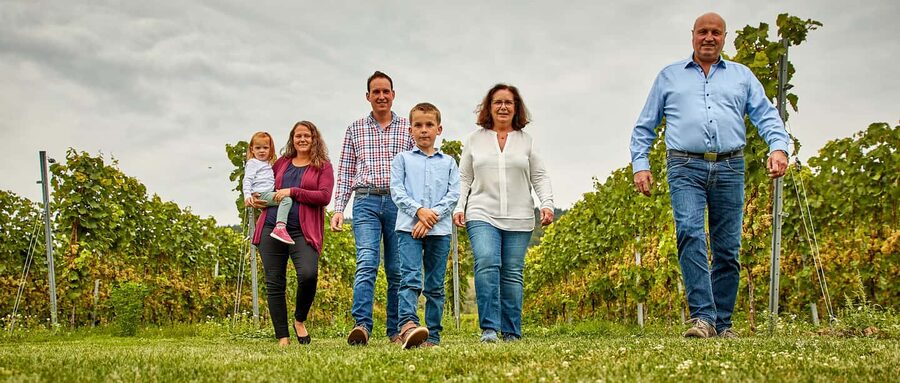
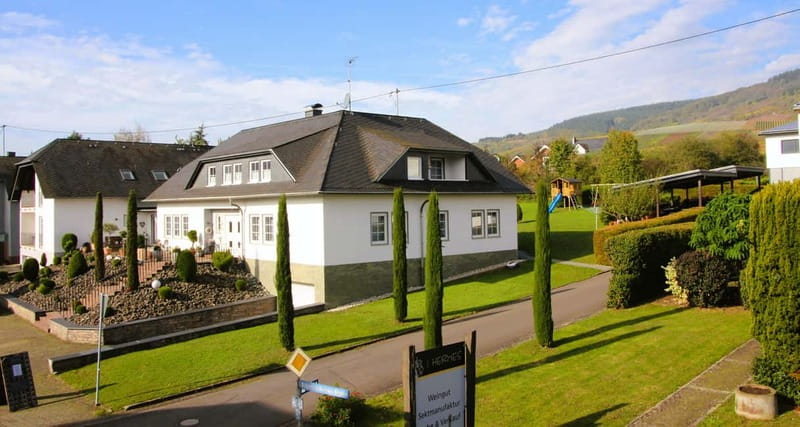
The setting matters. You meet in the courtyard of the Hermes winery, reached by a cypress-lined path. From there, the tour moves into the adjacent vineyard when the weather allows. This is not just a photo stop. The guide points out the practical work of winemaking, including the narrow-gauge tractors and modern vineyard technology used among the rows.
I like that the outdoor part comes first. You get a physical sense of the place before hearing about tanks, barrels, and machinery indoors. Still, the vineyard visit depends on the weather, so plan for the possibility that the tour will focus more on the winery and factory.
The complete visit lasts three hours. That is long enough to explain the production process without making the tasting feel like a quick afterthought. The scheduled structure gives about 45 minutes to the guided tour and champagne tasting, followed by roughly two hours of wine tasting.
More Champagne houses around the world:
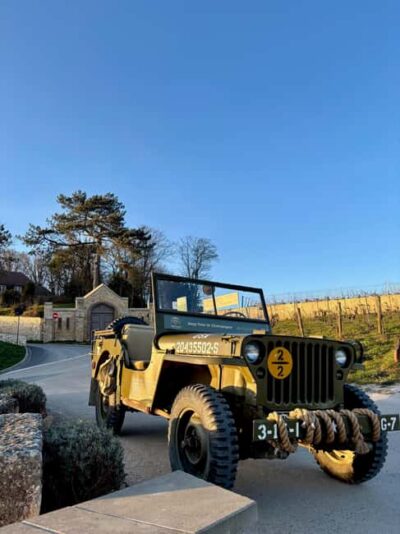
- Epernay: Jeep tour of the vineyards with tasting and visits
★ 5.0 · 70 reviews - Champagne Vineyard Experience: Delve into the terroir
★ 4.4 · 52 reviews - Gourmet walk in the heart of the vineyards with Champagne tasting near Epernay
★ 5.0 · 45 reviews
Starting at Gut Hermes in Kröv
Your meeting point is the courtyard of the Hermes winery. Look for the cypress-lined path leading to the property. Since the tour both begins and ends at Gut Hermes, you do not need to arrange transport between a vineyard, a tasting room, and a factory.
That simple setup is useful in the Moselle wine region, where a day can otherwise become a chain of short drives and hard-to-find cellar doors. Here, the whole story is in one place. You arrive, take the tour, taste the wines, and finish where you started.
A separate entrance is available for the activity, which may make arrival more direct. The supplied details do not give a group size, parking information, or a precise meeting time, so check the current start time when booking.
The vineyard, tractors, and the work behind each bottle
The first stop is the vineyard beside the winery, weather permitting. A welcome champagne sets the tone, but the focus quickly shifts to the work itself.
You can examine narrow-gauge tractors and modern vineyard technology in detail. That is a useful touch because it shows that winemaking is not only about old barrels and romantic hillside views. It is also careful, physical work supported by specialized equipment.
The guide explains the role of the winemaker and the tasks that shape the final wine. Since the tour is conducted in German, your enjoyment will depend partly on how comfortably you follow German explanations. The activity details identify German as the tour language, and some content is presented in its original language.
If the vineyard portion matters most to you, choose a day when outdoor conditions are favorable. The winery and factory tour still continue if the vineyard walk cannot take place, but the opening view of the vines is a meaningful part of the experience.
Inside the press hall and grape press
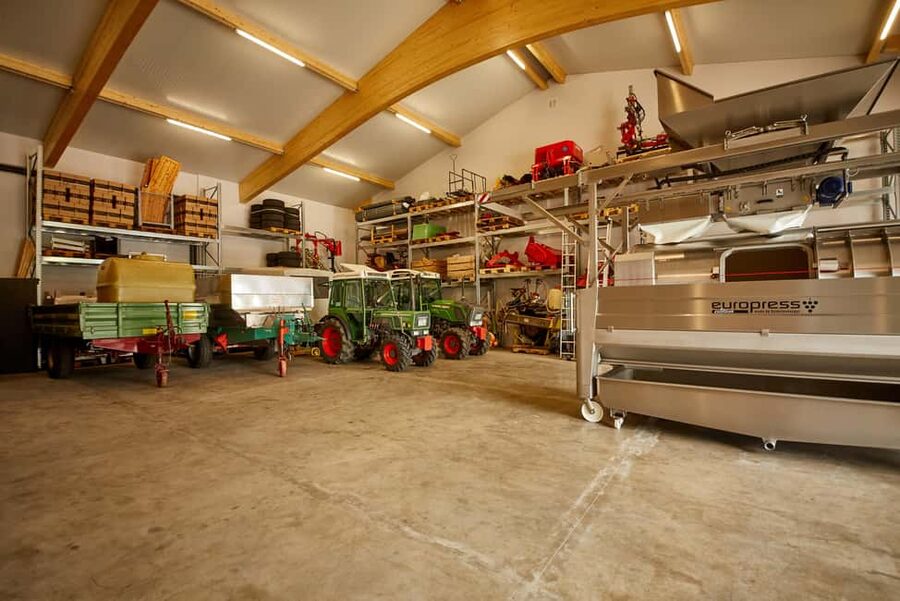
After the vineyard, you enter the wine press hall. The grape press is one of the clearest places to understand the first major step in production: turning harvested grapes into juice.
The tour does not simply take you past the machinery. It explains how Gut Hermes works and how the wine is made. You get a look at the equipment that connects the outdoor vineyard with the cellar below.
I find this kind of stop more useful than a tasting alone. A glass of wine can tell you about flavor, but the press hall gives you context. You see the production side before tasting the result.
The information provided does not specify the type of grape press or the exact harvest process used at the property, so you should not expect a technical engineering demonstration. The value is in seeing the working facility and hearing the producer’s explanation in person.
More vineyard visits around the world:
- From Porto: 2 Wine Regions, Farm-to-Table Lunch & Boat
★ 4.9 · 5,724 reviews - Napa and Sonoma Wine Country Full-Day Tour from San Francisco
★ 4.5 · 4,455 reviews - Douro Valley Tour: 2 Vineyard Visits, River Cruise, Winery Lunch
★ 5.0 · 3,542 reviews - San Francisco Super Saver: Muir Woods & Wine Country w/ optional Gourmet Lunch
★ 4.5 · 3,352 reviews
The cellar, from wooden barrels to stainless steel tanks
The route then heads into the winemaker’s cellar. Here, the mood changes from machinery and open work areas to traditional wooden barrels and polished stainless steel tanks.
That contrast helps explain the range of methods used in modern wine production. Wooden barrels bring a traditional cellar feel, while stainless steel tanks signal controlled, clean handling. The tour explains the secrets of winemaking in this setting, giving you a better basis for thinking about how different wines are produced.
For me, this is likely to be one of the strongest parts of the tour. The cellar makes the process tangible. You are not only told that wine requires patience and care. You see the vessels where that work continues after pressing.
The cellar visit also gives you a break from the outdoor weather. Comfortable clothing and shoes still make sense, since the activity includes a vineyard and several production areas, though the supplied details do not describe the walking surface or accessibility.
The champagne factory and the Champenoise method
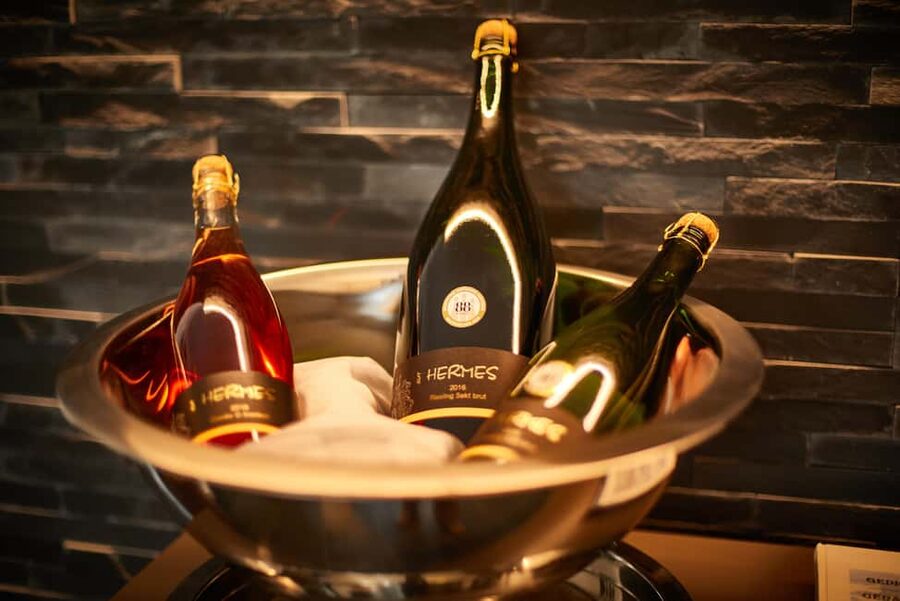
Gut Hermes also produces sparkling wine, and the tour gives that side of the business its own section. In the champagne factory, the guide explains production using the Champenoise method.
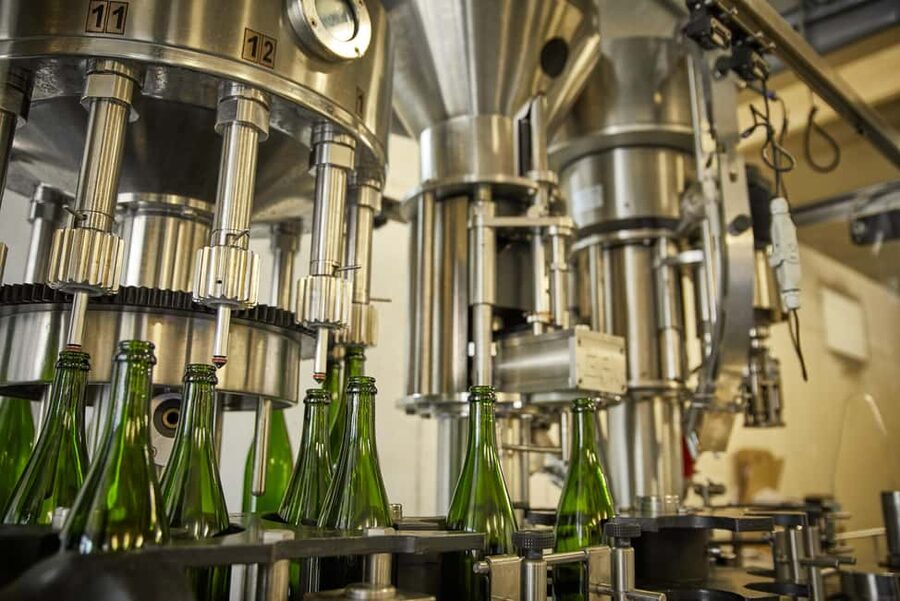
You can see the bottling plant and disgorging line, along with other equipment used in the process. These machines make the sparkling wine portion more than a quick toast at the beginning. The welcome champagne introduces the subject, and the factory shows how the finished drink is handled and prepared.
The disgorging line is a particularly useful detail for anyone curious about traditional sparkling wine production. It shows that the bubbles are not simply added at the end. The tour connects the method with the equipment, making the explanation easier to follow.
The information supplied does not state how long each bottle spends in production, which grapes are used, or how the champagne compares with a specific regional style. You will get an explanation of the method and a look at the facility, not a full technical course in sparkling wine.
A two-hour tasting with nine different wines
After the guided portion, you settle in for an extensive tasting. You receive a welcome champagne and nine different wines, with red, rosé, and white options. The selection also includes dry and fruity styles, so the tasting is designed to cover a broad range of preferences.
This is where the $28 price begins to make sense. You are paying for three hours, a guided look at a vineyard, winery, cellar, and champagne factory, plus ten pours if the welcome champagne is counted separately from the nine wines. That is strong value for someone who wants both production insight and a substantial tasting.
The range is more useful than a tasting built around one narrow style. You can compare dry and fruitier wines, then see how your preferences change across colors. If you are new to wine, the variety gives you a friendly introduction without requiring you to know much in advance.
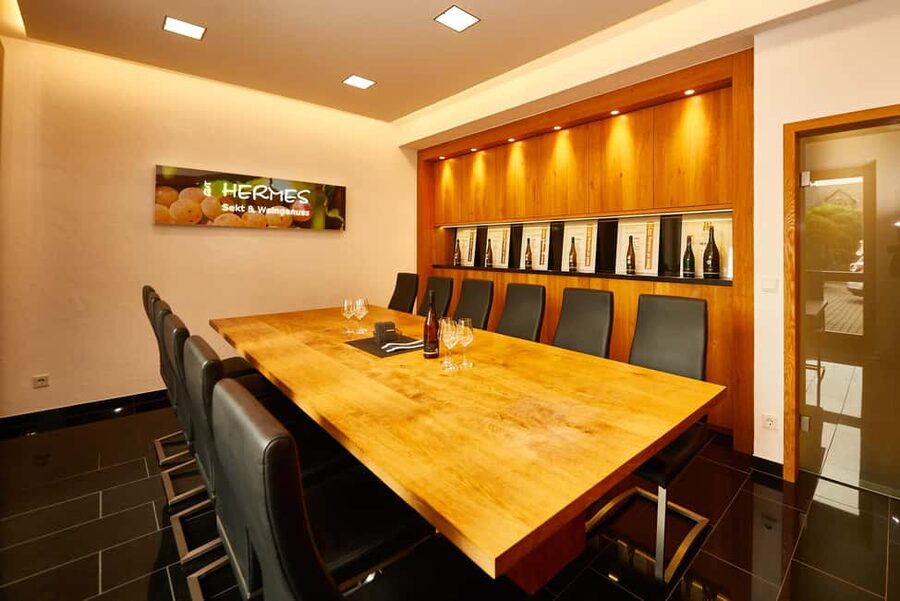
The tasting takes place in a modern setting, with time for relaxed conversation and questions. You can ask about the wines, production methods, or the differences between styles. The supplied details do not say how much wine is poured in each glass, so I would not treat the nine wines as nine full servings. Still, the tasting is substantial enough to occupy about two hours.
Because the guide is German-speaking, ask questions in German if you can. If you do not speak German, the visual parts of the tour remain accessible, but the explanations and conversation may be limited. The activity details do not promise an English guide or translation.
What the positive feedback tells you about the visit
The strongest praise focuses on three things: the informative yet entertaining explanation, the well-kept property, and the quality of the wines.
That combination is important. Some winery tours are polished but thin on information. Others explain every production step but make the tasting feel secondary. Gut Hermes appears to aim for a friendly middle ground, with practical detail, a pleasant setting, and enough time for the wines.
The property itself is described as beautiful and carefully maintained. That matters because the tour begins in the grounds and vineyard, not in a bare tasting room. The atmosphere is also helped by the social side of the visit. A friendly group can make the two-hour tasting feel relaxed rather than formal.
The wine received especially strong praise, with each bottle presented as carefully selected and enjoyable. You should still remember that taste is personal. The broad lineup gives you a better chance of finding a favorite, but no producer can guarantee that every style will suit you.
Who will get the most from this tour
I would recommend Gut Hermes to several types of visitors:
- Wine beginners who want a clear introduction to production and tasting.
- Wine fans who enjoy comparing nine different styles in one sitting.
- Couples and small groups looking for a calm half-day activity in Kröv.
- Visitors interested in equipment such as presses, tanks, bottling systems, and disgorging lines.
- People seeking value from a three-hour experience that combines touring and tasting.
It is less suitable for anyone who needs an English-language explanation. The live guide speaks German, and the supplied information does not list other guide languages.
It is also not designed for bachelor or bachelorette party groups. Pets are not allowed. Those restrictions help preserve the quieter, more focused character of the visit, but they matter when planning a group outing.
Price, timing, and booking choices
At $28 per person, this is reasonably priced for the amount included. The tour lasts three hours, covers multiple production areas, and provides a welcome drink plus nine wines. Comparable value would depend on local prices, but this is not just a short tasting at a counter.
You can cancel up to 24 hours before the activity for a full refund. A reserve-now, pay-later option is also available, which is useful if your route through Rhineland-Palatinate is still taking shape.
Check availability for the starting time. The details do not provide a fixed daily schedule, so you should plan around the confirmed departure rather than assuming you can walk in at any hour.
The tour returns to Gut Hermes, making it easy to pair with other plans in Kröv. Since the tasting lasts about two hours, avoid scheduling a rushed appointment immediately afterward. The best use of the visit is to give yourself time to ask questions and compare the wines at a comfortable pace.
Should you book the Gut Hermes wine tour?
Book it if you want a hands-on look at wine production rather than a tasting alone. The sequence from vineyard to press hall, cellar, champagne factory, and tasting gives you a complete visit in one location.
The $28 price is especially appealing for wine lovers who value variety. You receive a welcome champagne and nine wines, with red, rosé, white, dry, and fruity choices. The well-kept setting and friendly tone add to the appeal.
Think twice if you need English commentary, dislike long tastings, or want a party-focused outing. The German-language format and no bachelor or bachelorette group policy make the intended mood clear.
For German speakers, and for visitors comfortable enjoying the visual side of a guided tour, Gut Hermes is an easy recommendation in Kröv. You see how the wines are made, learn how sparkling wine is handled, and have enough time to decide which bottle deserves a place in your suitcase.
FAQ
Where does the Gut Hermes wine tour begin?
The meeting point is in the courtyard of the Hermes winery in Kröv. You reach it via a cypress-lined path.
How long does the experience last?
The activity lasts three hours.
What is included in the price?
The tour includes a guided vineyard visit when weather permits, a tour of the Gut Hermes winery and champagne factory, a welcome drink, and nine different wines to try.
Is the vineyard visit guaranteed?
No. The guided vineyard portion depends on the weather.
How many wines will I taste?
You will taste nine different wines, along with a welcome champagne.
What kinds of wine are included?
The tasting includes red, rosé, and white wines, with dry and fruity styles.
Is the tour available in English?
The live tour guide speaks German. Some content is shown in its original language.
Can I see the champagne production equipment?
Yes. The champagne factory tour includes the bottling plant, disgorging line, and other production equipment.
Are pets allowed?
No. Pets are not allowed on this activity.
Can I cancel the booking?
Yes. You can cancel up to 24 hours in advance for a full refund. A reserve-now, pay-later option is also available.
Just listed around the world
- Yolo: Vineyards, Farms & Cultural Gems – Audio Driving Tour★ 4.3 · 5 reviews
- Winery Visit and Tasting in Elche with wines and tapas from Alicante in Van★ 5.0 · 9 reviews
- Wuerzburg: Vineyard rally with wine tasting and group dynamics★ 4.8 · 6 reviews
- Winery Visit & Tasting on the Volcanic Slopes near Catania★ 5.0 · 2 reviews
- Woodinville Wine Country: Downtown Wine Tasting Pass★ 4.4 · 2 reviews
- Xalo: Vineyard Tour with Wine Tasting and Snacks★ 4.9 · 8 reviews
- Winery Visit & Tasting near Grosseto with 6 wines★ 4.8 · 6 reviews
- Winery Visit on Parma Hills & Wine Tasting with Food Platter★ 5.0 · 26 reviews
Champagne House Tours, compared.
Champagne Vineyard Experience: Delve into the terroir
Read our review →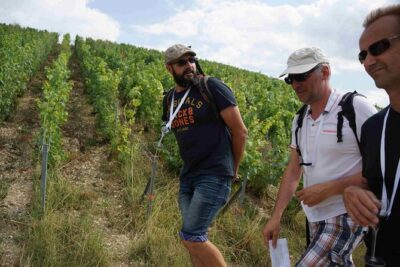
Gourmet walk in the heart of the vineyards with Champagne tasting near Epernay
Read our review →
Champagne tasting, panoramic walk in the vineyards
Read our review →
Exclusive Champagne Cellars & Dom Perignon Vineyards tour
Read our review →
Vineyard and Triple Tasting First Cru in the Mountains of Reims
Read our review →
Private Epernay Trip with Champagne Vineyard Tastings
Read our review →Browse the lists this tour appears in