
REVIEW · WINE CELLAR VISITS
Il Molino di Grace: Vineyard & Cellar Tour with Wine Tasting
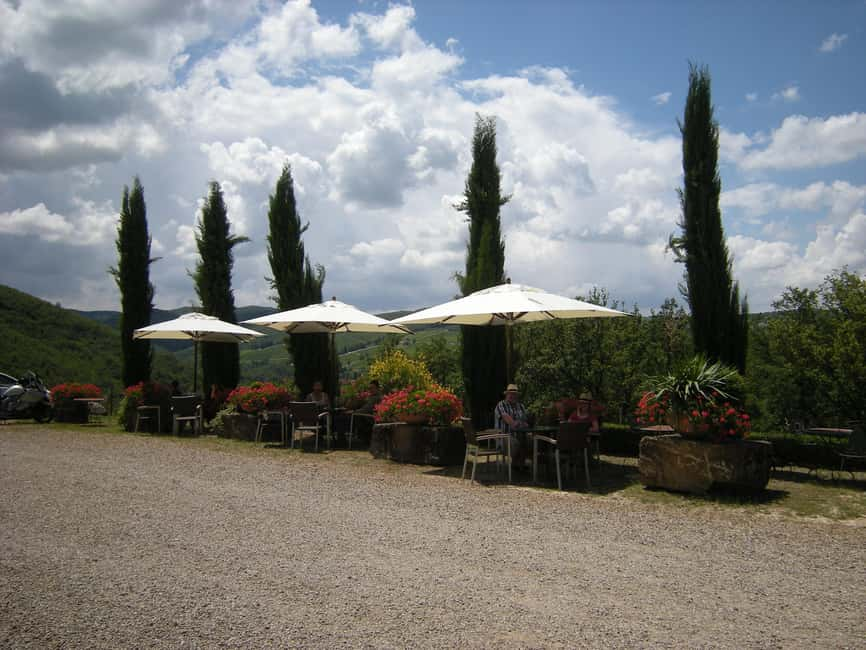
The most interesting part of this one-hour visit is the way it connects the bottle to the place. You begin among the vines, then follow the wine into the cellar and barrel room before tasting four estate wines. It is a compact lesson in how soil, climate, and farming shape what ends up in your glass.
I like the clear vineyard-to-cellar route and the chance to taste four wines rather than just one or two. I also like the extra taste of estate EVO olive oil and balsamic, which gives the visit a broader Tuscan flavor. The main limitation is time: one hour is enough for a useful introduction, but not for a slow, extensive winery visit.
Key points at a glance
- Four estate wines: Taste a selection of wines made at Il Molino di Grace, with an explanation of their aromas, flavors, and production.
- Vineyard visit: Weather permitting, walk among the vines and learn about grape varieties, soil, climate, and sustainable farming.
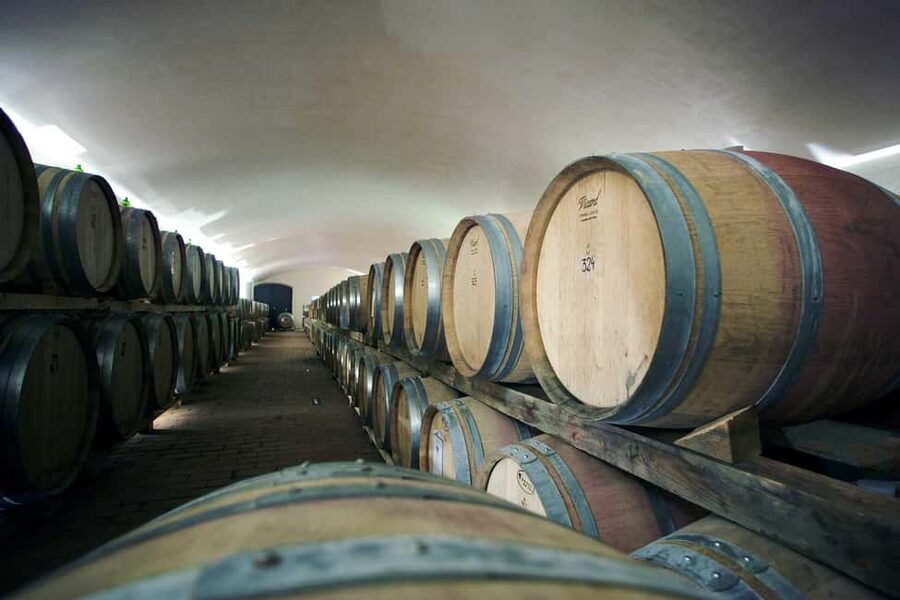
- Cellar access: See the winemaking room and barrel aging room, including the tanks and barrels used in production.
- More than wine: Sample the estate’s extra virgin olive oil and balsamic alongside the wines.
- English and Italian guides: Tours are offered in both languages, and some staff may also speak Polish.
- Good short-stop value: At $35 per person, the visit suits anyone who wants a focused introduction without giving half a day to a winery.
A short Tuscan wine visit with a clear purpose
Il Molino di Grace offers a simple format that works well for a busy Tuscany itinerary: one hour, four wines, and a guided look at how those wines are made. You do not spend the whole visit sitting at a tasting table. Instead, the experience begins outdoors and moves indoors, giving you a basic understanding of the full process.
I find that sequence useful because wine tasting makes more sense after you have seen the setting. The vines are not just a pretty backdrop. They give the guide a chance to explain the grape varieties grown at the estate, the growing cycle, the difficulties faced in the vineyard, and the role of sustainable farming.
The visit is educational, but it is not designed as a technical wine course. You should expect practical explanations rather than a long lecture on chemistry or viticulture. That makes it a good choice for beginners, couples, and anyone who wants a tasteful introduction without needing prior wine knowledge.
More Wine Cellar Visits in Italy:
- Abellonio Cascina Piccaluga – visit to the vineyards, to the wine tasting cellar
★ 5.0 · 237 reviews - Prosecco tasting, appetizers and tour of the cellar and vineyards
★ 5.0 · 178 reviews - Riomaggiore: Vineyard & Wine Cellar Tour with Wine Tasting
★ 4.7 · 100 reviews
Starting among the vines, weather permitting
The first part is a walk through the vineyard. This portion depends on the weather, so bring comfortable shoes and clothing suited to the conditions. Tuscany can be sunny and warm, but a vineyard walk can also mean uneven ground, changing temperatures, or wet paths.
Your guide introduces the estate’s background and explains the grape varieties cultivated there. The key lesson is that wine begins long before fermentation. The soil, local climate, exposure, and farming choices all affect the grapes that arrive in the cellar.
You also hear about the problems a vineyard must manage. The supplied details do not identify particular pests, diseases, or weather events, so you should not expect a list of every agricultural challenge. You can expect a general explanation of why grape growing demands care and why sustainable methods matter to the final wine.
This outdoor section is the most place-based part of the visit. You are not simply learning about Tuscan wine in a generic tasting room. You are looking at the actual vines connected to the estate’s bottles. If the vineyard walk is canceled because of weather, the experience still includes the winemaking room, barrel room, and tasting.
Inside the winemaking room
After the vineyard, the tour moves indoors to the winemaking area. Here, the guide explains fermentation, the equipment used, and the decisions that shape the wine’s character.
You will see tanks and learn how the wine develops after the grapes are harvested. The details provided do not specify the exact tank materials or fermentation methods used for each wine, so expect an overview rather than a bottle-by-bottle technical breakdown. Still, this stop helps you understand why the cellar is more than a storage area.
For a first visit to a winery, this is useful context. Fermentation is one of the stages that turns grape juice into wine, but the process is not identical for every style. The guide can connect the equipment and cellar practices to the wines you later taste, helping you notice why one may seem lighter, fuller, fruitier, or more structured than another.
The one-hour schedule keeps this part moving. That is helpful if you have a packed day in Tuscany, but it also means you may not have time to examine every piece of equipment in detail. I would treat this as an introduction to the cellar, not a behind-the-scenes production tour lasting several hours.
Barrels, aging, and the slower side of wine
The barrel aging room gives the visit another useful layer. Here, you see where selected wines mature and hear how aging contributes to flavor, texture, and complexity.
Barrels make the passage of time visible. Unlike the active work of fermentation, barrel aging is slower and less dramatic. The wine rests, changes, and develops before bottling. Your guide explains the traditions followed at the estate and the role of this stage in producing wines with character.
Do not assume that every wine in the tasting spends the same amount of time in oak. The supplied information only promises a visit to the barrel room and an explanation of the aging process. The exact aging program for each bottle may depend on the wine selected that day.
This room should appeal to anyone curious about why wines with similar grape varieties can taste quite different. It also adds a sense of craftsmanship without turning the visit into a romanticized cellar story. You see the practical side: tanks, barrels, aging, and bottling all have a job to do.
More vineyard visits around Italy:
- Half day Chianti Vineyard Escape from Florence with Wine Tastings
★ 4.5 · 2,196 reviews - Private Self-Guided E-Bike Ride in Tuscany with Vineyard Visit
★ 5.0 · 775 reviews - Florence: Chianti Wine Region Vespa or Fiat Topolino Tour
★ 4.8 · 739 reviews - From Venice: Prosecco Wine Region Tour with 2 Tastings
★ 5.0 · 374 reviews
Tasting four estate wines
The tasting follows the tour, with four wines selected to show different styles or winemaking approaches. The exact lineup is not fixed in the information provided, so you should expect the selection to vary.
That flexibility can be a benefit. It allows the guide or sommelier to choose wines that represent the estate well on the day of your visit. It also means you should not book this experience expecting four specific labels unless the provider confirms them in advance.
Each wine is presented with some context about how it was made. You are guided through aroma, flavor, and the way the wine reflects the estate’s conditions. This is not just a series of glasses placed in front of you. The tasting is meant to help you connect what you saw in the vineyard and cellar with what you taste.
If you are new to wine, pay attention to how the guide describes the wines, then decide what you notice for yourself. You do not need a trained palate. You can simply compare the wines by asking which seems softer, sharper, fuller, fruitier, or more suited to your taste.
If you already enjoy wine, the tasting gives you a chance to ask more focused questions. You can ask how the grapes are grown, how fermentation differs among wines, and why a wine spends time in barrels. The format leaves room for discussion, though the one-hour duration limits how long the conversation can continue.
Olive oil and balsamic add a Tuscan touch
The tasting also includes the estate’s extra virgin olive oil and balsamic. This is a small detail, but it improves the value of the visit because it introduces two familiar Tuscan products beyond wine.
The olive oil tasting can help you think about flavor in a different way. You may notice fruitiness, bitterness, or a peppery finish, though the exact characteristics will depend on the oil served. The balsamic adds another contrast, with its sweet and acidic profile.
No food pairing is specified, so do not book this expecting a full meal or a substantial lunch. The added tastes are best viewed as a short extension of the wine experience. If you want a large meal afterward, plan one separately.
What $35 gets you
At $35 per person, the price is reasonable for a guided winery visit that includes both production areas and four wines. You are paying for more than a flight at a bar. The fee covers the vineyard tour when weather permits, the winemaking room, the barrel aging room, the guided tasting, and the olive oil and balsamic samples.
The strongest value comes from the combination. A tasting alone might suit someone who only wants a drink, while a cellar tour alone might feel incomplete. Here, you get a compact story from grape to bottle and then taste the result.
The price looks especially fair for visitors who have limited time. A longer winery outing may offer more wines, food, or a slower pace, but it also takes more of your day. This experience gives you a focused hour, making it easy to fit before or after another Tuscan activity.
The limitation is clear: four wines in one hour does not allow for a long comparative tasting. You may leave with a better sense of the estate and your own preferences, but not with a full education in Tuscan wine. That is not a flaw if you choose it for what it is.
Who will enjoy this most
I would recommend this visit to several types of people:
- Wine beginners who want an approachable explanation of vineyards, fermentation, aging, and tasting.
- Couples and small groups looking for a pleasant Tuscan activity that does not consume half a day.
- Experienced wine drinkers who enjoy asking questions about farming and production.
- Visitors interested in local food products because the experience includes olive oil and balsamic.
- People planning ahead who value free cancellation up to 24 hours before the visit and the option to reserve now and pay later.
It may be less suitable if you want a long, highly technical tasting, a full meal, or a tour built around a guaranteed list of specific wines. The available information does not give a group size, so I cannot promise a private or small-group setting.
The experience is wheelchair accessible, which is useful for visitors who need that feature. Since the vineyard portion is weather dependent, you may want to confirm how the route is handled for your needs when booking.
Language, comfort, and practical details
Tours are offered in English and Italian. One Polish visitor found that some staff also spoke Polish, which may be helpful for Polish-speaking visitors, but Polish is not listed as a guaranteed tour language.
Wear comfortable shoes. Even a short vineyard walk is better in footwear suited to outdoor paths than in dress shoes or thin sandals. Bring weather-appropriate clothing because the first portion may take place outside, and the tour includes a walk through the vines when conditions allow.
The total duration is one hour, but allow a little extra time around the scheduled start if you are planning another appointment close behind it. The tour includes several parts, and rushing away immediately after the final tasting would take away from the relaxed side of the visit.
Free cancellation is available up to 24 hours in advance for a full refund. The reserve-now, pay-later option also gives you some flexibility when your Tuscany plans are still shifting.
A good introduction, not a full winery day
Il Molino di Grace works best as a focused introduction to wine production. You see the vineyard, learn about the estate and its growing conditions, visit the active winemaking and aging areas, and taste four wines with guidance.
The strongest parts are the clear route through the estate and the amount included for the price. The less appealing part is simply the short schedule. You will not have the time found on a long estate visit, and the outdoor portion depends on weather.
Still, a one-hour visit can be exactly right in Tuscany. You get enough explanation to make the tasting meaningful, without spending an entire afternoon in a cellar. The positive feedback attached to this experience points to a warm welcome, plenty of information, enjoyable wine, and even some Polish-language help. Those details matter because the quality of a short tour depends heavily on clear communication and a friendly guide.
Should you book Il Molino di Grace?
Book it if you want a reasonably priced, one-hour introduction to Tuscan wine with four estate wines and a look at the vineyard and cellar. It is especially well suited to beginners, couples, and anyone fitting a winery visit into a busy day.
Choose something longer if your priority is a large tasting, a full meal, a private format, or detailed technical study. For most visitors seeking a direct connection between vines, barrels, and the glass, Il Molino di Grace offers a balanced and practical stop.
FAQ
How long does the Il Molino di Grace experience last?
The experience lasts one hour.
How many wines are included?
The tasting includes four estate-made wines.
Is olive oil included?
Yes. The experience includes a tasting of extra virgin olive oil and balsamic.
Is the vineyard tour always available?
The vineyard tour is included when weather permits.
Which languages are available?
The live tour is offered in English and Italian. Some staff may also speak Polish, but Polish is not listed as a guaranteed tour language.
Is the experience wheelchair accessible?
Yes, the activity is listed as wheelchair accessible.
Just listed around Italy
- Winery Visit & Tasting on the Volcanic Slopes near Catania★ 5.0 · 2 reviews
- Winery Visit & Tasting near Grosseto with 6 wines★ 4.8 · 6 reviews
- Winery Visit on Parma Hills & Wine Tasting with Food Platter★ 5.0 · 26 reviews
- Wine tour and lunch or dinner at our vineyard★ 4.6 · 15 reviews
- Wine Tasting and Winery Visit near Asti and Turin★ 4.5 · 5 reviews
- Wine tasting under the Stars in the vineyards of Agrigento★ 5.0 · 3 reviews
- Walk through our vineyard and aperitif★ 4.7 · 19 reviews
- Volterra: Aperivintage aperitif in vineyard whit a Fiat 500★ 5.0 · 7 reviews
Wine Cellar Visits, compared.
Abellonio Cascina Piccaluga – visit to the vineyards, to the wine tasting cellar
Read our review →
Prosecco tasting, appetizers and tour of the cellar and vineyards
Read our review →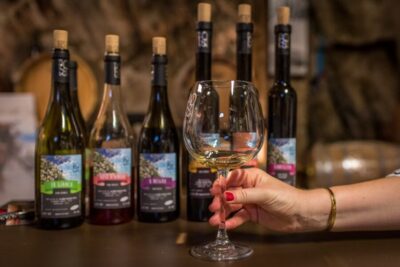
Riomaggiore: Vineyard & Wine Cellar Tour with Wine Tasting
Read our review →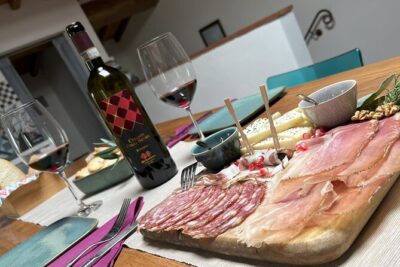
San Gimignano: Vineyard and Cellar Tour with Wine Tasting
Read our review →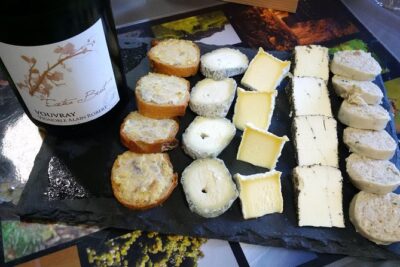
Tour of a Vineyard, Winery & Cellar with Wine Tasting in Vouvray, Loire Valley
Read our review →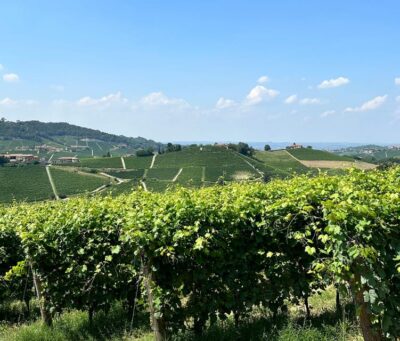
Monforte d’Alba: Barolo Tasting, Vineyard & Cellar Visit
Read our review →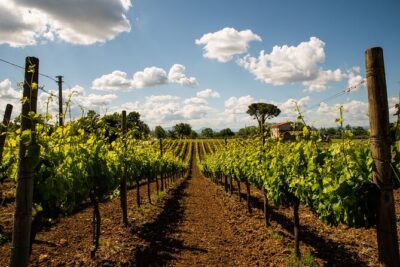
Sella delle Spine Taurasi: Tasting, Vineyard and Cellar Tour
Read our review →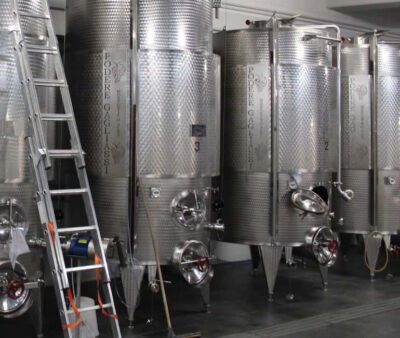
Monforte d’Alba: Wine Tasting, Cellar Visit, and Vineyard Tour
Read our review →Browse the lists this tour appears in