
REVIEW · WINERY TOURS
ICA: Pisco and Wine Route with tasting in 03 Wineries
Ica’s best drinks make more sense once you see where they begin. This 3.5-hour route takes you from grape harvest and distillation to tasting glasses, with stops at Hacienda Tacama, working vineyards, and other local cellars.
I like the small group, limited to 10 people, and I like the chance to learn how pisco differs from wine instead of simply sampling a few pours. The main consideration is cost: the tour is $29, but the Tacama entrance fee of about S/.25 and the regional lunch are extra.
The guide Alejandro has earned particular praise for his patience, especially with older adults, so this is a good pick if you prefer a calm pace and clear explanations. Just arrive 10 minutes early for the van, wear walking shoes, and remember that all participants must be at least 18.
Key points at a glance
- Hacienda Tacama sets the scene: Begin with one of Ica’s traditional wine estates and learn how the region’s drinks developed.
- Pisco is explained from grape to bottle: The visit covers grape harvesting, distillation, and the differences between pisco styles.
- Two tasting sessions slow the pace: You have time to compare local wines and piscos rather than rushing through one quick sample.
- Working vineyards add useful context: You see the grape varieties and growing areas behind the drinks in your glass.
- A small group keeps questions practical: With no more than 10 people, it is easier to hear the guide and ask about production.
- Budget for the extras: Lunch and Tacama’s approximately S/.25 entrance fee are not included in the $29 price.
Why Ica is the right place for a pisco and wine tour
Ica is one of Peru’s key wine and pisco regions, and the dry setting around the city gives the visit a clear sense of place. Here, vineyards are not just a scenic stop between attractions. They are the source of two drinks with different methods and identities.
Wine is made through fermentation, while pisco is distilled from fermented grape juice. That difference is central to the tour. Instead of treating pisco as just another spirit at the end of a meal, the route shows how grape selection, production methods, and aging choices affect what you taste.
You can start from Ica or Huacachina, which is useful if you are staying near the oasis or arriving through the city. Pickup is offered from your hotel near Ica or Huacachina, or from the bus terminal in Ica. The exact pickup time comes with your booking, and the vehicle is described as a white van or black car.
The ride between stops takes about 15 minutes each time. Those short transfers keep the route compact, but they also mean the experience is tightly timed. You get a focused introduction to the region rather than a full-day winery crawl.
More Winery Tours in the world:
- Saint-Émilion: Grand Cru Classé Winery Visit and Tasting
★ 4.6 · 1,118 reviews - Montserrat Full Day Tour with Farmhouse Lunch and Winery Visit
★ 5.0 · 1,068 reviews - Montserrat & Winery Visit Tour with Traditional Farmhouse Lunch
★ 4.5 · 1,035 reviews
Hacienda Tacama: the first taste of Ica’s tradition
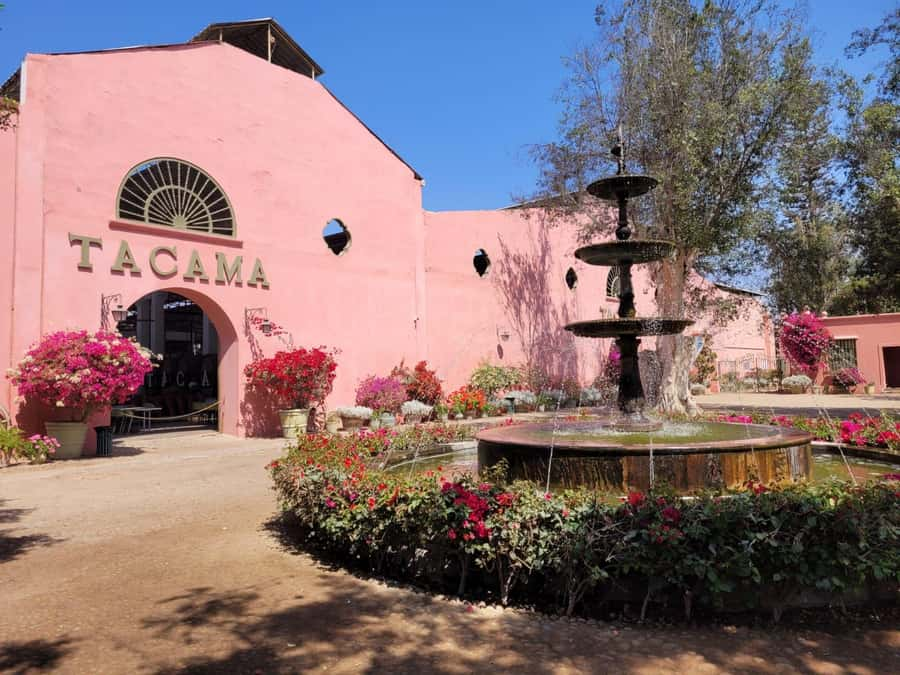
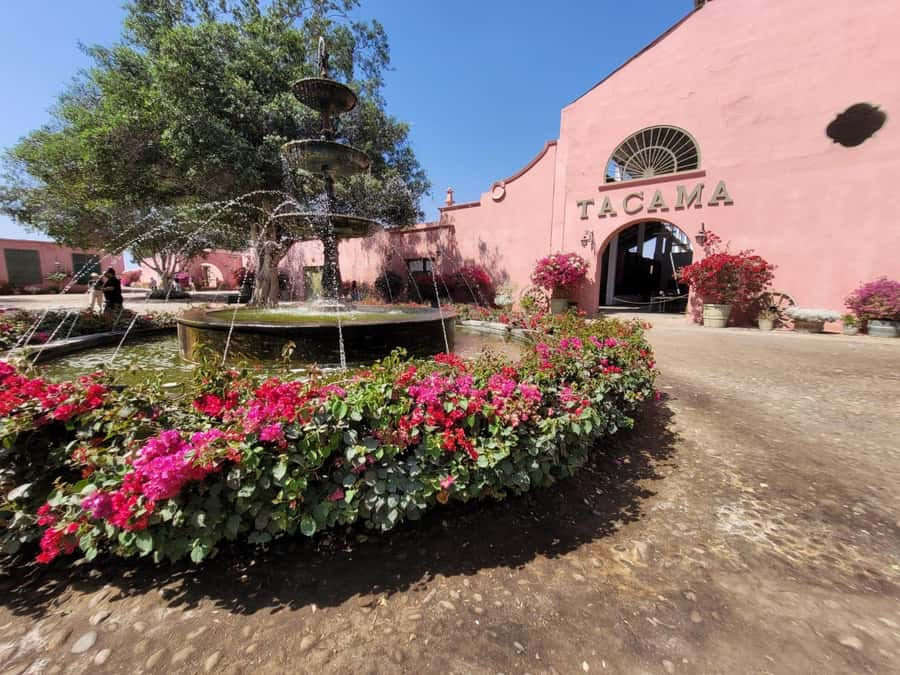
The first major stop is Hacienda Tacama, a traditional winery where the guide introduces the history and culture behind local wine and pisco. This gives you a useful starting point before tasting, since you can connect the drinks to the place and production methods.
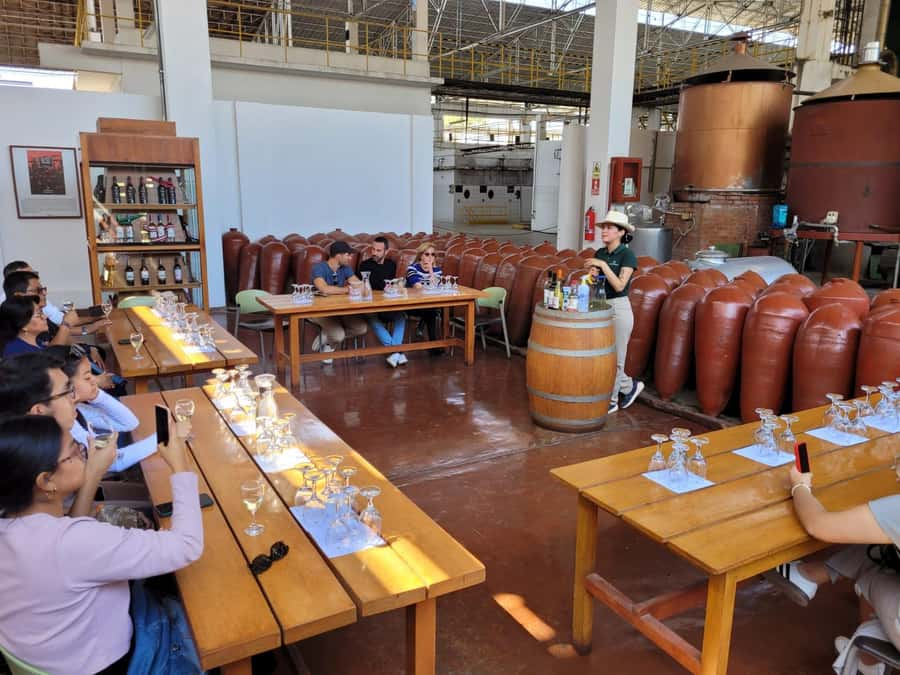
The guided visit lasts about an hour. Expect a walk through winery facilities and an explanation of how grapes are handled, fermented, and turned into finished drinks. The route also covers the pisco distillation process, from harvesting the grapes to producing the clear spirit.
Tacama’s entrance fee is not included. The stated cost is about S/.25, so add that to the advertised tour price when working out your budget. This is an important detail because $29 sounds close to an all-in price at first glance, but it is really the base cost for transport, guiding, tastings, and access to the route.
The estate visit should suit you if you want more than a tasting-room stop. You get physical context, production information, and a look at a working wine property. If you are mainly interested in drinking and less interested in how the beverages are made, the hour-long introduction may feel a little long.
Learning how pisco becomes pisco
The pisco section is one of the most valuable parts of the outing because it explains a drink that many visitors know by name but do not fully understand. You learn about the grapes used, the basic stages of production, and the role of distillation.
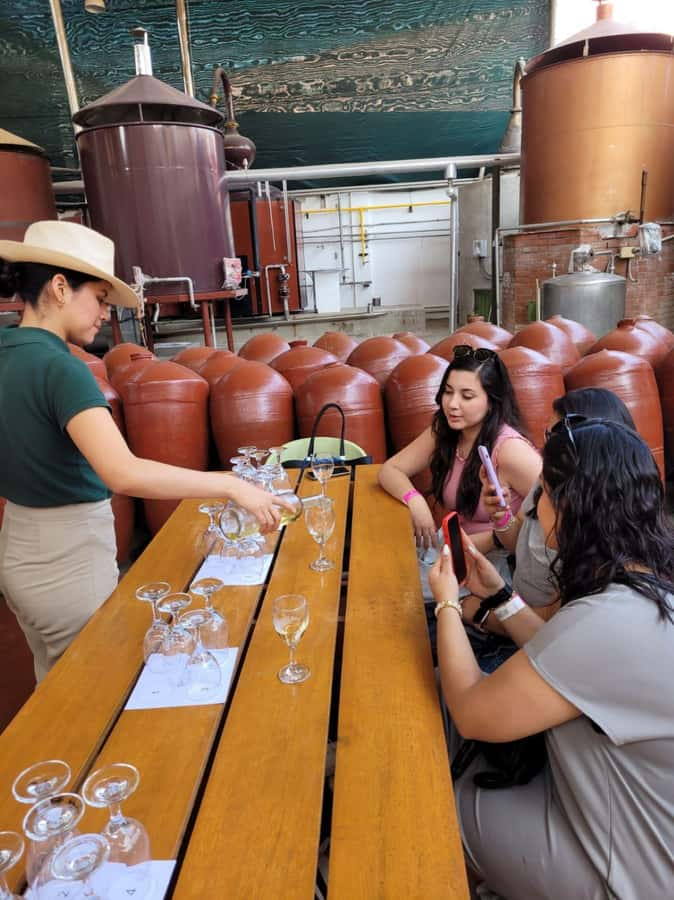
The guide and sommelier help you pay attention to aromas and flavors rather than simply deciding if a drink tastes strong or sweet. You are taught how to compare different types of pisco and local wine, which gives the tasting a purpose.
This is especially useful if you are new to pisco. The spirit can be unfamiliar, and a short explanation makes it easier to notice what is in the glass. You may also come away with a better idea of which styles you prefer, useful information if you plan to buy a bottle later in your Peru trip.
The tour is offered in English and Spanish. Since the guides are expected to explain both production and tasting, ask questions as you go. A group capped at 10 people gives you a better chance of getting an answer than a large coach tour would.
First tasting: comparing pisco and local wine
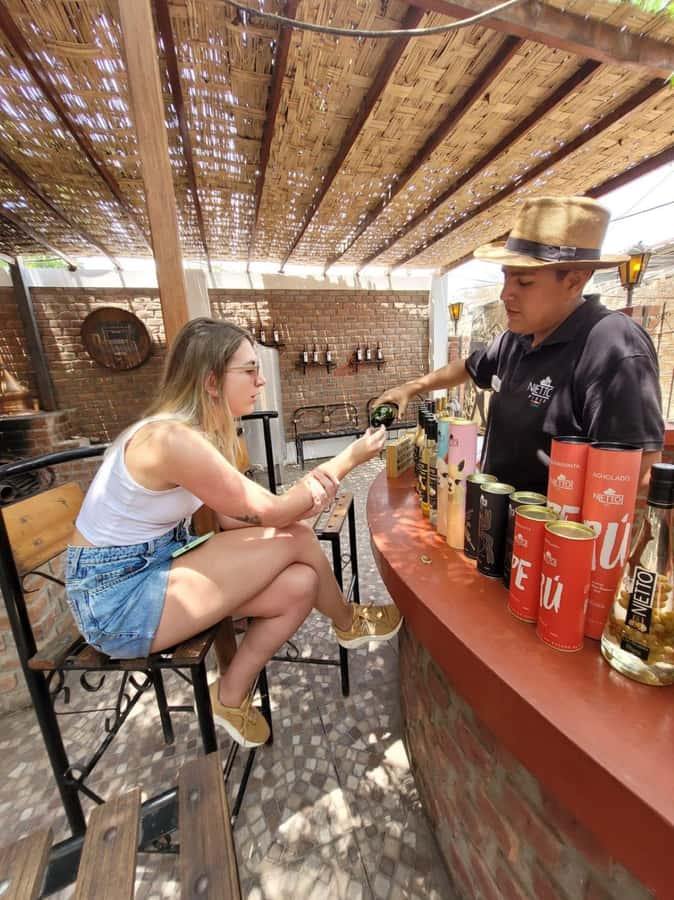
After the guided visit, the schedule allows about 30 minutes for a wine tasting. This is a fairly short session, but it follows the production explanation, so you are not tasting without context.
The tasting is led with help from a specialized sommelier. You can expect guidance on the aromas and flavors of different pisco and wine varieties. The goal is not simply to hand you several glasses. It is to help you identify what changes from one pour to the next.
Keep your expectations measured. This is a short regional tour, not a formal wine course. The value comes from the combination of instruction and access to local producers. If you already have advanced wine knowledge, you may find the explanations introductory. If you are just beginning, the format should give you a useful foundation without becoming too technical.
You also have a chance to enjoy the surroundings and explore the facilities. That free time matters because the route is not only about standing at a tasting counter. It gives you a moment to look at the property and connect the drinks with the vineyards nearby.
More Wine Country Day Trips in the world:
- From Porto: 2 Wine Regions, Farm-to-Table Lunch & Boat
★ 4.9 · 5,724 reviews - Napa and Sonoma Wine Country Full-Day Tour from San Francisco
★ 4.5 · 4,455 reviews - San Francisco Super Saver: Muir Woods & Wine Country w/ optional Gourmet Lunch
★ 4.5 · 3,352 reviews - Day Trip to Kakheti Wine Region Including 9 Wine Tastings
★ 5.0 · 2,774 reviews
Vineyard views and grape varieties
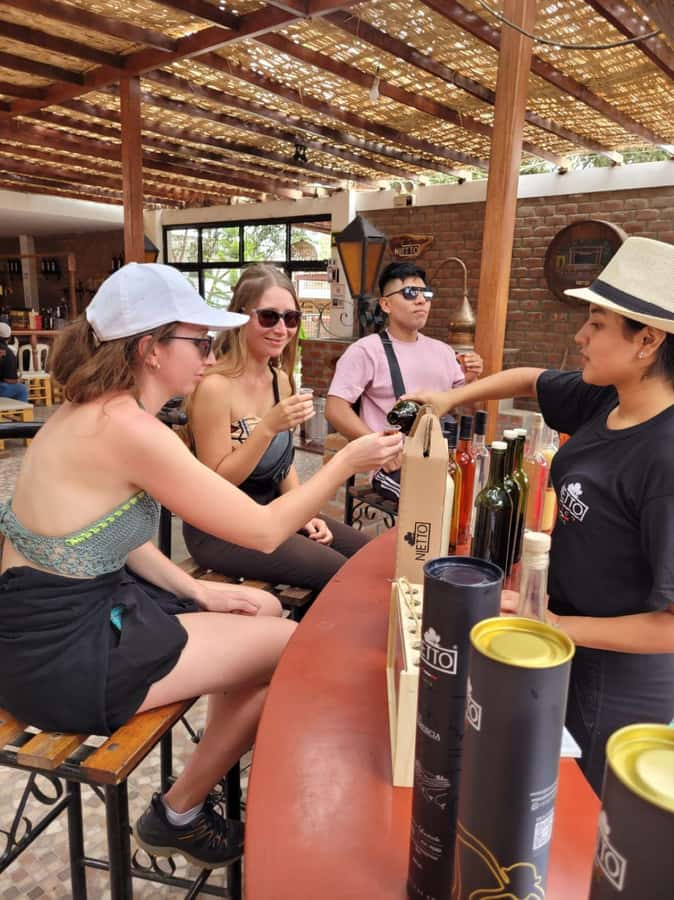
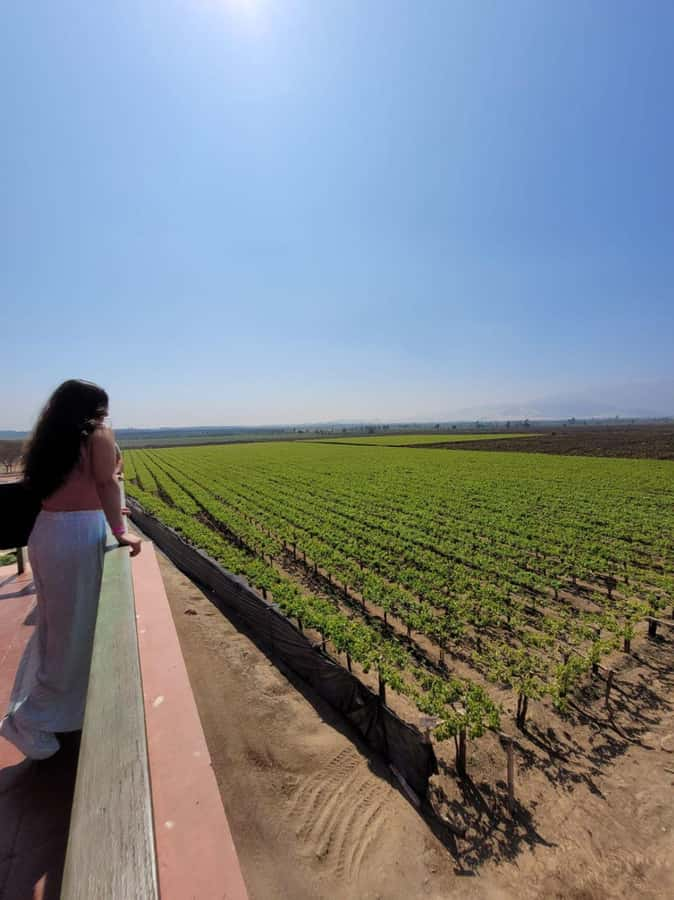
A 15-minute van ride takes you to the next part of the route, where the focus shifts from cellar work to the vineyards. You walk among the grape-growing areas and learn about the varieties used for local wines and pisco.
This is where the scenery becomes part of the lesson. The vineyard setting helps you understand that the final drink begins with agricultural choices, not with a bottle label. You can see the rows of vines and the setting that gives the region its character.
Wear comfortable clothes and proper walking shoes. The tour includes walks through vineyards and winery facilities, so sandals or stiff city shoes may make the outing less pleasant. The information supplied does not describe the walking distance or ground surface, so anyone with mobility concerns should ask the provider for more detail before booking.
The activity is listed as wheelchair accessible, but the route includes vineyard and facility walks. If you use a wheelchair, confirm the exact access arrangements in advance. Accessibility at one venue does not always mean every outdoor section has the same surface or level of access.
Second tasting: local wines and pairings
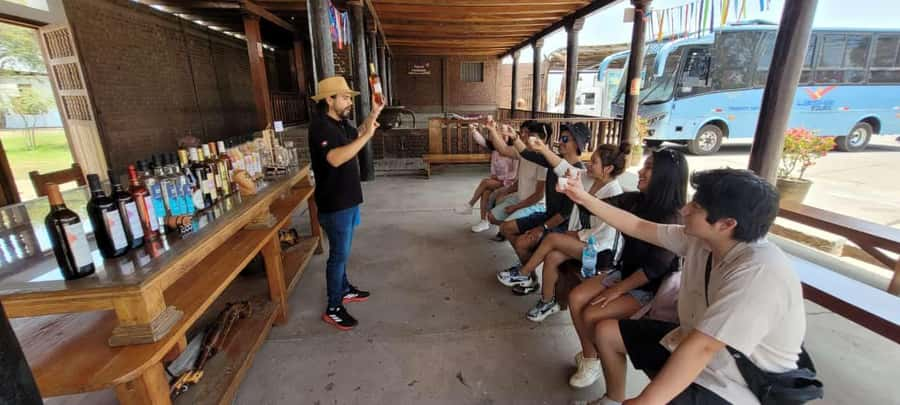
The second tasting lasts about 30 minutes and focuses on premium wines and pairings with local products. This gives the route a different feel from the earlier tasting, which is more closely tied to the introduction to pisco and wine production.
Pairing helps you understand why a wine may taste different with food than it does on its own. It also leads naturally into the regional meal later in the outing. You are not just sampling isolated drinks. You are seeing how local beverages fit into the food culture of Ica.
The wording around the route refers to three wineries, while the timed plan clearly includes Hacienda Tacama and two tasting stops. The specific names of the other wineries are not provided, so do not book this expecting a fixed list of famous estates. The practical promise is access to local cellars and working vineyards, with the exact stop details confirmed by the operator.
That uncertainty is minor if your main goal is to learn and taste. It matters more if you are choosing the tour because you want to visit one particular winery. In that case, ask before reserving.
Regional lunch and the real price of the outing
The final food stop allows about 50 minutes for a typical regional lunch from Ica, accompanied by local beverages. It is a sensible ending after the tastings, and it gives you time to sit down rather than spending the entire tour moving from one stop to the next.
Lunch is not included in the listed $29 price. This is the most important budget detail besides the Tacama entrance fee. The activity description presents lunch as part of the day’s flow, but the inclusions specify that the meal must be paid for separately.
If you have dietary restrictions, tell the provider in advance. Traditional regional food may include dairy, and lactose intolerance is specifically listed among the conditions for which the activity is not suitable. The route is also built around alcohol, so participants must be at least 18 years old.
At roughly three and a half hours, the schedule gives you enough time to eat without turning the tour into a full-day commitment. That makes it easy to fit around other Ica plans, including time in Huacachina. It also means you should not expect a long, leisurely meal with several courses unless the operator confirms that separately.
Is $29 good value?
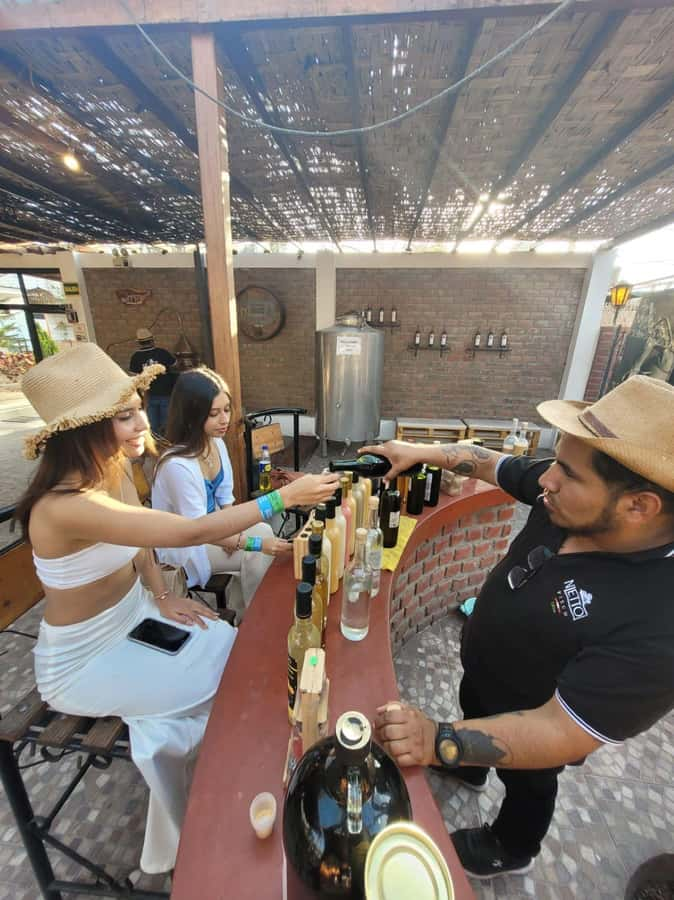
I see the $29 price as fair for a small-group route with transport, an English or Spanish guide, two tasting sessions, vineyard access, and production explanations. The group size is the strongest value point. Ten or fewer people is small enough to hear the guide and ask questions, while the van transfers save you the trouble of arranging transport between separate wineries.
The price becomes less attractive once you add Tacama’s entrance fee and lunch. You should treat the advertised amount as the starting cost, not the final total. Even so, the tour can make sense if you want a simple package from Ica or Huacachina and do not want to coordinate taxis, winery appointments, and tastings on your own.
You also get customer support before, during, and after the activity, plus information about pisco, wine, grape varieties, and the region. Those extras are useful for first-time visitors, though they are not a substitute for asking about the exact wineries included.
The free cancellation policy allows you to cancel up to 24 hours ahead for a full refund. You can also reserve and pay later, which helps if your Peru schedule is still changing.
Timing, pickup, and comfort tips
Arrive at your assigned pickup point at least 10 minutes early. The vehicle leaves on time, and the instructions ask you to remain inside the designated area rather than waiting elsewhere nearby.
Pickup is available in Ica and Huacachina. Drop-off is also available in either place, which makes the route practical if you are spending part of your day in one location and staying in the other.
The total duration is listed as 210 minutes, or about three and a half hours. The timed portions add up to a one-hour guided visit, two 30-minute tastings, a 50-minute lunch, and two 15-minute transfers. That leaves little room for delays, so punctuality matters.
Bring comfortable clothing and walking shoes. The route includes indoor winery areas and outdoor vineyard paths. The tasting portion also means this is not a good fit for anyone who wants an alcohol-free activity.
The provider describes the tour as a small group with no more than 10 participants. It is also listed as wheelchair accessible, but the vineyard walk deserves a specific accessibility check. Children under 16 are excluded, and the minimum participation age is 18 because of the tastings.
Who should book this Ica wine route?
I would recommend it to you if you want a short, organized introduction to Ica’s pisco and wine culture. It suits first-time visitors, couples, small groups of friends, and anyone staying in Huacachina who wants more than dune activities.
It is also a good option if you value explanation. The tour covers production, grape varieties, distillation, tasting methods, and food pairings. You are not left to guess what makes one pour different from another.
The calm guiding style associated with Alejandro is worth noting if you are traveling with older adults or prefer a patient pace. His reported care with older members of a group suggests the tour can work well for mixed ages within the adult-only requirement.
I would look elsewhere if you want a long luxury wine day, a fixed list of named estates, or a fully included price. The route is compact, introductory, and practical. Lunch and the Tacama admission cost extra, and the tour does not promise a detailed technical course for serious wine specialists.
Should you book it?
Book this tour if you want an affordable, guided introduction to Ica’s vineyards, pisco production, and local wine, with pickup from Ica or Huacachina. The small group, bilingual guiding, and two tasting sessions give the $29 base price solid value.
Before paying, allow for the S/.25 Tacama entrance fee and the separate lunch charge. Confirm the exact winery stops if that matters to you, and ask about vineyard access if you use a wheelchair or have mobility limits.
For most adults with a free half-day, comfortable shoes, and an interest in local drinks, this is a sensible way to experience Ica beyond its famous desert scenery.
FAQ
How long does the pisco and wine tour last?
The activity lasts approximately 210 minutes, or three and a half hours.
Where can I join the tour?
Pickup is available from Ica or Huacachina. The vehicle can collect you from a hotel near either location or from the bus terminal in Ica.
Where can I be dropped off?
Drop-off is available in Huacachina or Ica.
Is transportation included?
Yes. Comfortable transportation between the meeting point, wineries, vineyards, and drop-off location is included.
Is lunch included in the price?
No. The typical regional lunch is not included and must be paid for separately.
Is the Hacienda Tacama entrance fee included?
No. The entrance fee is approximately S/.25 soles and is paid separately.
What languages are available?
The tour is offered in English and Spanish.
How many people are in the group?
The tour is limited to 10 participants.
What is the minimum age?
Participants must be at least 18 years old because the activity includes pisco and wine tastings.
Is the tour wheelchair accessible?
The activity is listed as wheelchair accessible. Since it includes walks through vineyards and winery facilities, confirm the exact access arrangements before booking.
Just listed around the world
- Yolo: Vineyards, Farms & Cultural Gems – Audio Driving Tour★ 4.3 · 5 reviews
- Winery Visit and Tasting in Elche with wines and tapas from Alicante in Van★ 5.0 · 9 reviews
- Wuerzburg: Vineyard rally with wine tasting and group dynamics★ 4.8 · 6 reviews
- Xalo: Vineyard Tour with Wine Tasting and Snacks★ 4.9 · 8 reviews
- Winery Visit & Tasting on the Volcanic Slopes near Catania★ 5.0 · 2 reviews
- Woodinville Wine Country: Downtown Wine Tasting Pass★ 4.4 · 2 reviews
- Winery Visit & Tasting near Grosseto with 6 wines★ 4.8 · 6 reviews
- Winery Visit on Parma Hills & Wine Tasting with Food Platter★ 5.0 · 26 reviews
Winery Tours, compared.

Montserrat Full Day Tour with Farmhouse Lunch and Winery Visit
Read our review →
Montserrat & Winery Visit Tour with Traditional Farmhouse Lunch
Read our review →
Saint Emilion Half-Day Trip with Wine Tasting & Winery Visit from Bordeaux
Read our review →
Chianti Delights: A Tale Of Two Wineries With A Vineyard Dinner
Read our review →
Toledo Guided Tour & Winery Visit with Tasting
Read our review →
Douro Valley for Wine Lovers with Visit to 4 Wineries and Lunch
Read our review →Browse the lists this tour appears in