
REVIEW · WINE CELLAR VISITS
Franciacorta: visit the vineyard, cellar, and enjoy an Edea To tasting
Franciacorta’s appeal comes into focus at Mirabella, where Pinot Blanc vines lead you toward a working winery rather than a polished tasting room alone. You’ll see the original 1942 cellar, including concrete tanks still used for first fermentation, then taste three Franciacorta wines with simple local snacks.
I like the mix of vineyard and cellar time, and I like that the tasting compares a Blanc de Blanc, a Satèn, and a Rosé in one sitting. The main drawback is that the full visit is about two hours, so this is a focused winery experience, not a full-day outing through the Franciacorta area.
Key points at a glance
- Walk through Mirabella’s Pinot Blanc collection vineyard, with an explanation of grape varieties and growing methods.
- See the original 1942 concrete fermentation tanks, still part of the winery’s production story.
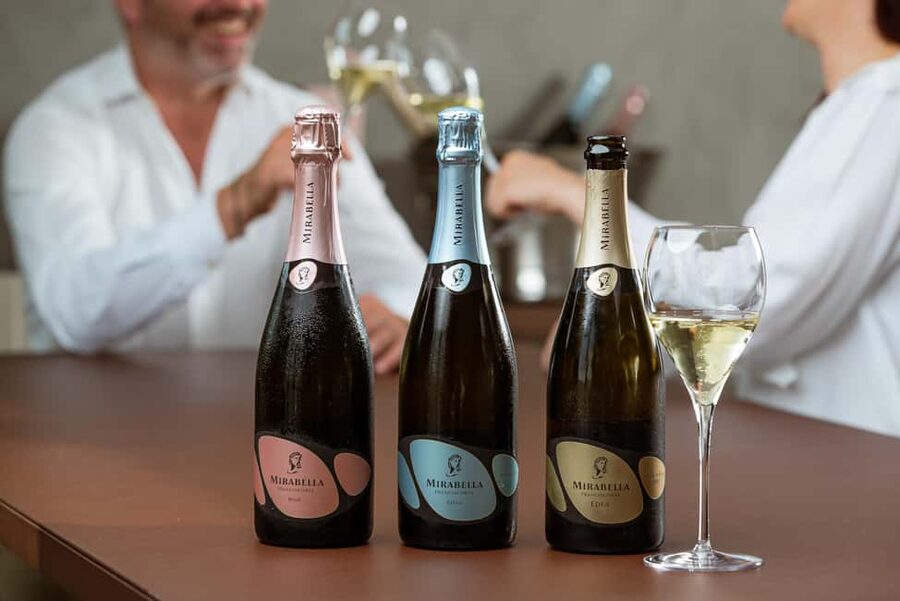
- Taste three different Franciacorta wines, including Edea Brut Blanc de Blanc, Satèn Brut Millesimato, and Rosé Brut.
- Meet the winemaking side of Franciacorta, from vineyard work through fermentation and aging.
- Enjoy taralli and breadsticks with the tasting, useful small bites that keep the wine experience relaxed.
- Plan for a cool cellar and uneven walking conditions, with a jacket and comfortable closed shoes.
Why this Mirabella visit works
Franciacorta is Lombardy’s best-known sparkling wine area, and Mirabella gives you a practical way to understand it without committing to a long, complicated tour. The visit connects three things that are often separated: the vines, the production rooms, and the glass in front of you.
That connection matters. A tasting can feel abstract if you only hear grape names and winemaking terms. Here, you first see the Pinot Blanc vines, then enter the place where fermentation begins, and finally taste the finished wines. You get a clearer sense of how the land and cellar work together.
The experience is also a good fit if you want something more personal than a large wine attraction. It takes place at Azienda Agricola Mirabella, where the staff explains the family story, the origins of the winery, cultivation techniques, fermentation, and aging. The emphasis is on how the wines are made, not just on pouring samples.
The advertised price is $38 per person. I consider that fair value for a guided vineyard walk, a historic winery visit, and three tastings with food. It is especially sensible if you are already near Franciacorta and want one well-organized stop. It is less compelling if you expect transportation around several estates, a long meal, or a full day of sightseeing.
More Wine Cellar Visits in Italy:
- Abellonio Cascina Piccaluga – visit to the vineyards, to the wine tasting cellar
★ 5.0 · 237 reviews - Prosecco tasting, appetizers and tour of the cellar and vineyards
★ 5.0 · 178 reviews - Riomaggiore: Vineyard & Wine Cellar Tour with Wine Tasting
★ 4.7 · 100 reviews
Starting at V. Cantarane, 2
The meeting point is at V. Cantarane, 2. You park in the outdoor square, then go to the reception area of the Enoteca and let the winery know you have arrived.
This arrival detail is worth taking seriously. Do not walk directly into the winemaking area or cellar. Check in at reception first, where the staff can direct you to the proper starting point.
The visit is offered in English and Italian. Some material may remain in its original language, so ask your guide when a technical point is not clear. A live guide is included, which makes the experience more useful than a self-guided walk, especially when the discussion turns to fermentation and aging.
The schedule is listed as a one-day activity because the booking system uses a date and starting time. The actual guided winery portion is about two hours, including the vineyard, cellar, and tasting. Check the available start times before booking, since the exact schedule is not fixed here.
Walking the Pinot Blanc collection vineyard
The first substantial stop is the Pinot Blanc collection vineyard. You stroll through the rows while the guide explains the range of grapes and Mirabella’s approach to production.
This is more than a quick photo stop. Mirabella is known for being Franciacorta’s first Pinot Blanc producer, so the vineyard gives the visit a clear point of difference. Pinot Blanc is central to the estate’s identity, and seeing the vines before tasting helps you pay attention to the character of the white wines later.
The walk also gives you a basic introduction to vineyard work. You learn about cultivation techniques and the relationship between the soil, the vines, and the final wine. The information is aimed at curious newcomers as well as people who already know a little about wine.
Do not expect a long countryside hike. The vineyard portion is part of a compact winery visit, not a trek through the whole Franciacorta area. That is a benefit if you want a manageable activity, but it may feel brief if your main goal is extensive time outdoors.
Wear closed, comfortable shoes. Heels and unstable footwear are specifically discouraged, and sensible shoes will make the vineyard and cellar portions easier.
Entering the 1942 cellar
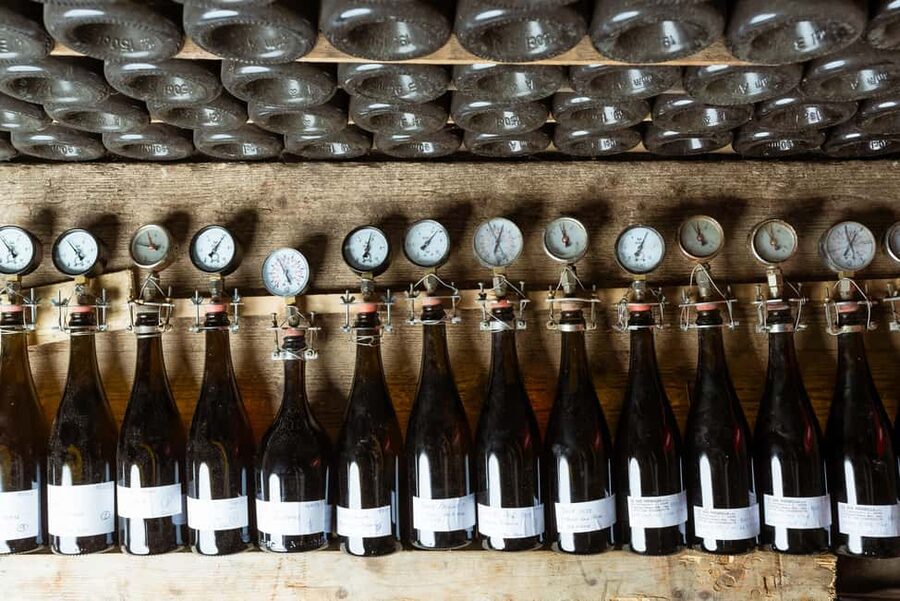
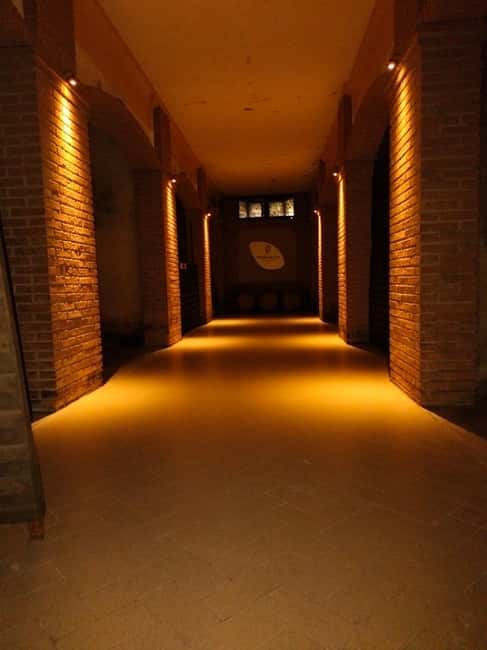
The historic winery is the heart of the visit. The 1942 cellar retains original concrete tanks where first fermentation still takes place, giving you a direct look at an older production method that remains in use.
This is the most distinctive stop for many people. Stainless steel equipment can look much the same from one winery to another, but original concrete fermentation tanks connect Mirabella’s current work with its early years. You see tradition here as working equipment, not as decoration.
Your guide explains the winemaking process, including fermentation and the aging of Franciacorta wines. This is where the tour becomes more technical. You may hear about how the wines develop after the initial fermentation and why cellar conditions matter.
The cellar is cooler than the outside areas. Bring a coat or jacket, even if the weather is warm when you arrive. That small bit of preparation can make a real difference, particularly if you are sensitive to cold or plan to linger while the guide explains the tanks.
The winery is wheelchair accessible, but the visit still includes vineyard and cellar areas. If you have specific mobility needs, it is sensible to mention them when booking so the staff can help you prepare for the route.
More vineyard visits around Italy:
- Half day Chianti Vineyard Escape from Florence with Wine Tastings
★ 4.5 · 2,196 reviews - Private Self-Guided E-Bike Ride in Tuscany with Vineyard Visit
★ 5.0 · 775 reviews - Florence: Chianti Wine Region Vespa or Fiat Topolino Tour
★ 4.8 · 739 reviews - From Venice: Prosecco Wine Region Tour with 2 Tastings
★ 5.0 · 374 reviews
The three-wine Mirabella tasting
The tasting compares three representative wines from the Mirabella line. This is a well-chosen set because each bottle offers a different style.
Edea Brut Blanc de Blanc is described as elegant and mineral. It is the tasting’s clean, white-focused option, and it should appeal to you if you prefer a fresh sparkling wine with a more restrained profile.
Satèn Brut Millesimato is creamy and refined. Satèn is a Franciacorta style associated with a softer, silkier feel, and the millesimato designation indicates a vintage wine. This is likely to be the bottle that shows how Franciacorta can move beyond simple crispness into a rounder, more polished style.
Rosé Brut is intense and fruity. It gives the tasting a different color, aroma, and fruit profile, making the comparison more engaging than sampling three similar white wines.
The guide leads the tasting rather than simply handing you three glasses. You can expect help with the wines’ aromas and fragrances, along with an explanation of how the styles relate to the production process. If you are new to sparkling wine, this structure gives you a useful vocabulary without requiring prior expertise.
Taralli and breadsticks accompany the pours. These are modest snacks, not a meal, but they serve an important purpose. They give you something savory to eat between wines and help keep the tasting comfortable. Do not book this expecting lunch or a formal food pairing.
The tasting is also the point where you can decide what you actually like. One visitor was convinced to buy two bottles after trying the wines, and the winery includes a shopping opportunity. You are not limited to a tasting and goodbye, though purchases are optional.
A guide-led visit with a human touch
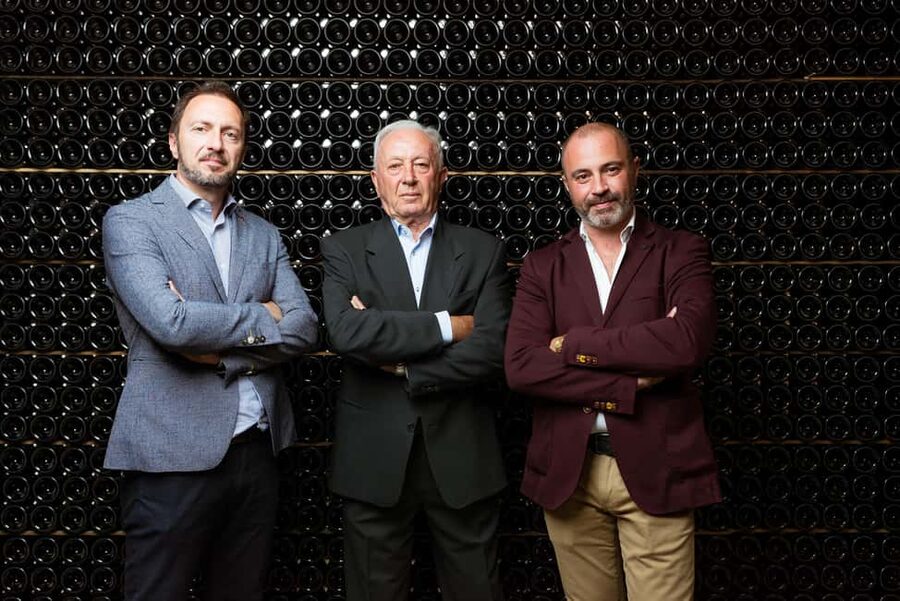
The quality of the guide matters at a small winery, and Chiara is specifically praised for her passion, clear technical explanations, and warm manner. If she leads your visit, you can expect a guide who connects the family story with the practical details of vinification.
That balance is important. Too much technical talk can turn a wine visit into a lecture, while too little leaves you with attractive rooms and no real understanding. Mirabella’s format allows the guide to move from family origins to grape growing, then into concrete fermentation and aging.
The staff is also described as professional and kind, with careful organization from arrival through tasting. That makes this a comfortable choice for people who enjoy wine but do not want to navigate a complex estate on their own.
Still, keep your expectations realistic. Guide availability can change, and the information here confirms English and Italian service rather than a wider range of languages. If you need a language other than those two, confirm before paying.
Who will enjoy this experience most
I would recommend the tour to several types of visitors:
- Wine beginners who want a clear introduction without committing to an advanced course.
- Franc iacorta enthusiasts interested in Pinot Blanc, Satèn, and local production methods.
- Couples and small groups looking for a calm activity with a tasting at the end.
- Families, since children are welcome when noted at booking.
- Visitors with pets, as pets are also welcome when declared in advance.
- People interested in traditional production, especially the original concrete fermentation tanks.
Families should remember that the tasting is designed for adults, while children can attend the visit. Pets are permitted, but you need to tell the winery when booking. The experience is not described as a meal or entertainment activity for children, so younger visitors may find the cellar explanations less engaging.
This is not the best choice if you want a full Franciacorta circuit, a long lunch, or a broad tour of several producers. It is one winery, one guided route, and three wines. That focus is exactly what makes it manageable.
Practical planning for the cellar and vineyard
Bring a jacket. This is the most important packing tip because the cellar is cooler than the vineyard and reception areas.
Choose closed, comfortable shoes. The winery specifically advises against heels or unstable shoes, and that advice applies even if you expect only a short walk. You will move between outdoor rows and production areas, so practical footwear is better than dress shoes.
The meeting point has an outdoor parking area, and the tour returns you to the same winery location. No transport between estates is included, so plan your route to and from Mirabella separately.
The activity is wheelchair accessible. The winery also accepts families and pets, provided those details are shared at the time of booking. English and Italian are available, and a live guide accompanies the visit.
Cancellation is flexible up to 24 hours before the scheduled experience for a full refund. You can also reserve now and pay later, which helps if your Lombardy plans are still moving around.
Is $38 a good value?
At $38, the experience sits in a reasonable range for a guided winery visit with three pours and food. You are paying for more than the wine itself. The fee includes access to the Pinot Blanc collection vineyard, the historic cellar, the guide’s explanations, and the tasting service.
The strongest value comes from the variety of the visit. If this were only a three-glass tasting, the price would be less attractive. If it were only a cellar walk, some people might find the cost harder to justify. Combining both, then adding the snacks and the option to shop, makes the price easier to defend.
The main limitation is scale. You are not receiving a full meal, transport, or a day-long tour. If your definition of a wine outing includes several estates and a restaurant lunch, budget for those separately.
For someone already staying in or passing through Lombardy’s Franciacorta area, I think the price is fair. It gives you a focused, useful introduction without taking over your entire day.
Should you book the Mirabella Edea Tour?
Book it if you want to understand how Franciacorta moves from Pinot Blanc vineyard to historic cellar to tasting glass. The concrete tanks, the family and production story, and the three contrasting wines give the visit a real sense of place.
It is also a smart pick if you prefer a compact activity, need English or Italian guiding, or are traveling with children or a pet and want a winery that allows them with advance notice.
Skip it if you are seeking a full-day wine route, a substantial meal, or transportation between multiple producers. For everyone else, $38 buys a well-shaped introduction to Mirabella, with enough history and technique to make the tasting more meaningful. Bring a jacket, wear steady shoes, and arrive at the Enoteca reception rather than walking into the cellar on your own.
FAQ
How long does the Mirabella winery experience last?
The guided winery portion is listed as about two hours. The booking date is described as a one-day activity because you select an available date and starting time.
Where does the tour begin?
It begins at V. Cantarane, 2, at Azienda Agricola Mirabella. Park in the outdoor square and report to the reception area of the Enoteca.
What wines are included in the tasting?
The tasting includes Edea Brut Blanc de Blanc, Satèn Brut Millesimato, and Rosé Brut.
Is food included?
Taralli and breadsticks are included to accompany the wine tasting. A full meal is not included.
Is the experience available in English?
Yes. The live tour guide service is available in English and Italian. Some content may be presented in its original language.
What should I bring?
Bring a jacket because the cellar and other winery areas can be cool. Closed, comfortable shoes are recommended, while heels and unstable shoes are discouraged.
Can children and pets attend?
Yes. Children and pets are welcome, but you should notify the winery when booking.
Just listed around Italy
- Winery Visit & Tasting on the Volcanic Slopes near Catania★ 5.0 · 2 reviews
- Winery Visit & Tasting near Grosseto with 6 wines★ 4.8 · 6 reviews
- Winery Visit on Parma Hills & Wine Tasting with Food Platter★ 5.0 · 26 reviews
- Wine Tasting and Winery Visit near Asti and Turin★ 4.5 · 5 reviews
- Wine tour and lunch or dinner at our vineyard★ 4.6 · 15 reviews
- Wine tasting under the Stars in the vineyards of Agrigento★ 5.0 · 3 reviews
- Walk through our vineyard and aperitif★ 4.7 · 19 reviews
- Volterra: Aperivintage aperitif in vineyard whit a Fiat 500★ 5.0 · 7 reviews
Wine Cellar Visits, compared.
Abellonio Cascina Piccaluga – visit to the vineyards, to the wine tasting cellar
Read our review →
Prosecco tasting, appetizers and tour of the cellar and vineyards
Read our review →
Riomaggiore: Vineyard & Wine Cellar Tour with Wine Tasting
Read our review →
San Gimignano: Vineyard and Cellar Tour with Wine Tasting
Read our review →
Tour of a Vineyard, Winery & Cellar with Wine Tasting in Vouvray, Loire Valley
Read our review →
Monforte d’Alba: Barolo Tasting, Vineyard & Cellar Visit
Read our review →
Sella delle Spine Taurasi: Tasting, Vineyard and Cellar Tour
Read our review →
Monforte d’Alba: Wine Tasting, Cellar Visit, and Vineyard Tour
Read our review →Browse the lists this tour appears in