
REVIEW · BORDEAUX VINEYARD TOURS
Discovery of the Bordeaux vineyard in 3 wines
Bordeaux wine can feel like a code until someone explains the map, grapes, and labels in plain English. This tasting at Le Pied à Terre does exactly that, using three wines to show the differences between the Left Bank, Right Bank, and dry-white traditions.
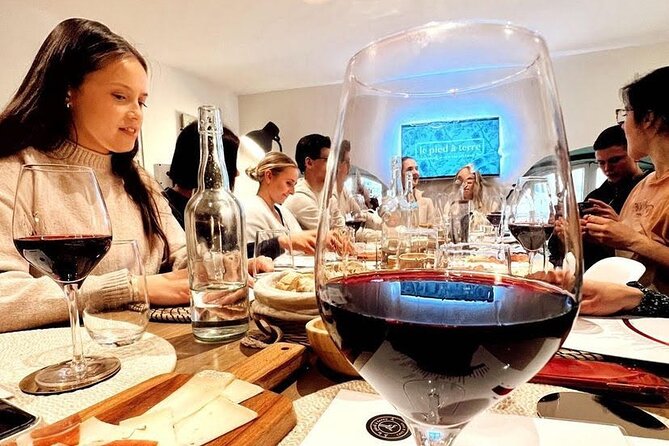
I like the small group size, capped at 12, and the friendly teaching style. I also like the useful structure: you taste three wines, learn how to assess them, and pair them with Basque cheese and charcuterie. The main consideration is that this is held in a wine shop tasting room, not at a vineyard or château, and the presentation can sometimes wander a little.
- Three distinct Bordeaux styles: Compare a powerful Left Bank red, an elegant Right Bank wine, and a fresh dry white.
- English-language instruction: James, Pierre, and other hosts explain tasting methods, appellations, and Bordeaux terms without making the class stiff.
- A real lesson, not just three drinks: You learn how to smell, taste, compare, and understand what you are drinking.
- Basque food with the wine: Cheese, ham, bread, and Maison Pierre Oteiza products give you something useful to taste alongside each pour.
- Central Bordeaux setting: The meeting point is Le Pied à Terre, 22 Rue Judaïque, with public transportation nearby.
- Good for beginners and curious drinkers: The tone is relaxed, humorous, and open to questions, with a maximum of 12 people.
Three Bordeaux wines, one clear lesson
The smart idea here is comparison. Instead of giving you three unrelated glasses, the tasting uses three wines to explain the basic character of Bordeaux.
You begin with a red from the Left Bank, where Bordeaux wines are often associated with power, structure, and Cabernet Sauvignon. You then move to a Right Bank wine, presented as more elegant and shaped by a different mix of grapes and soils. The third wine is a dry white from a respected estate, giving your palate a fresh break from the reds.
You will not leave knowing every château in the region. That is not the point. You will leave with a working framework for reading a Bordeaux menu or wine list. You will also have a better sense of why two bottles from the same broad region can taste so different.
The three glasses are tasting portions, not full servings. That is appropriate for a short educational session, and it lets the host focus on comparison rather than quantity.
What happens at Le Pied à Terre
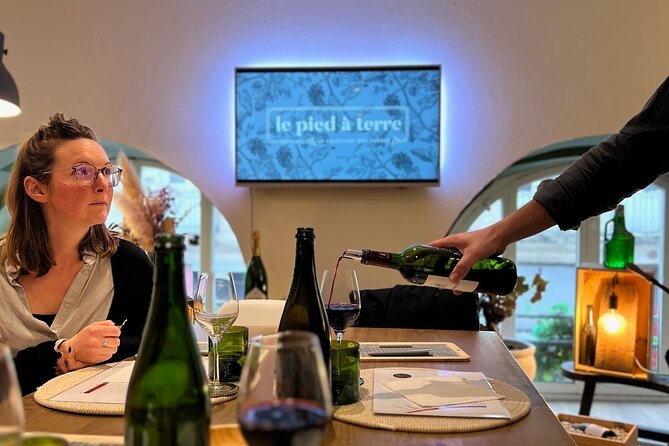
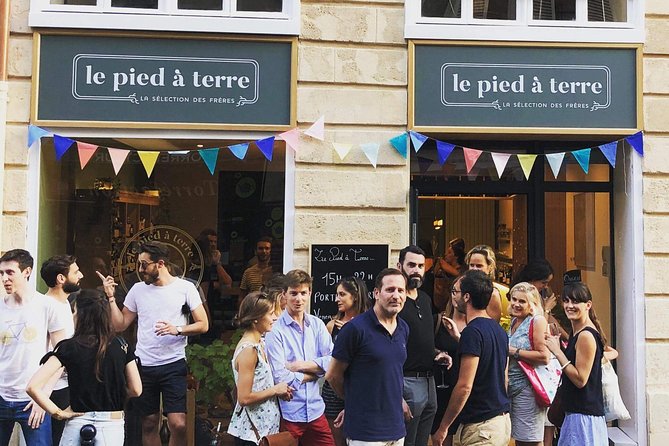
The meeting point is 22 Rue Judaïque, in central Bordeaux. The tasting takes place upstairs in the wine shop’s tasting room, a detail worth knowing if you expect to sit among vines or tour a working cellar.
The room provides a relaxed setting for conversation. One benefit of this arrangement is that the host can bring the bottles, explain them closely, and answer questions without the distractions of a large estate visit. The trade-off is simple: you do not see vineyards, barrels, or production facilities.
The session lasts about one hour and 30 minutes, although some groups have found the pace closer to a couple of hours. If you have a tightly packed afternoon, allow some extra time rather than planning another appointment immediately afterward.
The group limit is 12 people. That is large enough to meet other wine fans, but small enough for questions. It also suits solo visitors, since the format naturally encourages conversation around the table.
More vineyard visits around Bordeaux:
- Saint Emilion Half-Day Trip with Wine Tasting & Winery Visit from Bordeaux
★ 4.5 · 1,034 reviews - Bordeaux: Vineyards Wine Tasting Half-Day Trip
★ 4.2 · 470 reviews - Half-Day Wine tour across Bordeaux’s Vineyards
★ 3.5 · 429 reviews
Learning the Left Bank and Right Bank
The most useful part of the class is the side-by-side look at Bordeaux’s two major wine areas.
The Left Bank wine is chosen to show strength and structure. You will hear about the local appellation, grape varieties, wine-making methods, and the story behind the estate. The host connects those details to what you taste in the glass, which is far more useful than memorizing a list of names.
The Right Bank wine gives you a different reference point. The goal is not to declare one side better. It is to help you notice a change in style, balance, and texture. You may find the Right Bank example more polished or supple, while the Left Bank wine feels firmer and more forceful. The exact impression depends on the bottles selected for your session.
This comparison is especially useful if Bordeaux is new to you. Instead of treating the region as one large category, you begin to see why its wines have different reputations. The host also explains Bordeaux’s certification and governance system, including how producers qualify to label wine as coming from the Bordeaux region.
That information has practical value. When you later face a Bordeaux label, you will know that the appellation is not just decorative wording. It tells you something about origin, rules, and expected style.
The dry white is more than a palate cleanser
The white wine brings welcome variety. Many first-time Bordeaux drinkers think mainly of red wine, but the region also produces dry whites with freshness and character.
This third pour helps you reset your palate after the reds. The host discusses the estate, grapes, production, and regional setting, then shows how to assess the wine on its own terms.
For a beginner, the white is a useful reminder that Bordeaux is not one flavor profile. For a more experienced drinker, it adds balance to the session and keeps the tasting from becoming a simple red-wine comparison.
The exact producer and vintage are not fixed in the information provided, so do not book this expecting a guaranteed bottle list. The point is the contrast between styles, not a promise of particular labels.
Wine tasting without the fuss
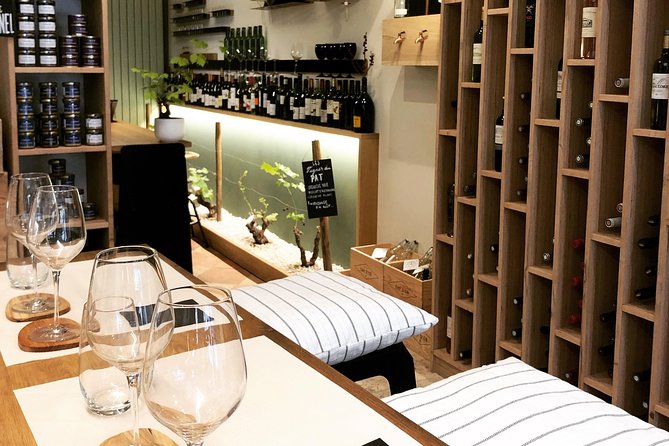
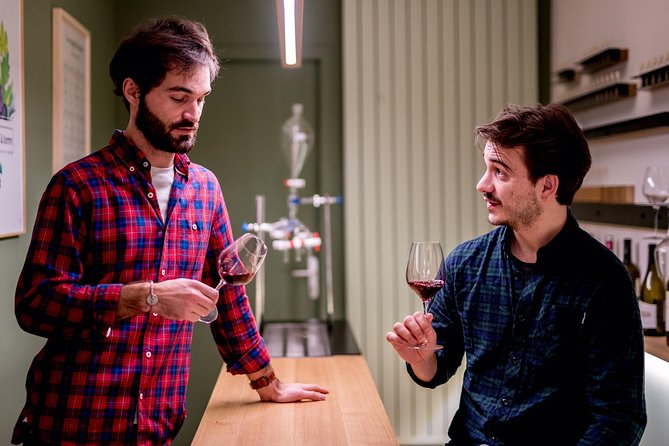
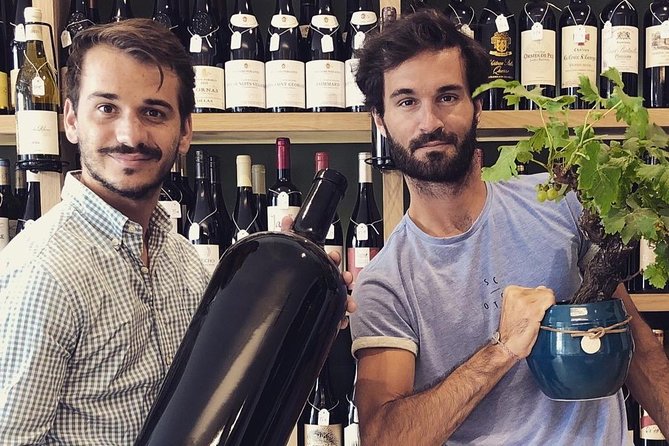
The strongest feature of this class is its tone. James is described as an English-speaking wine expert who explains the basics clearly and handles questions with patience. Pierre has also led sessions, using humor and an easy manner to make the class feel more like a conversation than a formal lecture.
The instruction covers practical steps:
- How to look at the wine
- How to smell it
- How to taste it
- How to compare one glass with another
- How to think about food pairings
- How Bordeaux wines reflect their appellations and grapes
You do not need a trained palate. In fact, complete beginners may get the most from the session. The teaching avoids the stiff tone that can make wine classes uncomfortable. You are encouraged to ask basic questions, and the atmosphere is designed to keep you from feeling foolish.
I also like that the class treats tasting as observation rather than performance. You are not expected to produce clever descriptions or identify a vintage blind. You are given a method you can use at dinner, in a shop, or at another tasting.
For intermediate drinkers, the class can still be worthwhile, particularly if Bordeaux labels and appellations are unfamiliar. One possible weakness is that the talk can become a little free-form. If you already know wine theory, you may prefer a tighter lesson with a fixed script.
Same wine country, a different gate to drive through:
- Medoc Region Wine Day Trip with Vineyard Visits & Tastings from Bordeaux
★ 4.5 · 293 reviews - Médoc Region Half-Day Wine Tour with Winery Visit & Tastings from Bordeaux
★ 4.5 · 211 reviews - Bordeaux: St-Emilion Vineyards e-Bike Tour with Wine & Lunch
★ 4.9 · 181 reviews - Bordeaux: Médoc & St-Emilion Wine 3 châteaux with lunch
★ 4.9 · 116 reviews
Basque cheese, ham, and bread
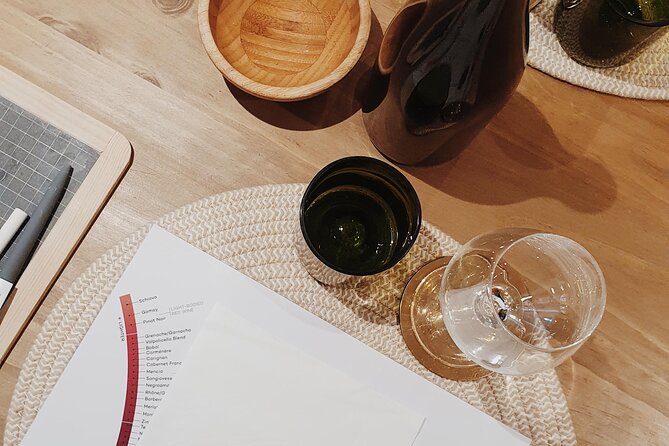
The food is modest but well chosen. You receive charcuterie and cheese from the Basque Country, including products from Maison Pierre Oteiza, along with bread.
This is not a full meal. One description notes a small board with a slice of bread, cheese, and ham, so arrive with realistic expectations if you are hungry. The portions are there to support the tasting, not replace lunch or dinner.
Still, the food matters. Wine makes more sense when you taste it with something salty, fatty, and savory. The host discusses pairings, and you can notice how the food changes the wine’s balance and finish.
Vegetarian and vegan arrangements have been possible when requested ahead of time. If that applies to you, contact the provider before the session rather than assuming the standard board will be adjusted on the day.
Roman stories and Bordeaux identity
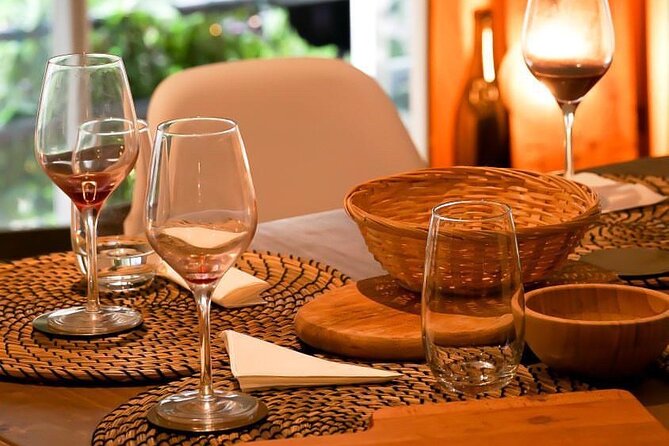
The class adds a historical thread, including stories reaching back to Roman times. This gives the tasting a sense of place without turning it into a dry history lesson.
You also hear about the producers and estates behind the wines. That human detail is useful because Bordeaux can otherwise seem dominated by grand names, classification systems, and formal labels. Learning how individual producers fit into the region helps make the bottles easier to remember.
The class is strongest when the history supports the wine in your glass. A story about trade, estates, or regional rules becomes worthwhile when it helps explain why Bordeaux developed its present style and reputation.
Do not expect a full city walking tour or a visit to Roman remains. The historical material is part of the tasting, not a separate sightseeing program.
Who gets the most from this tasting
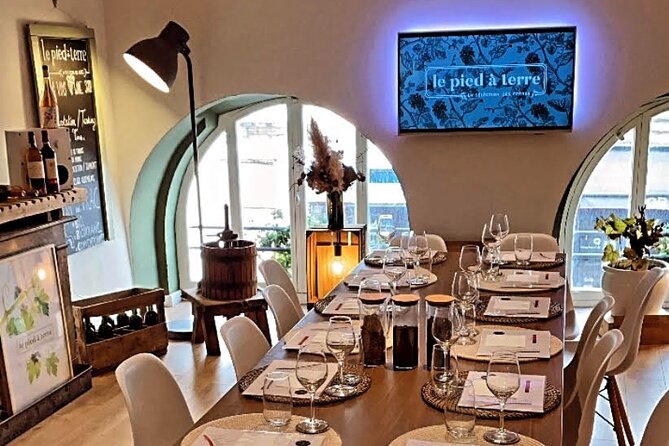
This is a good first step if you are new to Bordeaux wine. You will learn enough vocabulary and structure to make a later château visit more rewarding. Instead of hearing about appellations for the first time on a busy estate tour, you will already have a basic map in your head.
It also suits couples, families with adult children, solo visitors, and mixed groups where one person knows more about wine than the others. The relaxed format gives experienced drinkers room to ask questions while beginners get clear explanations.
You should choose this if you want:
- A short, central Bordeaux activity
- English-language teaching
- Three contrasting wines
- A social setting with no need for prior wine knowledge
- A practical introduction before visiting vineyards
- Food pairings without committing to a full meal
You may want a different activity if your priority is walking through vines, touring a cellar, or seeing wine made on an estate. This session teaches Bordeaux indoors. It does not take you into the countryside.
Is $42.33 a fair price?
At $42.33 per person, the value depends on what you want from a wine activity.
For three tasting portions, the price is not simply a bargain based on the amount of wine poured. You are paying for the guided comparison, English explanations, historical context, tasting instruction, food, and access to a small class. Two of the wines may be Grand Cru Classé selections, depending on the session, which can also affect the value.
The price makes more sense if you use the lesson afterward. You can apply the tasting method in restaurants, choose a bottle with more confidence, and understand Bordeaux labels more clearly. If you only want to drink three glasses, a bar may cost less and give you more wine.
The 4.9 rating from 133 ratings and 98 percent recommendation rate suggest a very strong record, but I would still match the format to your expectations. It is an educational tasting in a wine shop, not a luxury château visit.
Timing, location, and booking details
The experience is offered in English and is often reserved about 22 days ahead, so I would not leave it until the final morning of your Bordeaux stay. Check the time carefully when booking. One published time has been reported as inaccurate, with the actual tasting offered at 2:30 p.m. rather than 11 a.m.
Confirmation arrives when you book. Public transportation is nearby, and the activity ends where it begins at Le Pied à Terre.
Service animals are allowed. The provider requires a minimum number of people, so a cancellation for low enrollment is possible. If that happens, you are offered another date or activity, or a full refund.
Free cancellation is available until 24 hours before the start time. Canceling later, or making changes within that window, does not qualify for a refund.
Should you book this Bordeaux tasting?
I would book it if you want a clear, friendly introduction to Bordeaux wine and do not need a vineyard visit. The three-wine structure, small group, food pairings, and practical tasting lesson give you more than a casual pour at a shop counter.
It is especially useful early in your stay. Take the class before visiting the Médoc, Saint-Émilion, or another wine area, and the château names and regional terms will make more sense.
I would skip it only if you are looking for a countryside excursion, a full meal, or a highly technical master class. For everyone else, Le Pied à Terre offers a relaxed way to understand Bordeaux without cork-sniffing theater or needless fuss.
FAQ
Where does the Bordeaux wine tasting begin?
It begins at Le Pied à Terre, 22 Rue Judaïque, 33000 Bordeaux, France.
Where does the activity end?
The activity ends back at the meeting point.
How long does the tasting last?
The scheduled duration is approximately one hour and 30 minutes. Some sessions may run closer to a couple of hours, so leave a little flexibility afterward.
How many wines are included?
The program includes a guided tasting of three Bordeaux wines.
What types of Bordeaux wine will I taste?
The tasting is designed to include a powerful red from the Left Bank, an elegant wine from the Right Bank, and a fresh dry white.
Is the tasting offered in English?
Yes. The experience is offered in English.
Is food included?
Yes. The standard food pairing includes Basque Country charcuterie and cheese, with bread and products from Maison Pierre Oteiza.
How many people can join?
The maximum group size is 12 people.
Can I cancel for a refund?
Yes. You can cancel at least 24 hours before the start time for a full refund. Later cancellations and changes are not accepted for a refund.
Just listed around Bordeaux
- Half-Day Guided Wine Tasting Tour in Bordeaux Vineyards★ 5.0 · 15 reviews
- 3H private city tour of Bordeaux and vineyard in a Citroën DS★ 5.0 · 4 reviews
- Private 2cv tour in the vineyards and Wine tasting★ 5.0 · 14 reviews
- Private tour in the Sauternes wine region – discover Bordeaux sweet Crus Classés★ 5.0 · 7 reviews
- 2 in 1 – Visit of Bordeaux and excursion in a vineyard★ 5.0 · 12 reviews
- Visit Saint-Emilion and Pomerol:Vineyards, lunch and tastings included★ 5.0 · 10 reviews
- Private tour in the prestigious Médoc wine region★ 5.0 · 7 reviews
- From Bordeaux: Médoc Vineyard and Chateau Tour by Sidecar★ 4.6 · 8 reviews
Bordeaux Vineyard Tours, compared.
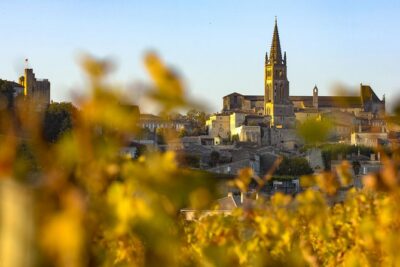
Saint Emilion Half-Day Trip with Wine Tasting & Winery Visit from Bordeaux
Read our review →
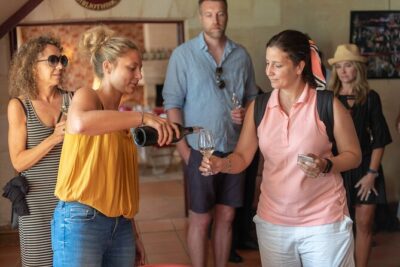
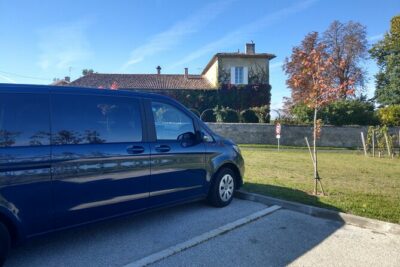
Medoc Region Wine Day Trip with Vineyard Visits & Tastings from Bordeaux
Read our review →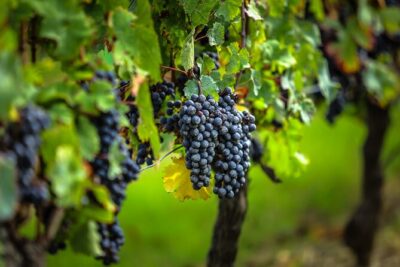
Médoc Region Half-Day Wine Tour with Winery Visit & Tastings from Bordeaux
Read our review →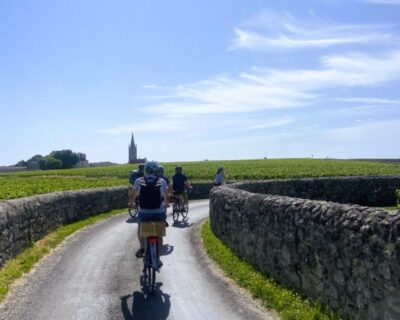
St-Emilion Vineyards e-Bike Tour with Wine & Lunch
Read our review →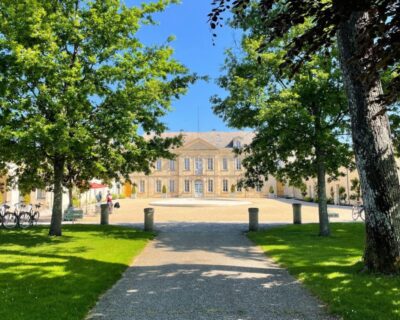
Château Olivier: One Hour Vineyard Tour with Wine Tasting
Read our review →Browse the lists this tour appears in