
REVIEW · BORDEAUX VINEYARD TOURS
Half-Day Wine tour across Bordeaux’s Vineyards
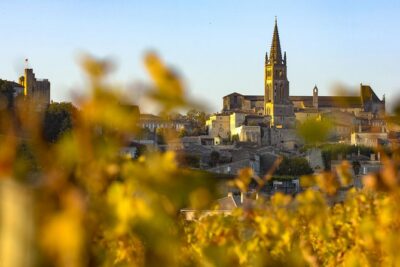
Saint-Émilion is the star of this afternoon outing. You can enter its remarkable monolithic church, cut into the rock below the village, then visit a local château to learn how grapes become wine. The drive from Bordeaux adds rolling vines, old stone, and a useful introduction to the region’s geology and winemaking traditions.
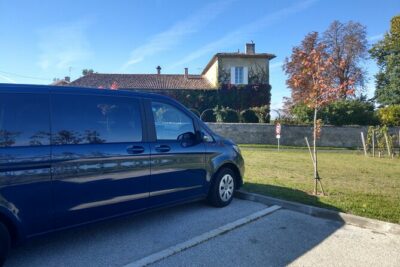
I like the air-conditioned transport and the easy afternoon timing. You meet at Bordeaux’s Tourist Office at 1:30pm, so the morning stays free for the city’s markets, museums, or a slow lunch. I also like the chance to taste wine where it is made, rather than simply sitting at a bar in town.
The main drawback is the group size, which can reach 50 people, and the guide speaks French and English during the same tour. That can make explanations feel slow, and some departures include a long drive with only a small number of tastings.
Key points before you book
- Saint-Émilion’s rock-cut church: The 30-minute visit adds a rare cultural stop beyond the wine itself.
- One or two winery visits: The exact route changes by day and may include Saint-Émilion, Médoc, Graves and Sauternes, Entre-deux-Mers, Bourg, or Blaye.
- Bilingual guiding: The guide presents information in both English and French, which may lengthen stops.
- Small tasting pours: Wine is served within French legal limits, so this is an educational tasting, not a drinking session.
- Large coach group: Up to 50 people may join, making this good for ease and price, but less personal than a small-group tour.
- Afternoon return: The tour leaves at 1:30pm and returns around 6pm, with no hotel pickup or meal included.
What this Bordeaux wine tour really offers
This is a broad introduction to Bordeaux wine country, not a private château day and not a full afternoon of continuous tasting. Its purpose is to show you a slice of the region, explain how Bordeaux wine is produced, and give you enough samples to begin understanding the differences between estates and appellations.
At $70.81 per person, the price is reasonable for five hours of transport, a professional guide, entry to the listed sites, and winery tastings. You are paying for convenience as much as wine. Bordeaux’s wine areas spread well beyond the city, and reaching a château without a car can be awkward.
The value depends on your priorities. If you want a simple way to see vineyards and taste wine without arranging a rental car, this tour makes sense. If your main goal is to taste a large range of wines in a quiet setting, you may find the group and bilingual format limiting.
The experience is for adults over 18 only. Teenagers, children, and babies cannot join, and the tour can accommodate up to 50 people. That is a substantial group, so expect a coach-style outing rather than a personal appointment with a winemaker.
More half-day outings around Bordeaux:
- Saint Emilion Half-Day Trip with Wine Tasting & Winery Visit from Bordeaux
★ 4.5 · 1,034 reviews - Bordeaux: Vineyards Wine Tasting Half-Day Trip
★ 4.2 · 470 reviews - Médoc Region Half-Day Wine Tour with Winery Visit & Tastings from Bordeaux
★ 4.5 · 211 reviews
Leaving Bordeaux at 1:30pm
The meeting point is the Office de Tourisme et des Congrès de Bordeaux Métropole at 12 Cr du 30 Juillet. You make your own way there, board an air-conditioned vehicle, and leave central Bordeaux in the afternoon.
The timing works well if you want to spend the morning in Bordeaux. You could visit a museum, walk along the river, browse the central streets, or eat before departure. Since food is not included, eating beforehand is sensible. One useful practical point: bring water and use the bathrooms at the wineries, since a coach bathroom may not be available or working.
The road journey is part of the tour, but it can take time. Depending on the route, you may spend a considerable stretch on the coach. One outing to Blaye took about an hour and a half each way, while some Saint-Émilion departures also include a long ride before the first tasting.
Your guide provides background on Bordeaux’s wine country, including its geological and historical development. The region’s winemaking tradition reaches back to the eighth century, and the commentary aims to connect the towns, soils, vineyards, and château system.
The quality of this explanation depends on the guide and the size of the group. Guides such as Astrid and Bridget have been singled out for clear, helpful presentations, while other departures have suffered from poor sound or a script that felt repetitive. Sit where you can hear the guide, especially if the coach is full.
Saint-Émilion’s underground church
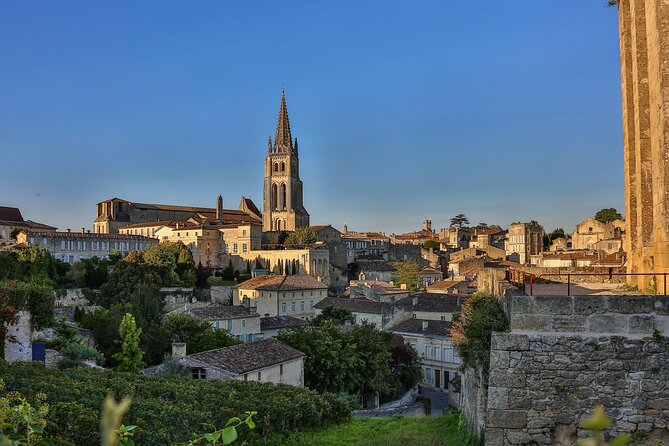
On the Saint-Émilion itinerary, the first major stop is the Monolithic Church of Saint-Émilion. The church was carved directly into the limestone rock, creating an underground space unlike the usual village church visit.
You receive about 30 minutes here, with admission included. That is enough for a focused visit, but not enough for a long historical tour or a relaxed exploration of every corner. The setting is cool, quiet, and unusual, and it gives the afternoon a cultural center before the wine tasting begins.
Saint-Émilion itself is one of the most attractive villages in the Bordeaux area. Its stone buildings, narrow streets, and position among vineyards make it easy to understand why it draws so many visitors. Depending on the schedule, you may also have free time in the village, sometimes around 45 minutes.
That free time is useful, but short. You can walk, take photographs, and get a feel for the village, but you probably will not have time for a long meal or a thorough browse through every shop. If Saint-Émilion is your main reason for booking, pay close attention to the exact departure and route offered on your date.
A few tours described as wine outings can feel more like a village visit with one winery stop. That is not necessarily a flaw, but it is important to set your expectations. Saint-Émilion provides architecture and local history as well as wine.
Inside the château and among the vines
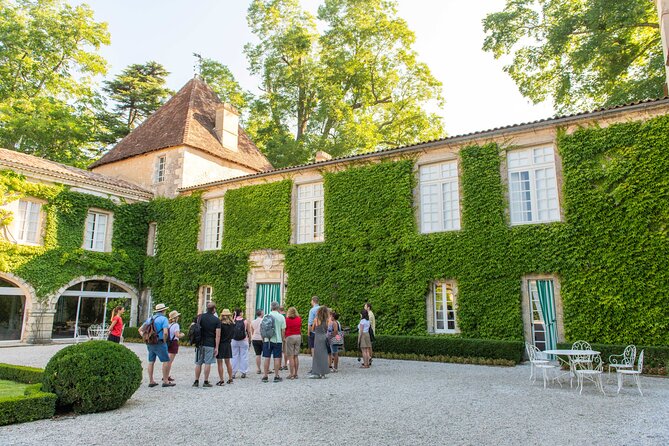
The listed Saint-Émilion route includes a visit to a local wine château lasting about one hour. You learn how to taste Saint-Émilion wine, hear about grape growing and production, and sample wine made at the property.
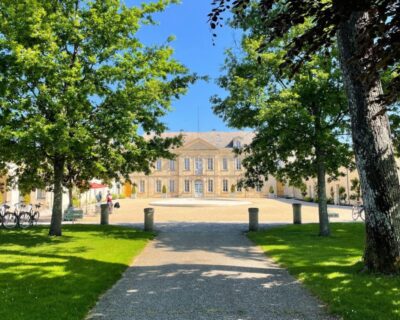
The exact character of the château can vary. Some visits take place at smaller family-run estates rather than grand, polished properties with sweeping formal rooms. That can be a plus if you want a more direct look at working wine production, but it may disappoint you if you picture an ornate mansion and a grand cellar.
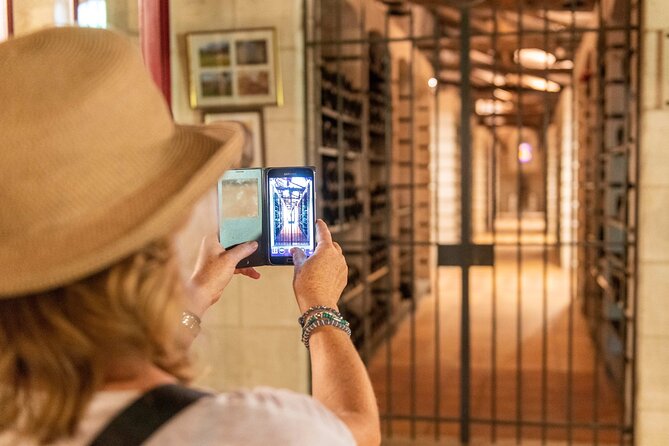
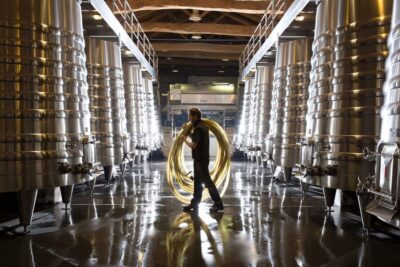
The best visits connect the vineyard, cellar, and glass. On some departures, you may walk near the vines, see grapes on the plant, and hear how the wine moves from harvest through bottling. One château visit included a comparison between a traditional and a modern winery, which made the production process easier to understand.
At other estates, the explanation may feel rushed. A museum or cellar visit can receive less time than expected when the coach must stay on schedule. The second winery on some routes has been particularly compressed, with just enough time for a quick explanation and tasting.
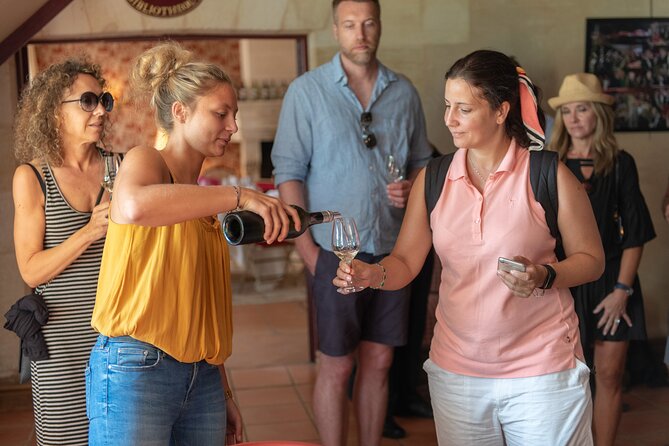
Tasting amounts follow French regulations. This means you should expect modest pours, not generous glasses. The number of wines can vary, with some outings offering two wines at each stop and others providing around five samples in total.
That is enough to learn the basic mechanics of tasting: color, aroma, structure, and finish. It is not enough for serious comparison across a wide range of Bordeaux styles. Also check the region on your date if you prefer white, rosé, or sparkling wine. A Médoc or Margaux route centers on red wine, and no white, rosé, or bubbles may be served.
More vineyard visits around Bordeaux:
- Medoc Region Wine Day Trip with Vineyard Visits & Tastings from Bordeaux
★ 4.5 · 293 reviews - Bordeaux: St-Emilion Vineyards e-Bike Tour with Wine & Lunch
★ 4.9 · 181 reviews - Discovery of the Bordeaux vineyard in 3 wines
★ 5.0 · 133 reviews - Bordeaux: Médoc & St-Emilion Wine 3 châteaux with lunch
★ 4.9 · 116 reviews
How the bilingual format affects the afternoon
The guide speaks French and English during the same outing. This makes the tour accessible to both language groups, but it also doubles the spoken instructions.
In a small group, that might be a minor inconvenience. With up to 50 people, it can add real time to every stop. Explanations, safety instructions, and answers to questions may be given twice, sometimes with a pause while the group gathers.
The strongest guides keep both versions short and clear. Good local hosts at the wineries can also make a big difference. Some guides, including Astrid, have been praised for adding stories about Bordeaux during the drive, while Bridget has been noted for giving useful background on the winemaking process.
The weaker moments come when the coach commentary is hard to hear or the guide fills a long drive with repeated facts. If you want a quiet ride through the countryside, this may not bother you. If you expect a detailed lecture on every vineyard, the bus sections may feel thin.
The same issue affects time at the château. Every minute spent translating leaves less time for walking, questions, or tasting. You will get the most from the tour if you treat it as a general introduction rather than a private wine lesson.
The other possible Bordeaux wine regions
The Saint-Émilion itinerary is only one version of this activity. Depending on the date, the route may visit Médoc, Graves and Sauternes, Entre-deux-Mers, Bourg, or Blaye.
This matters because each area gives you a different type of afternoon. Médoc is closely associated with red wine and château estates. Graves and Sauternes can offer a different view of Bordeaux production, including the region’s famous sweet wine tradition, though the exact wines served are not guaranteed.
A Blaye outing may combine wine with local history, including time at the Blaye Citadel. That creates a more varied day, but the long coach ride can leave less time at the vineyard. Entre-deux-Mers may provide attractive rural views, although some estates sit near the edges of the main wine districts rather than in the sweeping vineyard scenery you may have seen in photographs.
Because the route changes, read the date-specific details before booking. Do not assume every departure includes Saint-Émilion, the monolithic church, or the same number of tastings. The general promise is an overview of Bordeaux vineyards, not one fixed château itinerary.
Scenery, weather, and what to pack
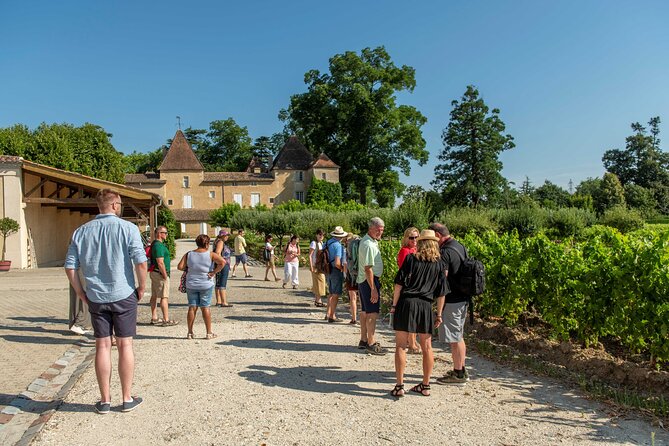
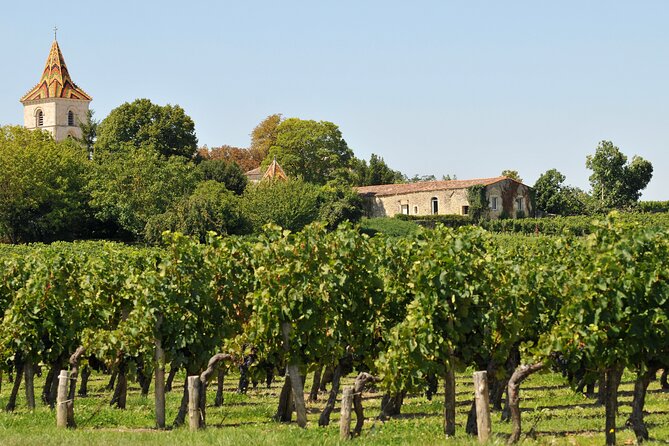
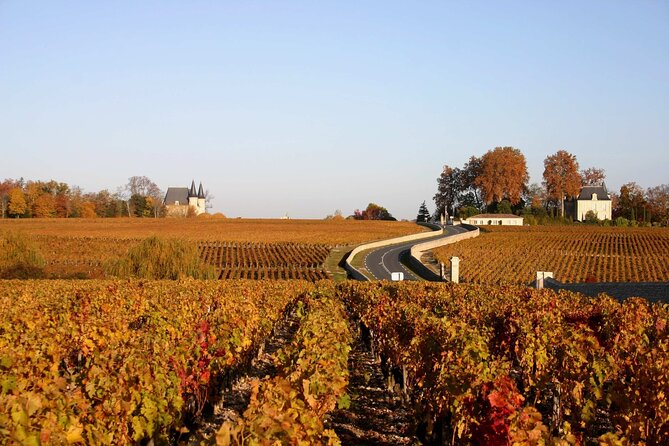
The view changes quickly as you leave Bordeaux. City streets give way to open fields, villages, château properties, and lines of vines. The scenery is a major part of the appeal, especially on a clear afternoon.
Rain can change the feel of the tour. Wet conditions may keep you away from the vines and make outdoor walking less pleasant, though the vehicle and indoor winery visits still provide shelter. Check the forecast and bring a light waterproof layer.
Bring your own food if you need more than a pre-tour meal. No lunch or dinner is included, and the schedule may not leave time to buy something substantial. A bottle of water is also sensible.
Wear shoes suitable for uneven village streets and winery floors. The tour involves standing during explanations, and some older participants may find that tiring. The itinerary is open to most adults, but it is not designed as a seated tasting from start to finish.
Is $70.81 good value?
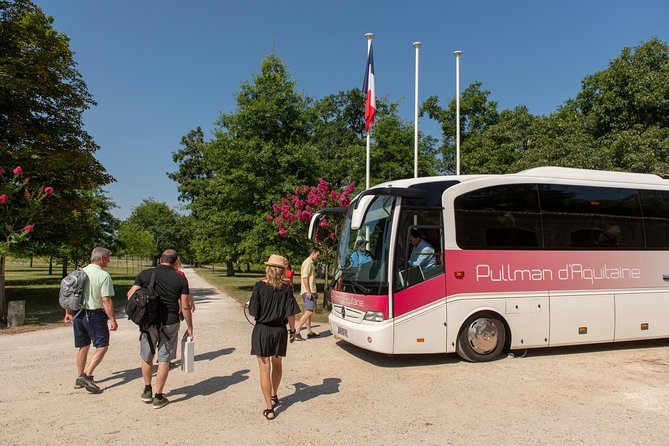
For the money, the tour covers the main practical costs: air-conditioned transport, a bilingual guide, admission to the stated attractions, and wine tasting. You also avoid the problem of driving after tasting wine, and you do not need to navigate unfamiliar rural roads.
The value is strongest for first-time visitors who want a broad look at Bordeaux wine country. You can see a historic village, enter an unusual church, visit a producing estate, and taste local wine in about five hours.
The value is weaker for experienced wine collectors or anyone wanting a polished château experience. Large groups, limited pours, bilingual explanations, and long road sections reduce the time devoted to wine itself.
It is also not a good match if you want to drink a lot. The tasting portions are controlled, and the schedule is designed for learning and sightseeing. That is a benefit for many people, but it should be clear before you book.
The free cancellation policy is useful: you can cancel at least 24 hours before the start time for a full refund. Changes or cancellations made inside that window are not accepted for a refund, and the tour requires a minimum number of participants.
Who should book this afternoon?
I would recommend it to you if you are staying in Bordeaux without a car and want an easy first look at the wine regions. It also suits couples and solo adults who prefer an organized route, air-conditioned transport, and a guide who can explain the basics in English.
It is a good fit if you like mixing wine with culture. Saint-Émilion’s underground church and village streets make the outing more varied than a winery-only trip.
I would be cautious if you dislike large groups or long coach rides. You may also want another option if your priority is tasting many wines, visiting famous grand estates, or spending unhurried time with a winemaker.
Should you book the Bordeaux half-day wine tour?
Book it if convenience, price, and variety matter most. The combination of vineyard scenery, Saint-Émilion or another regional stop, a château visit, and guided tastings gives you a solid introduction without using a full day.
Skip it if you want a small, wine-focused experience with generous tasting time. In that case, search for a smaller group tour based in one appellation and confirm exactly which wines and estates you will visit.
Before paying, check three details: the route on your date, whether the tasting is mainly red wine, and how much free time is planned at the village or château. Those points will tell you far more about the experience than the general title.
FAQ
Where does the tour start?
It starts at the Office de Tourisme et des Congrès de Bordeaux Métropole, 12 Cr du 30 Juillet, 33000 Bordeaux, France.
What time does the tour leave?
Departure is at 1:30pm, with a return to the Bordeaux Tourist Office at about 6:00pm.
Is hotel pickup included?
No. You must make your own way to the central meeting point, and the tour ends there as well.
Which wine region will the tour visit?
The route depends on the date. Possible areas include Saint-Émilion, Médoc, Graves and Sauternes, Entre-deux-Mers, Bourg, and Blaye.
Is the tour conducted in English?
Yes, but the guide speaks English and French during the same tour.
Are children allowed?
No. The activity is for adults over 18, and teenagers, children, and babies are not accepted.
What happens if I need to cancel?
You can receive a full refund if you cancel at least 24 hours before the start time. Cancellations or changes made less than 24 hours before departure are not refunded or accepted.
Just listed around Bordeaux
- Half-Day Guided Wine Tasting Tour in Bordeaux Vineyards★ 5.0 · 15 reviews
- 3H private city tour of Bordeaux and vineyard in a Citroën DS★ 5.0 · 4 reviews
- Private 2cv tour in the vineyards and Wine tasting★ 5.0 · 14 reviews
- Private tour in the Sauternes wine region – discover Bordeaux sweet Crus Classés★ 5.0 · 7 reviews
- 2 in 1 – Visit of Bordeaux and excursion in a vineyard★ 5.0 · 12 reviews
- Visit Saint-Emilion and Pomerol:Vineyards, lunch and tastings included★ 5.0 · 10 reviews
- Private tour in the prestigious Médoc wine region★ 5.0 · 7 reviews
- From Bordeaux: Médoc Vineyard and Chateau Tour by Sidecar★ 4.6 · 8 reviews
Bordeaux Vineyard Tours, compared.
Saint Emilion Half-Day Trip with Wine Tasting & Winery Visit from Bordeaux
Read our review →
Medoc Region Wine Day Trip with Vineyard Visits & Tastings from Bordeaux
Read our review →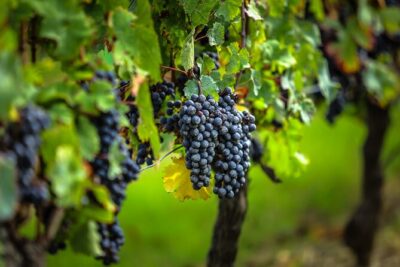
Médoc Region Half-Day Wine Tour with Winery Visit & Tastings from Bordeaux
Read our review →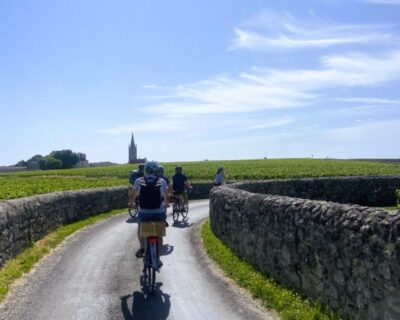
St-Emilion Vineyards e-Bike Tour with Wine & Lunch
Read our review →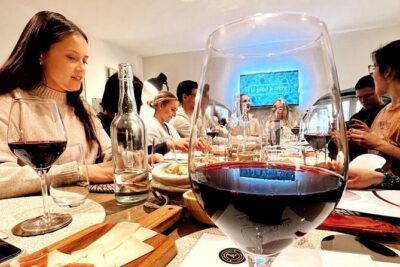
Château Olivier: One Hour Vineyard Tour with Wine Tasting
Read our review →Browse the lists this tour appears in