
REVIEW · WINERY TOURS
Pelješac wine tasting and local winery visit
Pelješac wine country feels most genuine at a small family cellar, where the people pouring your glass also make the wine. At Winery Škurla in Broce, Mea and her father welcome you into their working winery, explain local winemaking, and lead a tasting with food from the area.
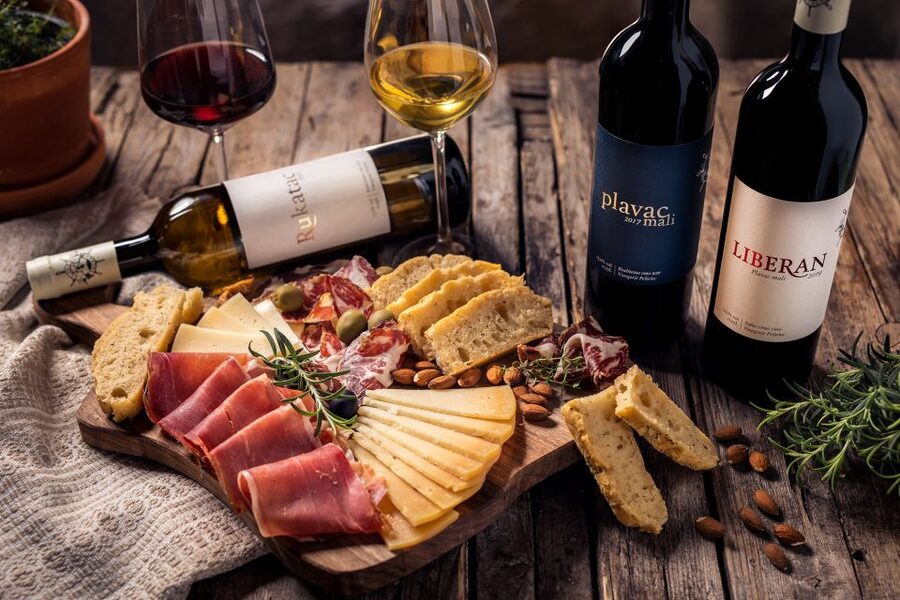
I like the personal family welcome and the fact that the tasting includes more than wine: homemade bread, cheese, cured meat, olives, and olive oil make this a small meal as well as a tasting. I also like the convenient setting near Ston, making it easy to pair with the town’s walls and saltworks.
The main consideration is time. Ninety minutes gives you a pleasant introduction, but it may feel short if you want a detailed look at every stage of production. One recent tasting included five wines rather than the advertised four, but the exact selection can vary.
Key points to know before booking
- Family-run cellar: Meet Mea and her father at Winery Škurla, with the host involved directly in the winery.
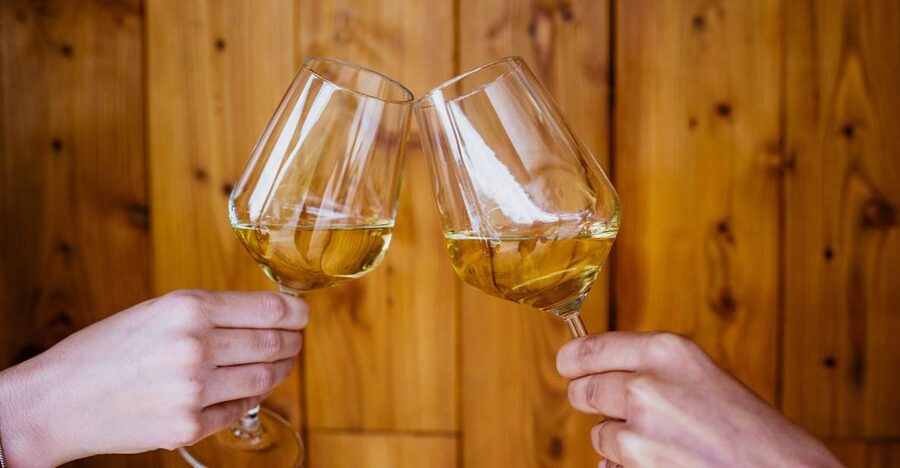
- Four local pours: The standard tasting includes four wines and/or fruit liqueurs, though the selection may sometimes include an additional wine.
- Food is part of the value: Expect cheese, cured meat, olives, homemade bread, and olive oil with the tasting.
- Easy Ston pairing: The winery is in Broce, the first house on the right about 1.5 kilometers after Ston.
- English-language visit: The experience includes a live English-speaking host.
- Flexible booking: You can cancel up to 24 hours ahead for a full refund and reserve without paying immediately.
Why Pelješac is called Croatia’s Empire of Wine
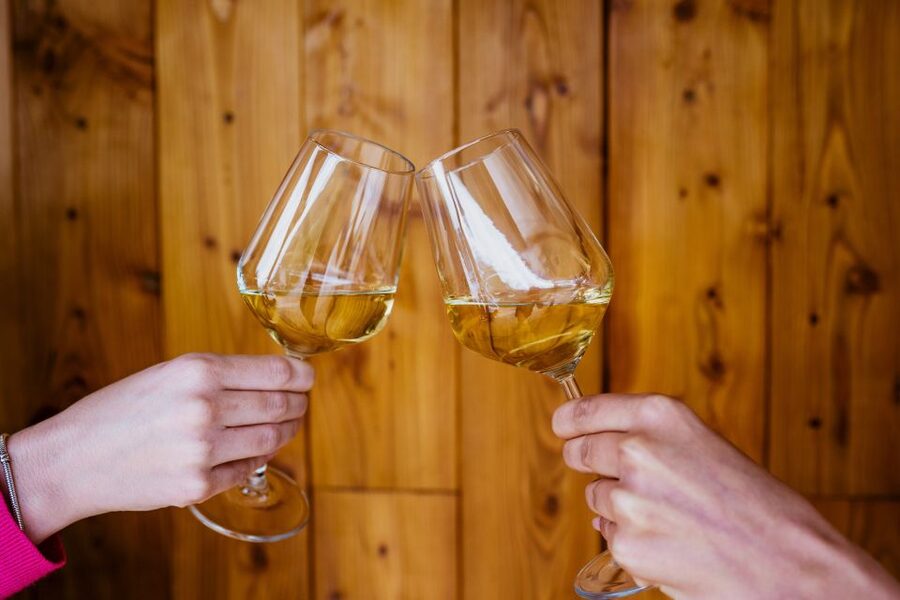
Pelješac is one of Dalmatia’s best-known wine areas, and this visit gives you a local explanation instead of a quick bottle-and-glass stop. You hear about the history of wine in the region, the traditions passed through the family, and the features that make Pelješac wine different.
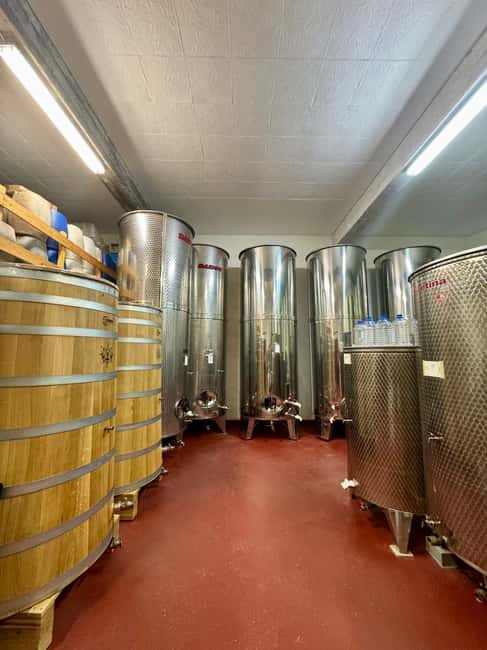
The useful part is the setting. You are not tasting in a generic city bar or a large commercial hall. The tasting room shares the building with the production area and shop, so you can see where the bottles come from before or after you sit down.
That connection matters. Wine can seem abstract when you only read a label. Here, the host links the wine to the local family, the cellar, and the food on the table. You get a clearer sense of how a small producer presents its wines and why some bottles are sold only at the winery or in restaurants.
The experience also covers fruit liqueurs, giving you a change of pace if you do not want four standard wine pours. The focus remains on local products, not on a long technical lecture.
More Winery Tours in the world:
- Saint-Émilion: Grand Cru Classé Winery Visit and Tasting
★ 4.6 · 1,118 reviews - Montserrat Full Day Tour with Farmhouse Lunch and Winery Visit
★ 5.0 · 1,068 reviews - Montserrat & Winery Visit Tour with Traditional Farmhouse Lunch
★ 4.5 · 1,035 reviews
Arriving at Winery Škurla in Broce
The meeting point is simple once you know the landmarks. Leave Ston behind and continue about 1.5 kilometers to the village of Broce. Winery Škurla is the first house on the right side of the road.
The address information also suggests searching for Winery Škurla in Google Maps. That is practical, since the meeting point is not described as a large visitor center with a prominent public entrance.
One person described the winery as within walking distance of Ston, but you should judge that for yourself based on the weather, your mobility, and your plans for the day. The stated road distance is about 1.5 kilometers, and no transportation is included.
This makes the winery a sensible addition to a Ston day. You could visit the walls and saltworks first, then finish with the tasting. The timing works especially well because the visit lasts 90 minutes, long enough to sit down and taste without taking over an entire afternoon.
If you plan to walk from Ston, allow time to find the winery and check the return route. If you are driving, remember that the tasting includes alcohol, so arrange a sober driver.
A warm welcome from Mea and her family
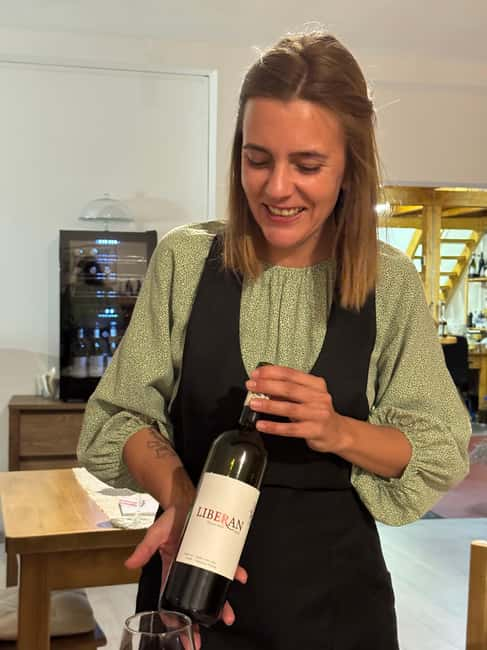
The visit begins with a family member greeting you at the winery. Several details make this more personal than a basic tasting counter. Mea has hosted the experience, and she works at the winery with her father. Her role includes explaining the wines and answering questions in English.
That family connection is one of the strongest reasons to book. You are not simply handed a tasting card and left to work through four glasses. The host introduces the place, explains the family’s approach, and gives the wine a human story.
You can expect the welcome to be friendly and informal. The setting is described as a charming tasting room connected to the production and shop areas, rather than a formal restaurant. That suits the experience. The point is to understand a small local winery, not to stage a grand wine ceremony.
The English-language guiding is useful for international visitors. If your English is not perfect, you should still be able to follow the visit. A French visitor specifically found the host accommodating despite limited English, which suggests the tone is patient rather than stiff.
Seeing the production area before the tasting
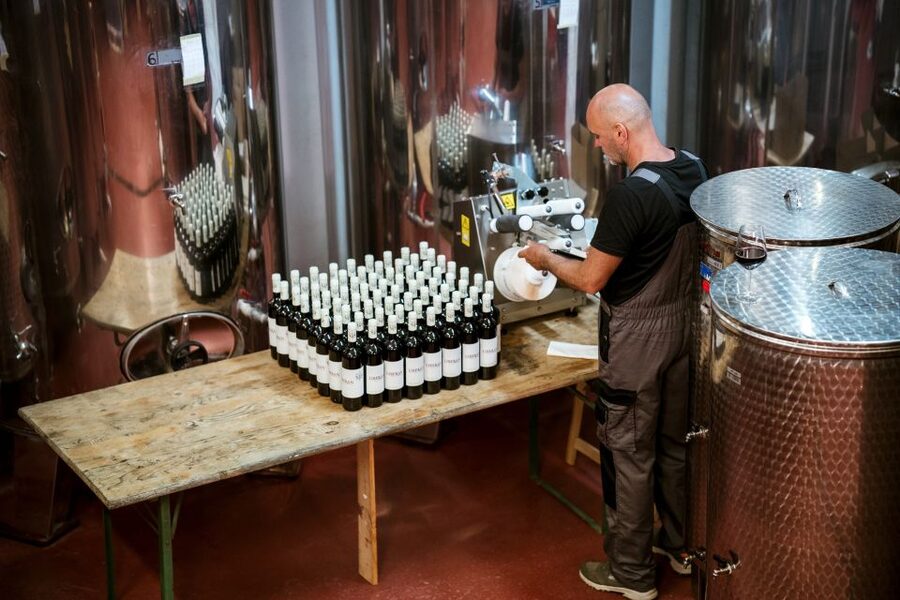
The short winery tour takes you through the production area and introduces traditional winemaking techniques passed down through generations. You learn how wine is made in this part of Dalmatia and what gives Pelješac wines their local character.
Keep your expectations in proportion. This is a compact 90-minute experience, not an extended technical course or a full harvest-day program. One person wanted more time for the production explanation and a longer look around the facilities. If you are already an experienced wine enthusiast, you may find the tour brief.
For most people, the shorter format is useful. You get enough context to understand the tasting without spending your entire day in a cellar. The production area is in the same building as the tasting room and shop, so you can take a quick look at the working side of the winery at the beginning or end.
The tour also gives you a chance to ask practical questions. You can learn how the family presents its wines, which bottles are available at the cellar, and how traditional methods remain part of the business.
More vineyard visits around the world:
- From Porto: 2 Wine Regions, Farm-to-Table Lunch & Boat
★ 4.9 · 5,724 reviews - Napa and Sonoma Wine Country Full-Day Tour from San Francisco
★ 4.5 · 4,455 reviews - Douro Valley Tour: 2 Vineyard Visits, River Cruise, Winery Lunch
★ 5.0 · 3,542 reviews - San Francisco Super Saver: Muir Woods & Wine Country w/ optional Gourmet Lunch
★ 4.5 · 3,352 reviews
Four wines, fruit liqueurs, and a possible extra pour
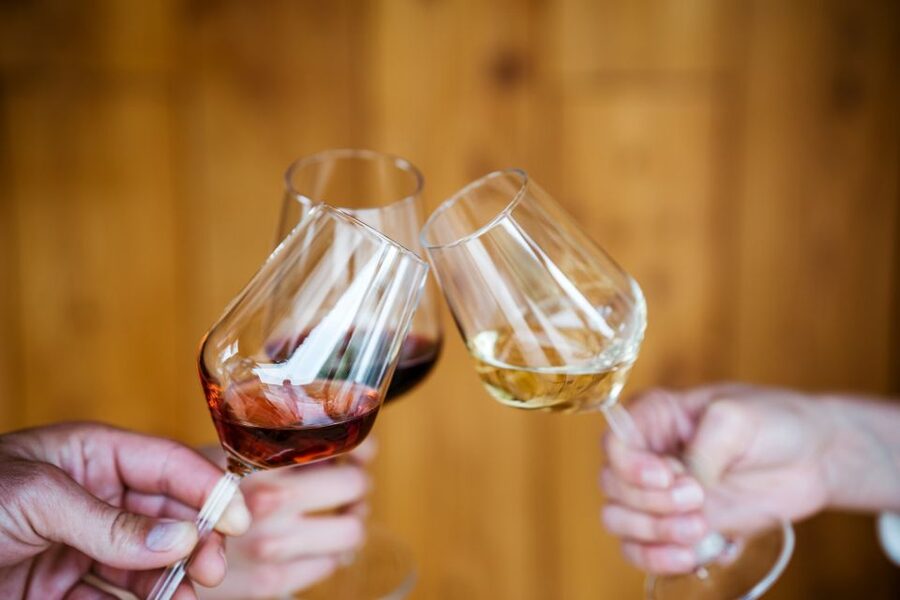
The advertised tasting includes four local wines and/or fruit liqueurs. That wording matters. Your tasting may not be limited to four bottles of wine, and the host may include a fruit liqueur among the pours.
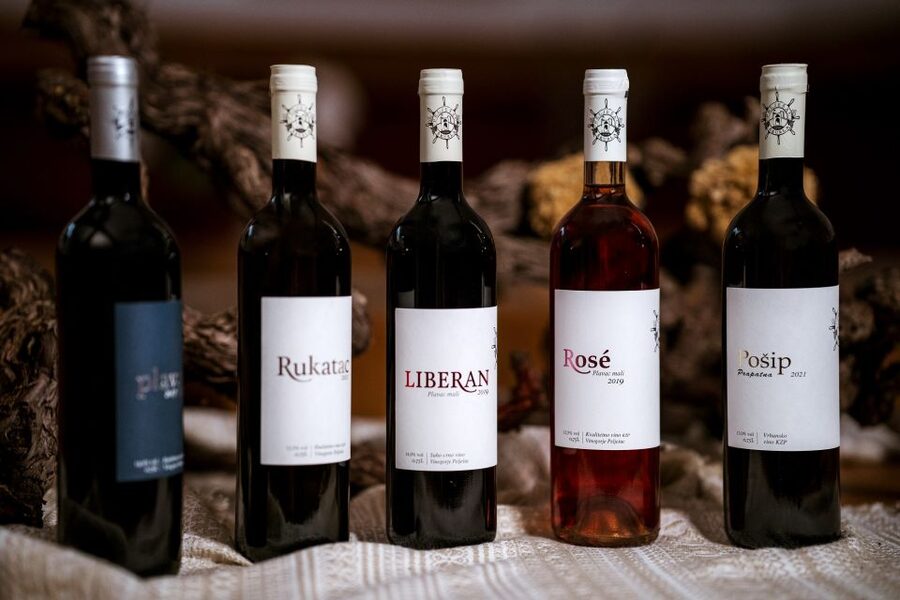
The exact lineup can change. One tasting included five wines: two whites, one rosé, and two reds. That is a useful spread because it lets you compare several styles rather than tasting four versions of the same wine.
The experience is guided, so you are not left guessing what is in your glass. The host explains the wines as you taste them, helping you notice differences in color, aroma, body, and finish without turning the visit into a classroom exam.
I like this approach for mixed groups. A serious wine drinker gets regional context and several styles to compare. Someone who usually knows little about wine can simply follow the host and enjoy the food pairing. You do not need specialized vocabulary to get something from the tasting.
Do not book this expecting a large portfolio of bottles or a full professional tasting course. The value comes from the local setting and the direct connection with the producer. It is an introduction to Winery Škurla and Pelješac wine, not a survey of every winery in the region.
Local food makes the tasting feel complete
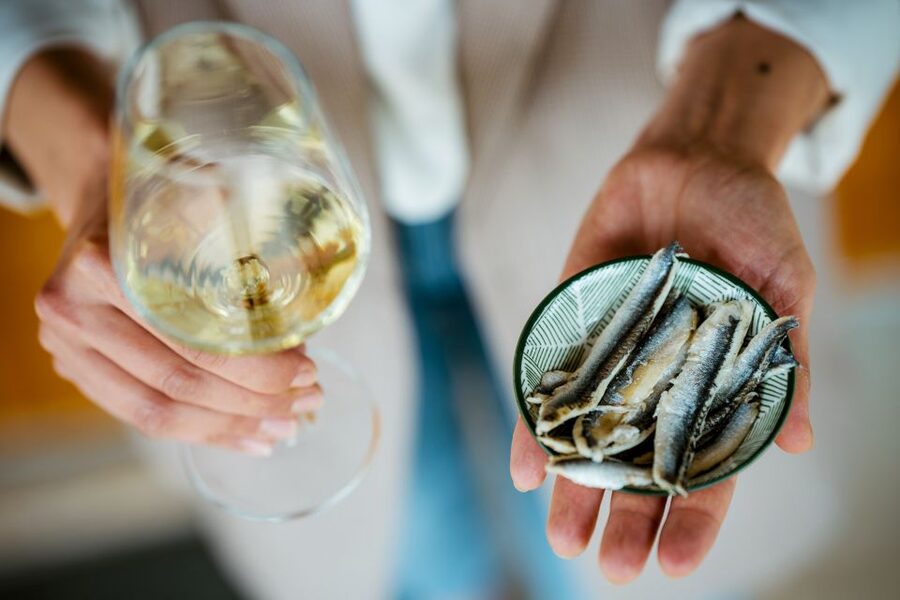
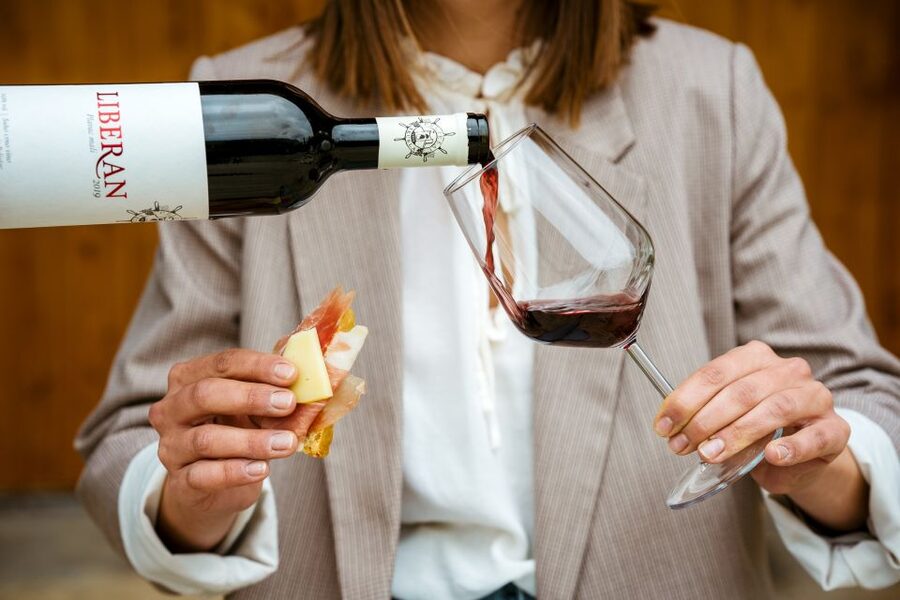
The food is a major part of the experience. The tasting comes with traditional finger foods, including cheese, cured meat, olives, and homemade bread. Olive oil is also served, and the family produces its own olive oil and olives.
This is more generous than a few dry crackers beside the glass. The platter gives you something substantial to eat, which is especially helpful if the tasting follows a morning visit to Ston or comes before dinner.
The homemade bread is a small detail, but it changes the feel of the stop. So does the family-produced olive oil. Instead of treating food as decoration, the tasting connects the wine with everyday products from the same local setting.
The portions are described as generous by one visitor, with a cheese and ham platter and accompaniments. You should still think of it as a hearty snack or light tasting plate, not a full restaurant meal. If you need lunch or dinner, plan another stop.
The food also gives you a break between wines. Cheese, cured meat, and bread help reset your palate, while olives and olive oil add a distinctly Dalmatian touch. The pairing is relaxed and practical, with no need to rush from one glass to the next.
What the $43 price buys you
At $43 per person, the experience is priced above a simple bar tasting but includes more than wine. You are paying for a 90-minute hosted visit, a look at a family production area, four wines or fruit liqueurs, and a local food spread with homemade bread and olive oil.
The price makes the most sense if you value the personal introduction. You meet the family behind the winery, hear how the wine is made, and taste products that are not necessarily easy to find outside the cellar or local restaurants.
A recent price reference was 35 euros, so the exact cost can change with booking date, currency, or platform. Use the current displayed price when making your decision.
The value is also stronger for a small group that wants one relaxed local experience rather than several separate tastings. You get food, wine, and conversation in one stop. If your only goal is to sample a single inexpensive glass, this is more time and money than you need.
The winery shop adds another useful option. Bottles can be purchased separately, but those purchases are not included in the experience price. Since some wines are available only at the winery or in restaurants, this may be your best chance to take home a bottle if you find one you like.
How to fit it into a day in Ston
The winery is close enough to Ston to pair naturally with the town. A particularly good plan is to visit Ston’s walls and saltworks earlier in the day, then come to Broce for the tasting.
That order has two advantages. First, you handle the active sightseeing before sitting down. Second, you finish with food and wine rather than trying to squeeze a cellar visit between major stops.
The 90-minute duration is easy to plan around. Check the available starting times when booking, since the exact schedule is not provided here. You should also leave a buffer for the trip from Ston to Broce and for finding the first house in the village.
The setting is described as a small village, not a major tourist district. That gives the stop a quieter feel, but it also means you should arrive with the meeting instructions ready. Searching Winery Škurla on Google Maps is the simplest method.
Who will enjoy this experience most
This tasting suits wine lovers who want to meet a producer rather than visit a large commercial winery. It also works well for curious visitors who want a gentle introduction to Pelješac wine without committing to a full-day wine tour.
Food-focused visitors should pay attention to this one. The cheese, cured meat, olives, homemade bread, and olive oil make the tasting more satisfying than a wine-only stop.
It is also a good choice for people spending a day around Ston. The nearby location keeps the logistics manageable, and the visit adds a local food and drink experience to the town’s walls and saltworks.
The experience may be less suitable if you want a long cellar tour, detailed production science, or a large number of wines. The tour is short, and the production explanation may feel quick to serious wine students. You should also think carefully about the walk or drive from Ston if the weather is hot or if mobility is an issue.
The winery is listed as wheelchair accessible, which makes it a practical option for visitors who need accessible facilities. The available guiding language is English.
My recommendation
I would book Winery Škurla if you want a friendly, small-scale introduction to Pelješac wine and local food. The best parts are the family welcome from Mea and her father, the chance to see the production area, and the generous tasting plate with homemade and family-produced items.
I would skip it only if your priority is a long technical winery tour or a large professional tasting. For everyone else, the $43 price is reasonable for 90 minutes of wine, food, local context, and direct contact with the people who make the products. Pair it with Ston’s walls and saltworks, and it becomes an easy, well-shaped part of a Dalmatian day.
FAQ
Where is Winery Škurla located?
The winery is in the village of Broce, about 1.5 kilometers after leaving the town of Ston. It is the first house on the right side of the road.
How can I find the meeting point?
You can search for Winery Škurla in Google Maps. The meeting instructions identify the winery as the first house on the right after entering Broce.
How long does the experience last?
The visit lasts 90 minutes.
What wines are included?
The standard experience includes a guided tasting of four local wines and/or fruit liqueurs. The exact selection can vary, and one tasting included five wines.
What food is served?
The tasting includes traditional finger foods such as cheese, cured meat, olives, and homemade bread. Olive oil and olives produced by the family are also served.
Is the tour available in English?
Yes. The experience includes a live English-speaking host, and English is the listed guiding language.
Is the winery wheelchair accessible?
Yes, the experience is listed as wheelchair accessible.
Are winery purchases included?
No. Bottles and other items purchased at the winery cost extra.
Can I cancel the booking?
You can cancel up to 24 hours in advance for a full refund.
Do I have to pay when I book?
You can reserve now and pay later, so payment is not required at the time of booking.
Just listed around the world
- Yolo: Vineyards, Farms & Cultural Gems – Audio Driving Tour★ 4.3 · 5 reviews
- Winery Visit and Tasting in Elche with wines and tapas from Alicante in Van★ 5.0 · 9 reviews
- Wuerzburg: Vineyard rally with wine tasting and group dynamics★ 4.8 · 6 reviews
- Winery Visit & Tasting on the Volcanic Slopes near Catania★ 5.0 · 2 reviews
- Woodinville Wine Country: Downtown Wine Tasting Pass★ 4.4 · 2 reviews
- Xalo: Vineyard Tour with Wine Tasting and Snacks★ 4.9 · 8 reviews
- Winery Visit & Tasting near Grosseto with 6 wines★ 4.8 · 6 reviews
- Winery Visit on Parma Hills & Wine Tasting with Food Platter★ 5.0 · 26 reviews
Winery Tours, compared.

Montserrat Full Day Tour with Farmhouse Lunch and Winery Visit
Read our review →
Montserrat & Winery Visit Tour with Traditional Farmhouse Lunch
Read our review →
Saint Emilion Half-Day Trip with Wine Tasting & Winery Visit from Bordeaux
Read our review →
Chianti Delights: A Tale Of Two Wineries With A Vineyard Dinner
Read our review →
Toledo Guided Tour & Winery Visit with Tasting
Read our review →
Douro Valley for Wine Lovers with Visit to 4 Wineries and Lunch
Read our review →Browse the lists this tour appears in