
REVIEW · CHAMPAGNE HOUSE TOURS
Authentic Champagne Tour: 3 vineyards, 10 Tastings & Lunch
Champagne’s best stories often begin far from the famous labels. This 11-hour day from Paris takes you to three family-owned wineries or cooperatives, where you taste more than 10 cuvées and see how small producers work. The route may also include a visit to Maison Mumm, so the day can mix a well-known house with more personal cellar visits.
I like the generous tasting program and the lunch pairing, which gives you a clearer sense of how Champagne works with food. I also like the small-group format, capped at eight people, and the hotel pickup that saves you from sorting out trains, taxis, and rural transport. The tradeoff is the long day and nearly four hours on the road, with exact wineries and language options subject to availability.
Key points to know
- More than 10 cuvées: Expect a broad tasting, including rare or limited blends when available.
- Three producer visits: The focus is on family wineries and cooperatives, though the exact houses can vary.
- Lunch with Champagne: Plan on a traditional French meal such as charcuterie, quiche, and pastry, paired with the local wine.
- Small groups: With no more than eight people, questions and conversation are easier than on a large coach tour.
- Paris pickup included: Central Paris hotel pickup and drop-off are provided, with another central meeting point arranged when needed.
- A full countryside day: You leave Paris for rolling vineyards, village roads, cellars, and a long but rewarding day in Champagne.
Why this Champagne day works from Paris
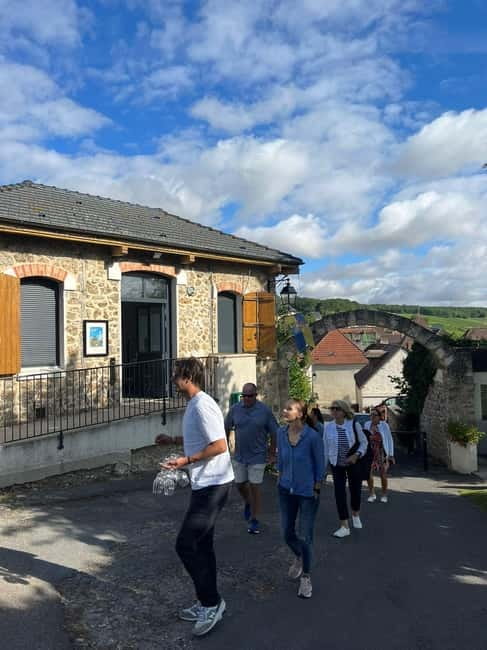
The main appeal is simple: you can reach Champagne without renting a car or planning a complicated rural route. From central Paris, you ride in a comfortable minivan with a wine expert, then spend the day moving between producers, vineyards, and tasting rooms.
The journey takes about two hours each way, so this is not a quick side trip. Still, the driving time lets you settle into the day instead of worrying about navigation. Fresh croissants are provided at the start, a small but welcome touch before the first cellar visit.
The group size matters here. Eight people or fewer gives the guide room to explain grape varieties, cellar work, growing conditions, and the differences between cuvées. You can ask why one Champagne tastes sharper than another, or how a small producer differs from a famous maison, without trying to get the guide’s attention across a packed coach.
The tour runs for about 11 hours. That makes it a serious commitment, but it also allows enough time for several tastings, lunch, guided visits, and countryside views. If you have only one free day outside Paris, this format gives you a full regional introduction without needing an overnight stay.
More Vineyard Tours with Lunch in France
- Bordeaux: St-Emilion Vineyards e-Bike Tour with Wine & Lunch
★ 4.9 · 181 reviews - Bordeaux: Médoc & St-Emilion Wine 3 châteaux with lunch
★ 4.9 · 116 reviews - Incredible Loire castles tour with lunch and a vineyard visit
★ 5.0 · 38 reviews
The road from Paris to Champagne
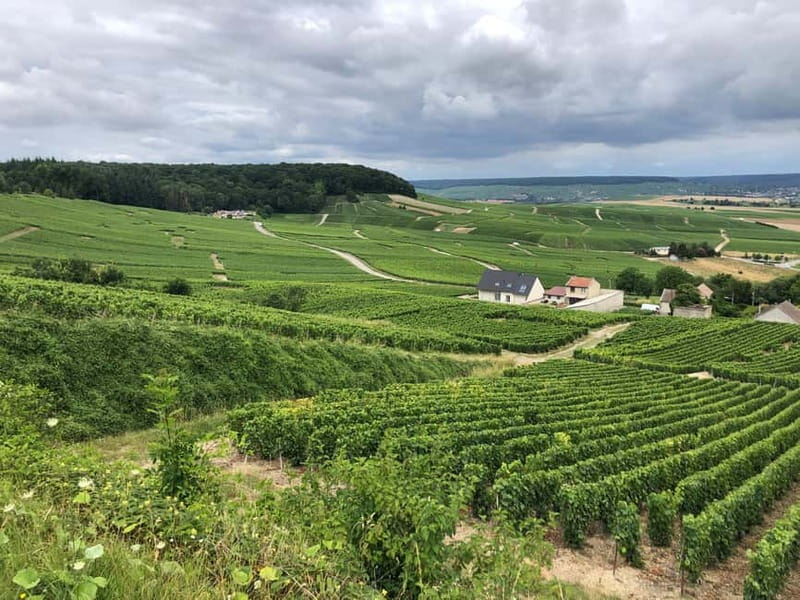
The first part of the day is a long drive toward the Champagne region. You’ll pass from city streets to open farmland, then reach the vine-covered hills and villages that give the area its character.
The views are part of the experience, not just decoration between stops. The guide points out how the terrain, soil, and growing conditions affect the grapes. You’ll see why Champagne is more than a brand name: it is a defined wine region, with local producers working in very different ways.
The route includes UNESCO-listed vineyards. You should bring a camera, since the views are especially attractive when the vines and villages open up around the road. A sun hat and water are useful on warm days, and comfortable shoes are important because each visit involves some walking.
There is no promise that the same houses appear on every departure. The tour is built around three family producers or cooperatives, but the available visits can change. One departure included Maison Mumm, followed by a smaller boutique producer, giving the day a useful contrast between a major Champagne house and a more intimate operation.
First cellar visit and the basics of Champagne
The first Champagne house visit lasts about 90 minutes. Expect a guided walk through the production story, from grapes and pressing to fermentation, blending, bottle aging, and final preparation.
The exact cellar route depends on the producer. A large house such as Mumm may give you a polished presentation and a clear explanation of how Champagne is made on a broad scale. A family estate may feel more direct, with the people who make or sell the wine closer to the tasting room.
This is the right moment to pay attention to the word cuvée. It refers to a particular blend or wine made by a producer. Champagne houses may combine different grapes, vineyards, years, or reserve wines to create a house style. Tasting several cuvées in one day helps you notice those choices instead of treating every glass as simply sweet, fizzy wine.
The tasting may include familiar styles along with bottles that are rarely sold outside France. The experience promises more than 10 cuvées across the day, although the exact number and selection can vary. You may taste a range of blends, from crisp and light wines to fuller, more complex examples.
The first tasting also gives you a useful baseline. As you continue through the day, compare the aromas, texture, finish, and balance of each glass. You do not need formal wine training. Just notice what changes from one producer to the next.
Lunch with Champagne in the middle of the day
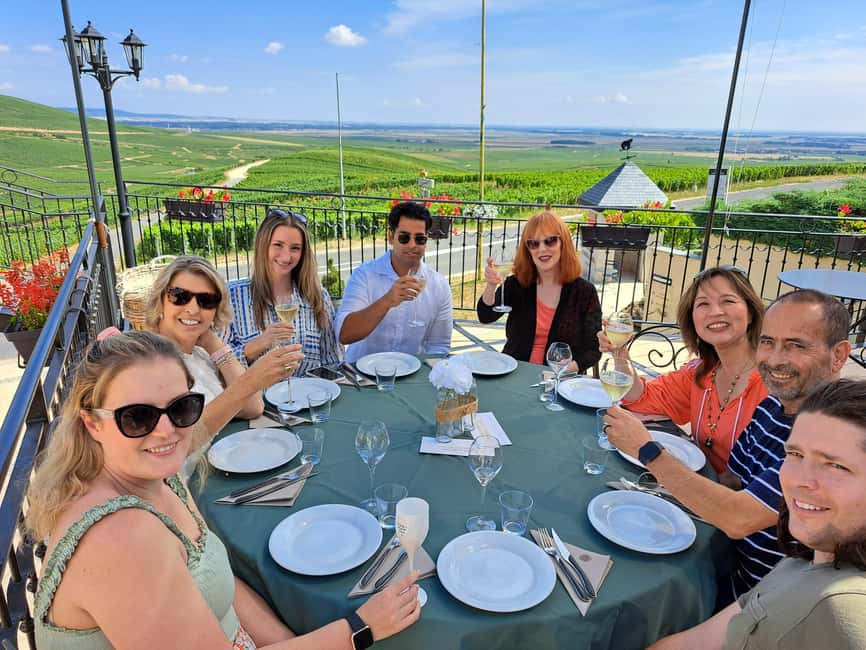
Lunch lasts about two hours and is more than a pause between cellar visits. It is a chance to understand why Champagne belongs at the table, not only at celebrations.
The meal may take place at a local restaurant or at a winemaker’s table. The food is described as traditional French fare, and one served meal included a charcuterie board, quiche, and pastry. Those foods make sense with Champagne: salt, butter, pastry, and cured meats give the wine something to balance.
Several glasses of Champagne are paired with the meal. This is valuable because tasting wine alongside food shows a different side of it. A cuvée that seems sharp on its own may work beautifully with a rich dish, while a rounder wine may suit dessert or a lighter course.
Lunch is also the most relaxed part of the day. You have time to ask the wine expert about producers, regional styles, and buying bottles to take home. If you are hoping for a formal gourmet meal with many courses, keep expectations in check. The details can vary by location, but the emphasis is on a genuine local meal rather than a grand restaurant event.
One useful point from the day’s feedback is that the food may be generous and informal. A charcuterie board, quiche, and pastry create a satisfying lunch, but the meal should be judged as part of a working wine-country visit, not as a separate fine-dining reservation.
More Champagne houses around France:
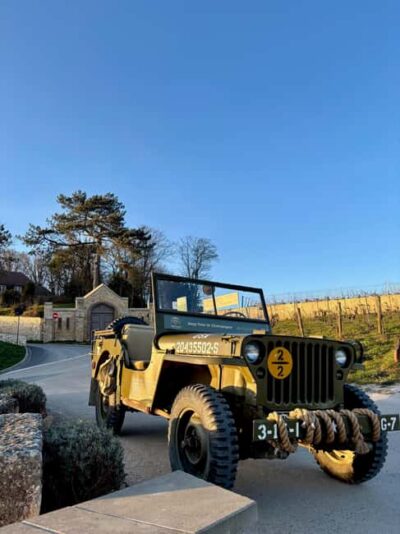
- Epernay: Jeep tour of the vineyards with tasting and visits
★ 5.0 · 70 reviews - Champagne Vineyard Experience: Delve into the terroir
★ 4.4 · 52 reviews - Gourmet walk in the heart of the vineyards with Champagne tasting near Epernay
★ 5.0 · 45 reviews - Champagne tasting, panoramic walk in the vineyards
★ 5.0 · 42 reviews
The vineyard roads and village views
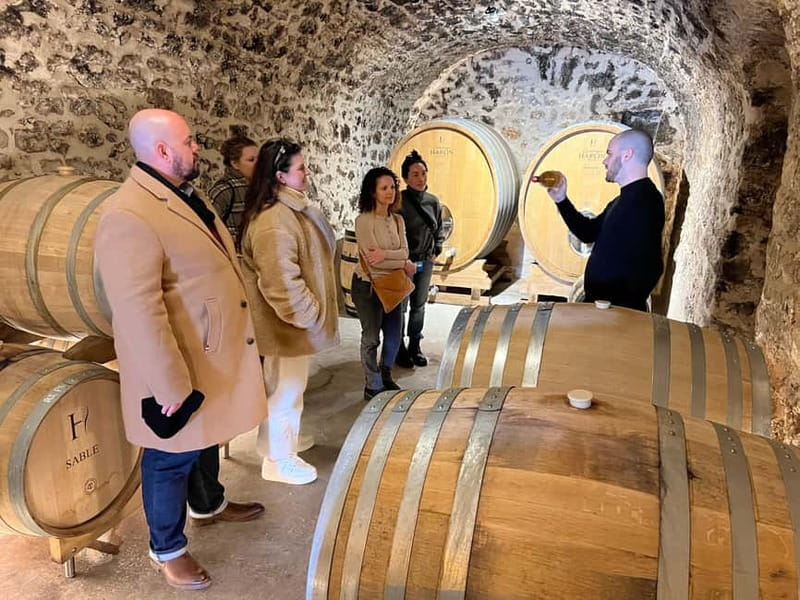
After lunch, the drive through Champagne becomes part of the lesson. The guide explains the grapes and growing conditions while you pass through vineyards and small villages.
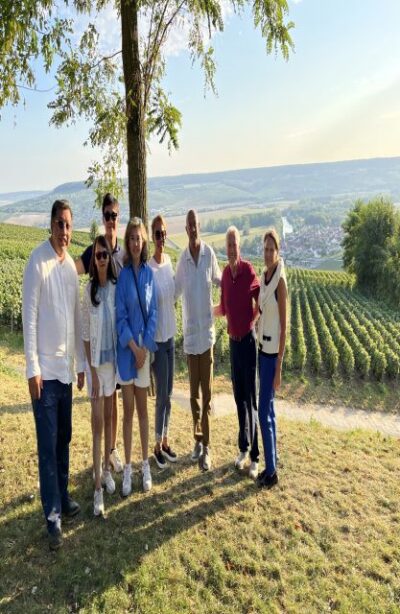
This is where the tour feels different from a tasting room in Paris. You see the physical setting behind the wine. Rows of vines run across rolling hills, and village roads connect producers that may have little public transport between them.
The region’s appearance changes with the season, and the tour details do not promise one particular view or harvest activity. Still, the setting gives you useful context. Champagne production depends on climate, soil, exposure, and careful blending, and the countryside makes those ideas easier to understand.
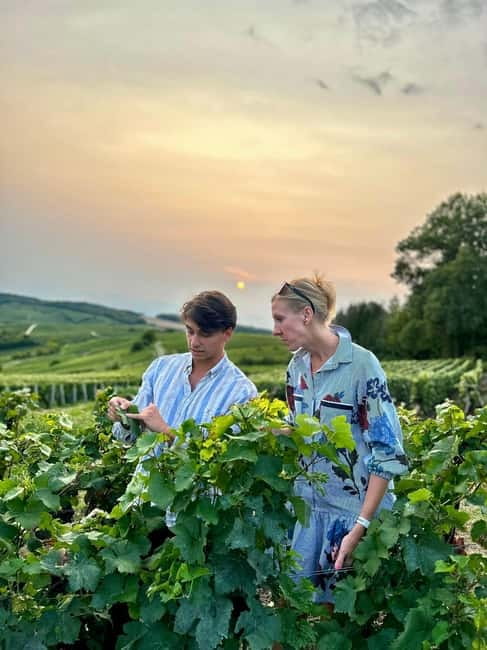
You may also get a tasting near the vines. One departure included a glass enjoyed close to the vineyards, which added a memorable sense of place. That sort of stop cannot be guaranteed at every departure, but it shows why a small vehicle and flexible producer schedule can be more rewarding than a fixed coach route.
The second artisan producer
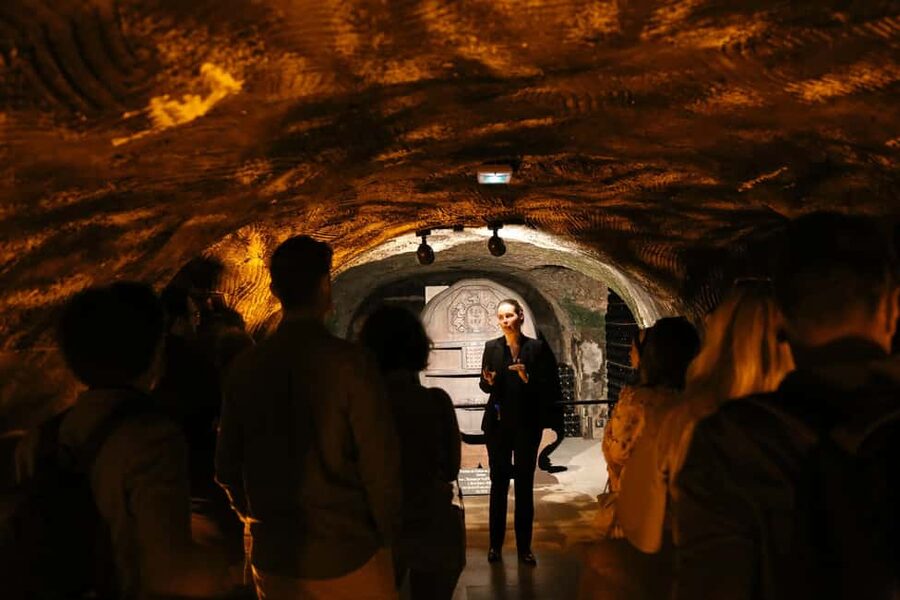
The second main cellar visit lasts about 90 minutes. This stop is designed to take you further into the work of a smaller Champagne house, with another guided tour and tasting.
At a family-run producer, the presentation may feel more personal than the first visit. You can expect an explanation of the house’s methods, the role of the grapes, and the differences between its cuvées. The tasting is a chance to compare a boutique style with the larger production approach you may have seen earlier.
The tour promises three producers in total. One may be connected with the lunch location, or the day may include another cooperative or tasting stop depending on the schedule. Since the exact houses are not fixed, think of this as a regional tasting day rather than a guaranteed visit to three named estates.
The strongest part of this setup is variety. You are not tasting ten bottles from one producer and calling it a regional survey. You are likely to see different approaches, different blends, and different ways of presenting Champagne. The limitation is that you cannot choose the houses or request a particular vintage as part of the standard program.
How much wine will you taste?
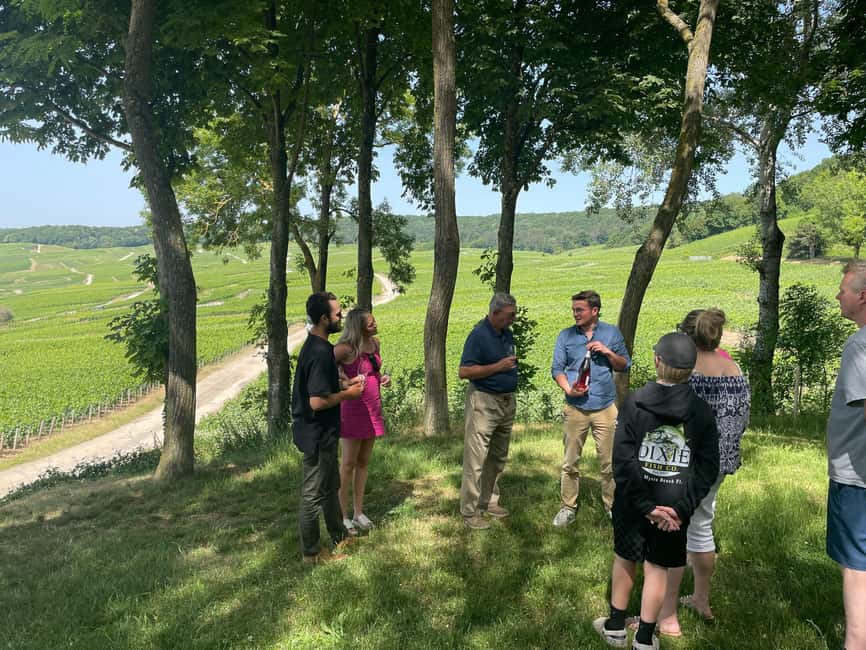
The advertised total is more than 10 cuvées. A previous departure included around eight glasses, so the number can vary with the producer schedule and the size of each pour. You should expect a substantial tasting day, but not assume that every glass will be a full serving.
The selection may include rare or exclusive blends. That is appealing if you already know Champagne and want to try bottles that are difficult to find abroad. It is also useful for beginners, since a wide range of wines quickly shows how much style can differ within the region.
There is no stated option to buy vouchers for vintage Champagne tastings. If older vintages are your main interest, ask before booking what the current tasting plan includes. The standard experience focuses on the included cuvées rather than an add-on vintage program.
Pace matters. Ten or more tastings, lunch, and a long drive make water and sensible eating important. The tour recommends bringing water. You may also want to keep the rest of the evening light after returning to Paris.
Price, group size, and practical value
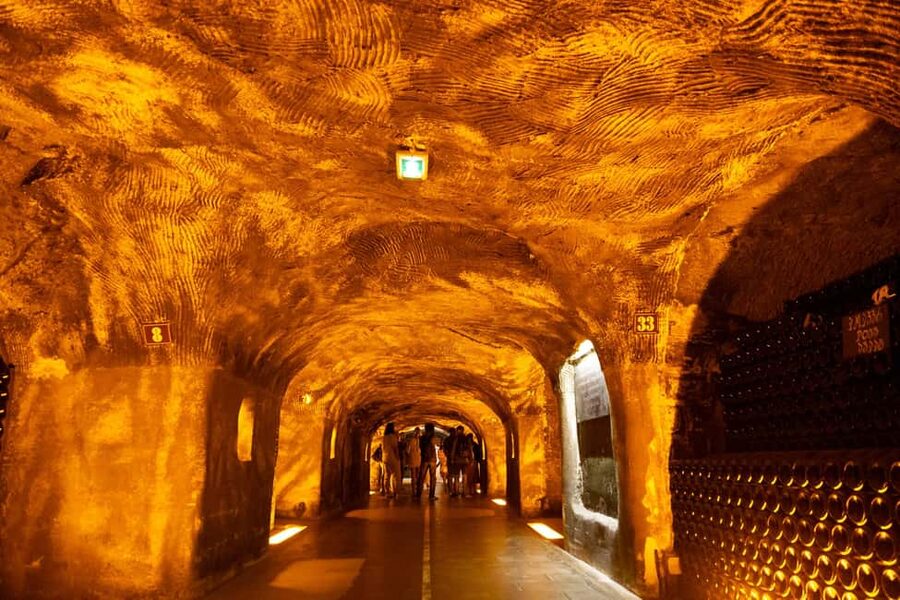
At $365 per person, this is a premium day trip. The price includes central Paris hotel pickup and drop-off, transport, a wine expert, three producer visits, more than 10 tastings, and a traditional lunch paired with Champagne.
The value is strongest if you want convenience and depth in one day. Booking separate train tickets, arranging taxis between rural wineries, paying for multiple visits, finding lunch, and managing tastings would take time and still might not produce the same range of stops. The guide also gives you regional context that is hard to gather on your own.
The price is less attractive if you mainly want one famous house and a short tasting. You are paying for the full day, the transport, the food, and the chance to visit smaller producers. If you dislike long drives or would rather explore Reims at your own pace, an overnight stay in the region may suit you better.
Hotel pickup is available in central Paris. If your hotel is outside the pickup area, the operator arranges pickup and drop-off from a central Paris location. Confirm that point before booking, especially if you are staying far from the center.
Free cancellation is available up to 24 hours before departure, and you can reserve now and pay later. Tours are offered in English, French, and Spanish, but French and Spanish departures depend on availability. Not every winery offers tours in Spanish, and not every guide speaks Spanish or French, so confirm the language rather than assuming it.
Who should book this day?
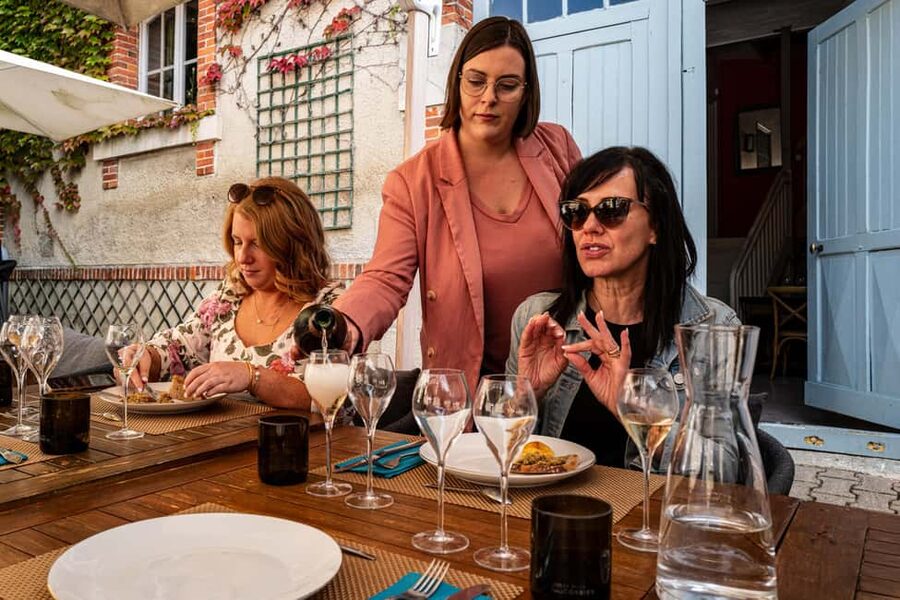
I would recommend it to wine drinkers who want to understand Champagne beyond the famous bottles. It suits couples, small groups of friends, and solo visitors who value a guided day with good food and plenty of tasting.
It is also a strong choice for anyone who does not want to drive after drinking. The minivan handles the rural connections, and the guide keeps the day moving. People with only one free day from Paris will appreciate the all-in-one plan.
I would think twice if you need wheelchair access, since the tour is not suitable for wheelchair users. It is also not designed for children under three. Comfortable shoes are essential, and smoking is not permitted during the tour.
Should you book the Authentic Champagne Tour?
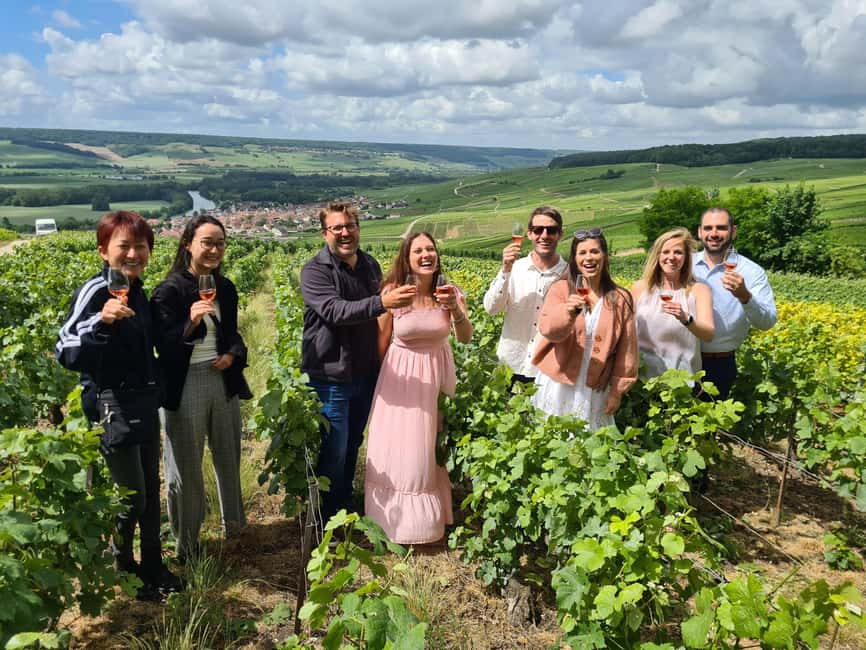
Book it if you want a full, food-focused day with several producers, more than 10 cuvées, and a small group rather than a large coach. The most appealing detail is the mix of family wineries, cooperatives, and possible major-house visits, which gives you a wider view of Champagne than a single cellar can provide.
Skip it if you want a short outing, a guaranteed list of named wineries, or a dedicated vintage Champagne tasting. For everyone else, the combination of transport, lunch, expert guidance, and broad tasting range makes the $365 price reasonable for a special day outside Paris.
FAQ
How long does the Champagne tour last?
The tour lasts 11 hours, including the drive between Paris and Champagne, producer visits, tastings, lunch, and return transport.
Does the tour include transportation from Paris?
Yes. Hotel pickup and drop-off are included for central Paris hotels. If your hotel is outside the central pickup area, pickup and drop-off are arranged from a central Paris location.
How many Champagne producers will I visit?
The experience includes visits to three family-owned wineries or cooperatives. The exact producers can vary by availability, and one departure included Maison Mumm and a smaller boutique producer.
How many Champagne tastings are included?
More than 10 cuvées are included in the advertised experience. The exact number of glasses can vary by departure and producer schedule.
Is lunch included?
Yes. A traditional French lunch is included and paired with Champagne. It may be served at a local restaurant or at a winemaker’s table.
What languages are available?
Tours may be available in English, French, or Spanish. French and Spanish options depend on availability, and not every winery or guide offers those languages.
Can children join the tour?
Children under three years old cannot join the tour. The experience is built around winery visits and tastings.
Is the tour suitable for wheelchair users?
No. The tour is not suitable for wheelchair users. Comfortable shoes are recommended because some walking is involved.
Just listed around France
- Vosne-Romanée: Private Vineyards Walking Tour with Tasting★ 4.4 · 9 reviews
- Vineyard of the Alpilles by bike★ 4.6 · 8 reviews
- Vineyard tour and wine tasting in Davron★ 4.5 · 7 reviews
- Vineyard visit in Gyropode, visit of Cave & Tasting Wines of Bandol★ 5.0 · 19 reviews
- Private Vineyard Tour and Wine Tasting in Bandol★ 5.0 · 16 reviews
- Horse riding in the vineyards of Grimaud + wine tasting★ 5.0 · 3 reviews
- Bike ride on the Wine Route from Sélestat★ 5.0 · 5 reviews
- 1/2 day private Vintage tour, vineyards of Saint-Tropez★ 5.0 · 6 reviews
Champagne House Tours, compared.
Champagne Vineyard Experience: Delve into the terroir
Read our review →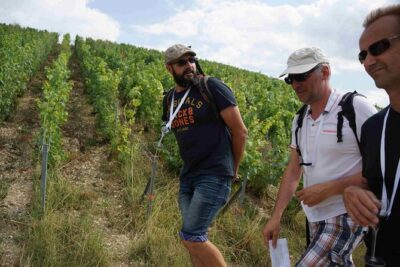
Gourmet walk in the heart of the vineyards with Champagne tasting near Epernay
Read our review →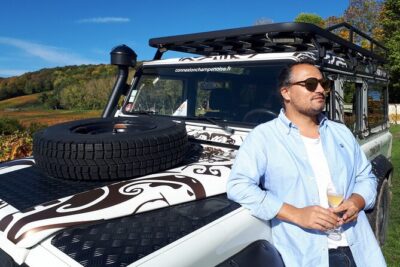
Champagne tasting, panoramic walk in the vineyards
Read our review →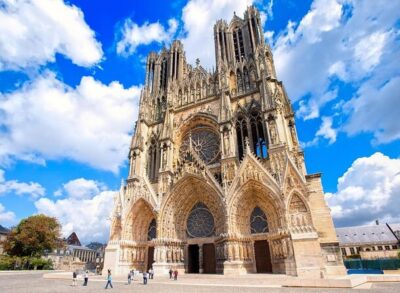
Exclusive Champagne Cellars & Dom Perignon Vineyards tour
Read our review →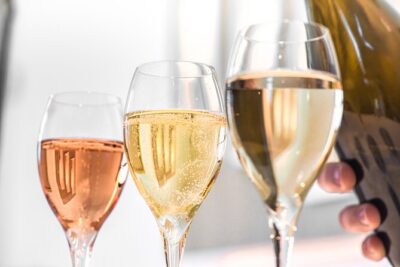
Vineyard and Triple Tasting First Cru in the Mountains of Reims
Read our review →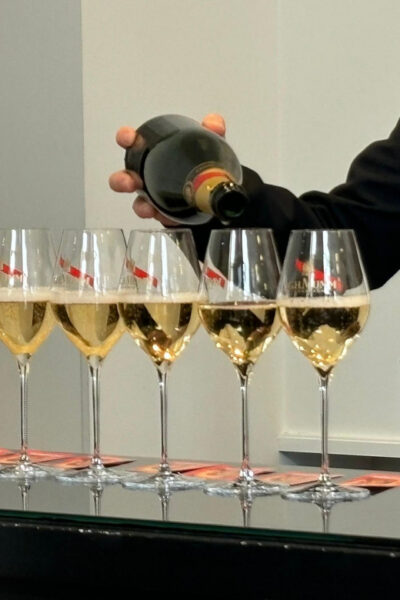
Private Epernay Trip with Champagne Vineyard Tastings
Read our review →Browse the lists this tour appears in