
REVIEW · WINERY TOURS
Osaka Winery Tour with Wine Tasting & Vineyard Walk
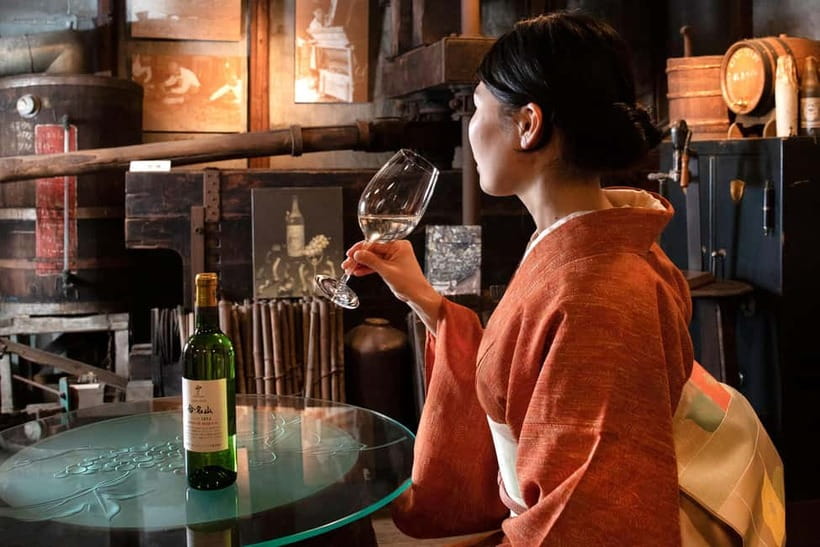
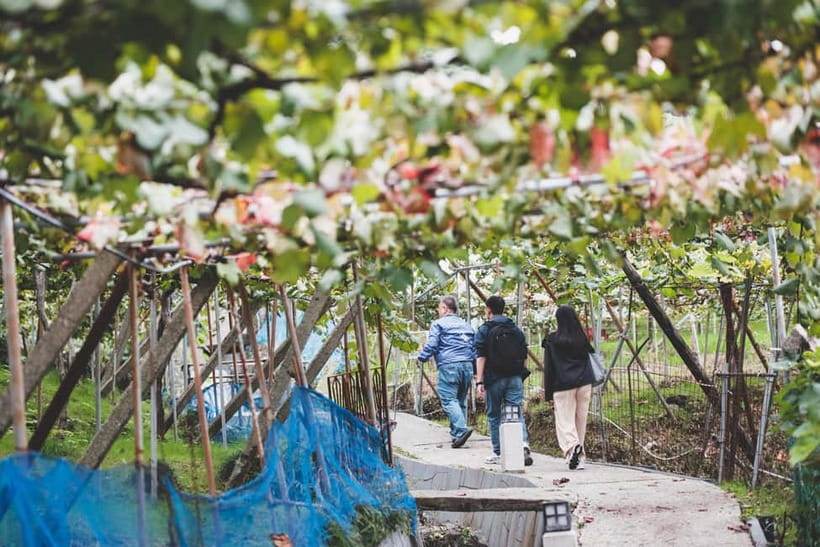
Katashimo Winery gives you a rare look at Japan’s small-scale wine culture, just 40 minutes from central Osaka. Founded in 1914, it is presented as the oldest winery in western Japan, and the visit links its old cellar with Edo-period streets, a shrine, and a thousand-year-old camphor tree. I like the mix of three local wines and a genuine neighborhood walk, rather than a tasting held in isolation.
I also like that the guide explains both wine and local history in English or Japanese. The main consideration is time: two hours passes quickly, and the tour is better for a focused introduction than for a long, leisurely winery day with several producers.
Key points at a glance
- A 1914 winery: Visit Katashimo Winery, one of western Japan’s oldest wine producers, with a century-old aging cellar.
- Three Japanese wines: Taste three locally made wines, including bottles selected for the G20 Summit.
- More than a tasting room: Walk through old streets, see Edo-period wooden buildings, and visit a beautiful shrine.
- A local guide matters: The guide connects wine production with Osaka’s past and answers questions in English or Japanese.
- Small bites included: Your three pours come with simple salty snacks.
- Two hours, $83: The price makes sense if you value the cellar, guide, museum ticket, walk, and tasting together.
Why this Osaka wine tour is worth your time
Osaka is famous for food, shopping, and neon streets. Katashimo offers a different side of the region. You leave the city center and reach a smaller town where the winery, old homes, religious sites, and local streets fit into one compact visit.
I like the setting because it gives the wine some context. You are not simply handed three glasses and told their names. You learn that Japan has a wine story of its own, shaped by local producers and a long effort to make wine in a country better known abroad for sake and whisky.
The winery dates from 1914. That age gives the tour a sense of place that a new tasting bar cannot copy. The cellar is around 100 years old and has been designated a cultural heritage site. You can see where wine has been aged across generations, then connect that working space to the town outside.
The experience is also unusually compact. You spend about one hour at Katashimo Wine Food for the winery visit and tasting, then about one hour on the guided walk. For a visitor staying in Osaka, that makes it an easy add-on to a larger sightseeing plan rather than a full-day commitment.
More Winery Tours in the world:
- Saint-Émilion: Grand Cru Classé Winery Visit and Tasting
★ 4.6 · 1,118 reviews - Montserrat Full Day Tour with Farmhouse Lunch and Winery Visit
★ 5.0 · 1,068 reviews - Montserrat & Winery Visit Tour with Traditional Farmhouse Lunch
★ 4.5 · 1,035 reviews
Starting at Katashimo Winery
The meeting point is in front of Katashimo Winery, at the direct-sales shop. This matters because the tour does not begin at a major Osaka landmark or a central hotel. You need to make your way to the winery area before the two-hour program starts.
The supplied information places the winery about 40 minutes by train from Osaka City. That is close enough for a half-day outing, but allow yourself time to find the correct station area and meeting point. The tour begins and ends at the winery, so you do not need to arrange a second pickup location.
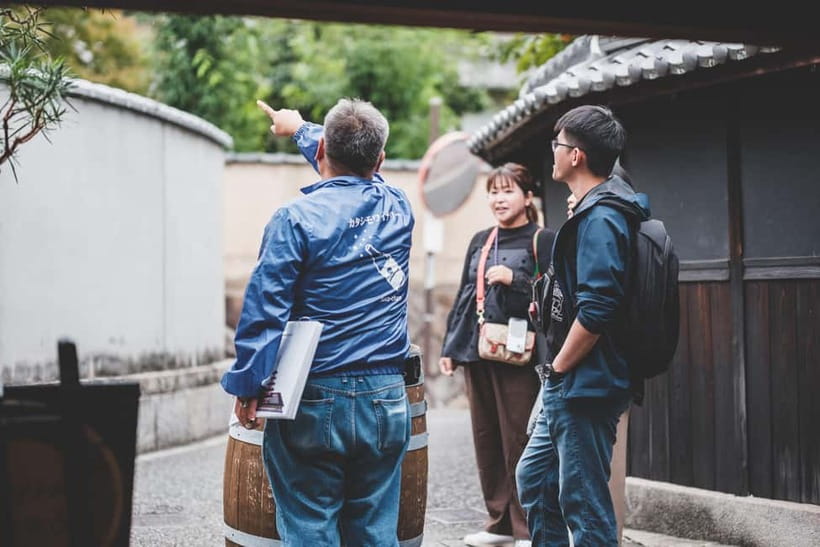
At the start, your guide sets the tone for the visit. Guides speak English or Japanese, and the English guide described in the available details was able to answer questions clearly. That is useful here because the best parts of the tour depend on explanation: the cellar’s age, the winery’s place in Osaka’s past, and the details behind the wines.
The direct-sales shop also gives the visit a practical ending. If a bottle or local product catches your attention, you are already at the winery’s own sales point. The activity information does not specify which products are available for purchase, so treat that as a possibility rather than a promised part of the tour.
Inside the century-old aging cellar
The winery portion begins at the bar before moving into the historic cellar. This order works well. You get an introduction to the wine first, then see the older space where the winery’s story took shape.
The cellar is the tour’s strongest physical feature. It is about a century old and designated as a cultural heritage site. You are looking at a working piece of local history, not a modern display built only for tourism. The age of the cellar also helps explain why this stop is more substantial than a quick tasting at a restaurant.
I would pay close attention to the guide here. Ask how the cellar is used, how the wines are aged, and what makes Japanese boutique wine different from the larger wine regions you may already know. The information provided confirms that the guide explains Japanese wine culture, but it does not promise a technical winemaking class. Expect a cultural introduction with tasting, not a professional certification lesson.
That distinction helps set expectations. Wine experts looking for detailed vineyard science, extensive vintages, or a long comparison of producers may find the visit brief. You get one historic winery and three pours, not a broad survey of Japan’s entire wine industry.
Three wines with a taste of Osaka
The tasting includes three different Japanese wines and small bites. Some of the bottles were selected for the G20 Summit, which gives the tasting a useful talking point. It suggests that Katashimo’s wines have been chosen for an international diplomatic setting, while still keeping the focus on a local producer.
The tasting is not described by grape, vintage, or style, so you should not expect a fixed list that can be examined in advance. The exact wines may depend on what is being poured at the time. The useful question is not simply which label you prefer. Ask your guide how each wine reflects Japanese production and how the three differ from one another.
Small salty snacks are included. They are a modest addition, but an important one. A bit of food gives you a better way to compare the pours and keeps the tasting from feeling like three drinks served without context.
The available details also note that juices tasted good, so non-wine drinkers may have an option during the tasting. Still, the included package is built around three Japanese wines. If you do not drink alcohol, confirm the available alternatives when booking rather than assuming a full nonalcoholic tasting.
The tasting lasts as part of the one-hour winery visit. That means the pace is likely steady. You will have time to listen, taste, and ask questions, but this is not the sort of stop where you linger over a bottle for an afternoon.
More vineyard visits around the world:
- From Porto: 2 Wine Regions, Farm-to-Table Lunch & Boat
★ 4.9 · 5,724 reviews - Napa and Sonoma Wine Country Full-Day Tour from San Francisco
★ 4.5 · 4,455 reviews - Douro Valley Tour: 2 Vineyard Visits, River Cruise, Winery Lunch
★ 5.0 · 3,542 reviews - San Francisco Super Saver: Muir Woods & Wine Country w/ optional Gourmet Lunch
★ 4.5 · 3,352 reviews
Walking through old streets near the winery
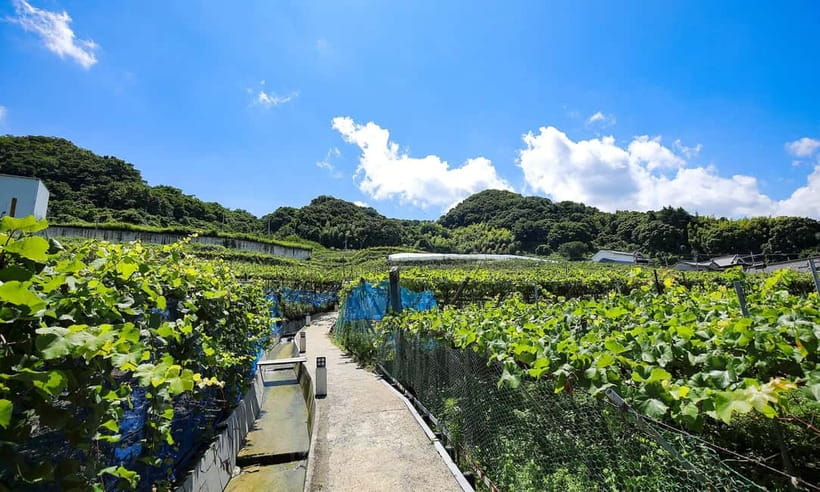
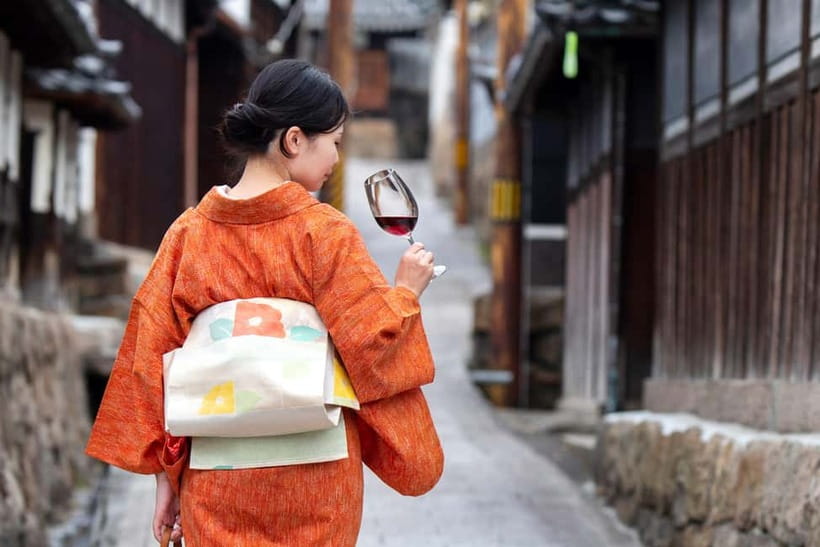
The second half moves outdoors. The guide leads you through streets with Edo-period wooden buildings and other reminders of Osaka’s past. This changes the mood from cellar tour to neighborhood walk.
I like this part because it gives the winery a setting. Old wine cellars are interesting, but the surrounding streets show how the town developed around everyday homes, religious sites, and local life. The walk also offers a break from tasting and gives you a chance to ask broader questions about the area.
A thousand-year-old camphor tree is one of the specific sights included. A tree of that age gives the walk a strong sense of time, especially beside the much younger winery founded in 1914. You may also visit a beautiful shrine during the route. The exact walking path can vary, but the focus is on historic streets and local points of interest rather than major Osaka attractions.
This is not a polished sightseeing district built around souvenir shops. The appeal is quieter and more ordinary. You see older buildings and a local town that preserves pieces of its past. If you want a quick change from Dotonbori and Namba, this is the part of the tour that makes the trip worthwhile.
The walking section does require you to be comfortable moving through town for about an hour. The information provided does not give a route length, surface details, or accessibility guidance. If walking conditions are important to you, ask the operator before booking.
What the guide adds to the visit
A good guide is especially important on this tour because the winery itself is compact and the town’s details may not explain themselves. Your guide links the cellar, wine, old buildings, tree, shrine, and local customs into one story.
The guide also makes the experience flexible in a useful way. You can ask about Japanese wine, the town, or the history of Katashimo instead of simply following a scripted tasting. The available comments describe the guide as informative, clear in English, and ready to answer questions. That is reassuring for English-speaking visitors who want more than a basic translation.
The tour is also suitable for people interested in Japanese culture but not yet familiar with wine. You do not need to arrive with a technical vocabulary. The cultural setting gives you plenty to notice even if you cannot distinguish one grape variety from another.
At the same time, the guide’s role does not turn the visit into a private custom tour. No group size is provided, so you should not assume an intimate one-on-one format. If a small group is important to you, confirm that detail before paying.
Is $83 a fair price?
At $83 per person, this is not a budget tasting. The value depends on how you measure the outing.
You receive three wines, small bites, a professional guide, museum admission, the cellar visit, and the one-hour historic walk. You also get the convenience of a single organized experience that combines wine with local history. For someone already planning to visit Osaka and interested in Japanese wine, those pieces make the price reasonable.
The cost is less attractive if you are mainly looking for three glasses of wine. A bar or restaurant tasting could offer drinks for less, though it would not include the historic cellar, guided town walk, or museum ticket.
I would think of the $83 as a short cultural excursion with wine rather than a standard tasting. The tour’s value comes from the combination. Remove the walk or the cellar, and the price would feel harder to justify. Keep both, especially with a strong English-speaking guide, and it becomes a distinctive half-day option.
The two-hour duration also keeps the cost from becoming a major time commitment. You can schedule it around other Osaka plans. Just remember that the 40-minute train ride each way adds transport time beyond the formal tour.
Who will enjoy this experience most?
I would recommend the tour to you if you fit one or more of these descriptions:
- You want to see a quieter side of Osaka beyond Namba and Dotonbori.
- You enjoy wine but also want history and local culture.
- You are curious about Japanese drinks beyond sake.
- You prefer a short guided outing to a full-day winery trip.
- You value conversation with a local guide and the chance to ask questions.
- You like old buildings, shrines, and historic trees as much as tasting notes.
It is also a good choice for a first introduction to Japanese wine. Three pours give you a starting point without asking you to spend an entire day comparing bottles.
I would hesitate if your main goal is vineyard production, a large number of tastings, or a long meal paired with wine. The tour offers one winery, three wines, and a compact walk. That focus is its strength, but it also limits the range.
The tour may suit couples, small groups of friends, and culturally curious solo visitors. Families or non-drinkers should check the juice options in advance, since the included tasting is centered on wine. No age policy is supplied, so do not assume every participant will receive the same tasting arrangement.
Timing, flexibility, and what to bring
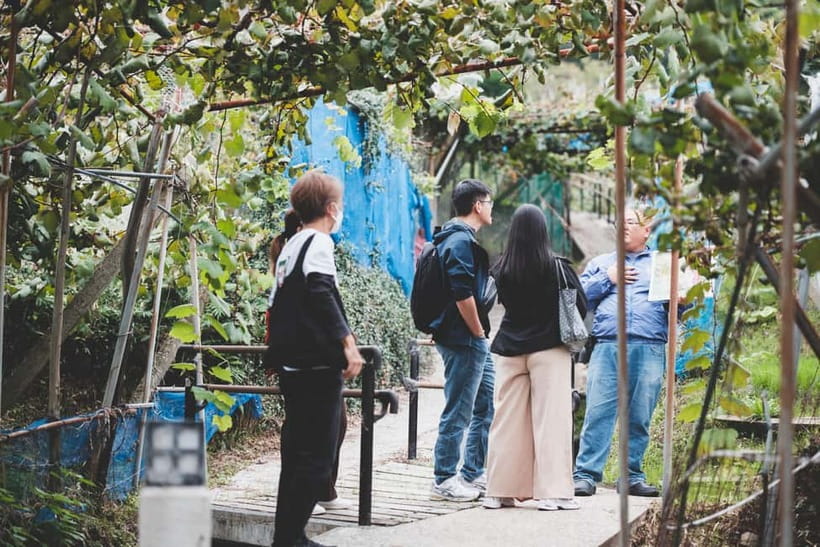
The activity lasts two hours, with roughly one hour at the winery and one hour on the guided walk. Starting times vary, so you need to check availability when selecting a date.
Wear comfortable shoes. The route includes historic streets and an outdoor walk, and the information does not describe the path as a seated sightseeing visit. Bring enough time for the train journey from Osaka City and for finding the winery meeting point.
The tour is offered in English and Japanese. If you need one particular language, select it carefully when reserving. No guide names are provided, so the assigned guide may vary.
You can cancel up to 24 hours before the start for a full refund. The reserve-now, pay-later option also gives you some planning flexibility. Additional tasting is not included, so budget separately if you want more wine beyond the three scheduled samples.
My verdict: book it for the setting, not just the wine
Book this tour if you want a compact, well-rounded outing that connects Japanese wine with an old Osaka neighborhood. The century-old cellar, Edo-period streets, camphor tree, shrine, and three local wines create a fuller experience than a standard tasting.
Skip it if you want a serious vineyard masterclass or a long afternoon of drinking. The program is short and focused, and $83 is a fair but not cheap price.
For most curious visitors, I would book it early in an Osaka stay, then use the rest of the day for the city’s food and sights. Katashimo gives you two useful things in one trip: a taste of a less familiar part of Japan and a reason to step outside Osaka’s busiest streets.
FAQ
Where does the tour begin and end?
The meeting point is in front of Katashimo Winery, at the direct-sales shop. The tour returns to Katashimo Winery at the end.
How long does the Katashimo Winery tour last?
The activity lasts two hours. About one hour is spent at the winery for the visit and tasting, followed by about one hour of guided touring.
How many wines are included?
Three different Japanese wines are included. Small bites are served with the tasting.
Are the wines connected to the G20 Summit?
Yes. The tasting includes wines described as having been selected for the G20 Summit.
Is the tour available in English?
Yes. Live guiding is available in English and Japanese.
What does the $83 price include?
The price includes three wine tastings, small bites, a professional guide, and wine museum admission. Additional tasting is not included.
Just listed around the world
- Yolo: Vineyards, Farms & Cultural Gems – Audio Driving Tour★ 4.3 · 5 reviews
- Winery Visit and Tasting in Elche with wines and tapas from Alicante in Van★ 5.0 · 9 reviews
- Wuerzburg: Vineyard rally with wine tasting and group dynamics★ 4.8 · 6 reviews
- Winery Visit & Tasting on the Volcanic Slopes near Catania★ 5.0 · 2 reviews
- Woodinville Wine Country: Downtown Wine Tasting Pass★ 4.4 · 2 reviews
- Xalo: Vineyard Tour with Wine Tasting and Snacks★ 4.9 · 8 reviews
- Winery Visit & Tasting near Grosseto with 6 wines★ 4.8 · 6 reviews
- Winery Visit on Parma Hills & Wine Tasting with Food Platter★ 5.0 · 26 reviews
Winery Tours, compared.
Montserrat Full Day Tour with Farmhouse Lunch and Winery Visit
Read our review →
Montserrat & Winery Visit Tour with Traditional Farmhouse Lunch
Read our review →
Saint Emilion Half-Day Trip with Wine Tasting & Winery Visit from Bordeaux
Read our review →
Chianti Delights: A Tale Of Two Wineries With A Vineyard Dinner
Read our review →
Toledo Guided Tour & Winery Visit with Tasting
Read our review →
Douro Valley for Wine Lovers with Visit to 4 Wineries and Lunch
Read our review →Browse the lists this tour appears in