
REVIEW · WINE COUNTRY DAY TRIPS
Temecula Wine Country Stargazing Tour
The most interesting part of this Temecula outing is its progression from the Moon to the far edge of what a small public stargazing session can show you. Guide Mike uses a visual telescope and a smart telescope, so you get both the pleasure of looking through an eyepiece and a glimpse of how electronic scopes produce detailed space images.
I like the small six-person limit, which gives you a real chance to ask questions and handle the viewing process without being lost in a crowd. I also like the practical introduction to astrophotography, especially if you have wondered how telescopes capture images that your eyes cannot see. The main consideration is the short one-hour format. With changing skies, a changing Moon, and a list of possible planets and deep-sky objects, the exact program cannot be guaranteed.
Key points to know
- The night begins close to home: You start with the Moon, then move outward to planets, nebulae, star clusters, and galaxies.
- Two types of telescopes are included: A visual telescope gives you an eyepiece view, while a smart telescope shows how electronic imaging works.
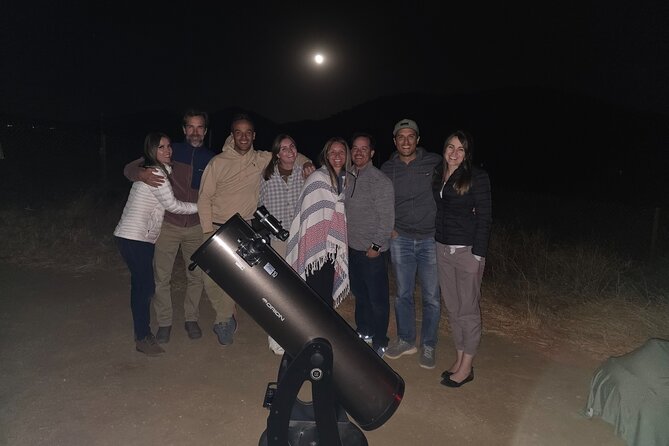
- Mike keeps the session personal: The group limit is six people, and his patient, accommodating approach is a major part of the experience.
- Start times change by season: Expect roughly 6:30 p.m. in winter, 7:30 p.m. in spring and fall, and 8:30 p.m. in summer.
- You sit while you watch: Camp chairs are provided, though you will walk over some uneven ground.
- Weather controls the show: Poor conditions can lead to a new date or a full refund.
Why Temecula is a good place to look up
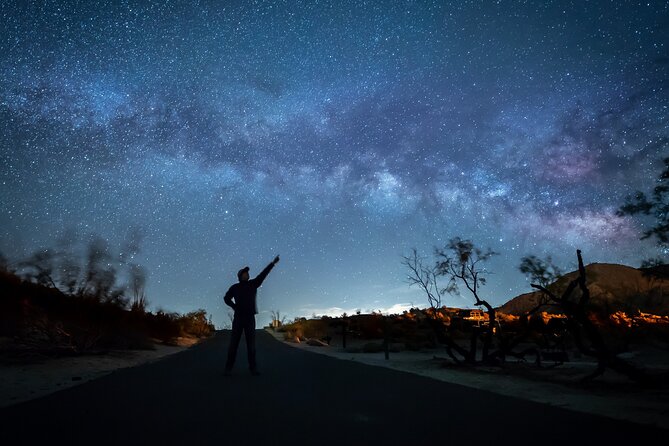
Temecula is best known for vineyards, tasting rooms, and sunny daytime outings. After dark, this tour gives you a very different reason to remain in the area. Instead of moving from one winery to another, you settle into a camp chair and look far beyond Southern California.
The setting matters because stargazing needs darkness, patience, and a clear view of the sky. This is not a fast attraction where you glance at an object and move on. The guide builds the session from familiar to distant, helping you understand the scale of what you are seeing.
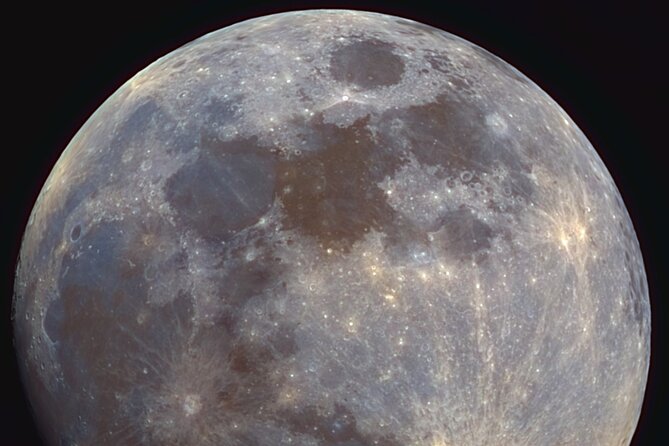
You begin with Earth’s closest celestial neighbor, the Moon. That is a smart starting point for a mixed group because the Moon is easy to recognize and can be viewed both directly and through the equipment. From there, the session can move to planets that happen to be visible, followed by objects much farther away.
The exact order and targets vary during the year and with the lunar cycle. That variation is part of the appeal, but it also means you should not book expecting one fixed list of sights. The sky is the program.
More Wine Country Day Trips in the USA
- Napa and Sonoma Wine Country Full-Day Tour from San Francisco
★ 4.5 · 4,455 reviews - San Francisco Super Saver: Muir Woods & Wine Country w/ optional Gourmet Lunch
★ 4.5 · 3,352 reviews - Small-Group Wine Country Tour from San Francisco with Tastings
★ 5.0 · 1,543 reviews
The Moon comes first
The opening section focuses on the Moon, viewed both visually and electronically. The visual telescope lets you look directly through the instrument, while the smart telescope provides a second way to see and record the sky.
This two-part approach makes the session useful for beginners. You are not simply told the name of an object and left to peer into a dark eyepiece. You can compare the traditional telescope experience with a modern electronic method, then ask questions about why the views differ.
Hands-on time is especially valuable in a small group. If the Moon is a major target during your visit, you should have a chance to spend more than a quick few seconds at the telescope. The six-person maximum helps prevent the long line and rushed viewing common at larger astronomy events.
The Moon can also affect the rest of the program. Its phase changes the appearance of the night sky, and a bright Moon can influence how clearly some fainter deep-sky objects appear. That is why the tour changes slightly through the lunar cycle instead of promising the same display every night.
Planets depend on the calendar
After the Moon, Mike turns the equipment toward planets that are available during your session. The tour does not promise a specific planet, and that is an important point when you decide if the outing fits your plans.
Planet visibility changes with the seasons and with the position of each planet in the sky. A planet may be a good target during one period and unavailable at another. The tour description keeps this open, allowing the guide to work with the actual conditions rather than forcing an object that is not there.
For you, this means the experience rewards curiosity more than a checklist. If your main goal is to see one particular planet, ask about current targets before booking. If you simply want a guided introduction to what is overhead, the flexible format makes sense.
Mike’s role is important here. The published comments describe him as patient with questions and willing to accommodate the group. That suggests a session shaped by conversation rather than a rushed lecture, a useful quality when you are still learning the difference between a star, a planet, and a distant deep-sky object.
Nebulae, star clusters, and galaxies
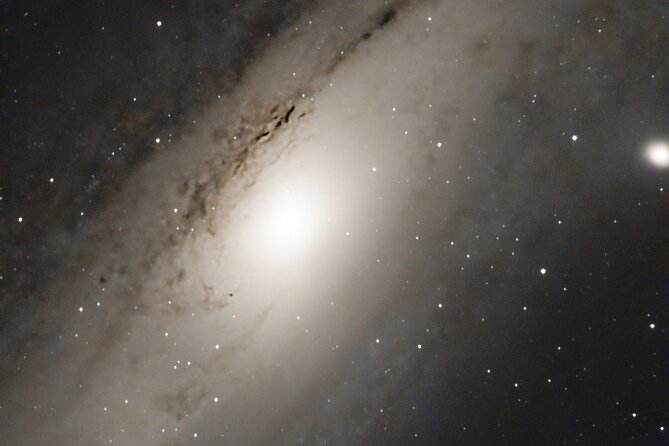
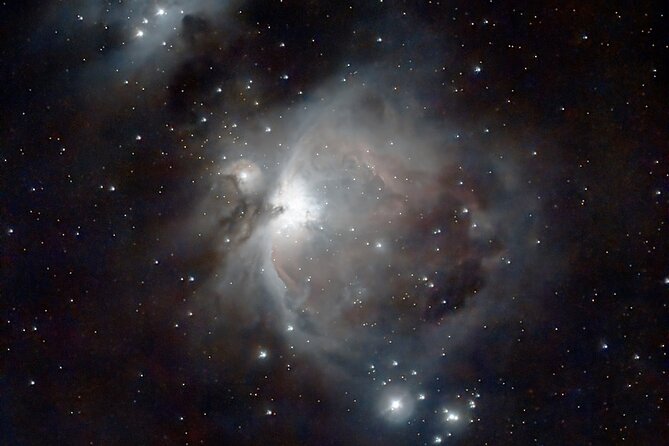
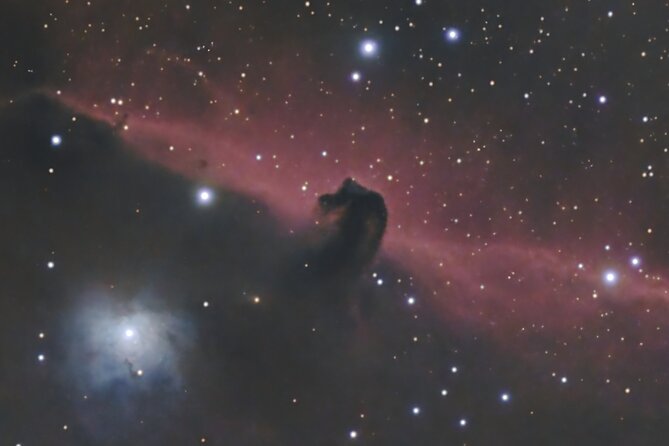
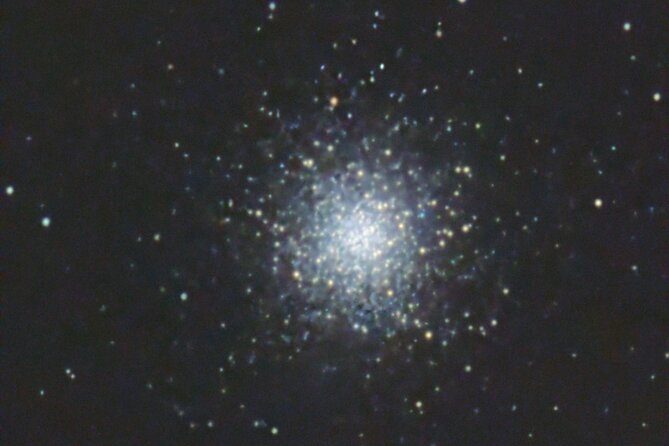
The most ambitious section moves beyond the solar system to deep-sky objects. Depending on the night, that can include nebulae, star clusters, and galaxies. These are the targets that give the hour its sense of scale.
A nebula is a cloud of gas and dust. A star cluster is a gathering of stars held together by gravity. A galaxy contains vast numbers of stars and lies far beyond our own solar system. You may not see every category during every visit, but the session is designed to reach this farther part of the sky after the Moon and planets.
The visual telescope is especially important for this stage because it gives you the direct, personal act of observing. Some objects may look subtle rather than bright and colorful to the naked eye. That is normal. The value comes from knowing what you are seeing and understanding the distance involved.
The smart telescope adds another layer. Its electronic view can show detail that is difficult to capture with your eye alone, and Mike uses it to introduce astrophotography. You get a short lesson in how serious telescopes gather and process images, without needing to own a camera or know the technical vocabulary in advance.
Same wine country, a different gate to drive through:
- San Francisco: Half-Day Wine Country Excursion with Tastings
★ 4.3 · 409 reviews - Malibu: Guided Vineyard Hike with Photo Stops and Wine
★ 5.0 · 391 reviews - Painted Ladies Wine Country Tour
★ 5.0 · 372 reviews - Sonoma Wine Country Electric Trike Tour – 3 hours
★ 5.0 · 331 reviews
What the smart telescope adds
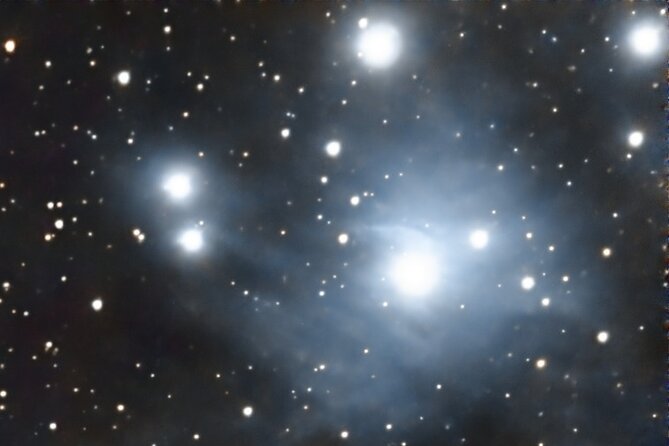
The smart telescope is more than a second piece of equipment. It helps explain why photographs of space often look different from what you see through an eyepiece.
Astrophotography depends on equipment that gathers light and builds an image over time. The tour offers an introduction rather than a full photography workshop, but that is enough to show how world-class telescope images become possible. You can see the difference between observing an object in the moment and creating a detailed electronic image.
I like this part because it connects the ancient pleasure of stargazing with current technology. You are not asked to choose between a classic telescope and a modern one. You see what each approach contributes.
The smart telescope may also help if you find the visual view challenging. A group member who struggles to make out a faint object through the eyepiece might understand it more easily on an electronic display. Still, the experience is not advertised as a professional astrophotography class, so you should book it as a guided introduction, not a technical training session.
A one-hour format with a small group
The tour lasts about one hour and allows no more than six people. That is a good match for a focused introduction, especially if you are adding it to a larger Temecula evening.
The short duration keeps the commitment manageable. You do not need to give up an entire night, and the session can fit before or after another activity. At the same time, one hour passes quickly when the guide is covering the Moon, planets, deep-sky targets, and astrophotography.
The small group helps make the time work. With only six people, questions are less likely to disappear into a crowd, and each person has a better chance of getting hands-on time. This is also where Mike’s patient style matters. A beginner can ask basic questions without feeling hurried, while someone with more interest can ask about the equipment and imaging process.
Camp chairs are supplied, which makes the hour more comfortable than standing beside a telescope. You should still expect some walking over uneven ground. The experience is not fully paved or designed as a no-walking activity, so wear practical shoes and take care on the approach to the viewing area.
Seasonal start times and planning your evening
The tour normally begins about one hour after sunset, but the clock time changes during the year. The approximate starts are 6:30 p.m. in winter, 7:30 p.m. in spring, 8:30 p.m. in summer, and 7:30 p.m. in fall.
These times are useful for planning dinner, winery visits, and your drive. Do not assume the same start time will apply to every booking. Check the confirmed time for your date, then allow enough room to reach the meeting point on Rancho California Road in Temecula.
The late summer start may be convenient if you want a longer afternoon before the tour. The winter start gives you an earlier evening, but you should plan around the fact that sunset and darkness arrive sooner. The one-hour-after-sunset rule is more useful than memorizing a fixed seasonal time because conditions and scheduling can change.
The activity begins and ends at the same meeting point. Private transportation is not included, so you need to arrange your own way to Rancho California Road and back. That detail is easy to overlook if you are staying elsewhere in the Temecula area.
What $75 buys you
At $75 per person, this is not a bargain-priced look at the stars. The value comes from the equipment, the guide’s attention, and the six-person limit rather than from the length of the outing.
You are paying for a focused session with a visual telescope, a smart telescope, camp chairs, and a guide who can explain what is visible that night. A larger event might cost less per person, but it may also offer less time at the equipment and fewer chances to ask questions.
The price makes the most sense for people who want a personal introduction to astronomy. It is also a reasonable choice for a family group or a few friends who want a shared activity and can fill part of the small capacity. The cost is harder to justify if you only want a quick photo or a guaranteed look at one named object.
The astrophotography demonstration adds value because it gives you something beyond ordinary stargazing. You learn how sophisticated telescopes produce detailed images, while still getting the simple pleasure of sitting outside and looking up.
Who will enjoy this most
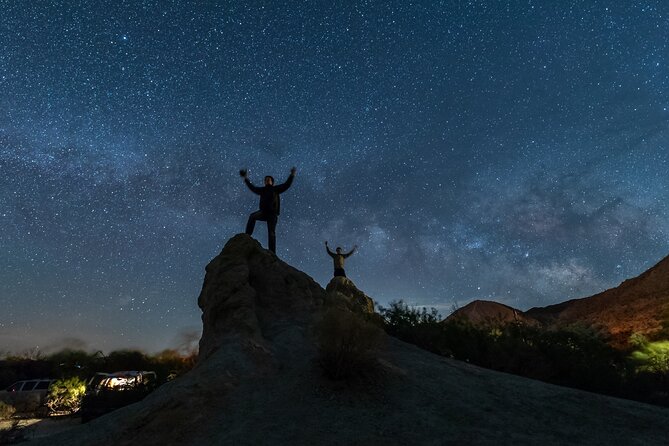
I would choose this outing for first-time stargazers, couples looking for a quiet evening activity, families with a strong interest in science, and small groups that prefer conversation over a large public presentation.
It also suits you if you like asking questions. Mike’s reported patience and willingness to accommodate the group are useful qualities for anyone who wants more than a scripted explanation. You can expect the evening to change with the sky, so curiosity matters more than a fixed agenda.
The tour is less suitable if you need a guaranteed target, a long formal astronomy program, or private transportation. It may also disappoint you if you expect space images to look exactly like colorful photographs. Visual astronomy can be subtle, and the smart telescope is there to explain and demonstrate electronic imaging, not to promise identical views of every object.
Most people can participate, and service animals are allowed. Some walking over uneven terrain is required, so consider that when deciding if the setting works for everyone in your group.
Weather, cancellations, and the practical details
Clear conditions are essential. If poor weather cancels the session, you will be offered another date or a full refund. The same applies if the minimum number of people is not reached and the experience cannot operate.
You can cancel for a full refund up to 24 hours before the start time. A cancellation or change made within 24 hours is not refunded or accepted, so keep the local start time in mind when making plans.
Confirmation arrives at booking, and the activity is offered in English. The mobile ticket is convenient for keeping the booking on your phone. Since the outing returns to its meeting point, you do not need to arrange a second pickup location.
Should you book the Temecula stargazing tour?
Book it if you want a small, friendly introduction to the night sky, especially if you value time with the equipment and patient answers from Mike. The Moon, possible planets, deep-sky objects, and smart-telescope demonstration give the hour a clear sense of progress.
Think twice if you need a guaranteed planet, a long session, or included transportation. The best choice is to book on a clear-weather evening, confirm the seasonal start time, and arrive ready for a flexible program shaped by the Moon and the objects visible that night.
For curious beginners and small groups, the combination of personal guidance, two telescope styles, and a six-person limit makes the $75 price easier to justify. It is a compact outing, but it gives you a genuine reason to look beyond Temecula’s vineyards after sunset.
FAQ
Where does the Temecula stargazing tour meet?
The meeting point is on Rancho California Road in Temecula, California. The activity ends back at the same meeting point.
How long does the stargazing experience last?
The tour lasts approximately one hour.
What time does the tour begin?
The start time normally falls about one hour after sunset. Approximate start times are 6:30 p.m. in winter, 7:30 p.m. in spring, 8:30 p.m. in summer, and 7:30 p.m. in fall.
What will I see during the tour?
The session usually begins with the Moon, then moves to planets that are visible during your visit. It can also include nebulae, star clusters, and galaxies.
What equipment is provided?
A visual telescope, a smart telescope, and camp chairs are included.
Is transportation included?
No. Private transportation is not included, so you must arrange your own transportation to and from the meeting point.
How many people can join the tour?
The activity has a maximum of six people.
Is the tour suitable for people with limited mobility?
Most people can participate, and service animals are allowed. Some walking over uneven terrain is required.
What happens if the weather is poor?
If poor weather causes a cancellation, you will be offered a different date or a full refund. You can also receive a full refund by canceling at least 24 hours before the start time. Cancellations within 24 hours are not refunded.
Just listed around the USA
- Yolo: Vineyards, Farms & Cultural Gems – Audio Driving Tour★ 4.3 · 5 reviews
- Woodinville Wine Country: Downtown Wine Tasting Pass★ 4.4 · 2 reviews
- Washington, DC: Virginia Wine Region Experience Tour★ 5.0 · 4 reviews
- Sedona: Visit 4 Award Winning Vineyards in the Verde Valley★ 4.7 · 18 reviews
- Small-Group Vineyard and Orchard Tour with Wine Tasting in Muscoda★ 5.0 · 2 reviews
- A Wine Tasting Experience in the Vineyards of the Desert★ 5.0 · 29 reviews
- Half-Day Arizona Wine Country Tasting Tour★ 5.0 · 5 reviews
- Private Day Trip to Missouri Wine Country★ 5.0 · 3 reviews
Wine Country Day Trips, compared.
Napa and Sonoma Wine Country Full-Day Tour from San Francisco
Read our review →
San Francisco Super Saver: Muir Woods & Wine Country w/ optional Gourmet Lunch
Read our review →
Day Trip to Kakheti Wine Region Including 9 Wine Tastings
Read our review →
Kakheti Wine Region Tour with 9 Wine Tastings
Read our review →
Kakheti Wine Region Tour with 10 Wine Tastings
Read our review →
Small-Group Wine Country Tour from San Francisco with Tastings
Read our review →
From Fuerteventura: Lanzarote Volcano and Wine Region Tour
Read our review →Browse the lists this tour appears in