
REVIEW · CHAMPAGNE HOUSE TOURS
Champagne Vineyard Experience: Delve into the terroir
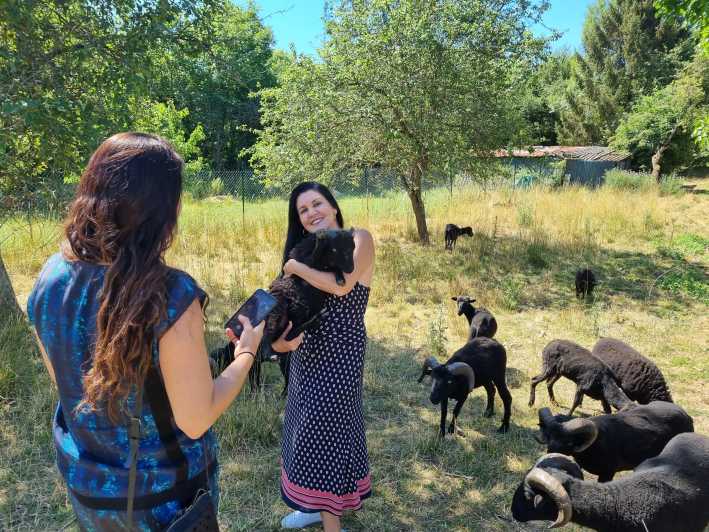
The best part of this experience is that it starts with the oldest family vines, not with a sales pitch in a tasting room. You walk from the garden and vineyard into the cellar, following the path from soil to bottle. I like that the tour connects the wines to specific places: Mareuil-le-Port, Épernay, and Tours-sur-Marne.
I also like the family scale and the attention to biodiversity. Guides Sarah and Chléo have been praised for clear, warm explanations, and the tasting includes both Champagne and Ratafia Champenois. The main consideration is value: at $28 per person, the visit is fairly priced if you want context and several tastings, but it may feel costly if you only want a quick glass of bubbly.
Key points
- Old vines first: Begin in the garden and vineyards linked to the family’s Champagne production.
- Soil has a starring role: Learn how the terroir of Mareuil-le-Port, Épernay, and Tours-sur-Marne shapes each cuvée.
- A real cellar visit: Go below ground to see where Champagne production is explained in practical terms.
- Two kinds of tasting: Try Champagne along with the house’s Ratafia Champenois.
- Guides who explain rather than perform: Sarah and Chléo have been singled out for friendly, clear presentations.
- Plan for stairs: The vineyard walk and cellar route include some walking and steps.
From the courtyard at 8 Rue de la Fontaine
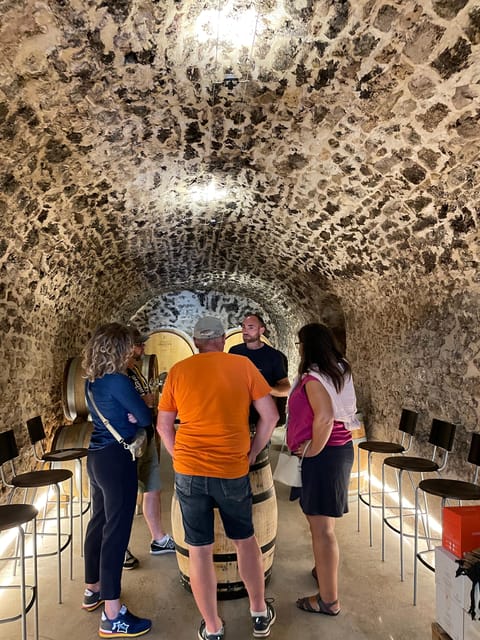
You begin at Champagne Harlin Père & Fils, at 8 Rue de la Fontaine. Step into the courtyard and look for your guide. If the guide is not there at first, the meeting instructions say someone will come to greet you shortly.
This is a useful kind of starting point. You are not being collected and moved through a large visitor complex. You arrive at a working family estate, then follow the story from the property itself. The setting gives the tour a personal feel before anyone pours a drink.
The experience lasts about 90 minutes. English and French tours are available, so check the language when choosing your time. The tour is guided, and the ticket includes the tasting, which keeps the price simple.
More Champagne houses around France:
- Epernay: Jeep tour of the vineyards with tasting and visits
★ 5.0 · 70 reviews - Gourmet walk in the heart of the vineyards with Champagne tasting near Epernay
★ 5.0 · 45 reviews - Champagne tasting, panoramic walk in the vineyards
★ 5.0 · 42 reviews
The garden and the family’s oldest vines
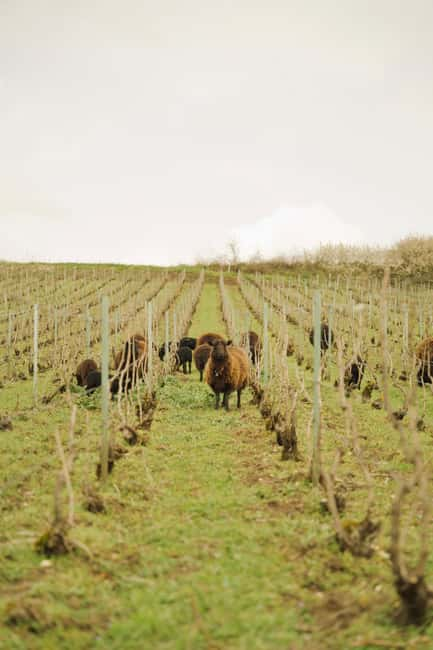
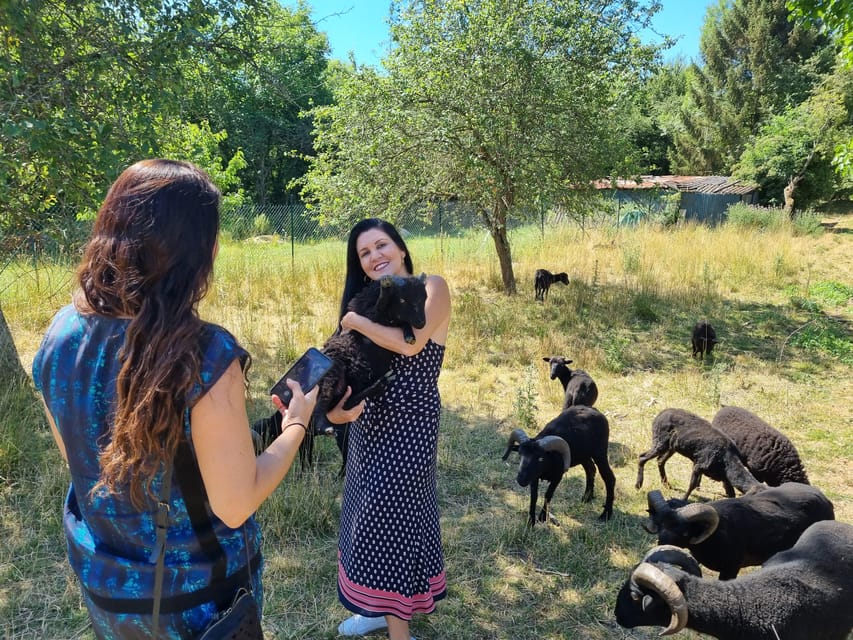
The visit begins in the garden, where the family’s grandfather’s vines grow. That detail gives the tour a human starting point. Instead of treating Champagne as a grand label floating above the countryside, the experience ties it to one family, one property, and generations of work.
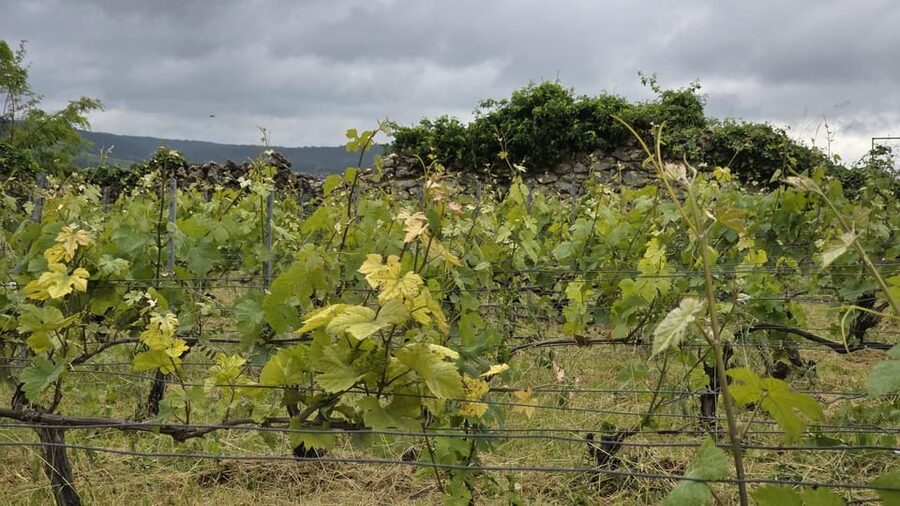
You then move toward the vineyards. This part is short, but it matters. Champagne can seem like a drink defined by famous names and polished bottles. A walk among the vines reminds you that the bottle begins with pruning, soil, weather, and patient farm work.
I especially like the focus on organic and sustainable viticulture. The tour explains the producer’s effort to protect biodiversity, rather than presenting farming as a simple matter of planting vines and harvesting grapes. You learn how the estate thinks about living soil and the wider environment around the vines.
The vineyard section is not a long country hike. Think of it as an introduction to the land behind the wine. One practical note: the route includes a small walk through the vines, so comfortable shoes make sense. If you want a full day of vineyard walking, this is not that sort of excursion. If you want enough outdoor time to understand the setting, the pace should suit you well.
Three Champagne places, three expressions
A strong feature of the experience is its connection to three areas: Mareuil-le-Port, Épernay, and Tours-sur-Marne. The tour uses these places to explain how soils and growing conditions shape the house’s cuvées.
You may not leave able to identify every soil type in a blind tasting, and the visit does not promise a technical wine-school course. But you should come away with a better question to ask while tasting: What does this bottle say about where its grapes grew?
That is a useful step beyond simply asking if a Champagne is sweet, dry, or expensive. The guide helps place each cuvée in a wider setting, linking the taste in your glass to the fields and production choices behind it.
The approach should suit you if you enjoy understanding a drink through its origin. It may be less satisfying if your main goal is a large tasting menu or a formal lesson in Champagne chemistry. The emphasis here is family production, land care, and the path from vineyard to cellar.
The historic cellar and Champagne production
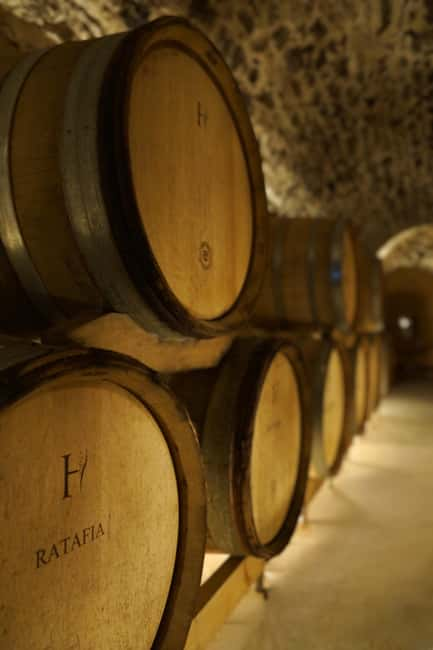
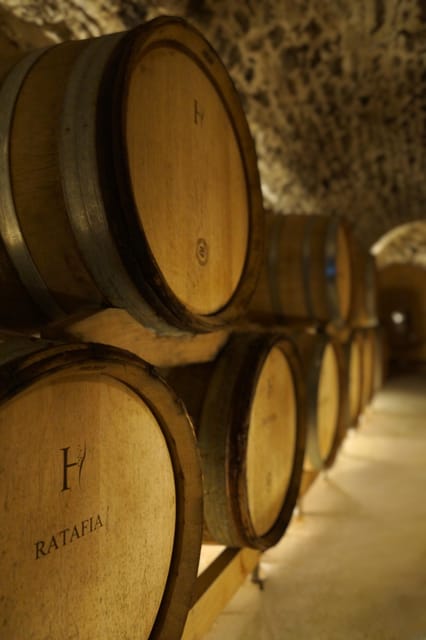
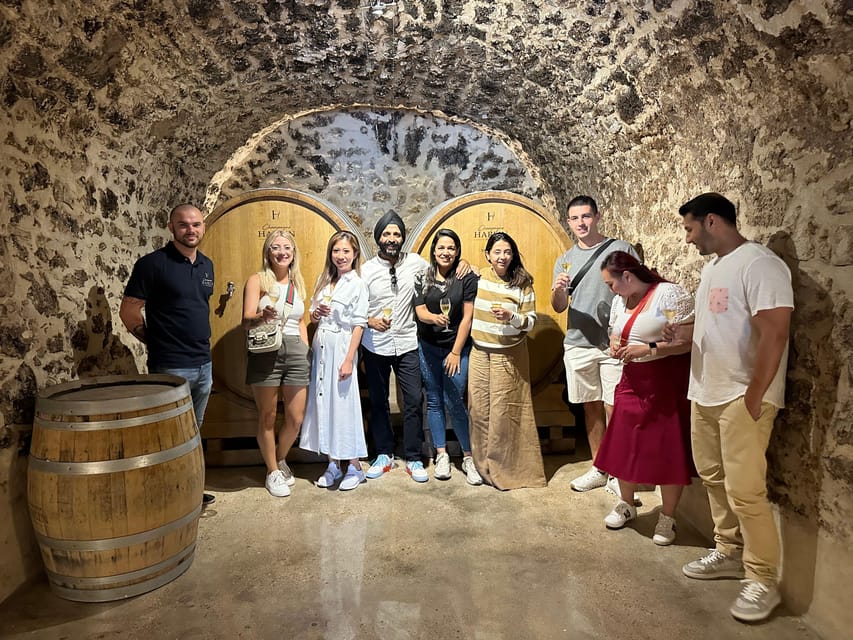
After the outdoor portion, you head into the historic cellar. The cooler underground setting changes the mood right away. Here, the guide explains the stages of Champagne production and the decisions that shape the finished wine.
The supplied schedule describes about 45 minutes for the guided estate portion, followed by a visit and tasting. The exact timing appears to be rounded in the booking information, but the complete experience is advertised as 90 minutes. I would plan on the full hour and a half rather than trying to fit the visit into a tight connection afterward.
The cellar is also where the production story becomes easier to picture. You have seen the vines, and now you see the place where the bottles are part of a longer process. The visit is not only about drinking Champagne. It explains why the producer works with patience, careful handling, and a strong link between growing and making.
You should expect stairs during the cellar visit. One detailed account specifically notes steps both for the caves and for reaching the tasting room. That may be minor for most people, but it is worth knowing if stairs are difficult for you or anyone in your group.
The word historic is appropriate here in the sense that this is the estate’s established cellar, tied to its family production. Do not expect a large museum packed with displays. The appeal is the working setting and the explanation from the producer’s team.
More vineyard visits around France:
- Saint-Émilion: Grand Cru Classé Winery Visit and Tasting
★ 4.6 · 1,118 reviews - Saint Emilion Half-Day Trip with Wine Tasting & Winery Visit from Bordeaux
★ 4.5 · 1,034 reviews - Saint-Émilion: Bordeaux Vineyard Tour and Wine Tasting
★ 4.8 · 578 reviews - Bordeaux: Vineyards Wine Tasting Half-Day Trip
★ 4.2 · 470 reviews
Learning to taste, not just taking a sip
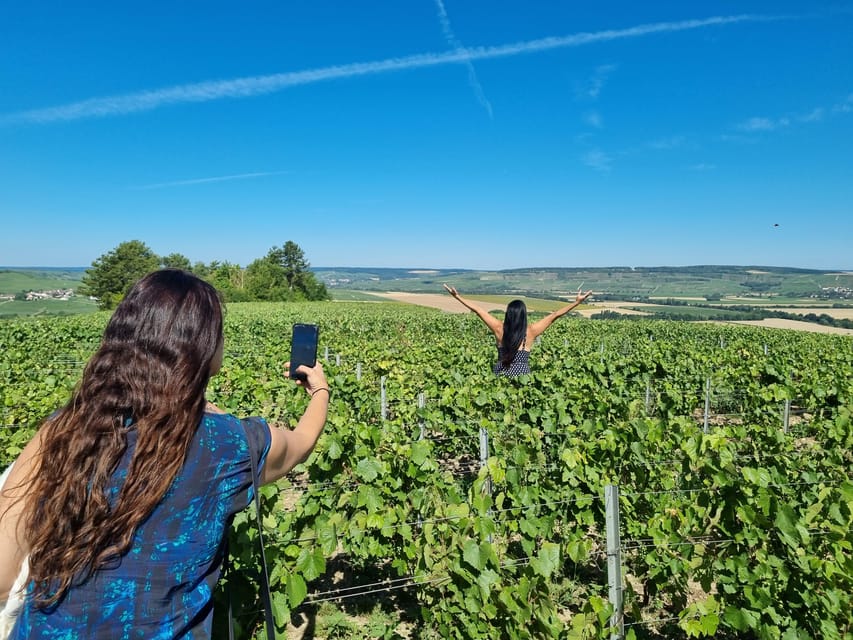
The final part takes place back at the estate and includes Champagne tasting, wine tasting, and Ratafia Champenois. The guide introduces the tasting as part of the visit, so you can connect what you have learned about the vines and cellar with what is now in your glass.
Ratafia Champenois deserves special attention. It is not simply another Champagne label. It is an emblematic regional drink, and tasting it gives you a broader look at the area’s wine traditions. If you have only tasted sparkling Champagne before, this provides a useful contrast.
The tasting is likely to be the highlight for anyone who wants to compare styles and understand the producer’s range. It also helps justify the $28 price more than a single pour would. You are paying for the guide, the property visit, the cellar access, and the tasting rather than only for the alcohol.
That said, keep your expectations sensible. One criticism of the experience focused on the tasting not feeling generous enough for the price and on the Champagne seeming expensive for its contents. I cannot promise that every guest will feel the same value from each pour. If you judge a tour mainly by how much wine you receive, this may not be your best choice.
For me, the better measure is the full package. The tasting has more meaning after you have walked through the vines and heard how the cuvées relate to place. If you only want to buy a bottle, the tour may seem less attractive. If you want the story behind the bottle, the price is easier to defend.
The guide makes a real difference
The strongest feedback centers on the guides. Sarah has been praised for clear explanations of Champagne production, while Sarah and Chléo have also been noted for their enthusiasm, kindness, and attention to questions.
That matters on a small producer visit. Champagne has plenty of technical terms, and a rushed or overly scripted presentation can turn a pleasant outing into a vocabulary test. A guide who explains clearly can make the cellar and vineyard meaningful even if you know little about wine.
The experience can also feel close to private when numbers are small. That is not guaranteed, so you should not book expecting a private tour every time. Still, the format allows for questions and a more direct connection with the producer than you usually get at a large Champagne house.
The language options are English and French. If your group needs English, confirm that the selected time offers it. Children under 18 may attend without buying a ticket, and fruit juice can be provided, but French law prevents them from drinking alcohol.
How the price works for different visitors
At $28 per person, this is positioned as an accessible introduction rather than a luxury Champagne day. I consider it good value for someone who wants all three parts: a vineyard walk, a cellar visit, and a tasting with Champagne and Ratafia Champenois.
The price is less convincing if you are already an expert and want a highly technical comparison of many bottles. It may also disappoint if you expect generous pours or a long visit. The full experience is only 90 minutes, so the tour gives you a focused introduction rather than an entire afternoon.
I would compare it with the cost of a tasting alone. You receive a guide and access to the estate as part of the ticket, and that added context is the main reason to book. The sustainable farming message and the connection to biodiversity also give the visit more substance than a simple retail tasting.
The producer’s family scale is another part of the value. You are meeting a Champagne maker whose work is connected to its own vines and cellar, not just stopping at a tasting counter. That will matter to you if authenticity means seeing how the wine is grown and made.
Who should book this Champagne visit
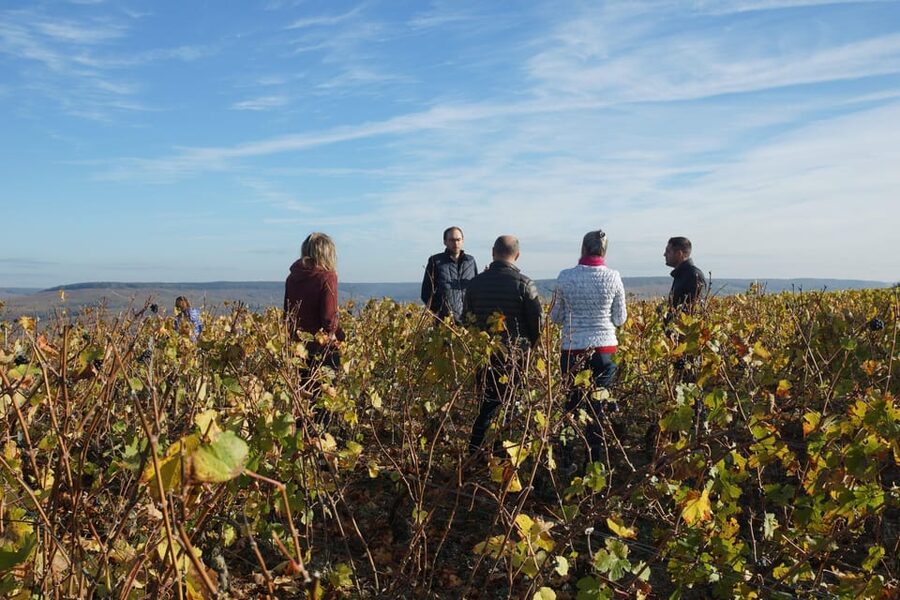
I would recommend this experience to first-time Champagne visitors who want a manageable introduction. It gives you enough background to make later tastings more interesting without demanding a full day or specialist knowledge.
It also suits couples, small groups, and families. Children can accompany adults, and fruit juice is available for them, though anyone under 18 must skip the alcohol. The short length makes the visit easier to fit between other plans in Grand Est.
You will probably enjoy it most if you care about:
- Family-run wine production
- Organic and sustainable vineyard work
- The connection between soil and taste
- A cellar visit with a guide
- Trying Ratafia Champenois as well as Champagne
I would be more cautious if your main goal is a big, lavish tasting or a long walk through extensive vineyards. The route is compact, includes stairs, and ends after about 90 minutes. It is focused and personal, not a grand production.
The estate accepts visitors in English or French, and you can cancel up to 24 hours ahead for a full refund. A reserve-now, pay-later option is also available, which is useful when your schedule in the Champagne region is still shifting. Alcohol and drugs are not allowed during the activity.
Should you book Champagne Harlin?
Book it if you want to understand Champagne as a farm product, not just as a celebratory drink. The strongest reasons are the old vines, the cellar route, the biodiversity focus, and the chance to taste both Champagne and Ratafia Champenois.
I would treat the $28 as payment for a guided introduction rather than a bargain tasting. The visit is short, and the amount of wine may not satisfy someone focused only on pours. For most curious visitors, though, Sarah or Chléo can help turn a bottle into a place, a process, and a family story. That is the part worth bringing home.
FAQ
Where does the Champagne vineyard experience begin?
It begins in the courtyard of Champagne Harlin Père & Fils at 8 Rue de la Fontaine.
How long does the experience last?
The complete experience lasts 90 minutes.
What languages are available?
The live tour guide can conduct the experience in English or French.
What is included in the ticket?
The ticket includes the guided experience and tasting.
What drinks are included in the tasting?
The tasting includes Champagne and Ratafia Champenois.
Are children allowed to attend?
Yes. Children under 18 may accompany adults without needing a ticket.
Can children drink Champagne during the visit?
No. French law does not permit children under 18 to drink alcohol. Fruit juice can be provided for them.
Does the visit include walking and stairs?
Yes. The experience includes a short walk through the vineyards and stairs for the cellar and tasting room.
Can I cancel for a refund?
Yes. You can cancel up to 24 hours in advance for a full refund.
Just listed around France
- Vosne-Romanée: Private Vineyards Walking Tour with Tasting★ 4.4 · 9 reviews
- Vineyard of the Alpilles by bike★ 4.6 · 8 reviews
- Vineyard tour and wine tasting in Davron★ 4.5 · 7 reviews
- Vineyard visit in Gyropode, visit of Cave & Tasting Wines of Bandol★ 5.0 · 19 reviews
- Private Vineyard Tour and Wine Tasting in Bandol★ 5.0 · 16 reviews
- Horse riding in the vineyards of Grimaud + wine tasting★ 5.0 · 3 reviews
- Bike ride on the Wine Route from Sélestat★ 5.0 · 5 reviews
- 1/2 day private Vintage tour, vineyards of Saint-Tropez★ 5.0 · 6 reviews
Champagne House Tours, compared.
Gourmet walk in the heart of the vineyards with Champagne tasting near Epernay
Read our review →
Champagne tasting, panoramic walk in the vineyards
Read our review →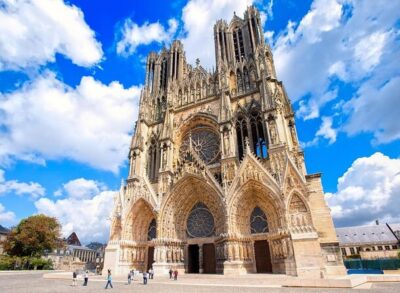
Exclusive Champagne Cellars & Dom Perignon Vineyards tour
Read our review →
Vineyard and Triple Tasting First Cru in the Mountains of Reims
Read our review →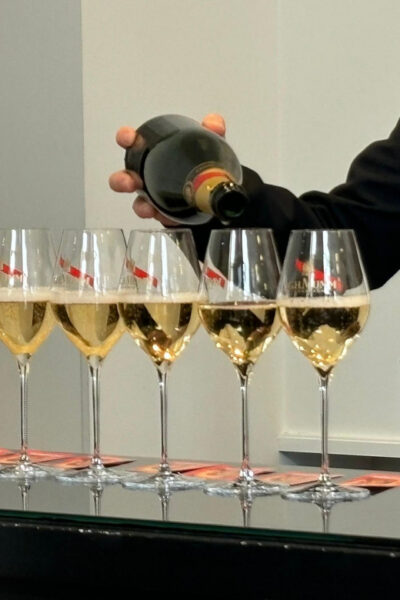
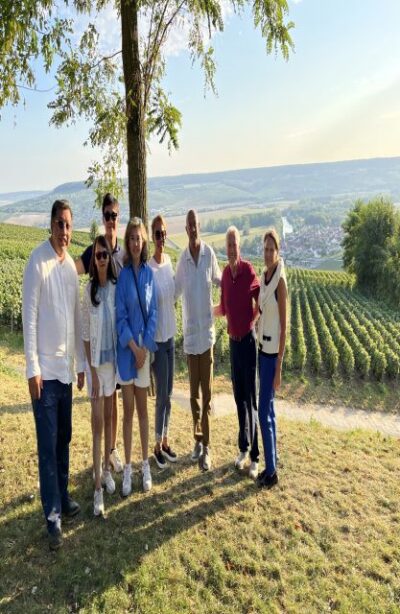
Private Epernay Trip with Champagne Vineyard Tastings
Read our review →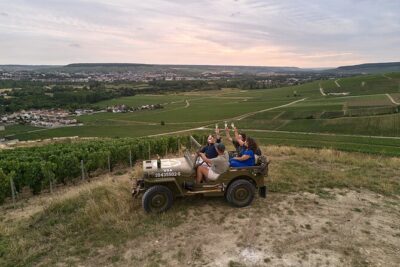
Browse the lists this tour appears in