
REVIEW · WINE CELLAR VISITS
Saint-Émilion: 2 hours – Visit of the vineyard, the cellar and tasting
Saint-Émilion wine country becomes much easier to understand at Château Haute-Nauve when you can follow the process from vine to bottle in one small visit. You walk through the plots, see the working winery, and finish with four château wines, including two Saint-Émilion Grand Cru pours.
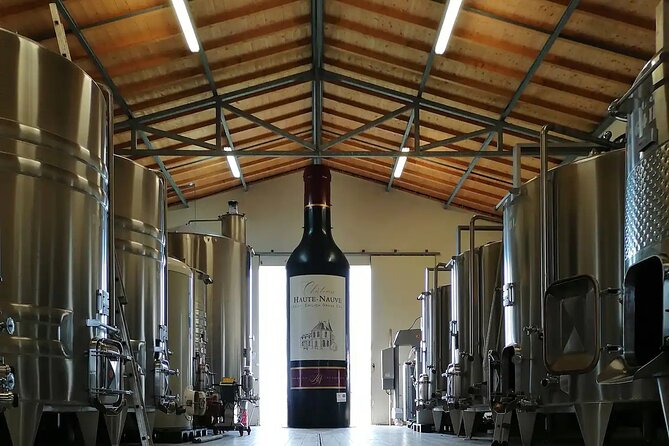
I like the family connection, with Florent or his mother Marie-Anne explaining the estate’s fourth-generation story. I also like the practical details: a wind turbine, a huge six-meter wine bottle, and an honest look at how the château handles frost, sustainability, and new wine projects. The one drawback is that the visit lasts only about two hours, so it gives you a useful introduction rather than a full day of wine study.
Key points to know before booking
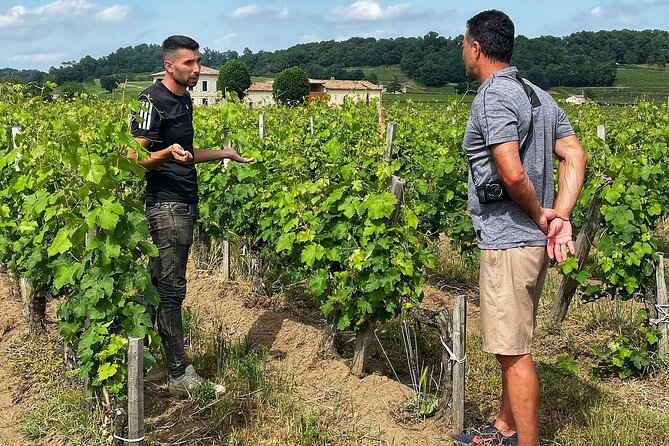
- A fourth-generation family estate: Florent or Marie-Anne leads the visit and explains how the château has changed over time.
- The tour begins among the vines: You learn how vineyard work shifts through the seasons and how different plots shape production.
- A working winery, not just a tasting room: The route covers fermentation, pumping, pressing, and barrel aging.
- Four wines are included: The tasting features a rosé, one Saint-Émilion, and two Saint-Émilion Grand Cru wines.
- Small groups keep it personal: The maximum group size is 15 people, with English offered.
- Good value at $30.04: The price includes the full visit and four alcoholic wine tastings, not just a brief sample.
What makes Château Haute-Nauve different
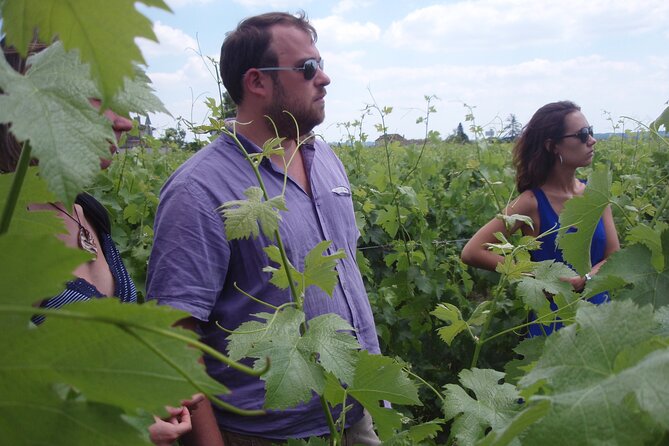
Many Saint-Émilion tastings begin and end at a counter. This one takes you into the estate itself. At Château Haute-Nauve, the visit starts outdoors, moves into the production rooms, continues to the barrel cellar, and ends with the wines in your glass.
That order matters. You first see where the grapes grow, then how they are handled after harvest, and finally how the finished wine develops. I find this far more useful than tasting several bottles without knowing what work sits behind them.
The château is run by a family with four generations tied to the property. Florent leads the English-language visits, and Marie-Anne may also welcome you. Florent’s style comes across as warm and relaxed, with enough humor to keep the technical parts from feeling like a lecture.
The setting also has a few memorable details. You will see a wind turbine and a six-meter-high wine bottle, both unusual landmarks on a vineyard visit. These are not just photo stops. They help show that the estate is thinking about how it presents itself while also dealing with practical concerns facing modern wine producers.
More Wine Cellar Visits in France:
- Tour of a Vineyard, Winery & Cellar with Wine Tasting in Vouvray, Loire Valley
★ 5.0 · 77 reviews - Exclusive Champagne Cellars & Dom Perignon Vineyards tour
★ 5.0 · 32 reviews - Moet et Chandon Vineyards Cellars 7 tastings Private Champagne
★ 4.5 · 4 reviews
Walking through the Saint-Émilion vineyards
The first part of the two-hour visit takes place in the vineyard. Here, you learn about the estate’s family story and the Saint-Émilion appellation, the protected wine area that gives the region its name and reputation.
You also look at different plots of vines. This is useful because vineyards are not all managed in exactly the same way. Soil, exposure, vine age, and seasonal conditions can affect how the grapes develop, even within one estate.
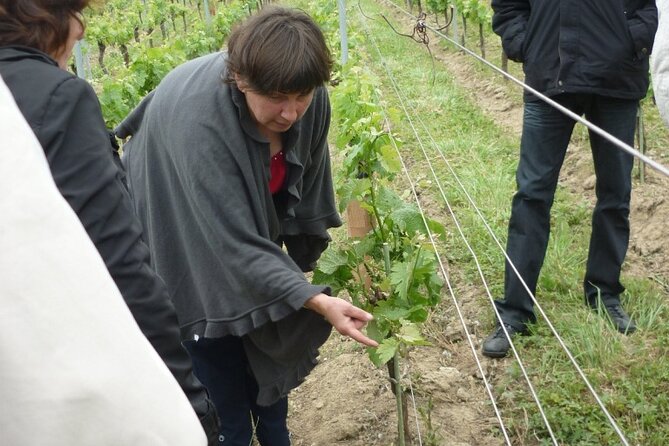
The guide explains how the work changes during the year. Pruning, growth, flowering, ripening, and harvest each bring different tasks. You get a clearer sense of why making wine is not simply a matter of picking grapes in autumn and filling barrels.
I especially like that the tour addresses difficult conditions rather than presenting wine production as an effortless old-world ritual. Crop freezes are one of the challenges discussed, along with the estate’s work in sustainability and diversification.
The château is also developing new wines. That gives the visit a current feel. You are not only hearing about family tradition, but also about how a small producer adapts to weather, market demands, and changing production goals.
Wear shoes suitable for walking outdoors. The visit includes vineyard paths, and the experience is designed around moving through the property rather than remaining indoors. No special level of fitness is required, since most people can take part, but you should be comfortable with a short walk.
The six-meter bottle and the estate’s practical side
The giant bottle is an easy detail to remember, but the more valuable part of this section is the explanation of how the château works through uncertainty.
Frost can damage a crop at a critical point in the growing season. The estate’s response includes exploring sustainability and diversification, rather than relying on one fixed method or one narrow range of wines. You get a glimpse of the choices that sit behind a bottle labeled Saint-Émilion.
The wind turbine adds another point of interest. It signals an effort to address energy use and the practical demands of running a winery. The tour does not present sustainability as a vague slogan. It connects the subject to the estate’s day-to-day challenges and future plans.
For anyone who already knows a little about wine, this part may be the most interesting. For beginners, it gives you useful questions to ask later when you visit other vineyards. How does the producer respond to frost? Which work is done by hand? How are different plots treated? What happens when a château develops a new wine?
Inside the winery, from fermentation to pressing
After the vineyard, you enter the winery and follow the stages that turn harvested grapes into wine. The guide covers fermentation, pumping, and pressing, along with the equipment used for each job.
This section is especially helpful if you have tasted Bordeaux wines but never seen their production. Fermentation is where grape juice begins to become wine, but the process depends on careful control. Pumping and pressing also affect how the juice and skins are handled.
The machinery and large tanks make the scale of the work clear. One person who took the English visit with Florent found the equipment and tanks particularly useful for understanding what happens after harvest. You can expect practical explanations rather than only talk about tasting notes.
The winery visit also connects the technical steps to the finished bottles. That link is important. When you later taste the château’s wines, you have some idea of the choices made before the wine reached the cellar.
The tour does not promise a full technical course in winemaking, and two hours is not long enough for that. Still, it covers the main stages in a sensible order. If you are new to wine, you should leave with a much clearer picture of the production chain.
More two-hour visits around France:
- 2-hour walk – Castles and vineyards
★ 4.5 · 11 reviews - Champagne vineyards: 2-hour guided tour of the vineyards in a Buggy
★ 5.0 · 3 reviews - Lausanne: 2-Hour Lake Geneva Cruise Along Lavaux Vineyards
★ 4.2 · 171 reviews - 2 Hour Vineyard Trail Ride
★ 5.0 · 31 reviews
The barrel cellar and the quiet part of winemaking
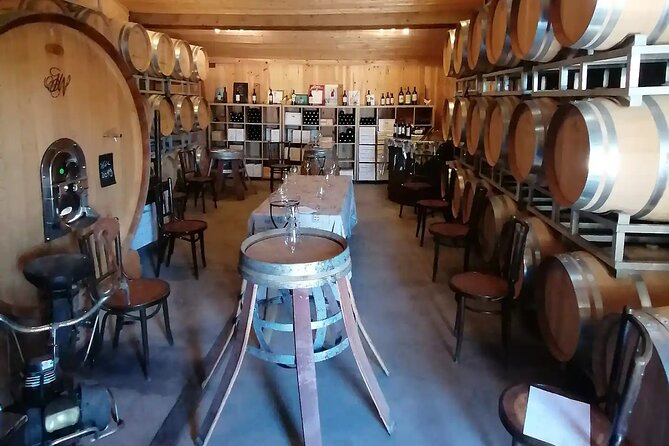
The route continues into the barrel cellar, where you see how the wines are aged. This is a calmer part of the visit, but it helps explain why the final wine can differ from young wine straight from the tank.
Barrel aging affects how wine develops over time. The cellar also shows that production does not end once fermentation is finished. Storage, timing, and the decisions made during aging all play a part in what reaches the bottle.
The barrel cellar is not described as a grand showpiece, and that is part of its appeal. The focus stays on method. You see another working stage of the estate instead of being taken through a decorative room with little connection to production.
If you are mainly interested in architecture or historic interiors, this may feel less important than the vineyard and tasting. If you want to understand the path from grape to bottle, it completes the tour well.
Tasting four wines, including two Grand Cru bottles
The visit ends with a guided tasting of four Château Haute-Nauve wines:
- A rosé
- A Saint-Émilion
- Two Saint-Émilion Grand Cru wines
This is a strong finish for the price. You are not given one token sample after a long talk. Four pours let you compare styles and see how the wines differ within the Saint-Émilion category.
The rosé provides a lighter point of comparison. The Saint-Émilion gives you the estate’s standard expression in the appellation, while the two Grand Cru wines let you consider how a higher classification is represented in the château’s range.
The guide leads the tasting, so you can ask questions about what you are drinking and connect the flavors to the vineyard and cellar work you have just seen. That makes the tasting more useful than simply sampling four glasses without explanation.
The wine itself receives strong praise in the available feedback, along with the friendly presentation. One English-language visit led by Florent was described as both informative and enjoyable, with the wine quality singled out as a reason to return. Another French-language visit was valued for the welcoming atmosphere and the chance to taste several well-made wines.
Keep in mind that this is a wine tasting, so you should plan your day sensibly. Alcoholic beverages are included, but food is not listed as part of the experience. Do not arrive expecting a meal or a full food-and-wine pairing.
Why the $30.04 price is reasonable
At $30.04 per person, this experience offers more than a standard tasting. Your fee covers about two hours of guided time, vineyard access, the winery, the barrel cellar, and four château wines.
The biggest value comes from the range of subjects covered. You get local appellation information, seasonal vineyard work, family history, sustainability concerns, production equipment, barrel aging, and a guided tasting. A shorter tasting might cost less, but it would not give you the same view of how the estate operates.
The small maximum group of 15 also helps. The experience is not private, but it is limited enough that you should have a better chance to hear the guide and ask questions than in a large coach-group visit.
I would consider this especially good value for people who have only one vineyard visit planned near Saint-Émilion. It gives you a broad foundation in a manageable two-hour block. Wine enthusiasts seeking a highly technical cellar study may want something longer, but most first-time visitors will get plenty from this format.
Who will enjoy this visit most
This château tour suits you if you want a direct introduction to Bordeaux wine without committing to a full day of tastings. It works well for couples, families with adults, and small groups looking for a clear activity near Saint-Émilion.
It is also a good choice for anyone who prefers meeting the people behind a product. The fourth-generation family story and the chance to hear from Florent or Marie-Anne give the visit a personal touch.
English speakers should find the experience accessible, since English is offered and Florent has led English tours. French is also used at the château, based on the available information.
You may want to choose another experience if your main goal is an elaborate meal, a long technical seminar, or a large selection of producers. This is one estate, four wines, and about two hours. Its strength is focus, not variety.
The experience is suitable for most people, and service animals are allowed. The meeting point is Château Haute Nauve, 1 Haute Nauve, 33330 Saint-Laurent-des-Combes, France. The activity ends back at the same point, so arrange your transport with that location in mind.
Timing, booking, and cancellation details
Confirmation is sent within 48 hours of booking, subject to availability. The experience is booked about 12 days ahead on average, so reserving before your Saint-Émilion visit is sensible, especially if your schedule is tight.
You receive a mobile ticket, which keeps the arrival process simple. The group limit is 15 people, and the experience may require a minimum number of participants.
Free cancellation is available if you cancel at least 24 hours before the local start time. A cancellation made less than 24 hours ahead is not refundable, and changes inside that window are not accepted. If the château cancels because the minimum number is not reached, you can receive a different date or experience, or a full refund.
Should you book Château Haute-Nauve?
I would book this visit if you want to understand Saint-Émilion wine through one family estate rather than rush between several tasting rooms. The route is well balanced: vineyard first, production rooms next, barrel cellar after that, and four wines at the end.
The best reasons to choose it are the personal family story, Florent’s friendly English presentation, and the honest look at modern problems such as frost and sustainability. The main limitation is simple: two hours cannot cover every detail of Bordeaux wine.
For $30.04, though, you get a useful and well-rounded look at the château, plus four wines to compare. If you want a grounded introduction with real production behind it, this is a smart Saint-Émilion stop.
FAQ
How long does the Château Haute-Nauve visit last?
The experience lasts approximately two hours.
Where does the tour begin?
The tour begins at Château Haute Nauve, 1 Haute Nauve, 33330 Saint-Laurent-des-Combes, France.
Where does the activity end?
The activity ends back at the meeting point at Château Haute Nauve.
Is the tour offered in English?
Yes. The experience is offered in English.
How many wines are included?
The tasting includes four Château wines: a rosé, a Saint-Émilion, and two Saint-Émilion Grand Cru wines.
What parts of the estate will I visit?
You will visit the vineyard, winery, and barrel cellar. The tour covers vineyard work, fermentation, pumping, pressing, and wine aging.
How large is the tour group?
The activity has a maximum of 15 participants.
Can I cancel for a refund?
Yes. You can cancel for a full refund up to 24 hours before the experience start time. Cancellations made less than 24 hours ahead are not refunded.
Just listed around France
- Vosne-Romanée: Private Vineyards Walking Tour with Tasting★ 4.4 · 9 reviews
- Vineyard of the Alpilles by bike★ 4.6 · 8 reviews
- Vineyard tour and wine tasting in Davron★ 4.5 · 7 reviews
- Vineyard visit in Gyropode, visit of Cave & Tasting Wines of Bandol★ 5.0 · 19 reviews
- Private Vineyard Tour and Wine Tasting in Bandol★ 5.0 · 16 reviews
- Horse riding in the vineyards of Grimaud + wine tasting★ 5.0 · 3 reviews
- Bike ride on the Wine Route from Sélestat★ 5.0 · 5 reviews
- 1/2 day private Vintage tour, vineyards of Saint-Tropez★ 5.0 · 6 reviews
Wine Cellar Visits, compared.
Abellonio Cascina Piccaluga – visit to the vineyards, to the wine tasting cellar
Read our review →
Prosecco tasting, appetizers and tour of the cellar and vineyards
Read our review →
Riomaggiore: Vineyard & Wine Cellar Tour with Wine Tasting
Read our review →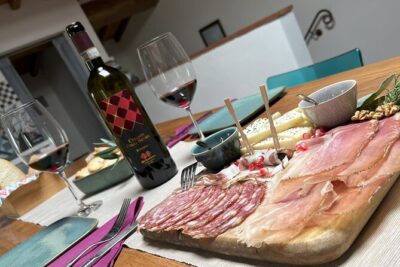
San Gimignano: Vineyard and Cellar Tour with Wine Tasting
Read our review →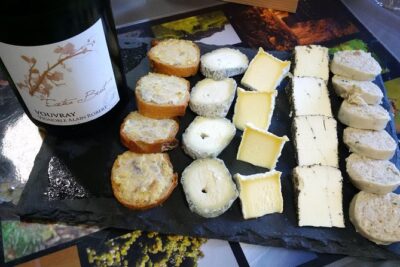
Tour of a Vineyard, Winery & Cellar with Wine Tasting in Vouvray, Loire Valley
Read our review →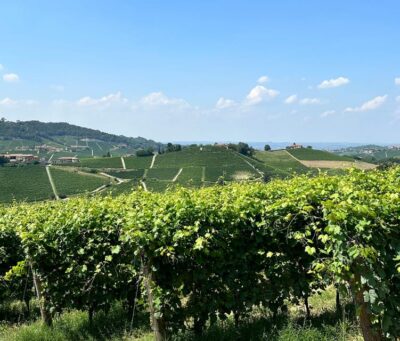
Monforte d’Alba: Barolo Tasting, Vineyard & Cellar Visit
Read our review →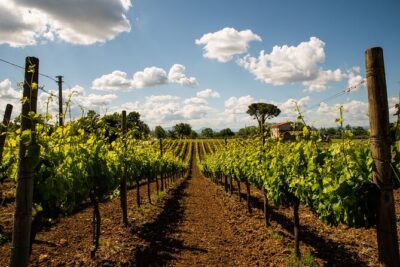
Sella delle Spine Taurasi: Tasting, Vineyard and Cellar Tour
Read our review →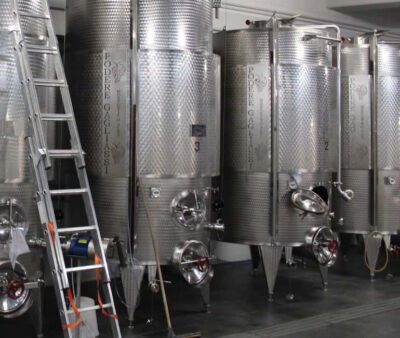
Monforte d’Alba: Wine Tasting, Cellar Visit, and Vineyard Tour
Read our review →Browse the lists this tour appears in